

Trim the lawn to 1‑2 inches on the mower’s lowest setting and bag the clippings, then rake out thatch and debris. Aerate the soil to create uniform holes and loosen compaction. Test pH, add any needed amendments, and spread a thin top‑dressing of sand‑compost‑topsoil. Choose a seed mix that matches your existing grass or a compatible blend, favoring fast germinators like perennial ryegrass. Broadcast the seed in a criss‑cross pattern, lightly rake, and cover with a ¼‑½‑inch top‑dressing. Water daily to keep the top inch moist but not soggy for two weeks, then reduce frequency. If you keep going, you’ll learn how to troubleshoot early issues and shift to regular mowing and fertilizing.
Prepare Your Existing Lawn for Overseeding
You’ll start by trimming the existing grass to a low height, about 1–2 inches, using the mower’s lowest setting and bagging the clippings so the seed can reach the soil and sunlight. After mowing, rake the surface with a metal rake or dethatching machine to eliminate thatch and debris, exposing the soil and preventing weed growth. Follow with core aeration; run a aerator while the soil is moist to create uniform holes, loosening compacted layers and improving soil texture. Conduct a soil test, then apply a phosphorus‑rich fertilizer and a thin (≈0.25 in) layer of enriched topsoil to address nutrient gaps. Water the lawn the day before overseeding, ensuring moisture without saturation, and keep the grass at 2 inches post‑seeding until establishment. Incorporate a seed‑to‑soil contact step by lightly raking after broadcasting seed to improve germination rates. Proper seeding depth helps protect the seed from birds and wind while promoting even emergence.

Promote Lawn Health and Neatness: This thatch rake is designed to clear away thatch buildup, dead grass, fallen leaves, and small debris across lawns and garden areas. By removing compact layers on the surface, it allows air, water, sunlight, and nutrients to reach the soil and roots, supporting steady turf growth. With a total length of 74 inches, it helps reduce bending and supports seasonal lawn maintenance tasks.

Effortless, Ergonomic Lawn Thatch Removal: Professional thatch rake features a heavy-duty head and an extended, adjustable stainless steel handle. This design drastically reduces back-breaking bending and strain, allowing air, water, and nutrients to penetrate deep to the roots for a lush, healthy lawn all year round
Select the Right Grass Seed for Overseeding
Choosing the right grass seed for overseeding hinges on matching your existing lawn’s species, climate zone, sun exposure, and desired germination speed. Begin with a lawn condition analysis; identify whether you have Kentucky bluegrass, fine fescue, perennial ryegrass, or tall fescue. Select a seed that mirrors that species or a compatible mix—Kentucky bluegrass blends for bluegrass lawns, fine fescue formulas for fescue, and ryegrass blends for ryegrass. Factor climate: cool‑season blends thrive in mild winters, while warm‑season Bermuda suits hot, drought‑prone zones. Match sun exposure with sun‑tolerant or shade‑tolerant varieties, and prioritize fast germinators like perennial ryegrass for quick cover. Guarantee seed and soil compatibility by choosing products that include fertilizer and soil improver, such as Scotts Turf Builder Thick’R or Jonathan Green Black Beauty Ultra, to promote rapid, uniform establishment. Understanding seed blend formulation helps ensure long‑term lawn health. Proper soil pH adjustment can further improve seed germination and root development.

These fast growing grass seeds are suitable for areas that receive 4 to 6 hours of daily sunlight

PERFECT FOR FALL SEEDING - Our cool-season grass seed mix is formulated for successful fall seeding projects. The grass seed varieties are bred to perform especially well when seeded during the fall planting season of mid-August through mid-October.

APPLICATION: Apply this sun and shade grass seed in the spring or fall to grow a new lawn or overseed an existing lawn to thicken grass and help crowd out weeds
Amend and Level Soil for Successful Overseeding
After picking the right seed, you need to prepare the soil so the new grass can establish quickly. Test pH and nutrient levels, then add amendments that address any deficiencies. Incorporate organic matter to restore nutrients and improve water retention. Mix a topdressing blend of equal parts sand, compost, and topsoil, avoiding sand in clay soils to prevent soil compaction issues. Apply no more than a ½‑inch layer, aiming for a ¼‑inch coating of enriched soil over low spots. Use a garden rake or leveling rake to spread the mix evenly, then drag a roller for firm contact. Water immediately to release air pockets and settle the material, ensuring a smooth, leveled surface ready for overseeding. Aeration helps relieve compaction and improves seed‑to‑soil contact. Proper timing of aeration can increase root growth and enhance nutrient uptake. Regular lawn aeration reduces soil compaction and promotes healthier root development. Performing aeration in the late spring maximizes recovery and root expansion.

Improves the look of house plants by covering soil.
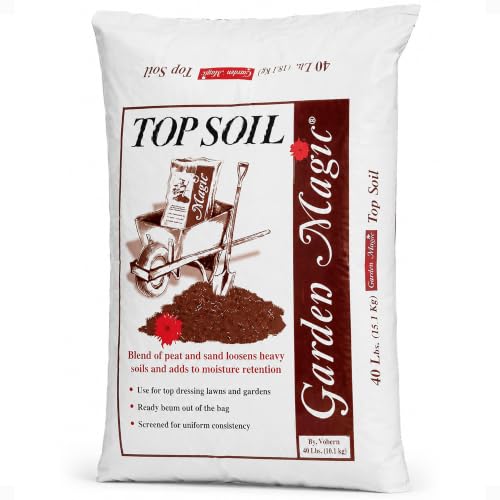
Ready-to-Use for All Planting Needs: This general-purpose potting mix is ready to use out of the bag, making it perfect for both indoor and outdoor planting without any additional preparation
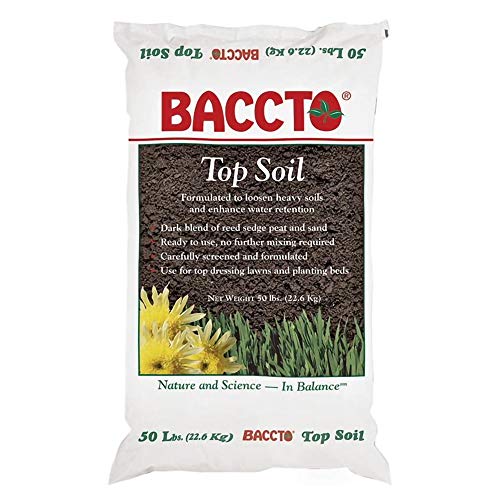
High-Quality Potting Soil Blend: Crafted with a mix of reed, sedge, peat, and sand, this high-quality soil provides the perfect environment for strong, healthy plant growth
Spread Seed Evenly With a Criss‑Cross Pattern
Typically, you’ll walk the prepared lawn in one direction while scattering seed, then turn 90° and repeat the pass perpendicular to the first. This criss‑cross motion creates a cross‑hatching pattern that eliminates clumps and secures uniform coverage. Use a calibrated spreader or hand‑cast fistfuls, keeping a steady pace and slight overlap between passes. Divide the area into manageable sections; after each pass, scan for target sparse areas and add extra seed without disturbing depth. Maintain seed depth by walking gently enough that seeds stay on the soil surface, not buried. Consistently overlapping the perpendicular lines ascertains even distribution, supports consistent germination, and maximizes the efficacy of your overseeding effort. Proper soil preparation ensures the seeds have contact with a receptive medium, improving germination rates. For best results, follow the recommended seed‑to‑soil ratio for your grass type. Lightly raking after seeding helps improve seed‑to‑soil contact and germination success.

NO ASSEMBLY REQUIRED: Scotts spreader comes pre-calibrated and ready-to-use with a fold-down handle for easy storage; use it year-round including as an ice melt spreader or salt spreader for snow

OPERATION: Adjustable arm support on this seed, salt and fertilizer spreader helps provide maximum comfort

64-OUNCE BOTTLE: high-capacity poly bottle with a wide opening and easy screw top, quickly remove the lid to add your preferred seed, salt, fertilizer, etc. and simply screw back into place
Lightly Rake and Top‑Dress to Protect Seeds
The criss‑cross pattern you just created leaves a uniformly seeded surface, but those tiny kernels are still vulnerable to wind, runoff, and premature drying. First, mow the lawn short—no scalping—then dethatch if thatch exceeds ½ inch. Remove clippings and let the grass dry completely. Aerate compacted spots to open the root zone. Using a rubber rake or the back of a straight‑headed metal rake, work a ¼‑ to ½‑inch layer of sandy loam, sand, and well‑rotted organic matter into the hollows. Spread the mix in a fan‑shaped motion, then lightly rake until seed and grass peek through. This top‑dressing holds seeds, retains moisture, and provides nutrients, delivering top dressing benefits and lawn stress reduction without smothering existing turf. Cool season grasses should be top dressed in fall, late summer, or spring when actively growing. A roller can also be used after top‑dressing to evenly distribute weight and further smooth the surface. Aeration also improves soil health by reducing compaction and enhancing water infiltration.

Ready-to-Use for All Planting Needs: This general-purpose potting mix is ready to use out of the bag, making it perfect for both indoor and outdoor planting without any additional preparation

Efficient Soil Enrichment: Exceptionally crafted 10-pack of Michigan Peat Compost and Manure Blend boosts soil health, ideal for top dressing on lawns or raised garden beds

Convenient, no-measure, single-use pouches
Water Properly During Overseeding’s First Two Weeks
Because seeds are vulnerable to drying out, you should begin watering the moment you spread them, applying light, frequent irrigation to keep the top inch of soil consistently moist. Water in the early morning, before the sun heats the lawn, using a mist setting or gentle sprinkler for 10–15 minutes, 2–3 times per day. Aim for 1–2 inches of water per week, ensuring the soil stays moist but never soggy; this avoids overwatering and prevents seed washout. If rain falls, pause watering for 2–3 days. After the first week, reduce frequency to once daily with a slightly longer duration, still keeping the top inch wet. Continue this regime for ten days or until germination begins. Consistent moisture is essential for early root development. Light frequent watering helps maintain optimal soil moisture during the critical germination phase. Adequate post‑mowing irrigation also reduces disease risk by preventing stress‑induced susceptibility. Seed viability can be extended by proper storage techniques that keep moisture levels low before planting.
Watch Germination and Fix Early Overseeding Problems
Keep an eye on the lawn as the seeds germinate, watching for green spikes breaking the soil surface around day 5‑10 and noting any bare spots, yellowing seedlings, or uneven patches that signal early problems. First, monitor soil moisture daily; maintain consistent dampness without saturation to prevent wilting and fungal damping‑off. If you spot bare areas, re‑scatter seed and lightly rake to improve seed‑to‑soil contact. Yellowing seedlings often indicate overwatering—adjust irrigation schedule accordingly. When emergence lags beyond day 10, assess dormancy: apply a brief warm period or light scarification to break it, and consider a germination‑boosting starter fertilizer. Thin overcrowded zones to reduce competition, and keep a log of sprout density to verify uniform coverage. Prompt corrective actions within the first two weeks secure a healthy, dense lawn. Proper seed depth is crucial for optimal germination, especially when using a ¼‑½ inch planting depth for cool‑season grasses. Maintaining consistent moisture levels helps prevent seed desiccation and encourages uniform emergence. Optimal temperature ranges between 60‑75 °F for most cool‑season varieties, accelerating seedling development.
Transition to Regular Mowing and Fertilizing After Overseeding
Two to three weeks after overseeding, you should wait until the new grass reaches 3–4 inches before the first mow, confirming root depth with a tug test. Set the mower to the highest blade setting, sharpen the blades, and cut only the top third of the foliage on dry ground. Slow your pace, turn carefully, and leave clippings to recycle nitrogen. Reduce mowing frequency during the establishment phase; resume normal intervals only after the grass shows consistent growth. Begin the fertilization schedule three months after overseeding, using a balanced, slow‑release product. Apply at the recommended rate, then alternate with regular watering. Gradually increase mowing frequency to pre‑overseeding levels while maintaining the fertilization schedule for sustained lawn health. Spring growth typically accelerates after the first warm days, so monitor soil moisture closely. Consider using a high‑quality mower to ensure an even cut during the early stages. Properly timing the first cut helps avoid stress‑induced thinning.