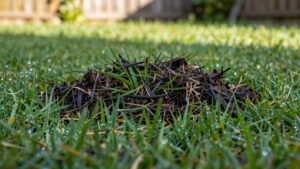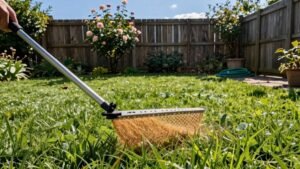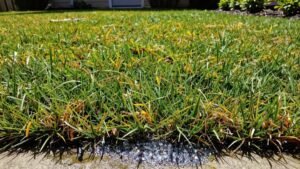

Pick a climate‑appropriate seed, test the soil pH, and till 4–6 inches deep, then a shallow 2–3 inch pass to break up compaction and expose weed seeds. Level the surface with a straightedge, aerate, and add a thin layer of nutrient‑rich loam, rolling lightly to avoid hard spots. Spread seed evenly using a broadcast or handheld rotary spreader, lightly rake to create ¼‑½‑inch pockets, and cover with sparse straw mulch. Keep the soil moist with 30‑minute afternoon waterings, avoiding over‑watering, and protect new sprouts from traffic and wind. Continue for more details on fertilizing, mowing, and topdressing.
Pick the Right Grass Seed for Planting a New Lawn
When you match the seed to your region’s climate, you set the foundation for a resilient, low‑maintenance lawn. First, run soil testing requirements to verify pH, organic matter, and nutrient levels; amend the substrate based on the results. Then, align seed brand selection with the climate zone: cool‑season blends such as Kentucky bluegrass, tall fescue, and fine fescue suit northern latitudes, while warm‑season mixes like Bermudagrass or Centipede thrive in hot, humid zones. Choose a brand that lists precise germination rates, disease resistance, and drought tolerance. For shaded areas, prioritize fine fescue blends; for full sun, opt for tall fescue or a Kentucky bluegrass‑ryegrass hybrid. Match seeding rates to the label—typically 4–8 lb per 1,000 ft²—to guarantee uniform coverage and sustainable establishment. In the Transition Zone, tall fescue and Zoysia are especially well‑suited to the climate. Understanding soil texture helps you select the most compatible grass variety for optimal root development. The guide also shows seed morphology to help you recognize healthy seed before planting.

This pack of lawn seeds is ideal for new lawns, overseeding and lawn repair

APPLICATION: Apply this sun and shade grass seed in the spring or fall to grow a new lawn or overseed an existing lawn to thicken grass and help crowd out weeds

PERFECT FOR FALL SEEDING - Our cool-season grass seed mix is formulated for successful fall seeding projects. The grass seed varieties are bred to perform especially well when seeded during the fall planting season of mid-August through mid-October.
Clear Debris and Till to Proper Depth
After selecting the right seed, you’ll need to clear the site and till to the proper depth. First, rake the area to pull up weeds, roots, and stray debris. Use a rotary tiller for the initial pass, digging 4–6 inches deep to break up compacted layers and introduce oxygen. Follow with a shallower 2–3 inch pass to expose fewer weed seeds while loosening the seed bed to at least 3–4 inches. Adopt a multi‑pass tilling strategy: for larger plots, stagger two to three passes over a couple of weeks to suppress sprouting weeds; for small lawns, a single day suffices. After tilling, drag a peanut rake and section harrow to collect rocks, sticks, and old grass, mitigating soil compaction risks and preparing a clean, sustainable foundation for even seed distribution. Removing grass and weeds reduces competition and makes room for new plants. Applying a targeted herbicide before tilling can further diminish residual weed pressure. Proper soil moisture management after seeding supports germination and reduces weed emergence. Adding a thin layer of organic mulch helps retain moisture and protect the seedbed during early growth.
Level the Surface for Uniform Seed Distribution
If you want a lawn that seeds evenly, start by smoothing the surface with a systematic, multi‑layer approach. First, assess bumps and dips using a straightedge; note shallow depressions for top dressing and deeper ones for turf removal. Schedule aeration timing before you begin leveling, letting the air channels improve root penetration. Choose topsoil selection that matches your native soil—prefer nutrient‑rich loam over sand—to retain moisture and nutrients. Spread the soil in no more than one‑inch layers, raking each layer smooth with a garden rake and dragging a long board across for flatness. Firm every layer lightly with a roller, avoiding hard compaction. Iterate: fill dips, remove humps, and re‑level until the surface is uniformly flat and textured for ideal seed adhesion. Frost heave can create humps that need to be removed before seeding. Using a lawn roller helps ensure even pressure distribution across the soil surface. Properly calibrated deck leveling guarantees consistent cut height and prevents uneven seed beds.
How to Spread Seed Evenly: Hand‑Seeding vs. Broadcast Spreader?
A handheld rotary spreader lets you steer seed into tight corners and around garden beds, while a broadcast spreader fans out material quickly across open lawns. When you decide between hand‑seeding and broadcast, start with seed volume calculations: a 1.8‑liter handheld unit holds roughly 1 kg, covering 70–80 m² in one pass, whereas a broadcast spreader can blanket 1 000 ft²+ with a single sweep. For small, obstacle‑dense zones, spreader type selection favors the rotary hand‑seeders for precision; their down‑facing compartment drops seed in narrow swaths, minimizing waste. On expansive, open turf, the broadcast spreader’s 3 m fan delivers uniform density with fewer trips, reducing labor and fuel use. Balance coverage, accuracy, and sustainability by matching spreader capacity to lawn size and layout. Proper soil testing ensures the pH and nutrient levels are optimal for seed germination. Seed‑to‑soil ratio is crucial for achieving a thick, healthy lawn. Understanding germination rates helps you plan reseeding timing for best results.

OPERATION: Adjustable arm support on this seed, salt and fertilizer spreader helps provide maximum comfort
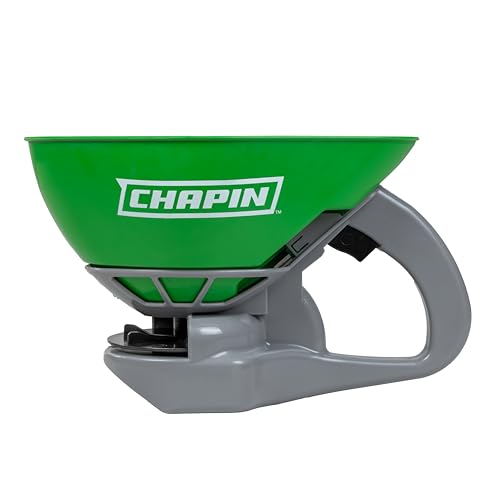
Chapin Garden Spreader: Designed for all your residential lawn and garden seed, pest control and fertilizer spreader need, this 0.3 Gal hand held broadcast spreader is weather-resistant, has a green poly hopper and ideal for smaller spaces

64-OUNCE BOTTLE: high-capacity poly bottle with a wide opening and easy screw top, quickly remove the lid to add your preferred seed, salt, fertilizer, etc. and simply screw back into place
Create Good Seed‑Soil Contact With Light Raking and Mulch
Choosing the right spreader gets the seed onto the lawn, but the next step—ensuring the seed actually touches the soil—determines whether those grains will sprout. Lightly rake the freshly seeded area, loosening the top few inches without creating a deep furrow. A firm, level seedbed lets each grain settle into a ¼‑½‑inch pocket, maximizing seed germination rates. Immediately after raking, spread a thin layer of straw or a biodegradable erosion‑control blanket; this is your mulch application timing. Keep the mulch sparse enough that light reaches the soil, yet dense enough to hold seeds in place and protect them from wind or rain. The result is a uniform, sustainable seed‑soil interface that encourages vigorous, even growth. Dormant seeding works best when performed between early November and mid‑March in Minnesota, so timing your seeding within the optimal window maximizes success. Planting during the cool season ensures higher germination rates in temperate climates. Consistent moisture is critical during the first two weeks after seeding to support rapid germination. Maintaining a soil temperature of at least 55 °F promotes steady seed sprouting.
Water Properly While Planting a New Lawn – Frequency & Amount
How often should you water a freshly seeded lawn? Water 2‑4 times daily for 5‑10 minutes, keeping the top 1‑1.5 inches of soil consistently moist. Apply ⅛‑¼ inches per day in short, gentle misting sessions. avoid evaporation. On hot, sunny, windy days, increase to at least three daily applications; light morning rain may still require supplemental watering by afternoon. Use soil moisture monitoring to gauge dampness rather than relying on a rigid schedule, especially when weather pattern impacts shift rapidly. After seedlings break through, convert to 1‑2 daily 30‑minute sessions, then taper to longer, deeper‑root‑promoting watering once the grass reaches four inches. Maintain morning or early‑afternoon timing to reduce fungal risk and support sustainable growth. Avoid overwatering to prevent soillogged conditions that can hinder seed germination. Consistently moist soil is essential for successful germination, but avoid watering saturation to protect seed viability. Seed can remain viable for several weeks to months if kept moisture‑balanced during dormancy. Using reflective tape around the seeded area can deter birds and help maintain the necessary moisture levels.
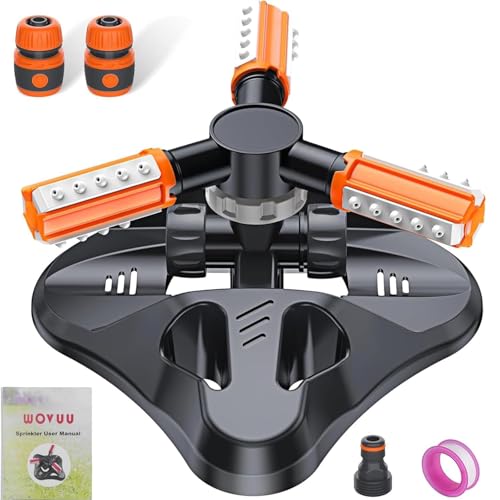
【Upgrade 36 Units Spray Nozzles 】WOVUU lawn sprinkler with 3 adjustable spray patterns per arm and total 36 UNITS spray nozzles built in,which increased 24 units than old version.The garden sprinkler is a powerful irrigation and you can adjust different nozzle patterns base on the spray coverage you need

【Easy Programming Program】Through the Sprinkler Timer to program, you can set the Start Time, Watering Duration is 1min-3h59min, Watering Frequency from 1h to 12h or 1 day to 7 days, so you can customize your watering time, and can be more accurate.

Effortless Watering Automation: The Orbit Mechanical Water Timer helps manage lawn and garden irrigation with a reliable mechanical water timer design and hose faucet timer control
Protect and Nourish New Sprouts – Traffic Limits, Fertilizer, Inoculants
When you protect fresh sprouts, limiting foot traffic and applying targeted nutrition are essential for robust establishment. Use temporary barriers—plastic planks, stepping stones, or garden edging—to channel weight and keep pets, children, and equipment off the seedbed for three to four weeks. Apply a thin layer of starter fertilizer with a high middle number immediately after seeding; this targeted fertilization supplies phosphorus for root development without over‑loading nitrogen. Complement the feed with a seaweed inoculant or a compost topdressing to enrich organic matter and improve soil structure. Keep the area moist, avoid stepping on frosted grass, and maintain minimal disturbance. These precise, sustainable practices foster a resilient, lush lawn from the first tender shoots. Strong winds can blow seed away on sloped ground, so consider using lightweight garden fabric to hold the seed in place. Apply fertilizer no later than two weeks after emergence to support early root growth. Store any unused seed in an airtight container in a cool, dry location to preserve germination viability for future planting.
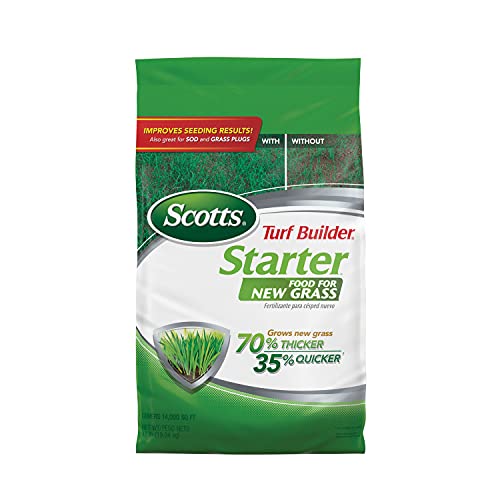
Grows new grass 70% thicker, 35% quicker versus unfed grass

10 MINUTE LAWN CARE: Get the job done fast, a 32 fl. oz. bottle of liquid grass fertilizer for lawns provides up to three separate 600 sq. ft. feedings in just 10 minutes

FERTILIZER FOR NEW LAWNS: Scotts Turf Builder Starter Food for New Grass is a specially formulated starter fertilizer for grass seed that is designed to be used when planting new grass
Maintain Your New Lawn – Mowing, Topdressing, and Ongoing Care
Usually, you’ll begin maintaining your new lawn once the grass reaches the 3‑4‑inch range, keeping the mower on low throttle to protect delicate seedlings. Mow to a height of 1 inch, removing no more than 30 % of the blade, and use a sharp blade for a clean cut. After the first mow, wait at least 24 hours before any post topdressing mowing adjustments; check root establishment and avoid cutting until seedlings have germinated. Apply topdressing with a 70 % topsoil, 30 % sand blend in a ¼‑½‑inch layer, raking it gently into low spots, then water lightly. Topdressing frequency considerations dictate an annual application for healthy soils, or bi‑annual for poor structure, ideally during the growing season and paired with aeration and overseeding. Continue regular watering, rotate mowing direction, and monitor soil pH for sustained, sustainable vigor. Improves soil structure by incorporating organic matter that enhances root penetration. Proper aeration also increases root oxygen by loosening compacted soil, allowing water and nutrients to reach deeper. Proper moisture timing ensures optimal seed germination and root development.

Fix Uneven Lawns – Fill low spots and smooth bumps for a cleaner lawn surface.
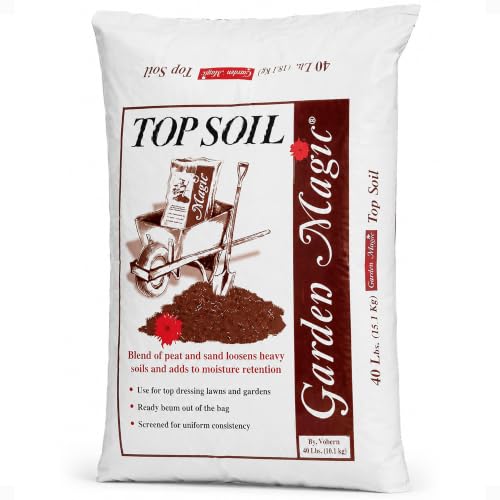
Ready-to-Use for All Planting Needs: This general-purpose potting soil is ready to use out of the bag, perfect for both indoor and outdoor planting without any extra prep

High-Quality Topsoil Blend: Crafted with a mix of reed, sedge, peat, and sand, this loam-like soil provides a strong environment for strong, healthy black dirt plant growth in your yard or any raised bed soil