
Water the new seed twice a day during the first week, giving each session 10‑15 minutes so the top inch stays consistently moist. On hot, windy days add a short third watering. After the seedlings emerge, switch to one daily 30‑minute soak for a week, then move to every other day as roots deepen. Adjust timing and duration for your soil type and climate, and you’ll avoid drying out or over‑saturating the seed. Keep going to uncover the next steps for a thriving lawn.
Ideal Watering Frequency for New Grass Seed
Typically, you’ll water new grass seed twice a day during the first week—once in the early morning and once around midday—for 10‑15 minutes per session. This schedule guarantees moisture management while maintaining ideal soil conditions. Water gently for 10‑15 minutes, saturating the top inch without driving water deep past the seed layer. On hot, windy days, add a third short session to keep the seed bed consistently damp. After emergence, cut back to one 30‑minute session daily for a week, then shift to every other day as roots deepen. Use a screwdriver test to confirm the top two inches are moist, not soggy. Adjust timing for rain, shade, and temperature to avoid over‑watering and fungal risk. Seeds need consistent moisture for germination. Proper storage can extend seed viability for several weeks to months, especially when seeds are kept in a cool, dry place with controlled humidity. Maintaining low temperature storage further preserves seed vigor. Applying a thin layer of straw mulch can protect seeds from birds and erosion while helping retain moisture.

FULL-SIZE COVERAGE– Get the power of a full-sized oscillating sprinkler in a space-compact form—covering up to 4,000 sq. ft. to easily water large lawns, gardens, and newly seeded areas.

FULL-SIZE COVERAGE IN A COMPACT DESIGN: Get the power of a full-sized oscillating sprinkler in a space-saving form—covering up to 4,000 sq. ft. to easily water large lawns, gardens, and newly seeded areas.
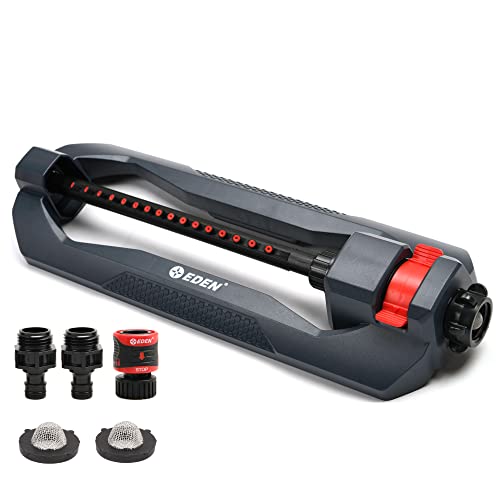
16 PRECISION NOZZLES- Provides even, consistent watering coverage for lawns and gardens up to 3,600 sq. ft..
What to Expect During the First Two Weeks of Germination
Wondering what will actually happen to your lawn in the first two weeks after sowing? You’ll see seeds soak up water, swell, and crack their coats within the first few days. By day 5‑7, fast‑germinating species like Bermuda and annual ryegrass may push tiny green shoots through the soil surface, while slower varieties such as Kentucky bluegrass or Zoysiagrass remain invisible. Moisture retention influence is critical; any lapse lets the seed dry out and stalls emergence. During week 2, most species—perennial ryegrass, fescues, carpetgrass—show visible shoots that reach about two inches, thickening the lawn noticeably. Thin patches may still be bare, indicating where additional seed or extra moisture is needed. Grass species differences dictate exact timing, but consistent dampness drives the whole process. Consistent moisture is essential for germination. Adjusting watering frequency based on soil type helps conserve water while supporting healthy root development. Selecting a seed variety with a quick germination rate can further accelerate lawn establishment.
Step‑by‑Step Watering Schedule for Weeks 1‑2
After the first sprouts appear, you need to keep the soil surface consistently moist to sustain germination and encourage root development. In week 1, water three times daily—early morning watering, early afternoon, and late afternoon—for 3–5 minutes each, using a light mist or shower setting. This maintains soil moisture levels in the top inch without washing out seeds. On day 3–5, extend each session to 10–15 minutes immediately after planting, then revert to the short bursts. By week 2, cut back to two daily applications, preferably early morning and early evening, for 30 minutes each. This deeper, less frequent watering encourages root penetration while keeping the surface moist and preventing sogginess. Adjust only if the top inch dries quickly; avoid late‑day watering to reduce disease risk. Cool‑season grasses germinate faster and therefore require less water during the early stages. Maintaining the soil temperature within the optimal 60‑75 °F range further accelerates germination. Properly soil pH should be tested before planting to ensure optimal nutrient availability. Consider consulting the regional planting calendar to align sowing with the most favorable weather patterns.

One VIKING Heavy Duty High Pressure Water Hose Nozzle with extra rubber washer

One VIKING High Pressure Hose Nozzle for Water Hose with extra rubber washer

Rear control hose sprayer nozzle comes with 8 adjustable spray patterns to cover all watering needs
Adjust Watering for Soil Type & Climate (New Grass Seed)
Adjusting your watering routine to match soil type and climate is essential for successful grass seed germination. In sandy soils you’ll need short, frequent waterings to keep the top inch moist without runoff; aim for 4‑5 brief sessions daily when temperatures exceed 85 °F, and use soil moisture monitoring to prevent over‑watering that can wash seeds away. For clay or loam, apply slower, deeper waterings spaced farther apart, allowing moisture to penetrate 1‑2 inches; 1‑2 sessions daily suffice in cooler weather. Dry, windy climates demand stricter schedules, while humid or shaded areas let you reduce frequency. Incorporate water conservation practices by timing irrigations for early morning, using rain sensors, and adjusting based on local humidity and sun exposure. Proper irrigation timing can also enhance soil absorption rates and reduce evaporation losses. A well‑designed system can be optimized with a zone valve to target specific areas of the lawn.

Intelligent Irrigation Control: The Orbit Smart Sprinkler Controller manages watering with a powerful smart sprinkler that supports a completely automatic watering system

WATER YOUR YARD WITH EASE - Our Easy Set Logic sprinkler timer is the perfect choice for your yard, controlling up to 12 zones/stations for efficient irrigation.

Smart Irrigation Control Anywhere: The Orbit B-hyve Indoor Smart Sprinkler Controller provides smart sprinkler timer functionality for efficient yard irrigation
Transition Watering After Germination (Weeks 3‑4)
Now that seedlings have pushed through the soil surface, you should cut back watering from three times daily to one or two deeper applications. Apply water for about 30 minutes each session, early in the morning, to let moisture reach the root zone without creating a waterlogged surface. This deeper, less frequent schedule promotes root zone protection and encourages roots to grow downward. Monitor soil moisture at a 2‑inch depth; the soil should stay damp but never soggy. Adjust frequency if hot, windy, or sunny conditions increase evaporation, but avoid nighttime watering to aid fungal disease mitigation. Keep surface drying to a minimum, and let each session supply enough water to sustain seedlings until the next watering. Consistent watering is essential during this transition phase to prevent stress and ensure healthy root development. Be aware that certain grass seed types can be toxic to pets, so choose a pet‑safe seed variety to protect your dog.
Deep‑Root Watering for Weeks 5‑6 (New Grass Seed)
When you reach weeks 5‑6, switch to deep‑root watering: apply 15‑20 minutes of water once or twice a week, letting moisture penetrate 6‑8 inches so roots grow deeper and become more resilient. At this stage, prioritize soil moisture management over frequent light sprays. Set your irrigation system to deliver a steady flow that saturates the top 4‑6 inches, then continues into the 6‑8‑inch zone, encouraging deep root development. Water early in the morning to avoid nighttime humidity that fuels disease. Monitor runoff; if water pools, reduce duration. Adjust for hot, windy days by briefly increasing frequency, but keep sessions infrequent to let the soil dry slightly between applications, reinforcing a robust, drought‑tolerant lawn. Consider using a low‑noise electric trimmer for occasional edge cleanup to avoid disturbing wildlife. Properly zone your irrigation zones can further improve water efficiency and prevent over‑watering.
Transition to Established Lawn Watering (After New Grass Seed)
After weeks 5‑6 of deep‑root watering, the lawn’s roots have begun to penetrate the 6‑inch zone, so you can shift to a schedule that treats the grass as an established turf. Start watering twice a week for 20‑30 minutes per zone, aiming for a 6‑inch soak. Use a soil‑moisture probe or a simple finger test to verify that the top 2‑3 inches stay moist between sessions; this monitoring soil moisture prevents both drought stress and over‑watering. Reduce water frequency gradually if the soil retains moisture longer, but never let the surface dry out completely. Water early in the morning to limit evaporation and fungal risk. Adjust duration if runoff occurs, but keep the overall frequency low to encourage deep, resilient root growth. Consider the garden’s soil type when setting watering intervals, as sandy soils drain faster than clay soils. Proper aeration timing ensures the soil is ready to receive water uniformly.
How Rain and Weather Change Your Watering Plan
If rain comes, you can cut back on manual watering, but you must still track soil moisture to avoid over‑ or under‑watering. Light rain substitutes for one or two 5‑minute bursts, so pause irrigation until the soil feels damp. Heavy rain, however, can erode the seedbed; pause planting until the forecast clears and resume watering only after the top layer dries. Watch rainfall patterns: a steady drizzle lets you skip morning and evening sessions, while intermittent showers demand quick checks. Temperature swings also dictate frequency—above 85 °F forces 4–5 short bursts daily, whereas sub‑55 °F halts germination and lets you reduce to 1–2 waterings. Water early morning or late afternoon to limit evaporation, and always combine natural precipitation with supplemental irrigation to achieve roughly one inch of moisture per week. The recent rainfall on October 7 provided about 0.25 inches, which is insufficient to replace a full irrigation cycle. Mower safety also declines when the ground is saturated, as slippery surfaces increase the risk of slips and damage to equipment. Remember to keep the mower’s electrical components dry to prevent short‑circuit hazards.
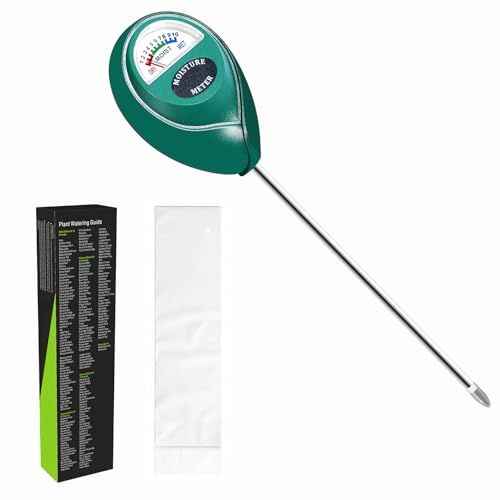
Trusted Since 2015: Become one of the many plant lovers who rely on the proven accuracy of XLUX. Established in 2015, our soil moisture meter has earned over 60,000+ verified ratings for its consistent performance. While many many newer brands come and go, we provide the long-term reliability and quality that American households have trusted for over a decade.

Accurate Soil Moisture Detection: The XLUX Soil Moisture Meter can tell you if the soil deep inside your pot or garden is dry, moist or wet; whereas your eyes and fingers can only determine the moisture level of the soil surface. The probe is 5.5 inches (14 cm) longer than regular styles, allowing it to measure the soil moisture at the bottom of larger and deeper flower pots.
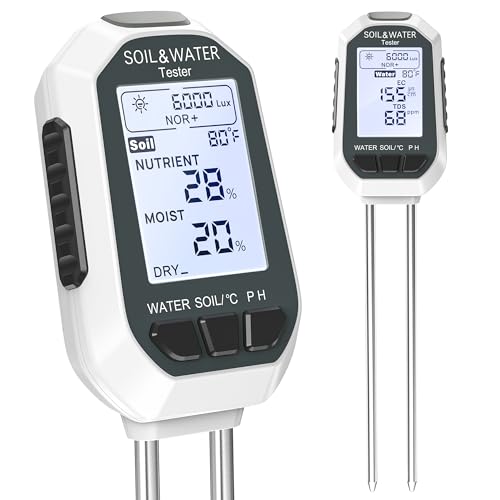
【7-in-1 Features】This is a 7-in-1 multi-function soil tester. Our soil tester quickly measures soil moisture, pH, temperature and light intensity, and its fertility function helps you take better care of your plants. With this device you can measure the soil moisture, pH, temperature and light intensity for your plants and with the EC and TDS functions you will know when it is time to water the soil.
Top 5 Mistakes That Wash Out New Grass Seeds (and How to Fix Them)
Even a small slip in watering, seeding rate, soil prep, or cover can doom a fresh lawn, so identifying the five most common mistakes and their fixes is critical for a thriving grass seed. 1 Overwatering—use a light mist or shower setting; stop puddling and avoid high‑pressure nozzles that wash seeds away. 2 Underwatering—keep the top inch moist daily for 2‑3 weeks; miss no days or seedlings dry out and germination rates plummet. 3 Wrong seeding rate—measure area precisely and follow label recommendations; too much or too little seed creates patchy density. 4 Poor soil preparation—test pH, aerate, and apply soil amendments to reach a 5.5‑7 range; otherwise seeds sit on thatch and erode. 5 Inadequate cover—apply peat moss, straw, or hydroseeding mulch; remove straw after 3‑4 weeks to prevent matting and guarantee seed‑soil contact. Adding a thin layer of mulch helps retain moisture and protect seeds from birds. Fall is the optimal time to plant grass seed because cool‑season grasses germinate best during this period. Properly calibrating the spreader ensures even seed distribution and reduces the risk of patchy growth.

Grows new grass 70% thicker, 35% quicker versus unfed grass

Indoor Garden Seed Starter Trays: Kickstart your indoor garden effortlessly with our thoughtfully designed seedling start trays. Each cell measures 1.6 inches in width, 1.6 inches in length, and 2 inches in depth, offering the perfect size for a wide array of seeds, including herbs, microgreens, succulents, tomatoes, roses, vegetables, and more.
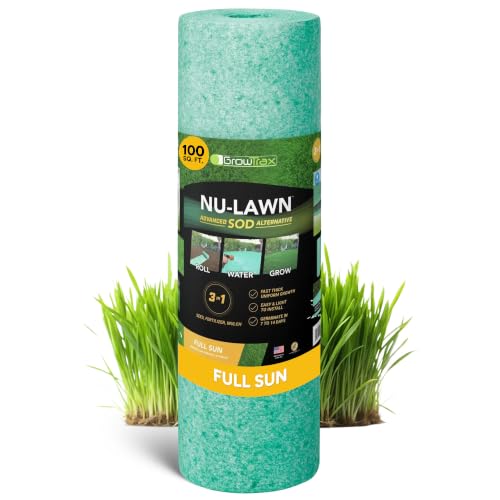
GRASS GROWING SOLUTION: Growtrax Grass Seed fabric contains Seed, Fertilizer and Mulch in one easy to use ‘roll out’ growing system. "Every Seed Perfectly Placed" at over 100% of its recommended planting rate. Each Growtrax Bermuda Rye Grass Seed roll contains the latest in grass growing technology, inclusive of high-quality seed from leading Oregon growers.