
You’ll see grass seed sprout in 5‑30 days, with cool‑season varieties like perennial ryegrass emerging in 3‑10 days and warm‑season types such as bermudagrass taking 7‑14 days, provided the soil stays above 50 °F at a 2‑inch depth and stays consistently moist. Keep the seedbed lightly misted three times daily the first week, delivering about 3‑4 inches of water per week. Once seedlings reach 3‑4 inches and are firmly rooted, you can mow, and the guide will show you how to keep them thriving through the 6‑8‑week establishment phase.
What Is the Typical Germination Time for Grass Seed?
What’s the typical germination time for grass seed? Generally, you’ll see sprouts emerge within 5 to 30 days, though the exact window hinges on variety, climate, and soil conditions. You monitor the turf establishment timeline by noting that cool‑season species such as perennial ryegrass may sprout in 3 to 10 days, while warm‑season types like bermudagrass often require 7 to 14 days under ideal moisture and temperature. After emergence, growth proceeds at roughly 2–3 cm per week, and full lawn coverage typically occurs within 6 to 8 weeks. To achieve a uniform stand, you must apply the ideal seed density, which varies by species but generally ranges from 2 to 5 lb per 1,000 sq ft. Consistent soil moisture and appropriate planting season further compress the germination window. Proper soil preparation, including pH adjustment and loosening the top layer, can significantly improve seed‑to‑sprout success. Maintaining the optimal temperature range of 60‑75 °F accelerates germination and promotes vigorous early growth. Selecting a seed variety that matches your climate zone ensures the best chance of rapid and healthy development.

SUN AND SHADE GRASS SEED: This combination lawn seed, grass fertilizer, and soil improver thrives in a variety of conditions

Establishes quickly

This pack of lawn seeds is ideal for new lawns, overseeding and lawn repair
What Soil Temperature Speeds Up Grass Seed Germination?
How does soil temperature influence the speed of grass‑seed germination? You’ll find that germination begins only when soil temperature exceeds 50 °F at a 2‑inch depth; below that threshold, cool‑season seeds stay dormant. A narrow ideal window of 50‑65 °F sustains rapid enzyme activity that softens the seed coat structure, allowing the embryo to emerge. Air temperatures 10 °F higher (60‑75 °F) are needed because soil lags behind due to pore‑space insulation. Soil temperature variation outside this range slows biochemical reactions, extending the dormancy period. Species such as Kentucky bluegrass prefer 59‑86 °F, while tall fescue peaks at 68‑86 °F. Maintaining the favorable range accelerates germination and improves early vigor. Coastal properties often experience slower warming because the cold Atlantic Ocean acts as a temperature buffer. Proper seed‑to‑soil contact is essential for moisture retention and heat transfer, and optimal planting depth ensures the seed is positioned within the zone where temperature fluctuations are minimized.
How Much Water Do New Grass Seed Need in the First Weeks?
Even before the first shoots appear, you must keep the seedbed consistently moist, because new grass seeds can’t survive even brief dry periods. Water immediately after planting, then apply 10–15 minutes of irrigation three times per day during the first week, focusing on the top 1.5 inches. Use light misting once or twice daily to maintain a thin film of moisture, ensuring soil moisture requirements are met without runoff. Continue short bursts two to three times daily, delivering roughly 3–4 inches of water per week, until germination occurs (usually 1–2 weeks). Once sprouts emerge, reduce frequency to once or twice daily for 30 minutes, allowing moisture to penetrate deeper (6–8 inches) and support shallow root systems. Adjust timing for temperature, increasing frequency in hot weather to prevent drying. Avoid overwatering during the first week to prevent waterlogged soil. Consistently moist soil helps seedlings develop a strong root network early on, which is essential for long‑term drought resistance. light frequent watering is key during germination. soil type influences how quickly water drains, so adjust irrigation duration accordingly. Consider the soil texture when setting run times, as sandy soils may require longer but more frequent watering to retain moisture.

FULL-SIZE COVERAGE– Get the power of a full-sized oscillating sprinkler in a space-compact form—covering up to 4,000 sq. ft. to easily water large lawns, gardens, and newly seeded areas.

FULL-SIZE COVERAGE IN A COMPACT DESIGN: Get the power of a full-sized oscillating sprinkler in a space-saving form—covering up to 4,000 sq. ft. to easily water large lawns, gardens, and newly seeded areas.

360 Degree Metal Spot Sprinkler: Small sprinkler is made of heavy-duty metal with bright colors, the surface of the garden sprinkler is polished, relatively stronger and durable than other plastic sprinkler heads
How Does Germination Timing Differ Between Cool‑Season and Warm‑Season Grasses?
Keeping the soil consistently moist after planting sets the stage for germination, but the speed at which seeds sprout hinges on the grass type’s temperature preferences. Cool‑season grasses such as Kentucky bluegrass, perennial ryegrass, fine fescue, and tall fescue germinate best at 50‑65 °F (10‑18 °C), with ryegrass emerging in 5‑10 days, fine fescue in 7‑14 days, tall fescue in 7‑12 days, and bluegrass in 14‑21 days (up to 28 days for the alternate schedule). Warm‑season grasses like Bermuda and Zoysia require 65‑70 °F (18‑21 °C) and typically take 7‑14 days, yet they allocate early growth to root development, extending the early establishment timeline to 1‑2 years. This delayed canopy formation reduces competitive advantage impacts against weeds, whereas cool‑season species achieve rapid surface coverage, securing a stronger early competitive advantage. The primary root system develops first during germination, providing essential water and nutrient uptake. Pre‑germinating seed in a controlled environment can germination speed by several days. Proper mulch depth helps retain moisture and protect seeds from erosion.
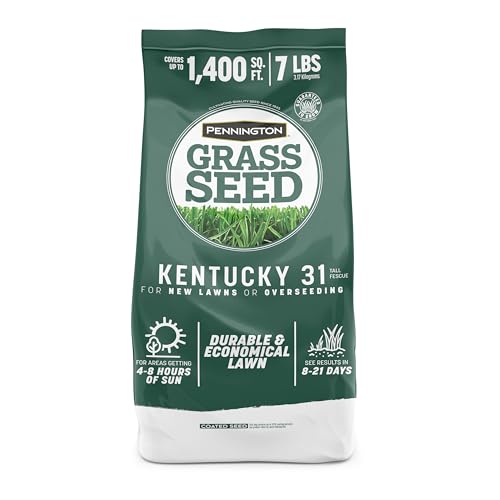
A grass seed for lawns that grows thick blades of grass that stand up to hot summers and heavy rains

APPLICATION: Apply this sun and shade grass seed in the spring or fall to grow a new lawn or overseed an existing lawn to thicken grass and help crowd out weeds

ESTABLISHES NEW YARDS & FILLS IN BARE SPOTS - Black Beauty Ultra Grass Seed quickly germinates for the fast establishment of newly seeded lawns. It also rapidly fills in bare spots to invigorate thin or damaged lawns.
When Will the First Grass Seed Sprouts Become Visible?
When will you first see a grass seed sprout? You’ll notice the initial green shoots emerge between five and thirty days after sowing, depending on species and conditions. Cool‑season grasses such as perennial ryegrass can appear in five to ten days at 55‑65 °F, while Kentucky bluegrass may need fourteen to thirty days. Warm‑season varieties like Bermuda require seven to fourteen days at 75‑90 °F, and Zoysia needs fourteen to twenty‑one days at 60‑75 °F. Track progress by checking soil moisture daily and inspecting for germination signs after the first week. Consistently moist soil, proper temperature, and uniform seed placement accelerate visibility, allowing you to confirm emergence within the expected window. Proper soil preparation can significantly speed up germination, especially when optimal moisture levels are maintained. Using a seed blanket helps retain moisture and protects seedlings from erosion. Applying a thin layer of organic mulch after seeding can further stabilize temperature and moisture, promoting quicker sprout visibility.
When Is the Lawn Ready for Its First Mow?
You’ll know the lawn is ready for its first mow when the grass has reached a height of three to four inches and the seedlings have fully anchored their roots. At this stage, you perform testing root stability by gently tugging a few blades; if they resist and remain upright, the root system is sufficiently established. Determining mowing readiness also involves confirming that all seeded areas have germinated, which typically occurs within four to eight weeks, occasionally extending to two months. Set the mower to a six‑to‑seven‑centimeter deck height and cut no more than one‑third of the blade length. Use a sharp blade, avoid heavy compaction, and mow on a dry, breezy day to achieve a clean cut without stressing the young turf. For optimal timing, consider the recommended mowing height based on grass species and growth conditions. Maintaining the proper cut height promotes deep root development and improves drought resilience. Follow a regular mowing schedule to keep the turf dense and resistant to weeds.
What Common Conditions Slow Down or Speed Up Grass Seed Germination?
If soil temperature stays within the ideal range for the chosen grass type—50 °F to 75 °F for cool‑season species and 65 °F to 70 °F for warm‑season varieties—germination proceeds quickly; any deviation, such as temperatures below 46 °F or above 85 °F, markedly slows or halts the process. You must also meet soil aeration requirements; compacted soil restricts oxygen diffusion, limiting seed respiration and delaying emergence. Adequate Sunlight exposure levels—at least 4–6 hours of direct sun—raise surface warmth and drive photosynthetic capacity once seedlings break through. Conversely, excessive moisture creates waterlogging, while insufficient moisture desiccates the seed coat, both of which impede germination. Proper seed‑to‑soil contact, correct planting depth, and avoiding extreme heat or cold further facilitate optimal sprouting rates. Delaying seeding until soil temperature reaches 55‑60 °F helps ensure successful germination. Understanding the local soil temperature thresholds can guide the timing of planting for the best germination results.

Grows new grass 70% thicker, 35% quicker versus unfed grass

Indoor Garden Seed Starter Trays: Kickstart your indoor garden effortlessly with our thoughtfully designed seedling start trays. Each cell measures 1.6 inches in width, 1.6 inches in length, and 2 inches in depth, offering the perfect size for a wide array of seeds, including herbs, microgreens, succulents, tomatoes, roses, vegetables, and more.
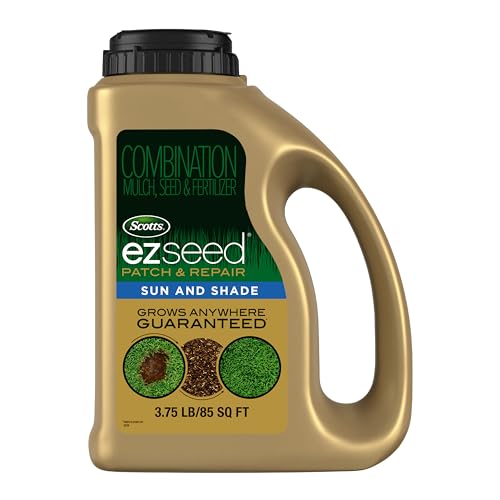
WHEN TO APPLY : This lawn seed mix of Kentucky bluegrass seed, perennial ryegrass, and fine fescue grass seed germinates best when daytime temperatures are between 60°F and 80°F with no danger of frost
How to Keep Grass Seedlings Healthy During the 6‑8‑Week Establishment Period?
A solid 6‑8‑week establishment hinges on three coordinated actions: consistent moisture, protective mulching, and timely fertilization. Water twice daily for 5‑10 minutes to keep the top 1.5 inches of soil moist through weeks 6‑8, then shift to a 1‑1.5‑inch weekly schedule once roots are evident. Apply a thin straw mulch immediately after seeding; remove excess after 1‑2 weeks to prevent matting while preserving moisture and temperature. Schedule mulch application timing so that the layer remains intact during the critical germination window but does not impede airflow. At weeks 4‑6, introduce a high‑nitrogen starter fertilizer to support soil fertility maintenance, followed by a second dose around week 8. Water in the morning or early evening, avoid overwatering, and monitor for pests without disrupting seedlings. Dormant seeding is an excellent way to establish a lawn with minimal site preparation. minimal preparation helps ensure successful growth. Conduct a soil pH test to verify the soil is within the optimal range for grass, typically between 6.0 and 7.0, and adjust if necessary with lime or sulfur. Keep an eye on pets, as certain grass seeds can cause gastrointestinal upset in dogs, and consider using a pet‑safe lawn plan to protect both the lawn and your animals. Installing a simple bird netting barrier can further safeguard seedlings from for.
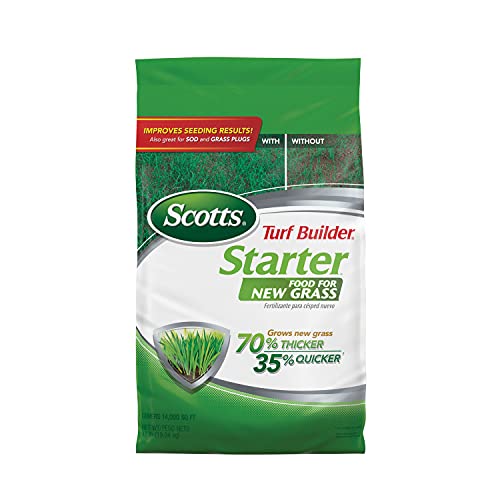
Grows new grass 70% thicker, 35% quicker versus unfed grass

10 MINUTE LAWN CARE: Get the job done fast, a 32 fl. oz. bottle of liquid grass fertilizer for lawns provides up to three separate 600 sq. ft. feedings in just 10 minutes

FERTILIZER FOR NEW LAWNS: Scotts Turf Builder Starter Food for New Grass is a specially formulated starter fertilizer for grass seed that is designed to be used when planting new grass