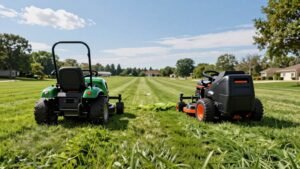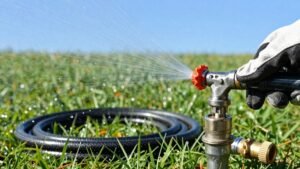

Start mowing when soil temperature hits your grass’s range—45‑55 °F for cool‑season and 60‑65 °F for warm‑season varieties. Apply the one‑third rule, cutting no more than a third of the blade, and set the mower deck to 2‑3 inches. In early spring, mow cool‑season grass every 10‑14 days; warm‑season needs bi‑weekly cuts. As growth spikes, switch to weekly or 5‑7‑day intervals, then shift to 3‑4 inches (cool) or 2‑2.5 inches (warm) in summer, tapering to 2.5‑inches (cool) or 1.5‑2 inches (warm) in fall. When temps drop below 50 °F, stop cutting and leave the grass at the recommended height. Continue for more detailed seasonal timing, aeration, and winter prep.
When to Start Mowing: Soil Temperature & Grass Type
When soil temperature climbs into the 45‑55 °F range, cool‑season grasses such as fescue and bluegrass begin to awaken, and you can start planning the first mow. Use a digital soil thermometer—Rapitest or similar—inserted 2‑4 inches deep in a mixed‑light spot and record daily readings. Once the average steadies at 50‑55°F for three consecutive days, expect fescue and bluegrass to reach 4‑4.5 inches, the ideal height for a clean cut. For warm‑season grass bloom, wait until soil reaches 60‑65°F, typically later in spring, and verify with the same thermometer placed four inches deep. Consistently monitor NOAA frost data, avoid wet soil, and schedule the first mow when the grass is firm and upright. Optimal germination occurs within the 45‑55 °F temperature window for cool‑season grasses. Planting in the early fall provides the best chance for strong root development before winter. Keep the soil lightly moist during the germination period to prevent seed rot while encouraging steady growth.

【4 in 1 function】This is a 4-in-1 multifunctional soil tester.Our soil tester fastly to measure soil moisture, pH, temperature and sunlight to help you take better care of flowers and plants.You can know when you need to water your soil by measuring moisture and pH & Temperature value of the soil and sunlight level of plants with it.

✅ 1Dial & 1 LCD Screen - Replace/install all 3 batteries each time. Put button to %RH/°F to - Turn On, and put to LIGHT to - Turn Off. Read the LCD results in 3-5 mins. (Not Water Moisture Meter, so, please don't test liquid)
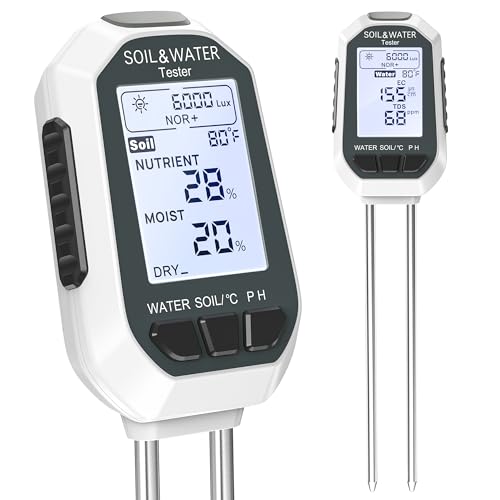
【7-in-1 Features】This is a 7-in-1 multi-function soil tester. Our soil tester quickly measures soil moisture, pH, temperature and light intensity, and its fertility function helps you take better care of your plants. With this device you can measure the soil moisture, pH, temperature and light intensity for your plants and with the EC and TDS functions you will know when it is time to water the soil.
Apply the One‑Third Rule and Schedule Your First Mow for the Lawn Mowing Schedule
If soil temperature has hit the 45‑55 °F window and your cool‑season grass is standing 4‑4.5 inches tall, apply the one‑third rule: wait until the blades reach about 50 % taller than the ideal height, then cut off no more than one‑third of the blade in a single pass. Calculate the trigger height using (ideal ÷ 2) × 3; for a 3‑inch ideal, mow at 4.5 inches and remove 1.5 inches. This one third rule application protects photosynthetic tissue, reduces stress, and curbs thatch. When you notice overly tall growth, increase mowing frequency to keep blades within the 50 % margin. Sharpen blades, set mower deck to 2‑3 inches, and grasscycle clippings to maintain soil health and avoid scalping. mowing frequency should be adjusted based on seasonal growth rates to sustain a dense, resilient turf. Understanding soil temperature thresholds helps you time the first mow of the season for optimal grass health. Avoid mowing during extreme heat or drought, as stressful conditions can damage roots and reduce recovery.

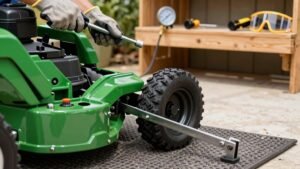
Oregon Replacement Deck Leveling Gauge

Easy to operate and install

787-01818A-0637 Lawn Mower Height Adjuster Plate
Seasonal Mowing Frequency: From Early Spring Through Winter
Because grass growth accelerates and slows with the seasons, you’ll need to adjust your mowing schedule continuously from early spring through winter. In early spring, mow cool‑season grass every 10‑14 days and warm‑season grass bi‑weekly; rake debris before the first cut. As growth spikes, shift to a 5‑7‑day interval, sharpening mower blades each session and watching for weeds. Late spring demands weekly mowing for both grass types; if a year’s climate stays cooler, bi‑weekly may persist until May. Summer cool‑season grass may need 10‑14‑day intervals in drought, but warm‑season grass stays weekly unless rainfall spikes growth. Fall returns to weekly cuts until mid‑October, then bi‑weekly. Winter mowing only if unseasonal growth appears; avoid frozen or wet turf. Understanding soil temperature helps predict when grass will resume active growth after winter. Proper irrigation timing can also reduce water waste by aligning watering with periods of low evapotranspiration, such as early morning. Adjusting watering duration based on soil type ensures the lawn receives sufficient moisture without over‑watering.
Set the Correct Mowing Height for Each Season
Adjusting your mowing height each season builds on the frequency changes you just read about, ensuring the grass stays healthy and resilient. In spring, set cool‑season grass to 3 inches, trimming no more than one‑third of the blade, and cut warm‑season grass to 0.5–1.5 inches to remove winter‑burned strands. Summer calls for taller cool‑season heights (3–3.5 inches, up to 4 inches for tall fescue) and warm‑season heights of 2–2.5 inches, boosting shade and drought tolerance. Fall requires a pre‑frost reduction to 2.5 inches for cool‑season and 1.5–2 inches for warm‑season, preventing matting and snow mold. Align each adjustment with your mowing pattern: maintain consistent, species‑specific heights, avoid scalping, and respect the 1/3 blade‑removal rule for ideal photosynthesis and root development. Proper mowing height also enhances weed suppression and improves drought resilience. Consult the owner’s manual before making any adjustments to ensure you locate the correct height‑adjustment lever or wheel for your mower model.

Keep Your Lawn Spotless: Unlike most lawn sweepers, our lawn sweeper has thickened and densified brushes to increase the overall sweeping force and prevent deformation. With a sweeping width of 21"/53.5 cm, it can pick up 80% of the debris in one pass.

Effortless Lawn Cleanup: This lawn sweeper features a durable metal frame, 30 in sweep path, and a 1:5 brush-to-wheel ratio to collect grass clippings, leaves, pine needles in fewer passes on lawns, patios, driveways. Note: Wet leaves may reduce sweeping efficiency. Optional replacement brushes are available for hard nuts

Adjustable: String trimmer support wheel attachment overall height of is 19.48" which designed for people to effective support(Other support stand is 13", taller people need to bend down when using it). The height of the support holder can be adjusted to your height to make your weeding job easier.
Late‑Summer to Early‑Fall: Frequency & Aeration Tips
Regularly mowing and aerating from late summer into early fall keeps your lawn resilient as growth slows. Mow warm‑season grass every 4–6 days when rain or fertilizer is abundant; switch to a 6–7‑day interval as temperatures dip below 75 °F. For cool‑season varieties, cut once per week at September’s start, then stretch to 10–14 days as fall progresses. Apply the one‑third rule: remove no more than one‑third of blade height before aeration. Aerate compacted soils to 2–3 inches depth, spacing holes 2–3 inches apart, after summer heat and mid summer drought stress have subsided. Lightly water the day before, then topdress with compost to fill cores and boost organic matter. This schedule maximizes airflow, water infiltration, and nutrient uptake before winter. Always inspect the mower’s lift points and jack placement for stability after the jack‑up procedure before beginning maintenance. Proper timing of aeration during the late‑summer transition enhances root recovery and reduces disease risk. Regular aeration also promotes soil microbial activity which further improves nutrient cycling.
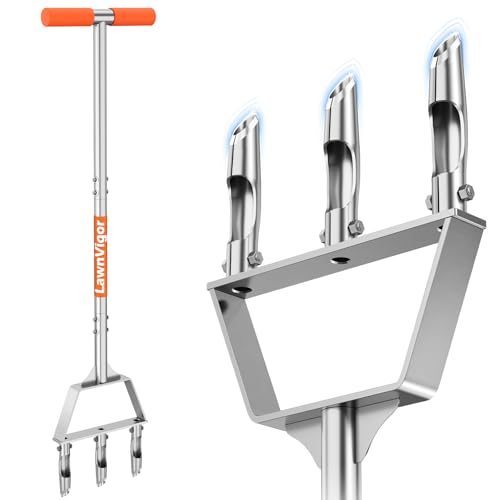
LAWN AERATOR FOR HEALTHIER LAWN GROWTH: Our manual lawn aerators promotes lush, green lawns by delivering essential air, water and nutrients deep into the soils. The lawn air aerator tool ensures healthier grass growth. (Note: Please water dry soil before use and do not rock, twist, or pry the tool side-to-side when it's in the ground.)

1.Pulls 4 Soil Cores for More Effective Lawn Aeration: Four reinforced hollow tines remove plugs from compacted ground instead of merely creating surface holes. The open channels help air, water and nutrients travel deeper into the root zone, supporting stronger roots, improved drainage and healthier grass growth.

1.Reinforced Square-Tube Step Creates a Stable Power Point: The thickened square-tube foot bar offers a firm contact surface for applying concentrated downward force. Its rigid profile helps keep the aerator steady underfoot, giving you controlled leverage when penetrating compacted soil and dense lawn areas.
Preparing for Dormancy: Final Mow Height, Timing, and Leaf Management
A solid final mow should leave the grass at 2.5–3 inches, timing for cold‑weather states, and you’ll want to do it when daytime highs consistently stay below 50 °F—usually late October to early November. Use sharp blades essential to cut cleanly; dull edges tear leaf tissue and invite disease. If your lawn has been taller, apply Gradual conditioning for height adjustment over two to three passes, never removing more than one‑third of the blade at once. Aim for a moderate cut (2.75–3.25 inches) to protect crowns and reduce snow‑mold risk. Mulch most leaves, leaving 80–90 % grass visible, and rake or bag the remainder to prevent smothering. Finish at least one week before the first frost, avoiding any mowing once frost appears. Sharp mower blades improve cut quality and reduce mower strain. Keeping blades sharp also promotes a cleaner cut that minimizes weed seed spread. Proper blade maintenance includes checking the sharpness angle before each season.
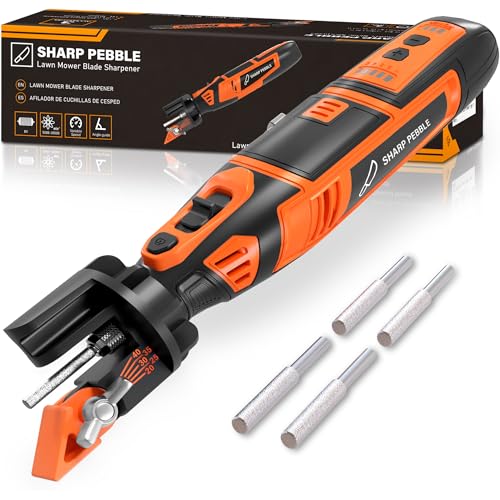
SHARPEN YOUR MOWER BLADE IN MINUTES: Blade removal is optional with this cordless lawnmower sharpener — many standard residential blades can be sharpened right on the mower, saving you the hassle of disassembly. Routine touch-ups take about 2–3 minutes per blade; badly worn edges take longer and are best done with the blade removed.
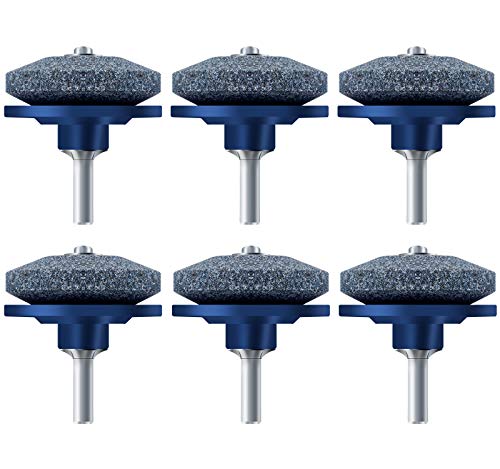
LONGEST LASTING SAVING TIME:Blade sharpener fits for most of power drills. Fast, automatic, easy, safe, strong and durable,long service life.They are designed with prefect spinning balance.Can be used many times

Fits Bad Boy: 038-5000-00, 038-5350-00, 038-5350-0050 Bunton: PC1255, PC2005, PL4055, PL4205, PL4855
Winter Lawn Care: Pause Mowing and Protect Dormant Grass
Wondering when to stop mowing? You should cease cutting once daytime temps dip below 50 °F and leaves have fully fallen, typically late October to early November. Schedule your final mow at least a week before the first frost, leaving grass at the recommended height for your turf type to aid snow mold prevention and root protection during freeze. Monitor growth; if height stays constant for weeks, pause mowing entirely. Use frost forecasts and National Centers for Environmental Information maps to confirm the pre‑frost window. Clean and store your mower after the last cut to avoid rust. Avoid cutting too short, which stresses dormant grass and increases winter kill risk. Maintain a leaf layer for insulation, but mulch if debris accumulates. Short mowing minimizes tree debris and reduces chances of winter kill. Keeping the lawn at 2.5‑3 inches helps balance disease prevention with root protection. Remember to drain fuel from the mower to prevent gasoline degradation during the cold months. Always keep the mower dry to prevent electrical hazards and rust.