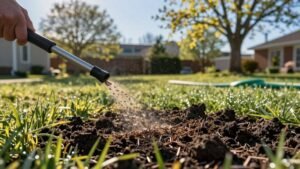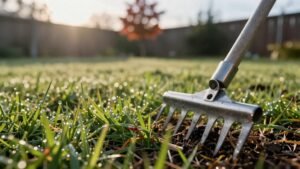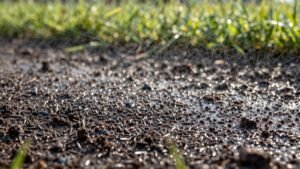

Yes, most granivorous birds—sparrows, finches, blackbirds, geese, and even squirrels—will peck at exposed grass seed, especially in the first 3‑9 days before it germinates. The kernels are easy to spot against bare soil, nutrient‑dense, and require little effort, making them an attractive snack. To protect your lawn, cover the seed with a thin straw or paper mulch, use non‑toxic bitter coatings, and set up visual or motion‑activated deterrents. Incorporating the seed into the soil and adding compost improves moisture retention and germination rates. Keep these steps in mind, and you’ll uncover more ways to safeguard your lawn.
Answer Whether Birds Eat Grass Seed – Quick Truth
If you’ve just spread grass seed on a lawn, expect birds to start eating it right away. Studies show sparrows, finches, grackles, blackbirds, ducks, and Canada geese directly consume exposed seed within minutes of application. Their granivorous habits target the seed’s high seed cholesterol content and dense seed nutrient profile, which provide rapid energy and protein. Unprotected seed remains visible on the soil surface, and the pre‑germination window of 3–9 days offers ample time for foraging. Temperature‑dependent germination delays increase exposure, while surface raking fails to hide the kernels. Consequently, a significant fraction of seed is removed before root emergence, undermining lawn establishment and requiring protective measures such as soil covering, compost, or straw mulches. Pre‑germinated seed is protected from birds. it is spread.
Why Granivores Target Fresh Grass Seed Lawns: Visibility, Barriers, and Timing
Because fresh grass seed lies exposed on the soil surface, granivorous birds spot it instantly and treat it as a high‑reward buffet; you’ll notice that the straw‑colored specks are highly visible against raked dirt, and their small size lets sparrows and finches locate them from the air. Granivore seed accessibility increases dramatically when seed density implications create a dense, uniform blanket—birds perceive it as a low‑effort, nutrient‑dense meal. Timing matters: during the 3‑to‑9‑day window after sowing, germination hasn’t begun, so the seeds remain on the surface and unprotected. Cool fall temperatures and moisture delay sprouting, extending exposure. By understanding visibility, barrier removal, and timing, you can anticipate and mitigate granivore foraging. Using reflective tape can help deter birds visually. Squirrels also often dig for seed, especially when the ground is moist and the seed is easily accessible. Mice may also sample seed when it is left on the surface, adding another layer of potential loss.
How Mulching Methods Protect Grass Seed Without Stifling Germination
Granivorous birds quickly locate fresh seed because it lies on the surface, which is why protecting that exposed layer is the next step in ensuring successful germination. You should spread a ¼‑inch layer of clean straw, paper, or light peat moss to create a thin, breathable shield. This thickness maintains mulch moisture retention while allowing light and air to reach seedlings, preventing light blockage that would stall emergence. If you use sawdust, mix it with a modest nitrogen amendment to avoid deficiency; the same thin application works on slopes when combined with biodegradable seed mats or burlap to curb erosion. Mulch debris breakdown releases organic matter, improving soil structure and nutrient availability without smothering the germinating grass.

Packaging May Vary: Same great Seeding Mulch with updated packaging!

Packaging May Vary: You will receive 2 bales of straw.

100% Natural Wheat Straw,that has been dried to ensure it is free of weed seeds and will not germinate during use.
Simple Diversion Tactics to Keep Birds Off Grass Seed
A simple way to keep birds away from newly sown grass seed is to provide them with an attractive alternative food source away from the lawn. Position ground cover alternatives such as millet, oats, or sunflower seed piles along the perimeter at least three days before seeding. Use seed coating techniques that embed a bitter, non‑toxic polymer to make the grass seed unpalatable while preserving germination. Hang reflective Mylar tape and motion‑activated sprinklers near the perimeter to create visual and auditory disturbances. Rotate fake owls or scarecrows daily to prevent habituation. Combine these diversion tactics with a lightweight bird‑proof netting that allows light penetration but blocks access. This layered approach maximizes protection without hindering seed development. Incorporating seed into soil provides better moisture retention which enhances germination. Proper soil preparation, including soil aeration, improves seed‑to‑soil contact and promotes healthier root systems. Regularly checking soil compaction can help you decide when to apply core aeration for optimal lawn health. Understanding rabbit dietary habits can also inform broader pest management strategies.

Size: Deer netting size 7 feet x 100 feet; garden netting mesh size 3/4"; color: black; Easy to use accessories included: 10pcs installation nails & 50pcs cable ties

33-feet x 6.5 feet nylon netting for plants, trees and shrubs

Protect Your Vegetables and Fruits: LCHUANG Garden Netting is great for orchards, greenhouses, gardens, nurseries, patios, and shrubs. This Bird Netting with a zipper can protect blueberries, tomatoes, trees, fruits, flowers, vegetables, and potted plants from insects, birds, and bugs, which helps the plants grow normally.
Soil‑Incorporation Tricks for Safeguarding Grass Seed
When you incorporate soil amendments correctly, you create the ideal seed‑bed that maximizes germination and early root development. Start by loosening the top 3–6 inches with a garden fork or tiller; this is the core of soil preparation methods. If the area is compacted, apply pre‑watering techniques to raise moisture to a crumbly state before aerating. Mix compost or well‑rotted manure into the loosened layer, ensuring even distribution to improve water retention and nutrient availability. Adjust pH with lime if needed, and add gypsum to heavy clay for drainage. Finally, rake the surface smooth, press lightly to eliminate air pockets, and water gently to settle the seed‑bed without displacing the grains. Use a cultivator tool to incorporate seed into the soil without damaging existing healthy grass. Knowing the recommended seeding rate helps avoid over‑ or under‑seeding, ensuring a uniform lawn. For most cool‑season grasses, planting at a depth of ¼‑½ inch promotes optimal germination. Proper timing of seeding in early fall can further enhance seedling survival and reduce weed competition.
Extra Bird‑Deterrents: Repellents, Visuals, and Sounds That Work
Three proven strategies—repellent nets, liquid sprays, and visual or acoustic devices—can keep birds from pecking newly sown grass seed. Install a thin polyurethane net a few inches above the soil; it lets water and sunlight through while forming a humane, non‑lethal barrier. Apply an EPA‑registered, grape‑seed‑based liquid repellent at a rate covering 3–5 acres per gallon; re‑spray every few days for up to two weeks to condition birds to avoid the treated zone. Add holographic bird tape that reflects sunlight and produces clacking sounds in wind, creating a dual visual‑acoustic deterrent without visual clutter. For higher efficacy, combine motion‑activated sound emitters with the tape. This professional implementation balances efficacy with budget‑friendly options, delivering a precise, practical, set for protecting grass seed. Some grass seed varieties contain toxicity risks to pets if ingested, so using bird deterrents also helps keep dogs safe. Low‑toxicity weed control methods further reduce environmental impact while protecting the lawn.
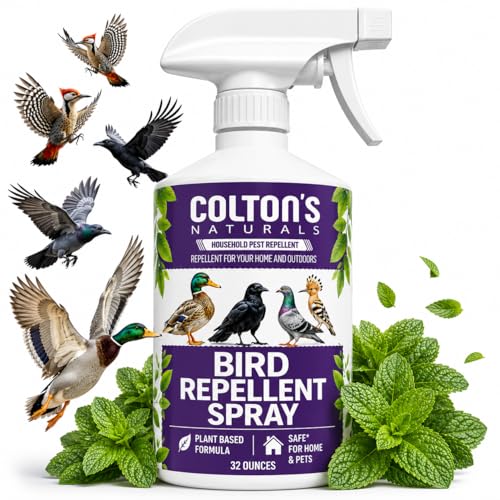
REPEL A WIDE VARIETY OF BIRDS NATURALLY: Helps deter a wide range of nuisance birds, including pigeons, seagulls, crows, geese, ducks, woodpeckers, sparrows, magpies, and more.
![Benasan [492FT] Effective Birds Scare Ribbon, Reflective Flash Reflectors to Keep Pigeons, Hawks, Woodpeckers, Geeses Away from Trees Plants Crops](https://m.media-amazon.com/images/I/51LyYJdjijL._SL500_.jpg)
Effective Birds Scare Reflective Ribbon: Keeping birds off your home and your crops and your decors and everthing on your farm or garden,no more troubles from them(Pigeons, Hawk, Woodpeckers, Geese etc), giving your a quiet life.

【PROTECT YOUR PROPERTY】Our bird scare tape ribbon is made of high-quality thick and ultra-durable materials to ensure its durability and service life. The reflective tape for birds has high reflectivity and can be used continuously for a long time. The best way to win the battle against pigeons, woodpeckers, herons, blackbirds and much more!