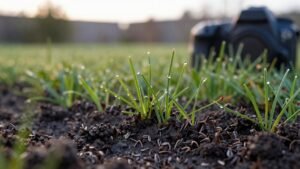

Pick a seed blend suited to your zone, then dethatch and rake away debris. Mow the existing grass low—about 1‑2 inches—and bag the clippings. Aerate with ⅜‑⅝‑inch cores, remove the plugs, and top‑dress with compost. Spread the seed and a starter fertilizer evenly, lightly rake to embed seed to the top ¼ inch, and water before sunrise and after sunset, keeping the soil damp but not soggy. After germination, shift to deep, infrequent watering and protect the area from foot traffic; the next sections will show you how to fine‑tune each step.
Choose the Right Seed Blend for Your Lawn
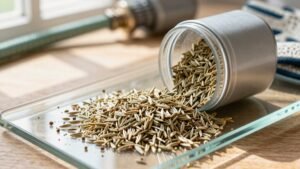
Which seed blend suits your climate and lawn conditions? Assess temperature range, moisture, and sun exposure, then match those parameters to the appropriate species mix. For cool‑season zones, select a blend that pairs Kentucky bluegrass with perennial ryegrass and fine fescue; this combination delivers dense turf, rapid germination, and shade tolerance. In warm‑season areas, choose a Bermuda‑based mix that incorporates drought‑tolerant cultivars and a fine‑leaf fescue for low‑light spots. Verify that the product meets seed quality standards: ≥ 90 % germination, 0 % weed seed, 0 % crop content, and minimal inert matter. Review blend recommendations and features such as disease resistance, traffic durability, and heat tolerance to corroborate the selected blend aligns with your lawn’s performance goals. Understanding soil texture helps refine blend selection for optimal root development. Grass plants naturally produce seed heads that can be harvested for overseeding. The pollination process of mature grass plants results in the formation of viable seeds that can be collected for lawn renovation.

HEAT TOLERANT GRASS SEED - Our cool-season grass seed mix contains tall fescue and Texas bluegrass. This turfgrass mix performs best in full sun to lightly shaded growing conditions and has the ability to tolerate heat up to 100°F.

DROUGHT TOLERANT GRASS SEED - Black Beauty Original grass seed produces grass roots that can grow up to 4-feet deep for superior drought tolerance. The waxy coating on the leaves helps preserve moisture when hot.

Turf Type Tall Fescue |Cool Season & Transition Zone Grass Seed
Dethatch & Remove Debris to Prepare for Overseeding
A thin layer of thatch—typically a quarter to half an inch of brown, dead material—blocks air, water, and nutrients from reaching the root zone, so you must remove it before overseeding. First, assess the optimum thatch thickness; if it exceeds half an inch, schedule a lawn dethatch. Use a leaf rake with metal tines, keeping the tines angled upward. Perform backward and forward strokes, pulling the rake gently to lift the brown material without digging into roots. Collect the debris with a leaf rake or power rake equipped with a catcher, then bag or compost it. Guarantee the soil surface is exposed and free of organic clippings, creating direct seed‑to‑soil contact. This precise dethatching and debris removal prepares the lawn for uniform germination and rapid recovery. Dethatching also improves soil aeration, which enhances root development. Proper timing ensures the best results. Aeration helps relieve compacted soil, allowing roots to access more oxygen and nutrients. Regularly aerating the lawn before dethatching can further increase soil porosity and promote healthier root systems.
Mow Low & Bag Clippings for Overseed Lawn Prep
Since you’ll be overseeding, mow the existing lawn lower than usual—typically cutting the height by about one‑third—to expose the soil surface and reduce seed entanglement in long blades. Use a sharp blade and set a stagger mowing schedule: cut three days before the final low cut, then cut again one day before seeding. Immediately bag all clippings; this prevents clumps that block seed‑to‑soil contact and eliminates shade on the new seeds. After bagging, walk the area with a leaf blower if necessary to clear residual debris. Throughout the process, monitor soil moisture, ensuring the ground stays damp but not saturated, which promotes germination and prevents seed desiccation. This precise preparation maximizes seed exposure and establishes excellent conditions for a thick, uniform lawn. Mow before watering is essential to avoid cutting wet grass, which can cause uneven cuts and increase the risk of disease. Follow the one‑third rule to keep the lawn healthy and encourage dense turf growth. Maintaining a proper mowing frequency during the establishment phase helps prevent weed invasion and supports consistent grass development.
Aerate & Amend Soil Before Overseeding
A solid foundation for successful overseeding starts with properly aerating and amending the soil. Begin by scheduling test timing two to three weeks before you aerate; this window lets you act on soil testing benefits without rush. Collect a sample, send it to a county extension, and note pH, nutrient levels, and texture. If results show pH below 6.0, spread lime; if above 7.0, apply sulfur. After amendment, dethatch any thatch thicker than half an inch using a manual or power dethatcher, then rake to loosen the top layer. Water the lawn one to two days before aeration, aiming for a moist but not soggy surface. Run a core aerator with ⅜‑ to ⅝‑inch cores, penetrating at least 1½ inches, and remove the plugs. Finally, top‑dress with compost to improve structure, buffer pH, and supply slow‑release nutrients. Soil testing is essential for identifying nutrient deficiencies and pH imbalances before you begin. Aeration also relieves soil compaction and enhances root penetration. Consider using a core aerator to create larger holes that promote deeper root growth. Properly calibrate mower deck ensures even cutting and optimal mower performance.

Bio-Powered Aeration Without Heavy Labor: Designed for homeowners with compacted or clay soil, our liquid aerator for lawns uses beneficial microbes to loosen soil and improve airflow; no core aerator, raking, or back-breaking work required
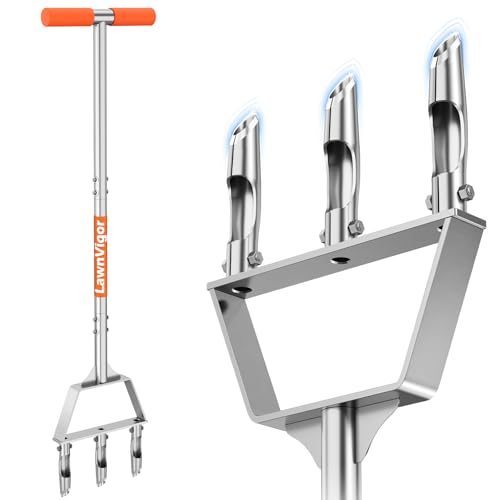
LAWN AERATOR FOR HEALTHIER LAWN GROWTH: Our manual lawn aerators promotes lush, green lawns by delivering essential air, water and nutrients deep into the soils. The lawn air aerator tool ensures healthier grass growth. (Note: Please water dry soil before use and do not rock, twist, or pry the tool side-to-side when it's in the ground.)

Deeper Aeration: The lawn aerator features angled coring tines that cut through hardened soil, pulling out 3-in deep soil plugs. Wide side slots help prevent clogging. Deeper aeration delivers oxygen, water, and nutrients to the roots
Spread Seed & Starter Fertilizer for Successful Overseeding
When you mow the lawn to a height of 1–2 inches and bag the clippings, you create a clean, low‑profile surface that maximizes seed‑to‑soil contact and eliminates debris that could block the starter fertilizer. First, choose a spreader that matches your lawn size—broadcast for large areas, drop or hand for smaller zones. Consult the manufacturer’s chart and select appropriate spreader settings based on seed weight and desired coverage; two passes at half the recommended setting guarantee uniform distribution. Next, apply starter fertilizer evenly across the entire lawn, either before or immediately after seed broadcast. Use a balanced N‑P‑K blend with higher phosphorus, avoiding high‑nitrogen products. Finally, make a light rake pass to work seed into the top ¼ inch of soil, ensuring consistent seed‑to‑soil contact. Bag clippings during this month to prevent nutrient loss and improve seed germination. Proper timing of overseeding, especially in early fall, takes advantage of optimal soil temperature for faster germination. Planting in the cool season promotes deeper root development and better drought resistance.

OPERATION: Adjustable arm support on this seed, salt and fertilizer spreader helps provide maximum comfort

NO ASSEMBLY REQUIRED: Scotts spreader comes pre-calibrated and ready-to-use with a fold-down handle for easy storage; use it year-round including as an ice melt spreader or salt spreader for snow

Lawn fertilizer spreader for evenly distributing grass seed, fertilizer, salt, and ice melt in outdoor areas
Lightly Water Frequently Until Overseeded Grass Germinates
If you keep the soil surface continuously damp, the overseeded grass will germinate reliably; consequently, water lightly and frequently—typically two to four short sessions per day for the first one to two weeks—ensuring each application wets the top inch of soil without creating standing water. Schedule waterings before sunrise and after sunset to limit evaporation, aiming for 8 AM, 12 PM, and 3 PM when three sessions are feasible. Apply just enough pressure to infiltrate 0.5–1 inches within an hour per lawn section, avoiding runoff or submerging seedlings. Use a moisture meter or tactile test to monitor soil moisture levels and adjust duration to maximize watering efficacy. Keep the top inch uniformly damp, watch for dry spots, and eliminate standing water to protect germinating seed. Frequent watering helped the seeds germinate within seven days due to warm temperatures and consistent moisture. Maintaining consistent moisture is essential for preventing seed rot while encouraging rapid germination. Proper soil temperature is also crucial, as seeds germinate best when the soil is between 55 °F and 65 °F. Pre‑germinated seed can further accelerate establishment by providing already sprouted seedlings ready for transplant.
Switch to Deep, Infrequent Watering as Grass Grows
Two to three deep‑watering sessions per week replace the earlier light‑frequency schedule once the overseeded grass has established seedlings. Begin each session by applying enough water to wet the soil 6–8 inches deep, ensuring the moisture front reaches the root zone beyond the surface layer. Use a screwdriver or soil probe 30 minutes after irrigation to verify that the soil is easily penetrable. Water early in the morning; skip days after rain to prevent saturation. This regime promotes deep rooting and avoids shallow watering, which limits root depth and encourages weeds. Adjust frequency for soil type—sandy lawns may need two sessions, clay lawns one. Aim for a total of 1–1.5 inches per week, monitoring moisture to maintain ideal drought resilience and heat tolerance. Consider the evapotranspiration rate when planning water amounts to match seasonal climate demands. Properly calibrating irrigation based on soil water holding capacity helps prevent both under‑ and over‑watering. Selecting the appropriate sprinkler type can further enhance water efficiency and coverage uniformity.
Shield New Grass From Foot Traffic Until It’s Established
To protect newly overseeded grass from foot traffic, install temporary walkways—such as rubber or woven‑polypropylene mats, stepping stones, or grass‑protection mesh—in high‑traffic zones, securing them with cable ties or built‑in connectors so the soil beneath remains uncompacted and the seedlings can develop undisturbed. Lay interlocking rubber mats (7/16‑inch standard or 9/16‑inch heavy‑duty) covering 420 sq ft per roll, positioning them near entertainment areas. Distribute foot traffic by creating distinct zones for dining, games, and lounging; arrange seating in circular patterns and rotate zones to prevent overuse in single spots. Block off sensitive zones with barriers and signage, rerouting traffic onto existing patios or hardscape alternatives. Maintain uniform lawn appearance by keeping paths clear and ensuring new grass remains protected until root systems are established. Compact soil can hinder seed germination, so ensure the area is lightly loosened before laying mats. Consider using bird‑repellent sprays to deter birds from pecking at the seed while it germinates.

【Premium Material】 ToLanbbt interlocking floor anti-fatigue floor mats are constructed of blend of thickened PVC, with moderate softness and hardness, no special odor sustainable and durable.

[Fast Drainage] Keep wet floors cleaner, drier and safer with an open-grid drainage design that quickly channels away water, soap and debris to help reduce standing water and improve traction. Perfect as an outdoor shower mat, pool mat, garage floor tiles, boat flooring or drainage mat for residential and commercial spaces.
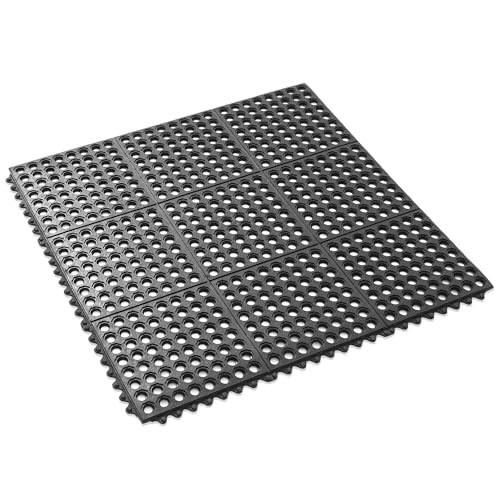
Heavy-duty construction: Built to withstand the rigorous demands of busy commercial environments. The robust rubber material is designed for long-lasting durability, ensuring these restaurant floor mats remain effective and reliable even under constant use and heavy foot traffic.
Watch Lawn Growth & Add Follow‑Up Fertilizer
While the new seedlings are still fragile, monitor their height and density daily; record measurements each morning to detect trends. Use a ruler or calibrated app to verify that blades reach 2‑3 inches by the second week and 3‑4 inches by the fourth. When the canopy fills to 50 % coverage, you can confidently watch lawn growth and plan nutrient support. At the three‑week mark, after seedlings have progressed from delicate to robust, add follow up fertilizer. Choose a balanced, slow‑release formula with 20‑30 % nitrogen, apply at 0.5 lb per 1,000 sq ft, and water lightly to activate. Continue weekly observations, adjusting irrigation if growth slows, and avoid mowing until blades exceed 3 inches.

Easy to Use: Our 28-0-0 Lawn Fertilizer Food comes with an attached sprayer that applies the perfect ratio of product for lawn applications. Covers up to 3,200 square feet, when using the attached sprayer

Feel Proud of Your Lawn: Slow release fertilizer packed with 65% granular nitrogen - this spring lawn fertilizer feeds up to 110 days for deep green grass and lush growth you’ll love coming home to

Pro-Grade Nutrient Formula - Slow-release nitrogen for steady feeding and sustained dark green color — trusted by lawn professionals for premium results.