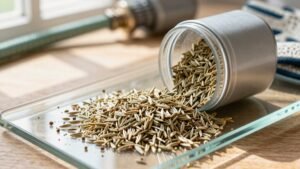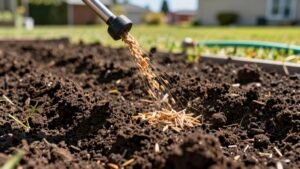

You can definitely damage your lawn by over‑fertilizing it. Excess salts from fast‑release nitrogen, phosphorus, and potassium accumulate in the root zone, creating toxic concentrations that burn grass and disrupt pH, locking out essential nutrients. The resulting osmotic imbalance dehydrates blades, while rapid, weak growth leaves roots shallow and vulnerable to disease and pests. Watering with at least an inch daily for a week can leach the salts, but proper rates, timing, and slow‑release products are key to preventing further injury.
What Causes an Over‑Fertilized Lawn?
When you apply more fertilizer than your lawn can safely absorb, you create a cascade of chemical imbalances that damage the turf. Excess salts from the product accumulate in the root zone, reaching toxic concentrations that impede water uptake and kill beneficial microbes. This salt accumulation also forces moisture away from blades, causing wilting despite adequate irrigation. Simultaneously, the nutrient surplus disrupts pH, locking out essential elements and triggering nutrient depletion of those not over‑supplied. The imbalance forces grass to grow rapidly but with weak roots, leaving it vulnerable to disease and pests. Ultimately, the combined effects of salt buildup, pH shift, and nutrient lockout erode turf resilience and stunt healthy development. Over‑application can also lead to reduced herbicide potency as the excess nutrients interfere with the chemical’s mode of action.
Why Does Excess Nitrogen Make Grass Burn?
The salt buildup that follows over‑fertilization doesn’t just choke roots—it also triggers a rapid osmotic imbalance that burns the grass. When you apply excess nitrogen, fast‑release salts such as ammonium nitrate and potassium chloride accumulate faster than the soil microbes can break them down. This salt accumulation impact forces water out of root cells, creating dehydration that mimics drought even while the soil stays moist. The resulting nitrogen burn causes cells to lose turgor, turning blades brown and brittle. In hot, dry conditions, the osmotic pull intensifies, and the grass releases water back to the soil, accelerating tissue desiccation. Consequently, you see scorched patches, weakened roots, and a thin, yellow‑brown turf. Applying fertilizer when soil temperatures exceed 85°F can exacerbate these effects, leading to nutrient burn and further stress on the grass. Proper timing of fertilizer applications can also help prevent weed seed germination by limiting nutrient availability when weeds are most vulnerable. Soil pH adjustments with lime can reduce the availability of certain nutrients, indirectly influencing weed growth.
How to Spot the First Signs of Over‑Fertilization
Spotting the first signs of over‑fertilization means watching for a suite of physical cues that appear almost immediately after application. You’ll notice a white salt crust on the soil surface and a hardened, crusty texture underfoot, indicating salt accumulation. A powdery fertilizer residue may coat the grass, while excessive thatch buildup forms a dense, spongy layer that traps moisture. The soil feels compacted, and water runoff leaves yellow or brown streaks that trace application patterns. You may also detect a lingering chemical odor and see rapid, weak, spindly grass blades that fail to develop robust root systems, leading to stunted root growth. These technical indicators appear quickly, matching the fertilization method and signaling nutrient overload before visual discoloration or weed proliferation emerges. Regularly cleaning the mower deck prevents grass clinging and improves airflow, reducing the risk of excessive thatch formation. Proper air, water, nutrient penetration is essential for a healthy lawn.

🌱【Preparation Before Lawn Aeration】Before using the lawn aerator, mow the grass to an appropriate height and check the soil moisture. If the soil is dry and compacted, water it 1-2 days in advance to soften it, as hard soil will make penetration difficult. If the soil is overly wet and muddy, wait a few days until the moisture level is moderate. The ideal soil condition should be moist and loose , allowing the aerator to penetrate smoothly for optimal results.

[Built-in dual-layer Spring Design] The lawn aerator tool adopts an innovative built-in spring double-layer structure, which enables it to have a self-cleaning function. The yard aerator can automatically remove dirt and other debris attached to the sharp edges, eliminating the inconvenience of having to bend over to clean the debris during the use of traditional models. Moreover, this structure ensures a smooth, efficient and labor-saving dethatching process.Great helper for dad’s garden.

【Preparation Before Aeration】:Before using the Saker lawn aerator, trim the lawn and check soil moisture. Soft soil allows easier penetration and helps the tool deliver optimal aeration results for healthier grass.
Key Symptoms: Yellow Tips, Scorched Patches, Stunted Growth
If you see grass blades ending in dry, straw‑like tips that turn brown or yellow, that’s a classic sign of over‑fertilization—high‑nitrogen or quick‑release formulas pull moisture from the leaf edges, creating uneven, scorched‑looking streaks. You’ll also notice isolated scorched patches where foliage turns brittle, brown, or yellow, often with a faint crust of excess salts on the soil surface. Stunted growth appears as thin, frail shoots that fail to elongate despite fertilization cues, while root systems become dark and brittle. These symptoms indicate heightened disease susceptibility, inviting Fusarium blight, gray leaf spot, and snow molds. Additionally, nutrient runoff and soil crusting contribute to environment harm, disrupting microbial balance and increasing runoff into nearby waterways. Over‑application can also lead to nutrient , which can be monitored through a soil test to adjust future fertilizer rates.
Immediate Treatments to Rescue Burned Grass
When you notice scorched, straw‑like tips and brown patches, act quickly: water the lawn with at least an inch of water each morning for the next week to leach excess salts, then rake away any visible granular fertilizer and dead grass, inspect root health after the first soak, and, if roots are dead, prepare the site with a thin topsoil layer before overseeding or resodding the damaged zones. Follow a strict watering protocol—morning applications, even distribution, and continued soaking for 7‑14 days—to flush residual nitrogen. Conduct a thorough root examination after each soak; green, flexible roots signal post‑damage recovery, while brittle, dry roots demand replanting. Rake away dead material, spread a modest topsoil blanket, and seed or sod only after salts are cleared. Monitor germination and adjust moisture to sustain new growth. Remove all dead damaged grass using scissors before adding topsoil. Applying a light pre‑emergent barrier after the lawn recovers can help prevent future weed invasions. Never reuse oil from a lawn mower without proper filtration. Always check local hazardous‑waste regulations before discarding any leftover chemicals, and use approved collection points for safe disposal.

LAWN BARE SPOT REPAIR: Scotts PatchMaster Lawn Repair Mix Sun + Shade Mix is a combination mulch, seed, and lawn fertilizer product specifically designed to provide all-in-one bare spot repair and grass patch repair for lawns

This pack of lawn seeds is ideal for new lawns, overseeding and lawn repair

SUN AND SHADE GRASS SEED: This combination lawn seed, grass fertilizer, and soil improver thrives in a variety of conditions
Fixing Soil Structure After Fertilizer Damage
Restoring soil structure after fertilizer damage hinges on a systematic assessment followed by targeted remediation. You begin with a soil assessment to identify chemical residues and determine the specific soil enzyme augmentation blend needed. After applying the enzyme formulation, you leach excess salts with deep, clean watering, repeating until drainage improves. Next, incorporate 2–3 inches of well‑decomposed compost into the top 6‑8 inches, then mulch with shredded leaves and a thin grass‑clipping layer to foster microbial repopulation strategies. Plant a mixed cover‑crop blend—legume, deep‑rooted mustard or chicory, and rye/oat—to create root networks that synergize with enzymes, breaking down residues and rebuilding structure. Avoid over‑digging to preserve fungal hyphae, allowing microbial communities to reestablish and stabilize the soil matrix. Slow watering with clean, preferably rain or filtered water helps leach soluble salts from the root zone. Proper aeration can also soil compaction and improve nutrient uptake.
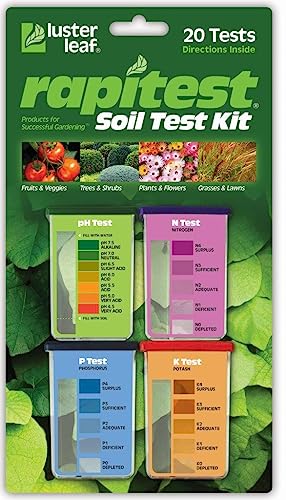
Quick, at home results for Soil pH, Nitrogen, Phosphorous and Potash Innovative and inexpensive soil test kit features an easy-to-use capsule system and patented color comparators

KNOW BEFORE YOU GROW | Grow the healthiest, sustainable lawn and garden with the most accurate and easy to use professional soil test kit on the market

Comprehensive 4-in-1 Soil Analysis: Test pH, Nitrogen, Phosphorus & Potassium in One Kit – Gain a complete understanding of your soil's condition with a single kit. Measure key parameters to help optimize your garden's growth potential, whether for flowers, vegetables, or lawns
Long‑Term Prevention: Proper Application Rates
After rebuilding soil structure, the next step is to keep the lawn from being over‑fertilized again by sticking to precise application rates. You must cap each single application at 0.6 lb N per 1,000 ft², using calibrated spreaders that factor fertilizer‑percentage and lawn area. Split the annual allowance—no more than 1.8 lb N per 1,000 ft²—into two to three seasonal applications of roughly one pound N each. For full‑sun lawns, aim for about three pounds N per season; shade lawns receive half that amount. Track annual nitrogen totals meticulously, ensuring you never exceed the 1.8 lb threshold. This disciplined schedule curtails leaching, protects groundwater, and maintains a resilient, healthy turf. Proper timing aligns with the seasonal fertilization schedule to maximize nutrient uptake. Using a balanced blend that includes phosphorus for root development helps sustain long‑term soil health. Adjust fertilization based on soil test results to avoid excess nutrients.

OPERATION: Adjustable arm support on this seed, salt and fertilizer spreader helps provide maximum comfort

NO ASSEMBLY REQUIRED: Scotts spreader comes pre-calibrated and ready-to-use with a fold-down handle for easy storage; use it year-round including as an ice melt spreader or salt spreader for snow

64-OUNCE BOTTLE: high-capacity poly bottle with a wide opening and easy screw top, quickly remove the lid to add your preferred seed, salt, fertilizer, etc. and simply screw back into place
Choosing Slow‑Release Fertilizers for Healthy Lawns
Choosing slow‑release fertilizers lets you feed your lawn steadily over weeks or months, avoiding the rapid nutrient spikes that cause uneven growth and over‑fertilization. You’ll start with proper soil testing to determine existing nitrogen, phosphorus, and potassium levels, then select a formulation—organic (compost, feather meal) or synthetic—that matches the deficiency profile. Because the granules dissolve slowly, each application sustains nutrient release for 8–12 weeks, so you can schedule the timing of application at 8‑10‑week intervals rather than the 4‑6‑week cadence required for quick‑release products. This steadier supply encourages deep root development, reduces mowing frequency, and minimizes leaching. By aligning dosage with soil test results and seasonal growth patterns, you maintain uniform vigor while curbing over‑fertilization risk. Proper storage can further extend effectiveness fertilizer preventing nutrient loss from exposure to heat and moisture. Applying fertilize during the early spring window takes advantage of the lawn’s natural growth surge.

Boosts Evergreen Vitality: Specially designed for acid-loving trees and shrubs, this fertilizer ensures lush foliage and steady growth for plants like arborvitae, azaleas, and pines.

Super-fine particles provide even distribution, with twice the number of particles per square foot

🌿 Balanced 10-10-10 Granular Fertilizer for Outdoor & Indoor Plants: All-purpose plant food with 10% Nitrogen, 10% Phosphorus, and 10% Potassium. Perfect for outdoor vegetable gardens, fruit trees, evergreens, shrubs, lawns, and flowers. Also great for potted plants and indoor gardening. One solution for all your plant needs!
Frequently Asked Questions About Over‑Fertilized Lawns
If you notice yellowing blades, brown tips, or rapid but weak growth, you’re likely dealing with over‑fertilization, and the underlying causes—excessive soluble salts, nitrogen toxicity, and moisture‑draining osmosis—can quickly damage root systems and invite pests. You may ask how to diagnose severity; look for scorched patches, wilting, and stunted new shoots within days of application. Why does it happen? Over‑application of soluble nitrogen raises salt concentration, reverses osmosis, and locks out essential nutrients, disrupting the ideal nutrient balance. How can you prevent recurrence? Adopt sustainable lawn management by testing soil pH, using slow‑release formulas, and calibrating rates to match grass species and climate. If damage is extensive, overseed and irrigate lightly to restore root vigor. Excessive nitrogen can also lead to thatch buildup, requiring additional dethatching services in spring. Proper timing based on soil temperature ensures nutrients are absorbed efficiently. Apply fertilizer during the early spring window when soil temperatures consistently reach 50‑55 °F to maximize uptake. Understanding the role of soil microbes can further guide balanced fertilization practices.