
Grass seeds start in the ovules of flowering grasses, where double‑fertilization creates a nutrient‑rich endosperm and a dormant embryo that matures inside a protective seed coat. Most U.S. cool‑season seed—like Kentucky bluegrass, perennial ryegrass, and fine fescue—comes from the Willamette Valley‘s cool, moist winters and mineral‑rich soils, which favor high‑volume, low‑pest production. The seeds are harvested at the dough stage, air‑dried, cleaned, and stored under airtight conditions. If you keep going, you’ll uncover how breeding, coatings, and testing shape today’s seed quality.
Explore the Evolution of Grass Seed
When you trace the origins of a grass seed, you find that its evolution is rooted in a tightly coordinated double‑fertilization event within the flower’s ovule. The ancient grass progenitor species first mastered this process, pairing one sperm with the egg to form a zygote and the other with the central cell nuclei to generate a primary endosperm nucleus. Over millions of years, selective pressures refined the endosperm’s nutrient allocation, leading to the compact, efficient seed structure seen today. This evolutionary path to modern grass seed involved incremental changes in seed coat thickness, dormancy mechanisms, and dispersal adaptations, each enhancing survival across diverse habitats. Consequently, the mature seed now houses a dormant embryo and a nutrient‑rich endosperm, ready to germinate when conditions permit. Modern turf varieties are often bred for enhanced germination rates, ensuring rapid lawn establishment. Proper storage conditions such as cool, dry environments are essential to maintain seed viability over time. A simple paper towel germination test can quickly reveal seed viability before planting.
Why the Willamette Valley Is the Seed Capital
Because the Willamette Valley sits at a latitude that delivers cool winters, moist springs and dry summers, it creates the ideal climate for cool‑season grass seed production. You’ll notice the temperate, wet winters extend the growing season, letting seedlings mature fully before arid summers trigger pollination and seed‑head development. The valley’s poorly drained, mineral‑rich soils—shaped by surrounding mountain ranges and the Willamette River—favor ryegrass and other cool‑season species, while natural pest resistance reduces chemical inputs. Decades of breeding programs, backed by century‑old expertise, enable sustainable farming practices that preserve seed viability without artificial drying. Consequently, two‑thirds of U.S. cool‑season grass seed originates here, cementing the region’s status as the world’s grass‑seed capital. Efficient seed distribution requires calculating seeding rates to match lawn density and soil conditions. Understanding seed coverage helps ensure uniform growth across the yard. The high protein content of these seeds supplies essential amino acids that support vigorous root development.
Key U.S. Grass Species for Seed
What makes the U.S. turf landscape so diverse? You’ll find Kentucky Bluegrass thriving in northern states and Ohio, its narrow, boat‑tipped blades forming dense rhizome mats; top cultivars like Midnight II, Absolute, and Blue Knight dominate. Perennial Ryegrass, common in Michigan and Ohio, establishes quickly from its nodding soft seed heads—Mach 1, Blazer IV, and Gator 3 are prized for disease‑resistance mixes with bluegrass. Tall Fescue, the most widespread in Michigan and Ohio, offers deep roots, drought tolerance, and fine texture; Rebel Exeda, Avenger, and Falcon IV excel in boundary zones. Fine Fescue varieties, shade‑ and drought‑tolerant, serve low‑maintenance northern lawns and are part of the NTEP evaluation. Zoysia, hardy and drought‑resistant, suits southern states and fringe areas with its stiff, slow‑establishing blades. All these species benefit from key growing regions and rigorous seed certification programs that guarantee genetic purity and performance. The visual guide highlights the oval‑shaped seed texture and color variations typical of each species. Proper soil testing ensures optimal nutrient balance for each grass type. Selecting the right blend also depends on understanding the local climate’s temperature range and rainfall patterns.
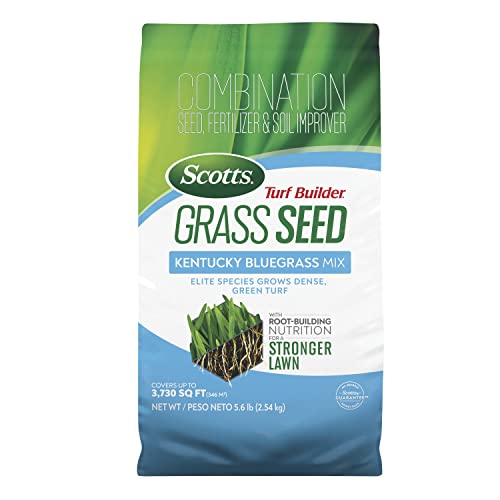
STRONGER LAWN FROM THE ROOTS UP: Kentucky Bluegrass seed with our Root-Building Nutrition, a combination of expertly crafted ingredients, helps establish deep roots to grow a thick, green lawn

Pennington Smart Seed contains just the right amount of fertilizer to help your lawn succeed

Kentucky 31 Tall Fescue is the original turf for your home
How Each Species Is Grown and Harvested
Kentucky Bluegrass, Perennial Ryegrass, Tall Fescue, Fine Fescue, and Zoysia each follow a tightly timed harvest schedule that hinges on seed maturation stages. You swath when 75 % of seed heads reach the medium‑to‑hard dough stage, usually 20‑30 days after bloom, and you prefer early‑morning or late‑night work to let dew keep seeds attached and prevent shattering. After cutting, you lay rows for ten days, allowing air circulation and drying while maintaining enough moisture to keep seeds on the stems. Then you run a modified combine set at 125 mm height; it separates seed from straw, provided the crop is dry. The seed moves to ventilated barns for cool air drying, then to a cleaning plant where sieves and air classifiers remove weed seeds, chaff, and non‑viable material. Finally, you store the clean seed in airtight containers, using seed processing techniques and timely harvesting practices to preserve viability and purity. Seed heads should look tan in color. Bermuda grass typically begins to sprout within 7 to 14 days under optimal warm temperatures and adequate moisture. Proper soil moisture management during the drying phase helps prevent mold growth and maintains seed vigor. Parallel seeding can significantly reduce establishment time when multiple varieties are combined.
How Selective Breeding Shapes Modern Grass Seed
Selective breeding has turned ordinary grasses into high‑performance turf by repeatedly crossing plants that exhibit desired traits and saving only their best seed. You’ll see that breeders start by mass‑selecting diverse plants, then narrow the pool over three‑year cycles, crossing elite lines with wild or region‑specific germplasm. By year 7 they create synthetic lines that embody stress tolerance, wear resistance, and low mowing height, then test those lines against existing cultivars under drought, heat, and traffic stress. The process aligns with customer satisfaction goals, delivering turf that stays green, dense, and low‑maintenance. Simultaneously, cultivar diversification strategies preserve genetic breadth, ensuring stability and adaptability while maintaining non‑GM purity for the market. This rigorous, multi‑year refinement yields the resilient, water‑efficient seeds you purchase today. Understanding climate zone compatibility helps homeowners choose the right grass for their region. Coated seed often includes protective polymers that shield seeds from predation and environmental stress. Landscape fabric can further enhance seed establishment by reducing weed pressure.
Why Seed Coatings Matter: Fungicides, Moisture‑Lock, Mycorrhizae
Selective breeding gives you the high‑performance turf you buy, but the seed’s fate hinges on the coating that protects and fuels it. You’ll find bioenhanced coatings that blend fungicides, moisture‑lock carriers, and mycorrhizal inoculants. Balancing fungicides is critical: contact agents like Sedaxane are benign to AM fungi, whereas systemic compounds such as Metalaxyl can suppress colonization, especially on legumes. Vermiculite, perlite, and xanthan gum create a hydrophilic matrix that holds water, while humic acid stimulates root growth and microbial activity. Mycorrhizal blends—e.g., BioCoat Gold or Spectrum+Myco—extend the root network, improving nutrient uptake and reducing fertilizer demand. Applied at 1–2 oz per 50 lb seed, these coatings boost emergence, vigor, and disease resistance without compromising beneficial soil microbes. Proper seed depth is essential for optimal germination, as planting too deep can limit oxygen and moisture availability, while planting too shallow may expose seeds to drying and predation, especially for cool‑season grasses that thrive at a ¼‑½ inch depth.
Trace Seed Origins With Quality Testing
When you trace a seed’s origins, you start with rigorous quality testing that quantifies purity, viability, and genetic identity. You collect a representative bulk sample, then apply seed sampling protocols to divide it into subsamples for purity analysis, germination testing, and genetic assays. Purity tests, performed by independent labs under AOSA or ISTA rules, report weight percentages of pure seed, inert matter, and contaminants such as weed seeds or noxious species. Viability is gauged with standard germination trials and tetrazolium staining, yielding a high pure live seed (PLS) value that predicts field performance. Genetic purity is confirmed via DNA fingerprinting or greenhouse grow‑outs. Results feed into the seed certification process, which issues a label documenting variety, purity, germination, and any special tests, ensuring traceability and compliance. No single test can provide all information about seed quality. The high cost of quality grass seed is driven by premium genetics and the labor‑intensive processes required to produce it. Applying a thin layer of peat moss over seeded areas helps retain moisture and protect seeds during germination.
Historical Milestones That Shaped Grass‑Seed Production
The evolution of grass‑seed production hinges on a series of pivotal milestones that transformed a modest colonial commodity into a high‑tech agricultural sector. You’ll notice that early colonial land grants spurred settlers to import “June grass” and Kentucky Bluegrass, creating the first market for pasture seed in the 1600s. By 1839 the USPTO’s seed‑distribution program and the 1862 USDA launch amplified outreach, sending billions of packets and funding steam‑powered cleaning mills. World War II forced a shift: U.S. growers replaced Denmark, boosting Virginia orchard‑grass output from 1.7 M lb (1940) to 2.7 M lb (1943). After the war, post‑WWII seed industry expansion accelerated breeding, exemplified by the 1957 ‘U‑3’ bermudagrass release and the 1970 Plant Variety Protection Act, which together laid the foundation for modern, high‑yield grass‑seed systems. The first practical mower dramatically increased the efficiency of lawn maintenance, spurring demand for higher‑quality grass seed. Selecting the right mower can also affect seed establishment, as a self‑propelled model provides consistent cut height across uneven terrain.
Answer Common Questions About Buying Grass Seed?
Milestones in grass‑seed production set the stage for today’s purchasing decisions, so understanding the science behind the product helps you choose wisely. When you evaluate seed buying considerations, start by checking the variety’s breeding lineage; a 15‑year development cycle guarantees disease resistance and yield. Verify that the seed passed through breeders, pre‑basic, basic, and certified stages, ensuring 99.9 % purity and weed‑free status. Geographic seed sources matter because climate influences seed dormancy and germination; choose a supplier whose production fields match your region’s temperature and moisture patterns. Look for documentation of seedbed preparation, drying to 12 % moisture, and cleaning protocols. Finally, compare sowing rates—commercial crops use ~1 g m⁻² versus lawn rates of 25‑35 g m⁻²—to gauge cost‑effectiveness and expected performance. 60,000 grass plugs are cloned annually for research, ensuring a robust genetic base for new varieties.

Sun and shade grass seed for use in full sun to medium-shaded areas

SUN AND SHADE GRASS SEED: This combination lawn seed, grass fertilizer, and soil improver thrives in a variety of conditions
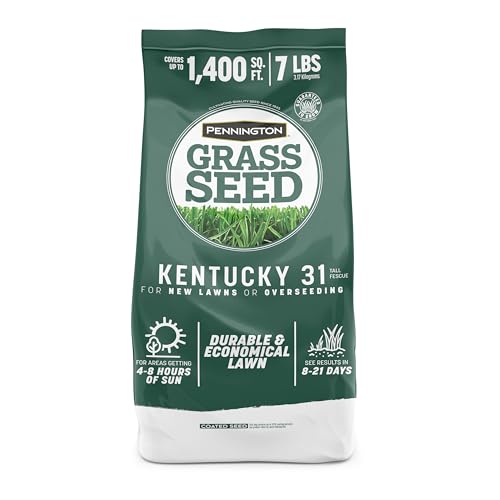
A grass seed for lawns that grows thick blades of grass that stand up to hot summers and heavy rains