
You should aerate your lawn at least once a year, but increase to twice yearly if you have heavy traffic, clay soil, or cool‑season grasses. Sandy soils can go two to three years between treatments unless traffic is high, while loam typically needs aeration every two to three years. Align aeration with peak growth—late spring for warm‑season grasses and spring/fall for cool‑season varieties. If you follow these guidelines, you’ll keep the soil porous and roots thriving, and the next sections will show how to fine‑tune timing for your region.
Why Aeration Matters for a Healthy Lawn
Because compacted soil blocks air, water, and nutrients, a healthy lawn depends on regular aeration. You remove small cores, breaking up dense layers and creating channels for gas exchange. This process delivers oxygen to roots, lets water infiltrate instead of runoff, and enables fertilizers to reach the root zone, producing immediate lawn maintenance benefits. Aerated soil supports stronger, deeper roots, which improve drought tolerance and disease resilience. The added porosity accelerates microbial activity, hastening thatch breakdown and enhancing soil health improvements. As roots expand through the holes, turf density rises, yielding a thicker, greener appearance. Overall, aeration restores soil structure, boosts nutrient uptake, and fortifies the lawn against environmental stress. Proper timing maximizes benefits, as aerating during the active growing season ensures rapid recovery and optimal root development. Regular aeration also helps prevent soil compaction from becoming severe, sustaining long‑term lawn vitality.
How Often Should You Aerate Your Lawn?
A typical lawn needs aeration at least once a year, but traffic, soil type, and grass species can push that schedule to two or even three times annually. You should base frequency on compaction level: heavy foot or pet traffic, and clay soils under use, demand two sessions per year; well‑drained, low‑traffic lawns suffice with one. Cool‑season grasses like Kentucky bluegrass work best with spring and fall passes, while warm‑season varieties need a single late‑spring treatment. Align aeration with peak growth and moist soil to minimize stress. When budgeting, factor in aeration cost considerations such as equipment rental, labor, and potential reseeding. Use recommended aeration equipment—core aerators with 3‑inch holes spaced 3 inches apart—to achieve uniform penetration without over‑aerating. Improved root growth also helps the lawn recover faster from stress. Proper timing ensures optimal water infiltration and nutrient uptake. Performing aeration during the optimal season maximizes soil oxygenation and encourages healthy turf development.
Tailoring Aeration Frequency to Soil Type (Clay, Sandy, Loam)
Understanding how soil texture influences compaction is key to setting the right aeration schedule. In clay, particles pack tightly, so you’ll face compaction concerns quickly; schedule aeration twice yearly under heavy traffic or at least once a year for typical lawns. The aeration benefits include breaking compacted layers, improving drainage, and boosting root growth. Sandy soils compact slowly, allowing a biennial or even triennial program; a single annual treatment suffices in low‑traffic zones, but over‑aeration can weaken structure. Loam‘s balanced texture minimizes compaction concerns, so you can space aeration every two to three years, with annual or biennial treatment only for high‑traffic areas. Adjust frequency for traffic level, but never exceed the ideal intervals for each soil type. Proper aeration also enhances seed‑to‑soil contact for more uniform germination. Aerating during the optimal spring window maximizes root recovery. Regular aeration improves soil oxygen levels, further supporting healthy root systems.
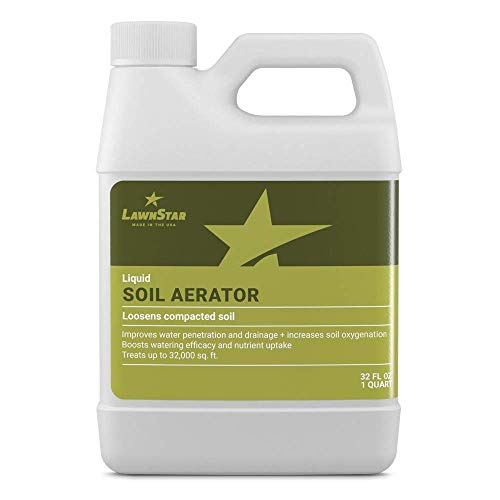
EASY-TO-USE ALTERNATIVE: Tired of mechanical aeration? So were we. Our liquid soil loosener takes all of the stress for you and provides a cost efficient alternative to core and mechanical aeration.
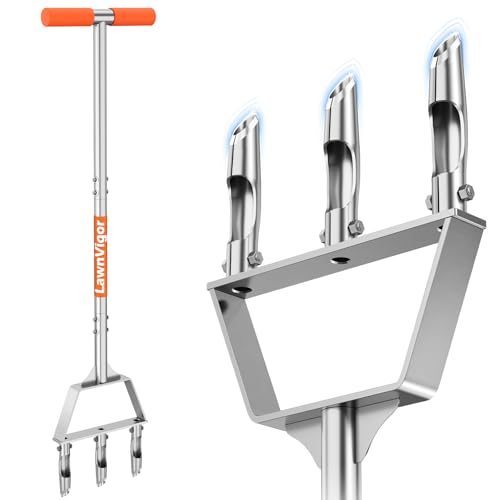
LAWN AERATOR FOR HEALTHIER LAWN GROWTH: Our manual lawn aerators promotes lush, green lawns by delivering essential air, water and nutrients deep into the soils. The lawn air aerator tool ensures healthier grass growth. (Note: Please water dry soil before use and do not rock, twist, or pry the tool side-to-side when it's in the ground.)

Loosens Compacted Soil: A spray-on liquid formula that helps open up hard, clay-heavy ground so water, air, and roots can move freely - no core plugs, spikes, or rented machines required.
Signs Your Lawn Needs Aeration (and How to Test Compaction)
If you notice water puddling after a light rain, a thick thatch layer, or soil that feels hard underfoot, those are clear signs your lawn is compacted and needs aeration. Compact soil blocks infiltration, creates runoff, and limits oxygen, producing thin, yellowing, or patchy grass. Test compaction with a screwdriver or a probe; resistance after watering, or digging 5‑7 inches without breaking the surface, confirms the problem. Incorporate these observations into your lawn maintenance schedule and prioritize the ideal aeration technique—core aeration with 2‑3 inches depth and 4‑6 inches spacing. This method disrupts thatch, improves drainage, and restores root depth, preparing the turf for healthier growth and efficient nutrient uptake.

1.Pulls 4 Soil Cores for More Effective Lawn Aeration: Four reinforced hollow tines remove plugs from compacted ground instead of merely creating surface holes. The open channels help air, water and nutrients travel deeper into the root zone, supporting stronger roots, improved drainage and healthier grass growth.

Deeper Aeration: The lawn aerator features angled coring tines that cut through hardened soil, pulling out 3-in deep soil plugs. Wide side slots help prevent clogging. Deeper aeration delivers oxygen, water, and nutrients to the roots

Deep, Effective Aeration: Equipped with sharp 3 in spikes, this pull behind aerator penetrates deep into soil to improve air, water, and nutrient flow. Achieve a greener, lusher yard using a heavy duty core aerator that revitalizes even tough or compacted ground
Regional Aeration Calendar: When to Aerate in Your Climate
Timing your aeration to the local climate maximizes root recovery and nutrient uptake. In the northern U.S. (zones 3‑5), schedule mid‑August to early September in northern Minnesota and finish by September 20 in central Minnesota; early frost by early October forces a narrow window. For the Midwest/transition zones (6‑7), target late August through mid‑October in southern Michigan, early September to early October in central Pennsylvania, and September for Indiana and Iowa cool‑season grasses. The Northeast prefers late September to early November, with early fall conducive for Kentucky bluegrass and fescues. Southern warm zones (8‑10) need late May to July, prime June for Bermuda, Zoysia, and Centipede. Arid/coastal western regions favor early spring when moisture rises, shifting to late spring‑early summer for warm‑season grasses. Aligning the timing of aeration for desirable outcomes with these ideal aeration conditions guarantees vigorous lawn health. Proper soil compaction reduction during aeration enhances root penetration and water infiltration. Regular aeration also promotes healthier soil microbe activity by improving oxygen levels in the root zone. Conducting a soil test before aeration can confirm optimal pH levels for your grass type.

Adjustable Size: The 11.5* 5 inch Aerator Shoes fit for women's shoe size 6-10, men's shoe size 6-9, with 3 adjustable Velcro straps wrapped around your heel and attach with hook-and-loop fasteners, no slipping and loosing.

COMPACTED-SOIL AERATION: Designed for lightly compacted surface soil, the soil aerator creates multiple openings with every step, helping air, water and nutrients move toward the root zone. The lawn air aerator tool suits high-traffic turf packed down by family activity, pets or daily foot traffic, especially where ground feels firm underfoot or water lingers near the surface after watering.

Preparation Before Aerating: Before using aerator lawn tool, trim the grass to an appropriate height and check soil moisture. If the soil is dry and compacted, the tool may struggle to operate or fail to penetrate the soil. Water the area and wait several days. If the soil is excessively wet and muddy, wait several days until moisture levels moderate. Ideal soil conditions should be moist and loose, ensuring the aerator penetrates smoothly for optimal results.