
Clear the that right away with a rake or a power dethatcher attachment, then aerate the soil 3‑7 days later to open up the roots. Apply a low‑nitrogen, high‑phosphorus starter fertilizer evenly and pre‑water if needed. Deep‑water the lawn daily for 10‑14 days, delivering about an inch per zone to saturate six inches of soil. Overseed any bare spots, keep the seed zone moist, and protect new grass with a light top‑dress. Follow these steps and you’ll uncover even more recovery tricks.
Clear Dethatching Debris Immediately for Lawn Recovery
Clear the dethatching debris right away to jump‑start lawn recovery. You must conduct debris location monitoring as soon as you finish dethatching, then execute effective debris removal. Use a leaf or thatching rake to penetrate the thatch layer, loosening clumps and damaged blades. Dig deep enough to extract material without harming new shoots, and collect everything in a compost pile. Prompt removal prevents water blockage, mold growth, and nutrient deprivation. For large areas, rent a power dethatcher and follow with a Scott’s Lawn Sweeper attachment to capture residual bits. Flag irrigation heads to avoid damage, and enlist help for heavy equipment. After removal, water the lawn deeply to support root repair and maintain moisture for the next two weeks. Ensure the soil is properly aerated before seeding to promote healthy root development. Regularly inspect the lawn for early signs of stress to address issues before they spread. Proper seed distribution and consistent watering are essential for uniform germination. Improved air penetration after dethatching accelerates the healing process.

High-Performance Machine: Equipped with a powerful 13-amp motor that effectively removes tough thatch, aerates your lawn, and revitalizes grass for healthier, greener growth.
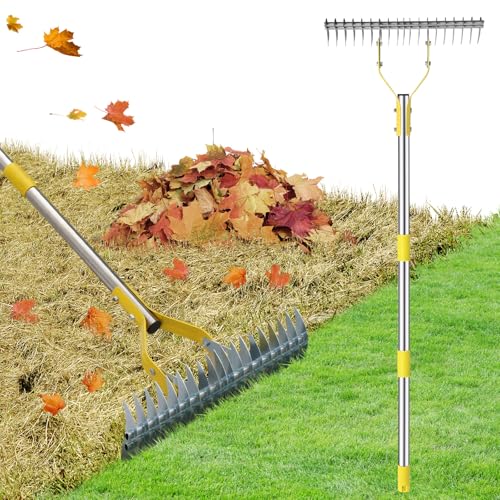
2-in-1 Raking Power, Use As Thatch Rake or Leaf Rake: Designed with 19 sturdy tines and a 15-inch wide head, this rake handles two jobs in one: loosen and remove stubborn thatch buildup to keep your lawn healthy; quickly gather leaves, pine needles, and debris for for a clean, tidy yard without needing a separate tool

Effortless Glide with 4‑Inch Sturdy Wheels:Skip heavy dragging while gardening. This garden rake moves smoothly over grass and soil with built‑in 4‑inch wheels, reducing physical strain for less tiring yard‑work.
Aerate the Soil to Boost Recovery After Dethatching
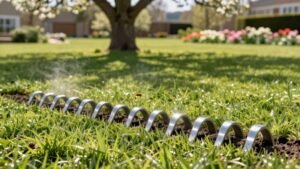
Since the thatch has already been cleared, you should schedule soil aeration 3–7 days later to let the grass recover and the surface settle. This proper aeration timing lets loosened thatch dry enough for effective core removal while avoiding premature compaction. Mow the lawn short, rake debris, and water one inch the day before aerating to achieve ideal moisture. Mark irrigation, septic, and utility lines, then run a core aerator over the entire area; for compacted soil preparation, make a second, perpendicular pass. Leave the extracted plugs to decompose, then water deeply immediately afterward. Continue watering every 2–3 days for two weeks, limiting foot traffic to promote root growth and rapid recovery. Core aeration should be repeated 2–3 times per year for optimal soil health. Proper aeration also enhances water infiltration throughout the root zone. Regular aeration can also improve soil structure by reducing compaction and increasing oxygen availability to roots. Aeration during the peak growing season maximizes root development and overall lawn vigor.

【2-IN-1 LAWN AERATOR TOOL FOR COMPLETE LAWN CARE】This versatile lawn aerator includes two interchangeable heads: spike aerator and plug core aerator. Use the spike head to loosen compacted soil and improve airflow, or switch to the plug head to remove soil cores and enhance deep aeration. One tool solves multiple lawn care needs
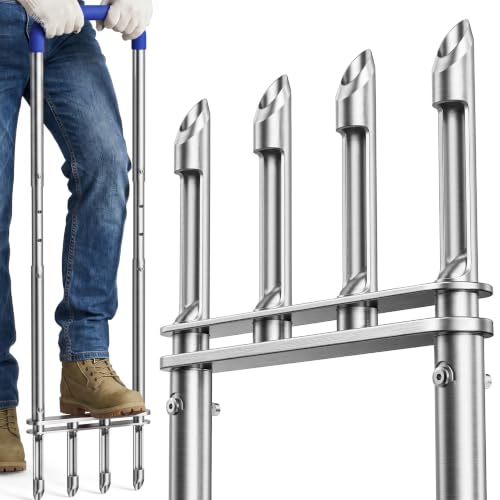
1.Adjustable Height for a More Comfortable Working Position: Extend the lawn aerator from 43.3 to 48.5 inches to match your height and preferred stance. The upright handle, open knee area and cushioned non-slip grip help make repeated lawn aeration more controlled and less demanding on your back.

DEEP CORE AERATION FOR HEALTHIER LAWNS: This aerator lawn tool penetrates up to 4 inches deep to relieve soil compaction, maximizing airflow, water absorption, and nutrient delivery to roots. Using this lawn core aerator promotes stronger root growth for a consistently greener yard. (Pro Tip: Water dry soil before use and avoid rocking or twisting.)
Add a Light, Season‑Specific Starter Fertilizer for Recovery
After dethatching, apply a light, season‑specific starter fertilizer immediately to give exposed roots the phosphorus they need for rapid recovery; low‑nitrogen, high‑phosphorus formulas such as 10‑10‑10 or 18‑24‑6 supply the essential nutrients without risking burn on the stressed turf. Choose low N high P fertilizers and apply light rates post dethatching—typically 10‑20 lb per 1,000 sq ft, halved for overseeding. Spread evenly with a calibrated spreader; pre‑water if soil is dry to avoid burn. Opt for products like PGF Balanced 10‑10‑10 with micronutrients or Sta‑Green 18‑24‑6 for sustained root development. Follow manufacturer directions, avoid high‑N regular blends, and plan a changeover to maintenance fertilizer after 6‑8 weeks. Well water contains high iron levels that can cause rust‑colored staining. Adding a balanced source of nitrogen, phosphorus, and potassium ensures the turf receives the complete nutrient profile needed for healthy growth. Proper timing of fertilization aligns nutrient availability with active growth periods, maximizing lawn health and reducing waste.
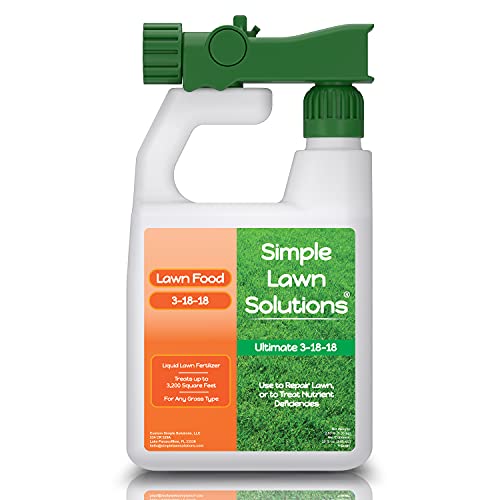
High Phosphorus, High Potassium Lawn Food: If your lawn is showing symptoms of a Phosphorus and Potassium deficiency or if you want to maintain lawn health then this is the correct fertilizer for you!
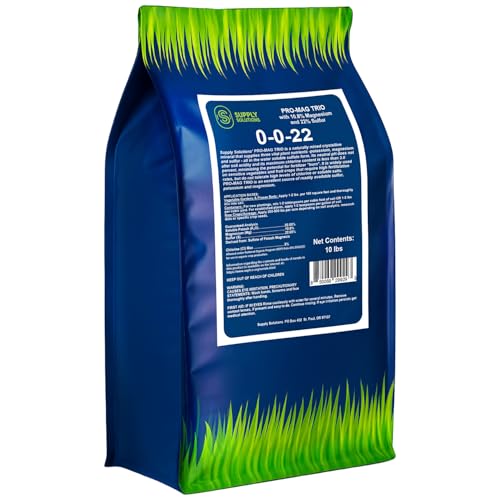
Balanced Nutrient Formula: Supply Solutions 0-0-22 Pro-Mag Trio provides potassium, magnesium, and sulfur for consistent feeding. This balanced blend supports turf grass, lawns, palms, and fruit trees, helping sustain thicker growth, sturdy roots, and vivid foliage across your garden throughout the growing season.

15-0-15 Lawn Fertilizer To Promote Greening, Growth And Turf Hardiness: The Power Of Nitrogen & Potassium Blended With Humic, Fish And Seaweed. Intensify Green And Growth While Providing Key Nutrients For Turf Hardiness.
Deep‑Water the Lawn Daily for 10‑14 Days (Recovery Phase)
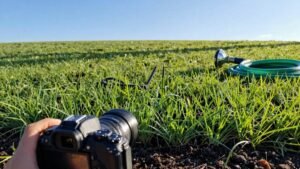
Apply the starter fertilizer now, then proceed directly into deep‑watering the lawn each day for the next 10‑14 days. Water each zone for 15–20 minutes to deliver roughly one inch of water, saturating the soil to six inches deep while keeping the top half‑inch consistently moist but not soggy. Early‑morning irrigation maximizes absorption and limits fungal risk. Adjust duration for soil type: shorter for sand, longer for clay. This regimen maintains soil moisture, stabilizes disturbed soil, and prevents weed invasion by denying dry pockets that favor germination. Monitor for signs of stress; if temperature spikes, add a brief midday soak. After 14 days, shift to a normal, deeper‑less‑frequent schedule as root systems re‑establish. The lawn was deep‑watered daily for ten days after dethatching, even during the heatwave. For cool‑season grasses, consider aerating in early fall when root growth is most vigorous, as recommended in the optimal aeration timing guide. Aeration in early fall promotes stronger root development and better recovery. Properly timing aeration can also improve soil oxygen levels for healthier grass growth.
Overseed Bare Spots and Keep Seeds Moist Until Germination
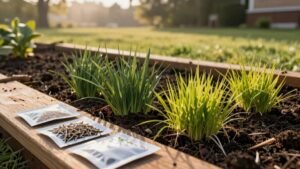
A solid overseeding plan starts with preparing the bare spots: mow the lawn to 1–1.5 in, rake away debris, loosen the soil, and fill depressions with a thin layer of topsoil. Then create 2‑inch‑centered holes, aerate or use a hand tool, and rough up the surface for seed contact. Choose optimum seed blend based on climate, sun exposure, and traffic—often a 50 % tall fescue, 35 % perennial ryegrass, and bluegrass mix. Spread seed lightly, like salt, to avoid competition, then broadcast starter fertilizer. Immediately water lightly to moisten the seed zone, then water 3‑4 times daily, morning, afternoon, and evening, keeping the seed bed consistently damp. Monitor seed moisture levels closely; reduce frequency once seedlings reach one inch, avoiding over‑watering that could drown the seeds. Proper soil preparation ensures good seed‑to‑soil contact and moisture retention. Aeration also improves root oxygen and encourages deeper growth. Regularly inspect the lawn for compaction, as soil aeration helps maintain optimal airflow and water infiltration. It is advisable to wait at least 24 hours after applying any herbicide before mowing to prevent damage to the grass.

Grows new grass 70% thicker, 35% quicker versus unfed grass

GREAT FOR SEEDING & SODDING - Veri-Green Lawn Food for Seeding & Sodding is formulated to get new grass seedlings off to a great start. It helps your lawn grow strong roots and grow faster and thicker when seeding, overseeding, and laying sod.

10 MINUTE LAWN CARE: Get the job done fast, a 32 fl. oz. bottle of liquid grass fertilizer for lawns provides up to three separate 600 sq. ft. feedings in just 10 minutes
Top‑Dress and Mulch to Protect New Grass During Recovery
A thin, ¼‑inch layer of top‑dressing—whether compost, sand, or a soil‑sand mix—immediately shields fresh grass after dethatching, moderating temperature swings and reducing root shock while the seedlings establish. To determine ideal top dressing materials, match soil texture to grass type: use fine wash sand for manicured lawns, compost‑rich mix for cool‑season grasses, and heavier sand for aggressive varieties like tiff‑tough. Apply roughly one cubic yard per 1,000 sq ft, spreading evenly with a shovel, rake, or rented spreader; drag a mat for large areas to avoid clumping. Schedule appropriate top dressing timing by applying right after dethatching, preferably in spring when growth is active, and avoid if the lawn was seeded within two years. Combine with deep watering to settle material, protect roots, and improve aeration. Proper oil viscosity is essential for preserving mower engine health after maintenance. Heavier scarifying is recommended for more robust grass varieties to promote deeper root penetration. Proper timing aligns with the seasonal dethatching schedule to maximize recovery. Consider checking the soil moisture level before top‑dressing to ensure optimal absorption.

【Premium Material】The Seeutek compost spreader adopts all-high-quality steel structure, which is sturdy and durable. Roller measures 15.8" diameter x 24" length, and the metal mesh finish is powder-coated and heat-treated to resist rust and corrosion. Plus the ergonomic rubber T-handle is non-slip and comfortable

DURABLE HEAVY-DUTY CONSTRUCTION: Built with robust powder-coated steel mesh basket for rust-proof, corrosion-resistant performance that lasts season after season. The 24-inch wide roller covers large areas quickly, making this 24 inch compost spreader and peat moss spreader ideal for tough jobs on slopes, bumpy, or uneven terrain without bending or breaking.
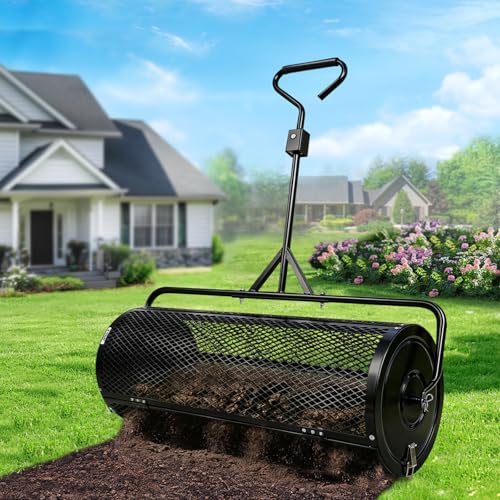
【Effortless & Efficient】: This compost spreader simply pushes to evenly spread compost, fertilizer, seed, or ice melt into every corner; Using our peat moss spreader, compared to manual spreading, reduces time by 70% and eliminates missed spots! Ensure precise care to promote lush lawn growth