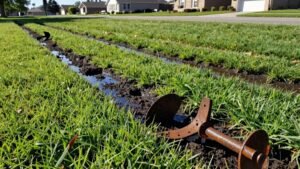

You can sow cool‑season grass in winter if the soil stays 50‑65 °F at a 2‑inch depth, preferably in sandy loam that’s damp but not soggy. Clear debris, mow low, then lightly aerate and top‑dress with compost before spreading perennial ryegrass, tall fescue, or Kentucky bluegrass seed. Cover the seed with straw or a biodegradable blanket and protect it from meltwater and wind with fleece or garden fabric. Avoid fertilizer until spring, and you’ll see early germination when temperatures rise—more details follow.
Can I Plant Grass Seed in Winter?
You can plant grass seed in winter, but only if you’re dealing with cool‑season varieties and follow dormant seeding practices. Dormant seeding exploits seed dormancy periods: you sow after the first hard frost, when soil stays below 50 °F, keeping seeds inactive until the spring changeover brings warmth. Late November through January works across most U.S. regions; northern states may start earlier, southern areas later. The freeze‑thaw cycle and winter moisture condition the soil, allowing seed‑soil contact without premature germination. Expect early spring emergence, which outcompetes weeds and improves coverage. Avoid warm‑season grasses, which need 65‑70 °F soil to germinate. Monitor for warm spells that could trigger early growth and protect seeds from wildlife and runoff. Reduces weed competition during establishment. Proper soil temperature monitoring is crucial for timing, as germination rates increase sharply once soil reaches the optimal temperature range for the selected grass species. Aligning planting dates with the regional early spring window maximizes germination success. Selecting a cold‑tolerant variety such as Kentucky bluegrass can further improve winter establishment.
What Soil Temperature and Weather Do I Need for Winter Seeding?
Where exactly do you need the soil and weather to be for winter seeding? You need a 2‑inch depth soil temperature of 50–65 °F, which usually occurs when daytime air hits 60–75 °F. Aim for a soil texture that drains well yet holds moisture—sandy loam or loamy sand are ideal. Keep the seedbed at ideal moisture levels: damp but not soggy, allowing a thin film of water to coat each seed. Avoid seeding when forecasts predict rapid warming or prolonged frost below 40 °F, as seeds may die or rot. Plant when the ground is partially thawed, not frozen, and make certain the area isn’t a steep slope where meltwater could wash seeds away. Measure temperature at 2‑inch depth to confirm conditions before sowing. Soil is a great insulator and takes a long time to increase in temperature. Proper seed‑to‑soil depth ensures optimal germination and healthy lawn development. Maintaining consistent moisture during the germination period is crucial for seed viability. Aeration improves soil health by increasing oxygen availability and reducing compaction.
Which Cool‑Season Grasses Are Best for Winter Seeding?
Any cool‑season grass that can germinate at 50‑65 °F soil temperature and stay green through mild winters is a solid choice for winter seeding. Perennial ryegrass gives rapid germination and bright winter color, ideal for overseeding warm‑season lawns, though its cold tolerance lags behind tall fescue. Tall fescue offers deep roots, strong winter dormancy, and consistent green when daytime highs stay above freezing; premium turf‑type varieties also show good snow mold resistance. Kentucky bluegrass provides the greatest cold hardiness for northern sites, self‑repairing via rhizomes, and fine texture. Fine fescues—creeping red, chewings, and hard‑grass—excel in cold climates, germinate at 50‑65 °F, and maintain dormancy with minimal snow mold issues. Orchardgrass thrives in wet, heavy soils and adds a soft leaf option for fall‑spring growth. The primary root system develops first during germination, allowing seedlings to access moisture quickly. Understanding soil temperature thresholds helps ensure successful germination. Selecting the right grass also depends on soil pH to optimize nutrient uptake. Knowing the origin of grass seeds explains how natural pollination and fertilization contribute to the diversity of species available for winter planting.

This pack of lawn seeds is ideal for new lawns, overseeding and lawn repair

APPLICATION: Apply this sun and shade grass seed in the spring or fall to grow a new lawn or overseed an existing lawn to thicken grass and help crowd out weeds

PERFECT FOR FALL SEEDING - Our cool-season grass seed mix is formulated for successful fall seeding projects. The grass seed varieties are bred to perform especially well when seeded during the fall planting season of mid-August through mid-October.
How Do I Prepare My Lawn for Winter Seeding?
After choosing a cool‑season grass that thrives at 50‑65 °F, the next step is to get the lawn ready for winter seeding. Clear leaves, debris, and weeds so the soil is exposed; this guarantees seed‑to‑soil contact. Mow low (1–1.5 in.) and rake away dead grass and clippings after each pass. If thatch exceeds ½ in., perform lawn dethatching or light aeration to create openings for seed. Loosen the surface with a scalping pass, then lightly top‑dress with compost‑biochar if desired. Mark treated zones to avoid winter traffic, and verify drainage is adequate to prevent pooling. Skip fertilizer until spring; let the cold soil keep seeds dormant until warming arrives. Regularly inspect the lawn for excessive thatch buildup to maintain optimal airflow and nutrient penetration. Proper dethatching before seeding helps ensure soil aeration for healthier root development.

DUAL-SIDED 19-TINE HEAD: This 15-inch dethatcher rake features 19 curved steel tines. One side lifts dead grass and surface buildup; flip the head to loosen topsoil and cultivate the lawn surface. The wide head covers more ground with each pass.

Promote Lawn Health and Neatness: This thatch rake is designed to clear away thatch buildup, dead grass, fallen leaves, and small debris across lawns and garden areas. By removing compact layers on the surface, it allows air, water, sunlight, and nutrients to reach the soil and roots, supporting steady turf growth. With a total length of 74 inches, it helps reduce bending and supports seasonal lawn maintenance tasks.

Keep Your Lawn Healthy and Tidy: versatile thatching rake alloy steel tines can pull up the thatch, leaves, dead branches and other debris from your lawn, allowing more air, water, sunlight and nutrients into the soil, which will keep your grass healthy. This adjustable thatch rake can give you a tidy and beautiful lawn
How Can I Shield Seeds From Meltwater and Wind?
A thin layer of clean straw or a biodegradable seed blanket is the most reliable way to keep meltwater and wind from washing or blowing your grass seed away. Straw retains moisture, regulates temperature, and a food‑grade tackifier sticks it to soil, resisting runoff. For slopes, a Curlex I or Excelsior fiber blanket spreads evenly, slows water velocity, and forms a protective matrix that prevents erosion. If you need extra heat and moisture, lay a fleece or garden fabric over the straw; it blocks pests while allowing rain and sunlight through. A thin top‑soil or compost layer improves seed‑to‑soil contact and hides seeds from birds. These erosion prevention materials provide effective winter seed protection without hindering germination. Foot traffic can compact the soil and dislodge seed, so temporary fencing around the seeded area is advisable. Using bird‑repellent netting can further deter birds from pecking at the newly sown seeds. Mulch also helps to regulate soil temperature and retain moisture during cold periods.

Biodegradable fibers cling to each other and soil to help hold seed and soil in place.

Beautiful - Full color seed packet of Blanket Flower (Gaillardia aristata). This variety produces beautiful red blossoms with yellow tips. Enjoy outdoors in the garden and indoors as cut flowers. Drought and heat tolerant. Minimum of 600mg per packet (about 260 seeds).
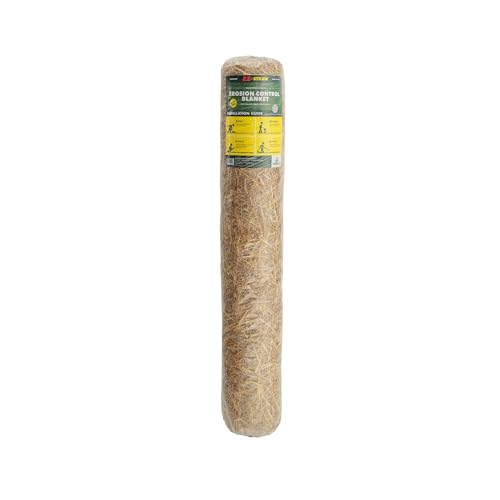
Simple and Safe: An innovative protective covering made from carefully selected natural straw fibers that have been processed and woven into a blanket-like material using specialized binding techniques.
When Should I Apply Fertilizer and Weed Control After Winter Seeding?
Timing your fertilizer and weed‑control applications after winter seeding hinges on two milestones: the first true grass emergence and the onset of active growth. Once seedlings break through, wait 4‑6 weeks before a post establishment fertilizer application, using a 20‑0‑10 blend. Water thoroughly so nutrients reach the roots, then repeat every 6‑8 weeks as the lawn matures. Integrating weed control starts with a pre‑emergent in early spring when soil reaches about 55 °F, preventing broadleaf germination. After the grass shows active growth, apply a combined weed‑and‑feed, such as Scotts Turf Builder Weed & Feed, to target dandelions and clover. Late‑spring or early‑summer timing works for cool‑season grasses; warm‑season lawns shift to late spring/early summer. This schedule sustains growth while keeping weeds at bay. Balanced mix of nitrogen, phosphorus, and potassium promotes strong root development and healthy leaf growth. Proper storage of lawn fertilizer can extend its effectiveness, as shelf life is impacted by moisture and temperature. Applying fertilizer during the early spring window maximizes nutrient uptake as soil temperatures rise.
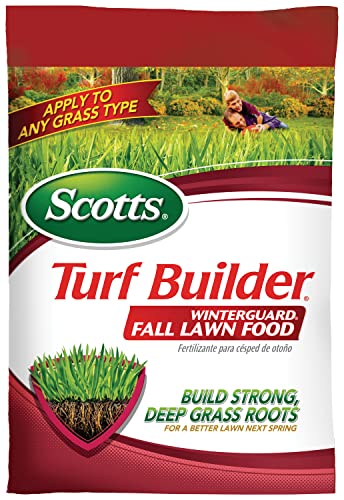
FALL LAWN FERTILIZER: Scotts Turf Builder WinterGuard Fall Lawn Food is a fertilizer that builds strong, deep grass roots for a better lawn next spring

Pro-Grade Nutrient Formula - Slow-release nitrogen for steady feeding and sustained dark green color — trusted by lawn professionals for premium results.
Pro-Grade Nutrient Formula - Slow-release nitrogen for steady feeding and sustained dark green color — trusted by lawn professionals for premium results.
What Mistakes Lead to Early Sprouting or Seed Loss?
Start by recognizing that early sprouting and seed loss usually stem from poor soil preparation, incorrect planting depth, and moisture mismanagement. Improper soil prep leaves seed compacted, preventing seed‑to‑soil contact; you must loosen the top one to two inches and remove debris. Planting too deep buries seeds beyond the reach of light and moisture, while excessive mulching smothers seedlings, cutting off air and water. Over‑watering washes seeds away, and under‑watering dries them out, both halting germination. Applying pre‑emergent herbicides too close to seeding blocks root development. Finally, sowing too densely creates competition, and sowing too sparsely leaves gaps. Follow recommended rates, keep the top inch consistently damp, and avoid thick mulch to guarantee successful germination. Choosing appropriate grass varieties for your climate ensures the seed has a natural advantage. Using a seed blanket can further protect seedlings from temperature fluctuations and retain moisture.
How Do I Troubleshoot Weak or Delayed Germination in Early Spring?
Poor soil preparation and moisture mismanagement often set the stage for weak or delayed germination in early spring, so the first step is to verify that the soil temperature is consistently at least 60 °F (≈16 °C). Use a soil thermometer to confirm the reading before you water. Keep the seed bed at proper soil moisture levels—water lightly but frequently until the seed germinates, avoiding dry spells that harden pelleted coats. If the ground feels dense, rake vigorously and consider a light aeration to improve airflow and drainage, thereby combating soil compaction. Amend low‑pH soil with a balanced fertilizer or Mag‑I‑Cal, and remove thatch or debris that blocks seed‑to‑soil contact. Monitor daily, adjust watering as temperatures rise, and you’ll see faster, healthier emergence. Cool season grasses require soil temperatures between 60‑68 °F to germinate. Seed viability can be extended by storing it in a cool, dry place and using moisture‑retaining mulch to keep the seed bed consistently damp. Frequent light watering helps maintain consistent moisture without oversaturating the soil.
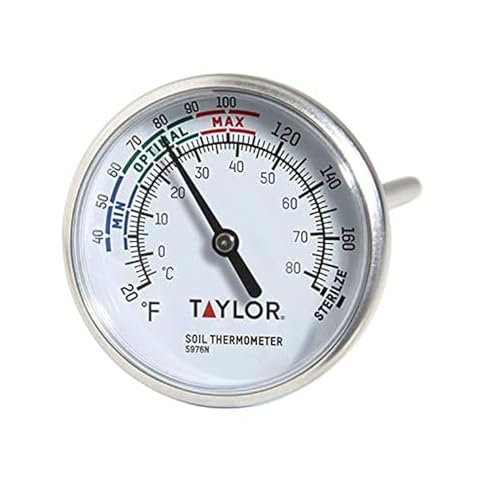
PRECISE SOIL TEMPERATURE READINGS: Measures soil temperatures from 20 degrees F to 180 degrees F (0 degrees C to 80 degrees C) with a large, easy-to-read analog dial face - no batteries or digital screens needed for reliable results every time

Easy-to-read green, yellow, and red tick marks for easy monitoring

PRECISE BELOW-SURFACE READINGS: Measures soil temperature beneath the surface where it matters most for seed germination and root development; gives you accurate data to make confident planting decisions each season
What Is the Timeline From Winter Seeding to First Mow?
Typically, you’ll wait 2–4 weeks after winter seeding before the first mow, aiming for a grass height of about 3 inches. The necessary first mowing height is roughly 1 inch; cutting at this stage triggers tillering and strengthens the root system. Cool‑season grasses usually reach that height by week 3‑4 if soil stays at 50 °F or higher. Warm‑season varieties may need a longer warm spell, so monitor soil temperature before cutting. Turn off irrigation 24–48 hours before mowing to let the surface dry. After the first cut, resume mowing gradually, spacing trims every 10‑14 days as growth steadies. This paced approach supports healthy establishment and avoids stress. Water multiple times daily for the first two weeks to ensure proper germination. Proper soil preparation, including soil pH adjustment, enhances seed‑to‑soil contact and promotes vigorous root development. Loosen compacted soil before seeding to improve water infiltration and root penetration.
Top Risks and How to Avoid Them When Winter Seeding
When you seed in winter, the biggest threats are premature germination, frost damage, seed washout, poor soil contact, and disease, each of which can turn a promising lawn into a patchy, dead zone. Warm spells can trigger germination when soil stays above 50 °F, but a cold snap will kill those seedlings, so seed when soil temps are consistently below that threshold. Protect seedlings from frost by mulching lightly—use a ½‑inch straw or shredded bark layer—to insulate and retain moisture. Prevent washout by applying mulch and establishing cover crops on slopes; they hold soil and keep seeds in place during snowmelt or rain. Rake the seed into a thin, even layer, remove debris, and keep the surface moist but not soggy to safeguard good seed‑to‑soil contact and reduce disease pressure. Use a balanced fertilizer after the first true leaves appear to strengthen roots before winter returns. Scarifying the area before overseeding helps incorporate seed into the soil and improves germination rates.