
Plant cool‑season grass from mid‑August to mid‑October, at least 45 days before the first frost, when soil is 50‑60 °F and air 60‑75 °F; warm‑season varieties belong in late spring through early summer, at least 90 days before frost, with soil 65‑70 °F and air around 80 °F. Seed when soil temperature matches these ranges, keep the seedbed consistently moist, and avoid planting below 50 °F or above 85 °F. Follow these timing rules and you’ll maximize germination speed and lawn density, and the next sections will show how to fine‑tune each step.
When to Plant Cool‑Season Grass – Mid‑August to Mid‑October
When you aim to seed cool‑season grass, target mid‑August through mid‑October, ensuring planting occurs at least 45 days before the first fall frost. You’ll monitor soil temperature, aiming for 50‑60 °F, and daytime air at 60‑75 °F to promote rapid germination while avoiding cold, wet conditions. Regional timing variances dictate the window: far‑north zones start mid‑August, lower changeover zones shift to mid‑September, and southern locales extend to mid‑October. Choose ideal grass types such as tall fescue, ryegrass, or Kentucky bluegrass, which thrive in USDA zones 2‑7 during fall. By seeding early enough, you exploit two growth seasons—fall and spring—while minimizing weed competition, establishing a resilient lawn before summer heat. Proper timing also maximizes root development during the cool, moist fall period. For best results, follow the recommended seed‑to‑soil depth for your specific grass type. Additionally, a well‑balanced soil fertility plan can further boost seedling vigor. Understanding the soil moisture threshold helps prevent rot and ensures optimal germination conditions.

This pack of lawn seeds is ideal for new lawns, overseeding and lawn repair

APPLICATION: Apply this sun and shade grass seed in the spring or fall to grow a new lawn or overseed an existing lawn to thicken grass and help crowd out weeds

PERFECT FOR FALL SEEDING - Our cool-season grass seed mix is formulated for successful fall seeding projects. The grass seed varieties are bred to perform especially well when seeded during the fall planting season of mid-August through mid-October.
When to Plant Warm‑Season Grass – Late Spring to Early Summer
Typically, you’ll seed warm‑season grass in late spring through early summer, aiming for a window that guarantees soil temperatures reach 65‑70 °F and daytime highs hover around 80 °F. In the Midwest, target mid‑May to mid‑July; in California, aim mid‑April to mid‑May; in central and southern Arkansas, plant late May through June. Provide at least 90 days before the first fall frost to allow root establishment. Monitor ideal air temperatures—consistently near 80 °F—to accelerate germination and reduce stress. Maintain soil moisture through early seasonal rains, and schedule timely maintenance needs such as light irrigation and weed control. Adjust planting dates regionally, consulting local extension services for precise frost dates. Proper soil preparation, including pH adjustment and organic matter incorporation, is essential for seed‑to‑ So germination rates and overall lawn health.

HEAT TOLERANT GRASS SEED - Our cool-season grass seed mix contains tall fescue and Texas bluegrass. This turfgrass mix performs best in full sun to lightly shaded growing conditions and has the ability to tolerate heat up to 100°F.

HIGH TRAFFIC GRASS SEED - It's great for backyards, sports fields, curb strips, or anywhere aggressive foot traffic from athletes, children, and pets occurs. Our cool-season grass seed mix contains tall fescues and perennial rye turfgrass varieties.

LAWN BARE SPOT REPAIR: Scotts PatchMaster Lawn Repair Mix Sun + Shade Mix is a combination mulch, seed, and lawn fertilizer product specifically designed to provide all-in-one bare spot repair and grass patch repair for lawns
How Soil Temperature Affects Grass Seeding Success
You’ve already set the planting window, but the next factor that determines success is the temperature of the soil itself. Measure soil temperature at 1–2 inches depth each morning before solar heating; ideal germination for cool‑season grasses lies between 50 °F and 65 °F, while warm‑season species need 65 °F – 70 °F. Maintain these ranges for several consecutive days, ensuring consistent soil moisture conditions after bare ground preparation. Below 50 °F, seeds may remain dormant or rot, and above 85 °F cool‑season roots suffer damage. Hot soil above 85 °F stalls germination entirely, increasing pathogen risk. Track daily highs and lows, adjust irrigation to keep moisture stable, and avoid seeding until temperature and moisture align with species‑specific thresholds. Seed depth is the true driver of success for core lawn care services. Proper timing within the optimal temperature window maximizes germination speed and seedling vigor. Properly burying seeds at the recommended depth also helps retain moisture and protect them from birds. Using the recommended seed spread rate ensures even coverage and reduces waste.

Easy-to-read green, yellow, and red tick marks for easy monitoring
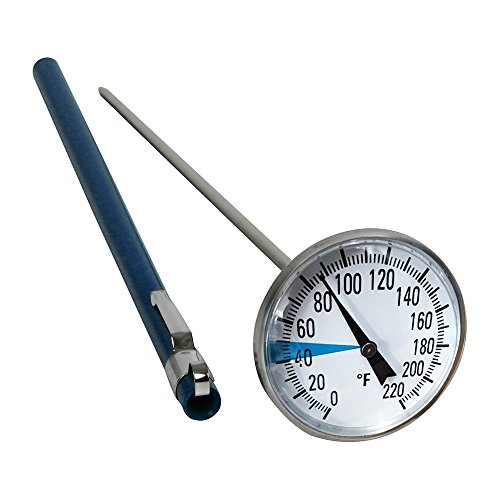
PRACTICAL SOLUTION - While other Soil Thermometers can’t tell the correct temperature, fogs up, and get broken easily, our soil thermometer has high precision performance, high-visibility, and is designed to last
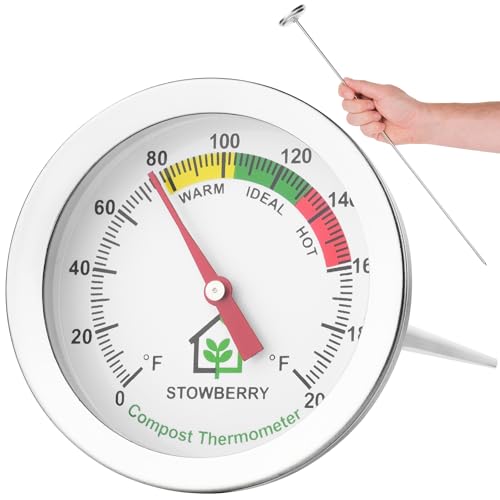
COMPOST THERMOMETER FOR ACCURATE TEMPERATURE MONITORING: Easily track compost temperature levels with this 20 Inch stainless steel probe that reaches deep into piles for precise core readings
Why Fall Grass Seeding Boosts Fast Growth
Because soil retains summer heat while autumn air cools, the warm‑soil/cool‑air balance accelerates germination for cool‑season grasses, allowing seed to sprout quickly and establish a deep root system before winter sets in. You’ll notice that the balanced soil temperature of 60‑75 °F maximizes metabolic activity, so seedlings absorb nutrients efficiently. At the same time, minimized weed competition occurs because annual weeds die off naturally, leaving sunlight, water, and nutrients for your turf. Consistent fall moisture further supports rapid root anchoring, reducing irrigation demands. The combination of these factors yields a dense, resilient lawn that matures faster than spring‑seeded turf, giving you a vigorous, drought‑tolerant surface ready for the next growing season. Planting in the fall also takes advantage of optimal soil moisture levels that are typically higher than in summer. Proper mowing timing after germination is crucial, and the first cut should wait until the grass reaches a height of 3‑4 inches to avoid stressing the young seedlings. Cool‑season grasses thrive when soil temperatures stay within this range, ensuring robust growth.
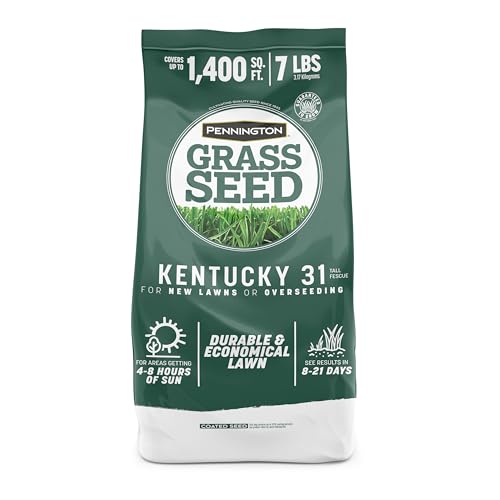
A grass seed for lawns that grows thick blades of grass that stand up to hot summers and heavy rains

FULL SUN & PARTIAL SHADE - The Sun & Shade Grass Seed Mix requires full sun to partial shade, making it a great choice for almost every lawn.

ESTABLISHES NEW YARDS & FILLS IN BARE SPOTS - Black Beauty Ultra Grass Seed quickly germinates for the fast establishment of newly seeded lawns. It also rapidly fills in bare spots to invigorate thin or damaged lawns.
What Are Grass Seeding Germination Timelines?
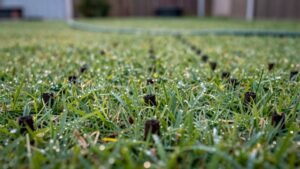
When you plant grass seed, germination begins within a range of five to thirty days, depending on the species and environmental conditions. You’ll notice that cool‑season grasses such as perennial ryegrass sprout in five to ten days at 55‑65 °F, while Kentucky bluegrass may need fourteen to thirty days. Warm‑season varieties like Bermuda require ten to thirty days at 75‑90 °F, with faster rates above seventy degrees. Consistent moisture levels during this window are critical; daily light waterings keep the seed‑soil interface saturated without flooding. Proper soil preparation—loosened, well‑draining media with a fine seed‑to‑soil contact—optimizes temperature regulation and oxygen flow, accelerating dormancy break. After germination, roots and blades develop for two to four weeks, leading to full lawn establishment in six to eight weeks. Selecting the right seed variety for your climate can further shorten the germination period, especially when you choose a high‑germination cultivar. The guide includes close‑up photographs that illustrate the oval‑shaped seeds and their grain‑like texture.
Spring Seeding: Tips & Common Pitfalls
If you time your sowing to coincide with soil temperatures of 55‑65 °F for cool‑season grasses or 70‑80 °F for warm‑season varieties, the seeds will germinate quickly and establish a uniform lawn. First, clear debris and rake the area with a straight rake, then verticut to create micro‑grooves that improve seed‑soil contact. Conduct a soil test and adjust pH to neutral; apply a light slow‑release starter fertilizer rich in phosphorus. Spread seed at the reseeding rate—3–4 lb per 1,000 sq ft—using a half‑horizontal, half‑vertical pattern, lightly rake in, and top‑dress with ≤¼ in of compost. Mulch with weed‑free straw, then water 2–5 light irrigations daily until seedlings develop, reducing to once daily once grass reaches 1 in. Use a seed‑coverage guide] for accurate distribution, and follow these steps for avoiding common spring seeding pitfalls and maximizing spring grass seed success.

FERTILIZER FOR NEW LAWNS: Scotts Turf Builder Starter Food for New Grass is a specially formulated starter fertilizer for grass seed that is designed to be used when planting new grass

Speeds Root Growth - This grass fertilizer for lawn is a phosphorus fertilizer that helps roots establish quickly and grow deep and strong