
Grass seed stays viable for about 18‑24 months if you keep it cool, dry, and dark, with germination rates dropping from over 80 % when fresh to roughly 60 % after three years. Store it in airtight containers with desiccant packs, avoid humidity above 20 %, and keep temperatures between 50‑65 °F for cool‑season or 65‑70 °F for warm‑season varieties. Test viability with a paper‑towel germination test before planting; if the seeds sprout in 3‑10 days, they’re still good. Continue for and you’ll find ideal storage methods and how to avoid mold, pests, and seed degradation.
Does Grass Seed Go Bad? How Long Is It Viable?
When you store grass seed correctly—cool, dry, and sealed—it stays viable for 18 to 24 months, after which germination rates gradually decline. You should monitor expiration factors such as temperature fluctuations, moisture ingress, and seed coat integrity, because each accelerates the germination decline patterns. Under ideal storage, most cool‑season varieties (Kentucky bluegrass, fescue) retain usable vigor for up to five years, while warm‑season types (Bermuda, Zoysia) typically drop off after two to three years. Fresh seed usually exceeds 80 % germination; by year three it halves, and a 60 % threshold marks the minimum for reliable establishment. Conduct a paper‑towel test regularly, label batches with purchase dates, and compare results to fresh‑seed benchmarks to decide whether the seed remains viable. Proper drying after harvesting prevents mold growth and preserves seed quality. Regularly checking germination rate with a simple paper‑towel test can confirm if the seed still meets the 60 % viability threshold. Understanding shelf life helps you plan re‑planting schedules and avoid waste.

SUN AND SHADE GRASS SEED: This combination lawn seed, grass fertilizer, and soil improver thrives in a variety of conditions

ESTABLISHES NEW YARDS & FILLS IN BARE SPOTS - Black Beauty Ultra Grass Seed quickly germinates for the fast establishment of newly seeded lawns. It also rapidly fills in bare spots to invigorate thin or damaged lawns.
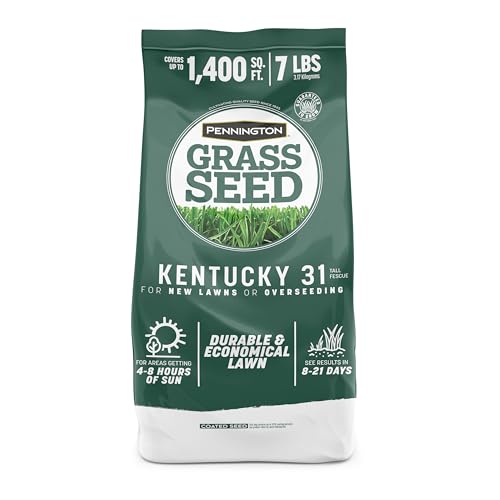
A grass seed for lawns that grows thick blades of grass that stand up to hot summers and heavy rains
How Do Temperature, Moisture, and Light Influence Grass Seed Viability?
Storing seed properly delays the inevitable decline in viability, but temperature, moisture, and light each accelerate that process in predictable ways. You’ll find that cool‑season species germinate best at 50‑65°F (10‑18°C) soil, while tall fescue prefers 60‑70°F (15‑21°C) and warm‑season grasses need 65‑70°F (18‑21°C). Maintaining relative humidity at 10‑20 % in controlled storage preserves seed germination rates for decades; fluctuations above 20 % or exposure to high salinity (100‑200 mmol/L) sharply reduce viability for sensitive species. Light itself has no direct impact, but temperature cycles can mimic photoperiodic cues, and heat treatments (33‑70 °C) can improve germination in aged seeds. Ideal storage environments consequently combine cool, dry, dark conditions to sustain maximum germination potential. Grass seeds can remain viable for several weeks to a few months without water if they are kept in a moisture‑retaining environment such as a light mulch or seed coating. Consistently moist soil during germination also helps prevent premature drying of the seed coat, which can be critical for germination success.
Best Containers and Packaging for Long‑Term Grass Seed Storage
Choosing the right container is essential for preserving grass‑seed viability over years, because each option offers a distinct balance of moisture protection, light exclusion, and structural durability. You’ll prioritize airtight plastic bins for bulk storage; their heavy‑duty walls block humidity, sealed lids stop condensation, and they pair well with desiccant pack selections. Store bins on elevated shelving to avoid water contact and keep them at ideal storage temperatures (40‑50 °F for long‑term viability). Mason jars provide a dry, airtight space for loose seeds, but their glass transmits light, so place them in a dark cabinet. Photo storage organizers hold standard packets in inner airtight compartments, while metal seed tins add handling comfort and organization. Sealed buckets, combined with desiccants, work for extended storage, especially in humid environments. The seed’s protein content supplies essential amino acids that support early root development. Grass seeds are produced by mature grass plants through pollination and fertilization. Proper seed germination rates can be boosted by maintaining consistent moisture during the first two weeks after planting.

Perfect Size Pet Food Storage Container - Measuring 8.5"L × 5.7"W × 11.8"H, this food storage bin features an 8L large interior capacity. It can store up to 5 lbs of dog food, cat food and bird seed, and is also perfect for holding 10 lbs rice or 7 lbs flour. (Note: the actual storage weight differs based on the density of different contents)

5 LB CAPACITY: Holding up to 5 lbs of birdseed, this convenient storage tote is perfect for bird enthusiasts who want to keep their birdfeeders consistently filled with fresh seed for optimal viewing experiences

Airtight Freshness & Safe Material Crafted from food-grade, BPA-free plastic, this bird food storage container ensures safe, odor-free storage. The enhanced locking clips create a secure seal to lock out moisture and air, keeping pet food fresh and flavorful for longer.
Step‑by‑Step Guide to Storing Opened Grass Seed Bags
If you’ve just opened a bag of grass seed, move the remaining grains into a resealable, air‑permeable container—such as a cloth sack or burlap bag—immediately; then seal it tightly. First, select proper storage container types: breathable cloth or burlap for airflow, or sealed plastic with a vented lid for moisture protection. Second, place the container in an ideal storage environment conditions: a cool, dry space maintained at 40–50 °F (4.4–10 °C) with relative humidity around 50 %. Avoid garages, sheds, or fluctuating temperatures; basements, cellars, closets, or refrigerators work best. Third, add a desiccant packet or baking soda to absorb excess moisture. Finally, keep the container off the floor and away from rodent entry points to prevent pest intrusion. This methodical routine preserves viability for up to three years. Properly stored grass seed can last up to 1 year, and in some cases remains viable for 2‑3 years shelf life. The visual guide shows the oval shape and light‑to‑dark brown colors that help you confirm the seed’s identity before storage. Applying a thin layer of ¼ to ½ inch peat moss over the seeded area can further protect the seed and improve germination. The high cost of quality grass seed is driven by extensive breeding and testing processes.

Packaging content: Includes 2 sizes of seed storage boxes, measuring 14 x 4.2 x 4.7 inches and 11.8 x 3.7 x 3.7 inches respectively. It can accommodate around 100 or 70 standard sized seed packs respectively (the quantity may vary depending on the thickness of different seed packs).

Built to Last: Powder-coated galvanized iron makes this durable metal seed storage box rust-resistant and long-lasting, perfect for indoor or outdoor seed storage

Seed Storage Organizer Set: This seed organizer storage box set includes a durable black oxford cloth foil insulated bag with handle and dual zipper (12.2 x 10.2 x 3.9 in), 60 label stickers, and 26 clear plastic seed storage boxes (5.7 x 3.9 x 0.7 in each). The large capacity seed box storage organizer provides ample storage space, making it easy to accommodate and neatly classify 80 to 200 seed packets or envelopes
How to Test Grass Seed Viability Before Planting?
A quick germination test lets you determine whether your grass seed is still viable before you sow it. Gather paper towels, a resealable bag, and off‑gassed water; label each batch with a Sharpie. Dampen the towel until soggy, not dripping, then spread at least ten seeds evenly on one half. Fold the towel, place it in the bag with a small air gap, and store it in a warm spot such as a refrigerator top or heat mat. Check daily, re‑moistening as needed, and keep the environment free of direct sunlight. After three to ten days, count sprouted seeds and compute the germination rate. Accurate testing procedures and proper seed handling guarantee you only plant viable seed. Assess seed quality before planting to ensure optimal lawn establishment. Proper soil pH helps maximize germination speed. Seed storage conditions can greatly affect longevity and performance. Consider the climate zone when interpreting germination results, as temperature influences seed vigor.
Spotting Bad or Contaminated Grass Seed
After confirming germination rates, you should inspect the seed for visual, olfactory, and tactile defects that indicate spoilage or contamination. Begin by detecting visual signals of compromised seed quality: look for moldy coating, dark discoloration, splotchy or faded hues, and clumping caused by moisture. Uniform color suggests viability, while uneven, darker shades flag expiration. Next, focus on analyzing atypical odor indicators of degradation. A musty, sour, or rotten scent, or the absence of a fresh grassy aroma, confirms non‑viability. Finally, assess texture; damp, mushy, or clumpy seeds feel soft, whereas brittle seeds break cleanly. Any combination of these visual, olfactory, or tactile signs warrants discarding the batch to prevent poor lawn establishment. Sharp mower blades also improve cutting efficiency, reducing stress on grass and promoting healthier growth. Fall is the optimal time to plant grass seed. Regularly check the air filter on your mower to prevent clogged exhaust that can cause smoking. Maintaining a sharp edge on mower blades enhances cut quality and contributes to a healthier lawn.
Keeping Rodents, Insects, and Mold Out of Grass Seed
Because rodents, insects, and mold can quickly compromise seed viability, you must combine physical barriers, environmental controls, and targeted treatments to keep them out. Install metal mesh fencing (≤ 1/4 in gauge) buried 12 in deep, seal all gaps with hardware cloth or steel wool, and keep firewood 18 in off the ground. Apply granular insecticides uniformly, water in with 0.5 in of water, and rotate products seasonally to sustain Integrated pest management. Use thin netting or floating row covers for airflow while blocking access. Maintain dry, ventilated storage; avoid overcrowding, remove damp debris, and discard any moist seed promptly. Introduce beneficial organisms to suppress pests biologically, and prune surrounding vegetation to eliminate shelter. Overseeding helps protect the grass seed by compensating for any loss due to birds. Squirrels are known to dig up newly seeded areas, so a protective mesh can deter them while allowing sunlight and rain to reach the soil. Mice may also gnaw at seed, especially when food scarcity increases in the spring. Understanding rabbit feeding patterns can further guide effective lawn protection strategies.
Choosing the Best Grass Seed for Long‑Term Storage
How do you select a grass seed that will stay viable for years? First, prioritize species with proven long‑term stability: Kentucky Bluegrass, Tall Fescue, Perennial Ryegrass, and Fine Fescue, especially in northern blends. These varieties tolerate low moisture and retain vigor after decades in controlled environments. Apply seed pretreatment techniques such as drying to ≤ 8 % moisture and adding desiccant packs before sealing. Follow seasonal storage recommendations by keeping containers in cool, dry indoor locations—basements or closets—maintaining 40‑60 °F and < 60 % relative humidity. Use airtight, heavy‑duty bins for extended storage; elevate them on shelving to avoid water contact. Label each sealed batch with type and purchase date, and rotate inventory to use older seed first. This methodical approach maximizes viability.

LAWN BARE SPOT REPAIR: Scotts PatchMaster Lawn Repair Mix Sun + Shade Mix is a combination mulch, seed, and lawn fertilizer product specifically designed to provide all-in-one bare spot repair and grass patch repair for lawns

This pack of lawn seeds is ideal for new lawns, overseeding and lawn repair

Establishes quickly
When to Discard or Re‑use Old Grass Seed?
One to two‑year‑old grass seed can still be reused for overseeding, but you must first confirm its viability and assess age‑related decline. Perform a germination test by placing at least ten seeds on a damp paper towel, sealing them in a plastic bag, and incubating at warm temperature for five to seven days. If 80 % or more sprout, the batch remains viable; lower rates indicate discard. Inspect for mold, pest damage, or extreme age—seed older than three to five years, or with visible decay, must be discarded. When viability is marginal, increase application rate by 20 % to compensate. Leverage seasonal seed discounts for fresh purchases, and consider old inventory clearance sales to replace compromised seed. Proper storage in a cool, dry environment can significantly extend seed viability.
Tips for Maximizing Germination Success With Stored Grass Seed
When you store grass seed, keep the temperature between 40–60 °F (4.4–16 °C) and maintain a low relative humidity so that the sum of temperature (°F) and humidity percentage never exceeds 100. First, retain unopened manufacturer packaging; if you must transfer seeds, use resealable, air‑permeable containers with a desiccant pack to control moisture. Elevate containers off the floor, place them in a refrigerator or cool basement, and avoid direct sunlight. Conduct a germination test on a damp paper towel for 7–14 days to gauge viability. Adjust planting rates based on test results, increasing seed quantity to offset the 10–20 % annual decline. These steps guarantee seed maturity and preserving seed vigor throughout storage.

Long-Lasting Protection: Keep your seeds safe for years with our rust-resistant metal seed storage container. No more worrying about rust or wear—this seed saver is built to last, ensuring your seeds stay dry and secure.

UNCOMPROMISING SEED SECURITY - Your precious seed collection deserves more than a plastic container. Our upgraded dual safety locks create a fortress against moisture, curious kids, and pests. The light-proof, coated metal walls maintain seed viability, so your heirloom tomatoes and rare peppers are always ready for the next season.

WHAT YOU WILL GET: A large seed storage tin box, 50 pcs empty seed pockets, 50 pcs blank plant labels and a marker pen are contained in the set, enough to store, label, and organize your seeds