
Seed your lawn in early autumn, at least 45 days before the first frost, when soil temps are 50‑65 °F. Aerate the area with a core aerator spaced 3‑4 inches apart, then till the top six inches to loosen the seedbed. Apply a high‑phosphorus starter fertilizer and test pH to keep it between 6.0‑7.0. Use a high‑purity, fast‑germinating seed mix, spread it evenly with a drop spreader, lightly rake to cover 1/8‑1/4 inch, mulch with straw, and roll for firm contact. Water lightly 2‑4 times daily for two weeks, then reduce frequency, and wait until the grass is 3 inches tall before the first mow. Continue for, you’ll uncover deeper tips.
When to Seed Cool‑Season Grass for Best Germination
Kick off your lawn‑care plan by targeting the ideal window for cool‑season grass seeding: early autumn, when the soil still holds summer’s warmth. Aim to plant at least 45 days before the first fall frost, typically mid‑August to early September in most zones. Check that soil temperature sits between 50 and 65 °F, which aligns with daytime air of 60‑75 °F and promotes favorable root development. Seed at a depth of 2 inches, maintaining a moisture level that keeps the seed‑soil interface consistently damp. If you miss this window, consider cool‑season grass alternatives such as dormant seeding in late November; the seed will lie idle until spring, then germinate rapidly as soil warms. This approach exploits the benefits of dormant seeding, reducing weed competition and leveraging early‑season moisture. Cool‑season grasses grow most vigorously during late summer and early fall. Understanding soil temperature thresholds helps you time planting for optimal germination. Regional climate zones influence the precise timing of the optimal sowing period. Proper soil aeration before seeding can improve seed‑soil contact and boost germination rates.

SUN AND SHADE GRASS SEED: This combination lawn seed, grass fertilizer, and soil improver thrives in a variety of conditions

ESTABLISHES NEW YARDS & FILLS IN BARE SPOTS - Black Beauty Ultra Grass Seed quickly germinates for the fast establishment of newly seeded lawns. It also rapidly fills in bare spots to invigorate thin or damaged lawns.
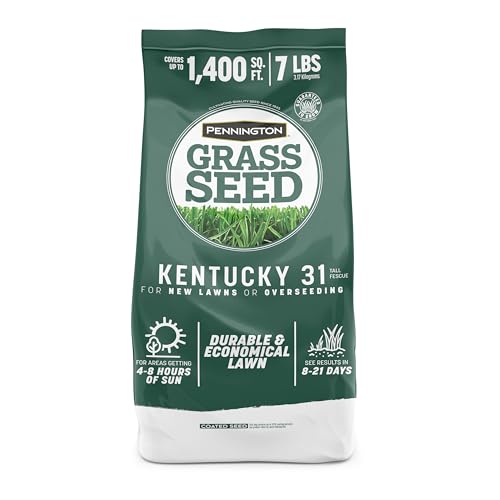
A grass seed for lawns that grows thick blades of grass that stand up to hot summers and heavy rains
Prepare Soil for Cool‑Season Lawn Seeding: Aerate, Till, and Add Fertilizer
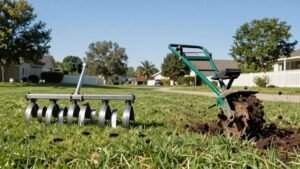
When you’re ready to seed cool‑season grass, start by testing the soil pH and correcting it to the 6.0‑7.0 range, then aerate the lawn to remove compacted plugs, till the top six inches to loosen the seedbed, and finally apply a high‑phosphorus starter fertilizer so the seed has ideal, desirable, or perfect moisture, oxygen, and nutrients for rapid germination. Conduct soil testing before any amendment to establish a baseline; if pH is low, spread lime, if high, apply elemental sulfur. Aerate using a core aerator, spacing holes 3‑4 inches apart to maximize airflow. Follow with a rotary tiller, breaking up clods and integrating organic matter. Perform thatch removal by raking or verticutting, then clear debris. Broadcast a 10‑20‑10 starter fertilizer, rake lightly, and water to field capacity. For optimal seeding timing, aim for a soil temperature of 50 °F before planting. Proper aeration also enhances water infiltration and reduces drought stress during the establishment phase. Regular aeration can also improve soil structure by increasing porosity and encouraging beneficial microbial activity. Aeration improves root growth by allowing deeper penetration of water and nutrients.
Select High‑Purity, Fast‑Germinating Seed for Cool‑Season Lawns
After you’ve prepared the soil, the next step is choosing a high‑purity, fast‑germinating seed mix that matches your lawn’s climate and light conditions. First, examine seed quality testing reports; they confirm germination rates and purity percentages, ensuring you receive the labeled cultivars such as A‑List Tall Fescue or Cool Blue Kentucky bluegrass. Prioritize mixes with 80‑90 % fast‑germinating species—annual ryegrass (5‑10 days), tall fescue (4‑12 days), or perennial ryegrass (7‑10 days)—to achieve quick coverage. Verify that the blend’s disease‑resistant traits align with your region’s pressures, and check that the seed’s storage instructions preserve viability. Finally, assess environmental impact: choose locally sourced, sustainably produced seed to reduce transportation emissions and support soil health. Pregermination can further boost germination rates and early growth. Understanding your region’s soil pH is essential for selecting the most compatible seed variety.

QUICKLY GROWS TURF - This rapidly establishing grass seed mixture grows quick-turf for problem areas. It's designed to fill in troubled areas in lawns or grow an entirely new lawn quickly. It germinates in 7 -10 days.

APPLICATION: Apply this sun and shade grass seed in the spring or fall to grow a new lawn or overseed an existing lawn to thicken grass and help crowd out weeds

QUICKLY GROWS TURF - This rapidly establishing grass seed mixture grows quick-turf for problem areas. It's designed to fill in troubled areas in lawns or grow an entirely new lawn quickly. It germinates in 7 -10 days.
Spread, Cover, and Protect Cool‑Season Seed: Raking, Mulching, and Rolling
If you’ve already spread the seed, the next critical steps are raking, mulching, and rolling to guarantee firm seed‑soil contact, moisture retention, and protection from environmental stress. Begin seed bed preparation by lightly raking the surface; a 1/8‑inch to 1/4‑inch layer covers each seed, especially small‑seeded grasses. Use a drop spreader in two perpendicular passes at half rate, then tickle the top with a rake to mix seed evenly and remove any thatch. Apply certified weed‑free straw at roughly one 80‑lb bale per 1,000 ft², creating a thin mulch that shields seedlings without blocking light. Immediately follow with a roller, ensuring the soil is moist but not soggy, to press seed into the soil. Throughout, conduct weather monitoring; pause rolling if rain is imminent or soil is overly wet, and adjust mulch thickness if a sudden temperature shift occurs. Use a drop spreader to achieve more accurate seed distribution and avoid over‑seeding in certain areas. Proper seed‑soil contact is essential for maximizing germination rates and establishing a dense, healthy turf. Understanding the recommended seeding rate for your grass type helps prevent both under‑ and over‑seeding, ensuring optimal lawn density.

OPERATION: Adjustable arm support on this seed, salt and fertilizer spreader helps provide maximum comfort

64-OUNCE BOTTLE: high-capacity poly bottle with a wide opening and easy screw top, quickly remove the lid to add your preferred seed, salt, fertilizer, etc. and simply screw back into place

NO ASSEMBLY REQUIRED: Scotts spreader comes pre-calibrated and ready-to-use with a fold-down handle for easy storage; use it year-round including as an ice melt spreader or salt spreader for snow
Early Care After Cool‑Season Lawn Seeding: Watering, Mowing, and Maintenance
Because the seed is already in place, you now need to keep it consistently moist, protect it from stress, and establish a routine that supports healthy germination. Water lightly 2‑4 times daily for the first two weeks, applying 0.5‑1 inch per hour per section with a mist setting to avoid puddles. Shift to once‑daily watering after germination (10‑14 days) and then to 1‑2 times daily with deeper penetration from weeks 2‑4, maintaining light, frequent moisture for 21‑28 days. Begin watering immediately after seeding, preferably early morning (4‑6 AM) or late afternoon (4‑5 PM). Wait until the grass reaches 3 inches before the first mow, set the mower high, and cut no more than one‑third of the height. Sharpen blades, mow dry, and limit foot traffic to prevent compaction while establishing turf. After 28 days, reduce watering to 1‑1.5 inches weekly in two to three sessions, fertilize lightly, and hand‑pull weeds. Maintaining soil moisture is essential to avoid seed rot and encourage robust root development. For optimal cut timing, follow the guideline of waiting three weeks after germination before the first mower pass.