
You should fertilize based on your soil‑test results, grass type, and density. Cool‑season lawns need a late‑summer to autumn nitrogen boost, while warm‑season grasses get N after 50 % green‑up, not mid‑summer. Apply roughly 2‑4 lb of nitrogen per 1,000 sq ft each year, spreading it over 2‑4 applications depending on lawn density. Adjust limestone and fertilizer according to test trends, and retest every 3‑5 years. Follow these steps, and you’ll uncover a detailed schedule for your region.
Lawn Fertilizer Schedule: Soil‑Test Guidance
When you’re planning a lawn‑fertilizer schedule, the first step is a soil test that tells you pH and nutrient levels, guiding both limestone and fertilizer choices. For established turf, sample the top three inches, discard thatch, and run the test every three to five years—more often if you’re correcting a deficiency or using phosphate/potash regularly. Track soil‑test nutrient trends to adjust nitrogen, phosphorus, and potassium applications; the results dictate split applications and prevent exceeding the 1‑pound water‑soluble nitrogen limit per 1,000 sq ft. Follow recommendations in pounds per 1,000 sq ft for the season, and re‑test after three years of implementing adjustments to confirm that pH and nutrient levels stay within target ranges. Proper fertilizer timing ensures lush green growth and maximizes nutrient uptake. Store fertilizers in a cool, dry place to preserve nutrient potency and prevent clumping. Understanding the impact of soil texture on nutrient retention can further refine your fertilization plan.

Kindly NOTE: This soil tester can not be applied to test pH value of any other liquid. If the soil is too dry the indicator will not move, and water it before testing.

✅ 1Dial & 1 LCD Screen - Replace/install all 3 batteries each time. Put button to %RH/°F to - Turn On, and put to LIGHT to - Turn Off. Read the LCD results in 3-5 mins. (Not Water Moisture Meter, so, please don't test liquid)

Quick, at home results for Soil pH, Nitrogen, Phosphorous and Potash Innovative and inexpensive soil test kit features an easy-to-use capsule system and patented color comparators
Lawn Fertilizer Schedule by Grass Type (Cool vs. Warm)
A soil test tells you the pH and nutrient levels you need to correct before you start timing applications, and those corrections differ between cool‑season and warm‑season grasses. For cool‑season lawns, focus on late‑summer through autumn nitrogen replacement. Apply 32 lb per 2,500 sq ft around Memorial Day, July 4th, Labor Day, and a dormant feed before freeze. Monitor lawn health indicators—color, density, and root vigor—to time the Labor Day application, which is critical for density. Warm‑season lawns need nitrogen after 50 % greening, usually post‑Easter, then again on Memorial Day, Labor Day, and early October before killing frost. Use the same 32 lb per 2,500 sq ft rate, adjusting for regional limits. Avoid mid‑summer feeds to prevent stress. Milorganite should be applied after the last frost when daytime temperatures consistently reach the 60s for cool‑season grass and the 70s for warm‑season grass. Incorporating organic fertilizer can improve soil structure and support beneficial microbes. Proper timing of fertilizer applications maximizes nutrient uptake and promotes a resilient lawn. Understanding the soil temperature thresholds helps schedule applications for optimal absorption.
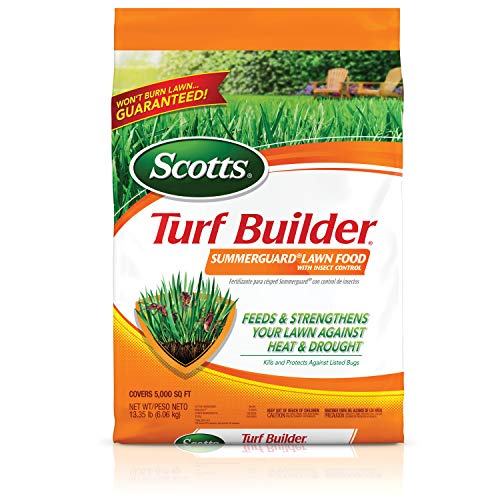
Feeds and strengthens your lawn against heat and drought
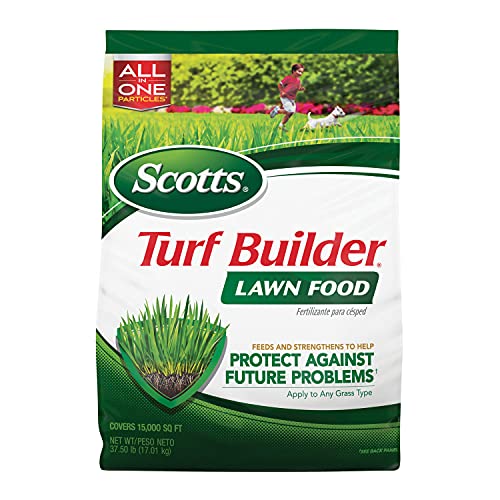
WHERE TO USE: Lawn fertilizer for grass can be used on any grass type

LESS PLASTIC WASTE: The reusable grass food spray applicator is designed to be used again with our convenient refill bottles (sold separately)
Lawn Fertilizer Schedule for Different Lawn Densities
A lawn’s density dictates how often and how much fertilizer you should apply. When lawn density changes from low to moderate, shift from 2‑3 lb N per 1,000 sq ft annually to 3‑4 applications spaced 8‑10 weeks apart, limiting each water‑soluble dose to 1 lb N. For high density, increase frequency to every 4‑6 weeks, delivering 1 lb N per 1,000 sq ft monthly in late summer to early fall, never exceeding 1 lb N per application. Use slow‑release products in spring to curb excess growth, and apply Milorganite at 32 lb per 2,500 sq ft for moderate lawns or 64 lb for new lawns. Shaded fescues need only a single 1 lb N dose in May or September. Follow these fertilizer application timing guidelines to keep each lawn zone thriving. Optimal nutrients are essential for promoting deep roots and a lush, green appearance throughout the season. Understanding the distinction between lawn food and lawn fertilizer helps you choose the right product for your soil conditions. Proper soil testing ensures you match fertilizer type to nutrient needs. Applying fertilizer in early spring aligns with the soil temperature thresholds that activate root growth.
Regional Lawn Fertilizer Schedule: Midwest & South
Your lawn’s density determines the fertilizer amount, and the region dictates when you should apply it. In the Midwest, cool‑season grasses receive early‑spring feed (March‑mid‑May) for weed control, a late‑spring boost after unpredictable weather, and a late‑summer to early‑fall application (mid‑Aug‑mid‑Sept) to promote root growth. High‑density lawns add an early‑summer irrigated dose, while low‑density lawns stick to two applications. In the South, warm‑season grasses follow a fixed schedule: post‑dormancy (early spring), Memorial Day, Labor Day, and early‑October overseeding, each at 32 lb per 2,500 sq ft. Use nutrient balancing to match nitrogen release with growth phases, and consider alternative fertilizer sources like Milorganite for slow‑release, organic options.
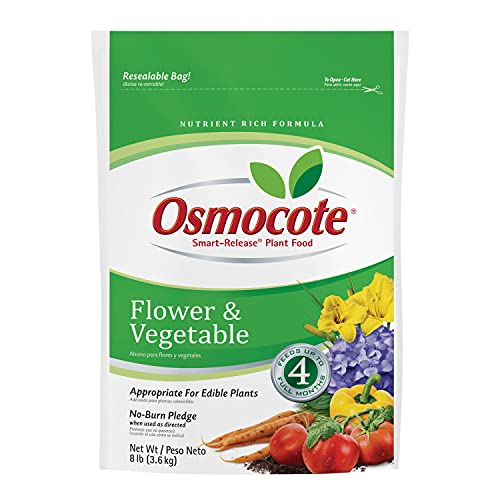
OSMOCOTE’S HIGHEST TOTAL NUTRIENT FORMULA: 14-14-14 NPK - favored for seasonal vegetables and perennials; use this plant food outdoors to promote strong roots as well as vigorous and bountiful above-ground growth.

🌿 Balanced 10-10-10 Granular Fertilizer for Outdoor & Indoor Plants: All-purpose plant food with 10% Nitrogen, 10% Phosphorus, and 10% Potassium. Perfect for outdoor vegetable gardens, fruit trees, evergreens, shrubs, lawns, and flowers. Also great for potted plants and indoor gardening. One solution for all your plant needs!
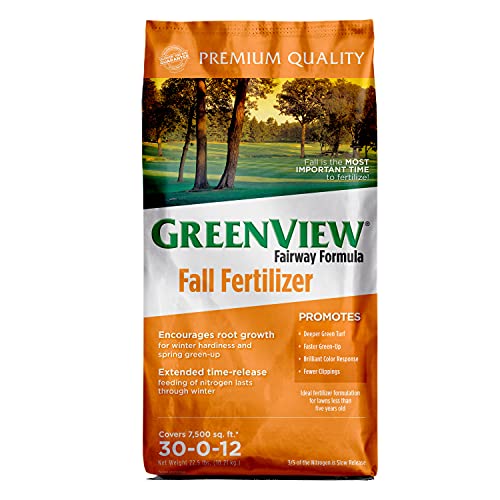
For Lawns: This grass fertilizer for lawns encourages deep root growth, brilliant lawn color, and thick lush growth
Timing Differences in Synthetic vs. Organic Lawn Fertilizer Schedules
Timing matters when you choose between synthetic and organic lawn fertilizer, because their nutrient‑release profiles dictate when you’ll see results and how often you must reapply. A nutrient profile comparison shows synthetic formulas deliver a rapid burst within 2‑7 days, so you’ll notice greener grass in a week but must reapply every 4‑6 weeks to sustain growth. Organic blends release nutrients slowly over 2‑6 weeks via microbes, aligning with plant uptake and extending residual soil effects for up to three months. Consequently, you’ll need fewer applications—often just two per season—while synthetic may require three to four. Choose synthetic for early‑spring quick fixes in cool weather; pick organic for long‑term resilience and reduced leaching risk. Proper lawn fertilization also begins with soil testing to determine pH and nutrient deficiencies before selecting a product. Observing leaf color variation can further confirm whether the lawn is receiving adequate nutrients.

FEEDS LAWNS FOR 8-10 WEEKS - This grass fertilizer has an analysis of 10-0-1 and is designed to promote lush green growth in lawns. It provides gradual, consistent nutrient release for 8 to 10 weeks.

Bonus brochure includes seasonal application timing, spreader settings, and tips for lawns, gardens, and trees.
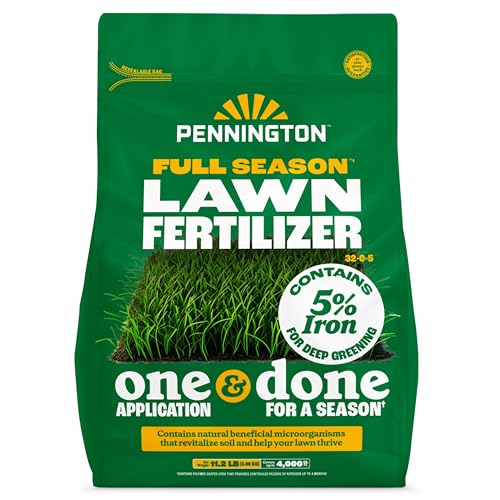
This spring lawn fertilizer is one application and done for a season
State No‑Apply Dates & Regulations for Lawn Fertilizer Schedule
When you plan your lawn‑care calendar, you must work around each state’s no‑apply dates and limits to stay legal and protect water quality. In Maryland, the blackout runs November 16 2025 through March 1 2026; nitrogen and phosphorus are prohibited except for licensed pros who may apply up to 0.5 lb N per 1,000 ft² from November 16 to December 1. Potassium and lime stay allowed year‑round. Keep applications off frozen ground, sidewalks, and driveways, and sweep any material that lands on impervious surfaces back onto the lawn. Use best application methods—slow‑release N (25‑50 %);) and water‑soluble formulations—to achieve an adequate nutrient balance without exceeding the 0.9 lb N per 1,000 ft² single‑application cap or the 2.5 lb annual limit. Soil testing is required before any phosphorus use. Proper timing aligns with the optimal planting window for cool‑season grasses in Maryland. Knowing the regional climate helps schedule fertilizer applications to avoid damaging newly seeded lawns. Understanding the soil temperature range is essential for successful seed germination.
Spotting Under‑ or Over‑Fertilized Lawns
Ever wondered why your lawn looks patchy or scorched? If blades turn yellow, brown, or rust‑colored, you’re likely under‑fertilizing; nitrogen deficiency shows first on older growth, while phosphorus or potassium gaps produce purple streaks and weak roots. Look for stunted height, thin turf, or rapid weed invasion—signs of inadequate nutrients. Over‑fertilization creates uniform brown patches, a chemical odor, and scorched, dry blades; excess nitrogen can also shallow root development. Your soil grade impact matters: low‑lying areas retain nutrients longer, increasing burn risk, while high spots may leach them, causing deficiencies. Climate effect on schedule is imperative; heat spikes amplify burn, and cool periods slow recovery. Spotting these cues lets you adjust applications promptly. Significant resistance in the second spot indicates dry, compacted soil that may need extra watering. Excessive nitrogen can lead to nutrient burn and weakened disease resistance. Keep pets away from freshly treated areas, as ingesting lawn fertilizer can cause vomiting and diarrhea in dogs. Understanding herbicide modes helps you choose the right product for safe, effective weed control.
4‑Step Lawn Fertilizer Schedule You Can Follow
Three simple steps let you lock in a reliable fertilizer routine: pick the right season for your grass type, space applications 6–8 weeks apart, and match the recommended 32 lb per 2,500 sq ft rate. First, mark the lawn fertilizer timeline on your calendar. For warm‑season grass, apply mid‑late April, early June, and early September; for cool‑season grass, schedule early April, early September, and late October. Keep each event six to eight weeks apart. Next, calculate your lawn fertilizer budget by multiplying the 32‑lb rate by the number of 2,500‑sq‑ft sections you have, then spread the cost over the four annual applications. Finally, adjust for regional holidays—Easter, Memorial Day, Labor Day, and early October—so you never miss a window. Apply fertilizer only after the lawn is 80‑100 % green. Ensure the soil temperature reaches at least 55 °F before the first application to promote optimal root growth. Avoid fertilizing when soil temperatures exceed 85 °F to prevent nutrient burn. Proper timing in the optimal autumn window maximizes nutrient uptake and supports a healthy lawn through winter.
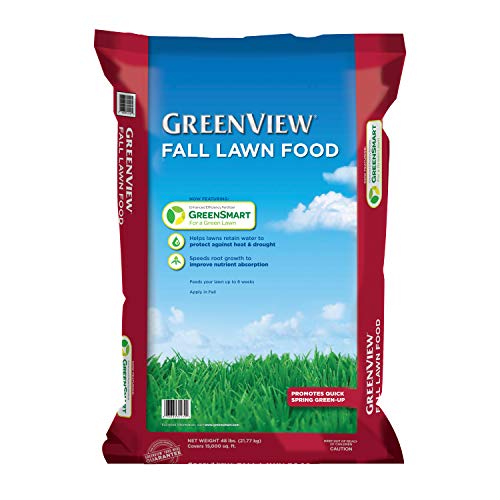
GreenSmart Enhanced Efficiency Fertilizer - This fertilizer for grass provides continuous feeding for up to 8 weeks
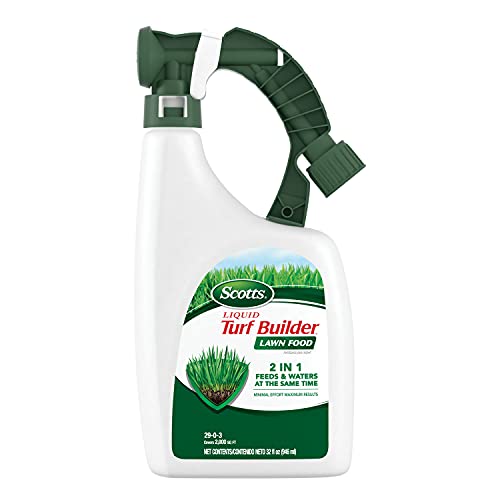
Feeds and greens while watering your lawn

Feeds for deep greening in just 3 days