

Yes, you can plant grass seed in the fall, and it’s actually the ideal time for cool‑season varieties. The cooler weather, ample moisture, and natural weed dormancy create perfect conditions for quick germination and strong root growth. Seed at 35‑70 g/m², keep it no deeper than the seed length, and use a drop spreader for even coverage and good seed‑to‑soil contact. Cut the new grass at 3‑4 inches to boost vigor, and apply a balanced fertilizer to support healthy establishment. Keep reading to uncover the exact timing and preparation steps.
Why Fall Is the Best Time to Plant Cool‑Season Grass
Kick off your lawn project in the fall, and you’ll see cool‑season grass take root faster than in any other season. You’ll notice that air temps dip while soil stays warm, creating improved soil conditions that push germination and rapid root growth. Nighttime mid‑60s°F trigger ideal seed sprouting for tall fescue and Kentucky bluegrass, and the warm earth sustains it far better than erratic spring heat. Weed, pest, and disease pressure drops dramatically, so you face reduced maintenance challenges. Consistent fall rain supplies moisture without heavy irrigation, and the milder climate lets seedlings mature before winter. The result is deeper roots, stronger winter hardiness, and a thicker, greener lawn ready for spring. Soil temperatures remain high enough to support seed germination even as air cools. Proper soil preparation ensures good seed‑to‑soil contact, which is critical for successful establishment. Regional climate zones in North Carolina provide specific timing recommendations that further optimize germination rates. For Minnesota, aim to sow when soil temperatures consistently reach 15 °C to maximize germination success.

SUN AND SHADE GRASS SEED: This combination lawn seed, grass fertilizer, and soil improver thrives in a variety of conditions

ESTABLISHES NEW YARDS & FILLS IN BARE SPOTS - Black Beauty Ultra Grass Seed quickly germinates for the fast establishment of newly seeded lawns. It also rapidly fills in bare spots to invigorate thin or damaged lawns.
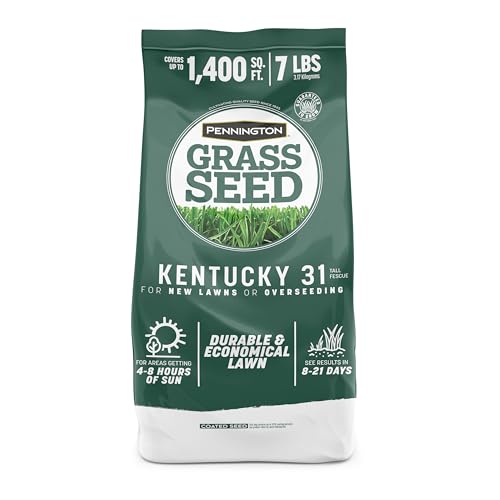
A grass seed for lawns that grows thick blades of grass that stand up to hot summers and heavy rains
When to Seed Cool‑Season Grass in Your Zone (Fall Timing)
When should you drop cool‑season seed in your zone? Look at your USDA zone and count back 45 days from the average first frost. In zones 2‑4, aim for early September; soil should be 50‑65 °F and daytime 60‑75 °F. Zones 5‑6 shift a bit later—mid‑September to early October works, especially if you hit the 50‑65 °F soil window. Zone 7 lets you seed through late August, but stop by mid‑October to avoid freeze‑thaw desiccation. Use the local calendar: Saint Louis prefers early September, Kansas City up to October 15, Missouri’s Labor Day week is sweet spot. Those autumn planting considerations keep germination steady, reduce weeds, and give roots time to establish before winter. Plan your fall weekend grass seeding accordingly. Proper soil preparation ensures better seed‑to‑soil contact and higher germination rates. Selecting a high‑quality seed mix that matches your climate and soil type further improves establishment success. Knowing the typical seed coverage per square foot helps you buy the right amount and avoid waste.
How to Choose the Right Cool‑Season Grass Seed for Your Climate
Three key factors—climate zone, sun‑to‑shade ratio, and foot‑traffic level—determine which cool‑season grass will thrive in your yard. First, match cold hardiness considerations to your USDA zone: Kentucky bluegrass excels in the coldest northern areas, fine fescue handles extreme winter lows, while tall fescue tolerates hotter shift zones. Next, assess sun‑to‑shade: fine fescue thrives under dense shade, Kentucky bluegrass needs full sun, and perennial ryegrass tolerates light shade. Finally, rank foot‑traffic: tall fescue and ryegrass endure heavy use; fine fescue prefers low‑to‑medium traffic. Choose a blend that aligns with these parameters and includes varieties with strong perennial weed control to reduce post‑seeding upkeep. This analytical approach confirms a resilient, low‑maintenance lawn. Proper seed selection also depends on soil texture to ensure optimal germination and root development. Understanding soil pH helps match seed varieties to nutrient availability. Recognizing the seed shape of each variety can further guide accurate identification.
Step‑by‑Step Lawn Preparation for Cool‑Season Grass Seed
Having picked the right cool‑season blend, you now need to ready the soil so the seeds can germinate without competition. First, mow the existing lawn to 1.5–2 inches, then hand‑pull weeds or apply a pre‑seeding herbicide and wait the required interval. Rake thoroughly, bag clippings, and clear all debris. Conduct soil composition monitoring: test pH, aim for 6.0–7.0, and amend with lime or sulfur accordingly. Add phosphorus‑rich starter fertilizer and incorporate compost or topsoil to a 3‑inch depth, working it in with a tiller. Aerate the area, dethatch if needed, and lightly rake to loosen compacted spots. Finally, level the surface, ensuring proper drainage, and lightly drag the seed into the soil for ideal contact. Consider using a brush cutter for removing stubborn weeds before seeding. Herbicide rotation helps prevent weed resistance and protects beneficial soil microbes. Always wear protective gear when operating power tools to reduce the risk of injury.
Water & Fertilize Cool‑Season Grass Seed Correctly
A solid watering and fertilizing plan is essential for cool‑season grass seed to germinate and establish strong roots. Keep the top 1‑1.5 inches of soil consistently moist by watering 2‑3 times daily for 10‑15 minutes during the first two weeks, then shift to once‑daily as sprouts appear. Use early‑morning and late‑afternoon sessions, mist or oscillating nozzles, and aim for 3‑4 inches of total weekly water. Adjust frequency for temperature: drop to 1‑2 times daily above 55 °F, ramp up to 4‑5 times during 85 °F heat waves. Practice soil moisture management and track germination rate monitoring each day; if the seed bed dries, increase duration, if it stays soggy, cut back. Apply a balanced, slow‑release fertilizer at planting, then a half‑rate boost after three weeks, avoiding over‑fertilization that could scorch seedlings. Avoid overwatering to prevent fungi and mushroom growth. Seed viability can be extended by storing seeds in a cool, dry place and using moisture‑retaining coatings. Proper storage also helps maintain germination potential, especially when seeds are kept in airtight containers with a low humidity environment.
Common Autumn Seeding Mistakes (Including Mowing Timing)
Your watering schedule may keep the soil moist, but if you seed at the wrong time, the grass won’t germinate no matter how well you water. You must avoid an improper mowing schedule; wait until the new blades are 3‑4 inches tall before the first cut, or you’ll damage tender seedlings and stunt root growth. Check soil temperature—below 10 °C is a red flag—and perform adequate soil testing. Skipping this step hides pH imbalances and nutrient gaps that cripple germination. Remove debris, dethatch, and aerate to prevent compaction. Choose a seed type matched to your climate and lawn, and spread it at the recommended 35‑70 g/m², no deeper than the seed length. Follow these precise steps, and your autumn seeding will succeed. Use a drop spreader for even seed distribution. Properly seed‑to‑soil contact ensures moisture reaches the seed for optimal germination. For best results, aim to cut the grass when it reaches about 3‑4 inches tall, as this promotes a strong root system and healthier lawn. A well‑balanced fertilizer can further support seedling vigor.