
Test the soil, pick a shade‑tolerant cultivar, and loosen the top six inches. Mix a thin layer of sifted compost, adjust pH with lime or gypsum, then blend in seed at 250‑400 sq ft per pound. Lightly rake, press the seed into firm contact, and cover with a ¼‑½‑inch peat‑moss mulch or germination blanket. Water gently and keep the soil consistently moist. Follow these steps and you’ll uncover more details on troubleshooting and long‑term care.
How to Seed a Bald Lawn Patch: Test Soil in the Bare Spot
Before you sow seed, test the soil in the bare spot to know exactly what amendments it needs. You’ll need a clean bucket, rust‑free trowel, and quart‑sized bags. Choose 10‑15 zigzag points, focusing on the bare area and surrounding zones. Remove thatch, debris, and mulch, then dig 4‑6 inches deep. Slice a 1‑2‑inch core from the middle of each hole, discard the sides, top, and bottom, and collect at least six samples. Dry them at room temperature, mix them in the bucket, and fill each bag with one quart of soil. Label each bag, then ship them for a test soil pH and test soil nutrients analysis. The lab will report pH, macronutrients, micronutrients, organic matter, potassium, phosphorus, and cation exchange capacity, guiding precise amendment decisions. Use a soil probe to verify depth consistency across samples. Understanding seed germination rates helps you adjust seeding density for optimal coverage.
How to Seed a Bald Lawn Patch: Pick a Grass Variety That Thrives in Your Patch’s Light Conditions
Choosing the right grass variety for a bald patch hinges on matching the site’s light exposure to a species’ shade tolerance. Assess the patch’s daily sun hours, then select a cultivar that meets that threshold. For warm‑season zones with 3‑4 hours of sun, St. Augustusgrass (Sapphire, Bitter Blue, Palmetto, Seville) or fine‑blade Zoysiagrass perform best; Zoysiagrass tolerates as little as three hours. In cool‑season areas, fine fescue blends—creeping red, Chewings, hard fescue—excel under low light, while tall fescue (Manhattan 7 GLR) handles four hours of dappled sun. Verify soil drainage characteristics; poor drainage favors coarse‑rooted cultivars like tall fescue, whereas fine‑rooted fescues need well‑drained media. Consult local seed catalogs for grass cultivar availability and choose the mix that aligns with both light and drainage constraints. Bermuda Grass is known for durability. Proper seed‑to‑soil contact is essential for germination, and using a seed‑starter mix can improve early root development. Understanding the optimal sowing window for your region, as outlined in the seasonal guide, further enhances establishment success. Selecting a blend with a high germination rate can significantly reduce establishment time.
How to Seed a Bald Lawn Patch: Prepare the Ground and Loosen the Soil
A few quick steps will get the ground ready for seed. First, follow a proper mowing schedule and cut the grass short, then dethatch and aerate to eliminate that and compaction. Remove all dead grass, debris, and any chemical‑contaminated soil from the bare spot. Dig or loosen the top six inches with a spade, rake, or aerator, turning the soil about four inches deep to break up clumps. Rake the area smooth, blending the edges with the surrounding lawn, and tamp lightly to set the level. Inspect for pests or fungi and treat before proceeding. Finally, lightly rake the seed into the loosened soil, ensuring good seed‑to‑soil contact without burying it too deep. This preparation creates a prime seed for germination and root development. Moist soil is essential for successful germination. Proper temperature ranges, such as 60‑70 °F during the day, accelerate the germination process. Selecting a high‑quality seed that matches your climate and soil type can improve establishment success. Using a seed‑starting mix can further enhance soil texture and nutrient availability.

NUTRIENT-RICH, NATURAL, AND ORGANIC SOIL: Grow a bountiful garden in your home with the Back to the Roots All-Purpose Natural and Organic Peat-Free 3-in-1 Seed Starting Mix, packed with the nutrients needed for your plants, flowers, and vegetables to thrive

LAWN BARE SPOT REPAIR: Scotts PatchMaster Lawn Repair Mix Sun + Shade Mix is a combination mulch, seed, and lawn fertilizer product specifically designed to provide all-in-one bare spot repair and grass patch repair for lawns

Specially formulated for fast root development
How to Seed a Bald Lawn Patch: Add Compost and Balance pH
If you spread a thin, sifted compost layer over the prepared bare spot, you’ll simultaneously boost moisture retention, supply essential nutrients, and create a pH‑buffering environment that protects the seed while it germinates. Apply a ¼‑inch compost coating calculated at 0.02 × square‑feet, using sifted, peat‑free material to avoid smothering. Before spreading, conduct soil testing to confirm pH; adjust with lime for acidic or gypsum for alkaline conditions. Mix 2 lb of grass seed per cubic foot of compost, ensuring roughly 50 % of seeds remain visible through the layer. Choose a grass selection suited to your climate and sun exposure, then press the compost lightly to secure seed‑soil contact. This integration improves water holding capacity, buffers pH, and promotes rapid root establishment. Add a thin layer of compost before seeding to enhance moisture retention and nutrient availability. Proper drainage is essential to prevent waterlogging, which can be achieved by incorporating a small amount of sand or perlite into the compost mix, especially in areas with heavy clay soils, to promote soil aeration. Storing seed in a cool, dry place prolongs viability and reduces the risk of premature germination. Selecting the right seed‑to‑soil ratio helps achieve uniform coverage and prevents seed loss.

GROW THICK, GREEN GRASS: Scotts Turf Builder Grass Seed Sun & Shade Mix features Root-Building Nutrition crafted to help establish deep roots to build a better, stronger lawn

100% Natural Compost for Plants - Compost is a nutrient-rich, soil-like substance made from blending yard trimmings and plant residue, such as leaves and grass clippings. Together, they’re composted to make a growing medium that’s part fertilizer, part soil amendment. When mixed with garden soil, compost helps loosen soil, holds onto moisture, and provides essential nutrients for plants.

TALL FESCUE LAWN SEED: Scotts Turf Builder Grass Seed Tall Fescue Mix is a grass seed for lawns that is durable to resist harsh conditions and includes root-building nutrition for a stronger lawn
How to Seed a Bald Lawn Patch: Spread Seed Evenly and Ensure Good Soil Contact
What’s the most reliable way to get seed across a bald patch without creating gaps or clumps? First, calculate seed density requirements: aim for 250‑400 sq ft per pound, using a higher rate in the center and tapering toward the edges for seamless blending. Choose seeding equipment considerations that match the area size—hand‑spread for patches under 10 sq ft, or a drop spreader for larger zones to avoid stray scattering. Lightly rake the loosened soil, then distribute the seed in a thin, uniform layer. Immediately after spreading, gently pat the soil with a board or your foot to press seeds into firm contact without burying them. Keep the surface smooth and at least half an inch deep, ensuring each seed touches soil for ideal germination. Use a light layer of peat moss to retain moisture and protect the seed. Seed dormancy can last several weeks to months, so keep the soil lightly misted if rain is delayed. Applying ¼‑½ inch of peat moss provides optimal coverage and moisture retention. Consistent light watering helps maintain the moisture balance needed for successful germination.

OPERATION: Adjustable arm support on this seed, salt and fertilizer spreader helps provide maximum comfort

Precise Seeding, Beautiful Lawn: With an 18-inch spread width and 10 adjustable settings, this drop spreader precisely controls seed, fertilizer, and ice melt distribution. Multi-directional adjustments ensure even coverage without missed spots.

NO ASSEMBLY REQUIRED: Scotts spreader comes pre-calibrated and ready-to-use; use it year-round including as an ice melt spreader or salt spreader for snow
How to Seed a Bald Lawn Patch: Cover Seeds With Mulch or a Germination Blanket
After you’ve spread the seed evenly and pressed it into firm contact, covering it with a protective layer is the next step to guarantee high germination rates. Choose either straw mulch or a germination blanket based on site conditions. Mulch retains moisture, blocks birds, and reduces erosion; spread a 1‑2‑inch layer over the seeded patch after loosening the top six inches of soil. For steeper or high‑traffic areas, unroll an aspen‑fiber blanket with netting up, overlap edges by three inches, and secure with 4‑6‑inch staples or biodegradable stakes. Soak the blanket thoroughly, keep it moist until sprouts appear, then integrate it into your lawn care schedule. This approach aligns with the ideal seeding timeline and promotes consistent germination. The blankets are made of aspen wood fiber and polypropylene netting, which can improve seed germination by up to 200%.
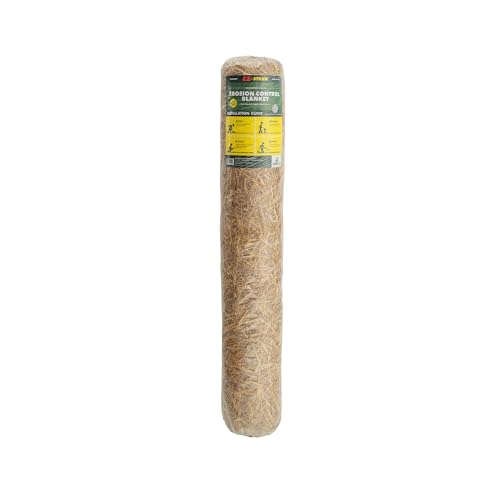
Simple and Safe: An innovative protective covering made from carefully selected natural straw fibers that have been processed and woven into a blanket-like material using specialized binding techniques.

Quality Aspen Wood Fibers - This Erosion Control Blanket (ECB) consists of a specific cut of naturally seed free Great Lakes Aspen curled wood excelsior. It is of consistent thickness with fibers evenly distributed throughout the entire area of the blanket.

Aspen Wood Fiber Blanket: Made from natural curled aspen wood excelsior with long fibers distributed evenly throughout the blanket to support soil retention on disturbed ground areas
How to Seed a Bald Lawn Patch: Water Lightly and Keep the Soil Moist
Since the seed is already settled and covered, you must keep the soil consistently moist without drowning it. Begin with a gentle mist using a sprayer attachment or a low‑pressure sprinkler; soak the top four inches of soil to guarantee seed‑to‑soil contact. Water early each morning and again in the evening, applying just enough to wet the surface but not to pool. Maintain this light watering schedule daily, or twice daily in hot, dry conditions, until seedlings appear. The goal is to sustain a moist environment that maximizes seed germination rate while avoiding soggy patches that can rot seeds. Follow the soil preparation details—loosened, level soil, proper seed depth, and firm but not compacted texture—to support uniform moisture retention and healthy emergence. Optimal sowing window varies by climate zone, with early fall generally providing the best conditions for most grass species. Proper soil pH ensures nutrient availability and promotes vigorous root development. Even seed distribution helps prevent clumping and promotes a dense, uniform lawn.

Chapin Garden Sprayer: Complete lawn care and basic cleaning tasks faster with the 1‑gallon translucent funnel‑top tank that allows quick, easy, spill‑free refills and fluid checks

Designed for homeowners and professionals: reduce mess and speed up lawn care with a wide‑mouth, translucent 48‑ounce tank that makes refilling and fluid‑level checks simple. The seals and gaskets work with all common lawn and garden, weeds and pest chemicals

PetraTools Garden Sprayer - Perfect for DIYers Seeking Professional Results: Our durable yet lightweight water sprayer, with a 52” hose and 16” wand, ensures comfortable extended use and excellent coverage, making it ideal for versatile liquids such as fertilizers, mulch glue, and pesticides.
How to Seed a Bald Lawn Patch: Fix Common Germination Issues and Keep the New Lawn Healthy
Keeping the soil consistently moist is only half the battle; you also need to address the factors that can stall germination and undermine the health of the new grass. First, inspect the site for fungi, grubs, or other pests; treat any infestation before you sow. Use a pre‑germination step by placing seeds in a moist compost bed at 15 °C for three days to jump‑start growth. Choose a seed variety that matches your existing lawn and apply it at the recommended 15–25 g per m², mixing in a starter fertilizer that isn’t a pre‑emergent. Lightly rake the seed to a ½‑inch depth, then cover with a thin straw mulch to retain moisture and deter birds. When you overseed existing lawn, spread the seed slightly beyond the bare edge to blend and prevent weed competition. Finally, keep the soil loose and level, and monitor temperature—ideal germination occurs around 52 °F. Covering seed with a light mulch also helps regulate soil temperature and protect against erosion. Adding a thin layer of organic mulch can further improve moisture retention and nutrient availability. In cooler climates, sowing after the soil reaches a soil temperature of 50 °F ensures faster germination.
How to Seed a Bald Lawn Patch: Maintain the New Lawn Until It’s Fully Established
If you want the newly seeded patch to thrive, you need to balance moisture, protection, and light‑touch care until the grass is fully established. Water the area with a mist attachment or fine sprinkler, keeping the soil moist but not soggy; mist daily or twice daily for the first 4–7 days, then reduce to once‑daily as seedlings appear. Lightly cover seeds with wheat straw, a thin layer of topsoil, or peat moss to maintain moisture and deter birds, avoiding deep burial. Monitor emergence, then let the grass grow taller than surrounding turf for a few days before mowing at 4 inches. Apply a post‑emergent fertilizer once the lawn is established to promote tillering and control weeds, and mow only when the height reaches one‑third above normal. This regimen guarantees robust root development and a seamless, weed‑free lawn. Keep your dog off the new grass for at least two weeks to protect delicate seedlings from paw pressure and urine.