

Plant your fescue seed in late August through mid‑September when soil temperatures sit between 60 °F and 70 °F, giving you a 6‑8‑week window before the first hard frost. Aim for consistent, moderate moisture and prepare a firm seedbed by loosening the top 2‑3 inches, removing debris, and core‑aerating if needed. Use a seeding rate of 5‑6 lb per 1,000 ft² for lawns, and keep the top 1‑2 inches moist for three weeks. Follow the regional calendar and post‑plant steps, and you’ll uncover detailed timing and care tips.
Identify the Best Seasonal Window for Planting Fescue Grass Seed
One of the most reliable windows for planting fescue seed is late August through mid‑September. In this period, soil temperature conditions hover between 60–70 °F (15–21 °C), which triggers rapid germination and early root development. Aim for ideal moisture levels by maintaining consistent, moderate soil dampness; the fall climate retains moisture better than spring, reducing irrigation frequency. Prepare the seedbed by loosening the top 2–3 inches, removing debris, and ensuring even distribution of seed. Water lightly after sowing to achieve a moist but not waterlogged profile, then monitor daily to keep moisture within the target range. This timing provides a 6–8‑week window before the first hard frost, allowing seedlings to establish a robust root system before winter dormancy. For optimal results, consider the local soil pH range and adjust as needed. Cooler temperatures also promote reduced weed competition during germination. Understanding soil temperature thresholds helps you time planting for the most vigorous growth.

Kentucky 31 Tall Fescue is the original turf for your home
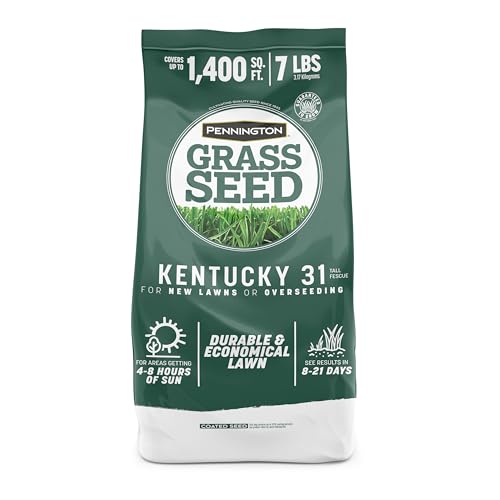
A grass seed for lawns that grows thick blades of grass that stand up to hot summers and heavy rains

Sun and shade grass seed for use in full sun to medium-shaded areas
Why Fall Planting Fescue Grass Seed Is Ideal
Because cooler air and warm soil converge in early fall, fescue seed germinates quickly and establishes deep roots before winter. You’ll notice that soil temperatures above 60 °F and reduced evaporation keep moisture steady, so germination occurs within 7‑21 days. This timing creates an extended growth period that lets roots develop for half a year, boosting overwintering performance and resulting in denser turf by spring. The mild winter and early spring heat further strengthen the system, while cooler temperatures suppress weed germination and lower pest pressure. By planting now, you avoid summer heat stress, reduce disease risk, and give the lawn a head start on growth, ensuring a resilient, low‑maintenance fescue stand. For optimal germination, maintain soil moisture within the ideal temperature range during the first two weeks. Selecting a winter‑ready grass variety like tall fescue can further enhance cold tolerance and disease resistance.
Step‑by‑Step Fall Planting Procedure for Fescue
With the benefits of fall planting established, follow a systematic procedure to prepare the site, amend the soil, and seed the fescue. First, run a soil test; adjust pH to 6.0‑7.0 with lime if needed. Apply 0‑46‑0 Triple Superphosphate for phosphorus deficits and a balanced fertilizer per test results. Remove debris, core‑aerify, and loosen the top 2‑3 inches. Use a roto‑tiller to cultivate 4‑6 inches, then water for one month to stimulate weed sprouts; spray before seeding. Spread high‑quality fescue seed at 5‑6 lb per 1,000 ft², lightly rake, and cover with 1/8‑1/4 inch soil or compost. Roll for firm contact, then apply 1 lb nitrogen per 1,000 ft². For overseeding established lawns, repeat the soil amendment techniques and guarantee even seed distribution before rolling. Water consistently for 7‑21 days to sustain germination. Proper seeding rate ensures uniform coverage and reduces gaps. Incorporating a mix of fine‑leaf and coarse‑leaf varieties can boost turf density and improve disease resistance. Understanding the soil texture helps optimize seed‑to‑soil contact for better germination.

3 IN 1 PRODUCT: This lawn care product contains a combination of grass seed, lawn fertilizer for grass, and soil improver to help establish deep roots for a thick, green lawn to be proud of

TALL FESCUE LAWN SEED: O.M. Scott & Sons Tall Fescue Blend Grass Seed contains grass seeds for lawns that grow dense grass to naturally crowd out weeds and helps you grow a resilient green space so you can go hard on your yard

LAWN BARE SPOT REPAIR: Scotts PatchMaster Lawn Repair Mix Sun + Shade Mix is a combination mulch, seed, and lawn fertilizer product specifically designed to provide all-in-one bare spot repair and grass patch repair for lawns
Regional Calendar for Planting Fescue Grass Seed
If you’re planting fescue, consult the regional calendar to match soil temperature (60‑70 °F) and the 6‑8‑week window before the first hard frost. For the Southeast and Transition Zone, aim for mid‑August to mid‑September, with overseeding August 15‑September 1 in western areas and September 1‑October 1 on the Piedmont and coastal plains; shift later by one to two weeks in shaded microclimates. In California, target late summer to early fall in the north and September‑October statewide, planting early morning or late afternoon to avoid midday heat. Kansas offers a dormant option: seed late November‑March after the October 15 fall cutoff, expecting germination when soils warm to 59‑72 °F. Remember regional timing dictates whether fall versus spring seeding yields ideal establishment. Proper soil pH adjustment during soil preparation can improve seed‑to‑soil ratios. Cool‑season grasses thrive when planted in the fall, taking advantage of milder temperatures and increased moisture. Understanding the average rainfall patterns in each region helps schedule irrigation for optimal germination.

Rebels is the original premium Tall Fescue lawn seed and it's still the best Tall Fescue on the market

3 IN 1 PRODUCT: This lawn care product contains a combination of grass seed, lawn fertilizer for grass, and soil improver to help establish deep roots for a thick, green lawn to be proud of
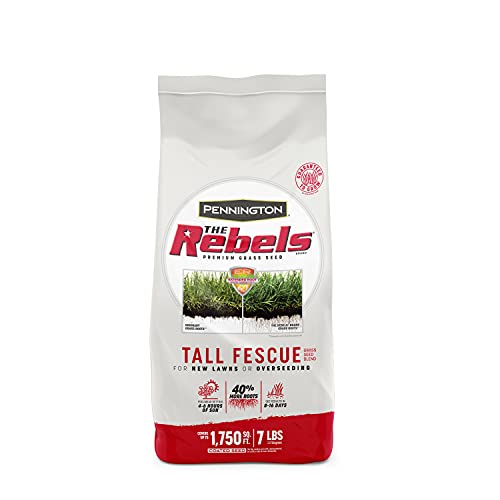
Rebels is the original premium Tall Fescue lawn seed and it's still the best Tall Fescue on the market
Seeding Rates, Soil Prep, and Post‑Plant Care for Fescue
When you’re ready to seed fescue, start by calculating the proper seeding rate—typically 5‑6 lb per 1,000 ft² for lawn establishment and 15‑20 lb per acre when drilling forage—then prepare a firm, well‑aerated seedbed that guarantees ½‑inch depth and intimate seed‑to‑soil contact. Core‑aerify to break compaction, then broadcast seed in two equal passes at right angles to eliminate gaps. Keep the top 1‑2 inches consistently moist; water 0.1‑0.25 in daily for the first three weeks, then taper frequency as roots deepen. Germination should appear within 5‑10 days, and seedlings will be ready for first mowing in 2‑3 weeks. Follow irrigation requirements closely and monitor establishment timelines to achieve full lawn maturity in 6‑9 months. Proper soil testing helps determine pH levels and nutrient needs before seeding. Selecting a grass variety that matches your climate zone ensures optimal growth and disease resistance. A typical acre requires about 2,000 lb of seed for dense pasture, highlighting the importance of accurate conversion from pounds per square foot.