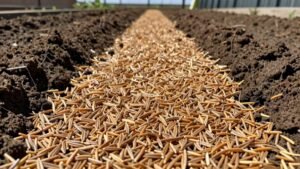

Frost won’t kill dormant grass seed; it just pauses metabolism and slows moisture uptake, so the seed stays viable if its surface stays protected and soil temperature stays near 50‑60 °F. Plant cool‑season seed 45 days before the first fall frost, keep the top few inches of soil consistently damp, and use a light straw or mesh cover to buffer temperature swings. Adjust pH to 6.2‑7.0, loosen the seed 4‑6 inches, and press seed into contact with the soil. Follow these steps and you’ll uncover even more ways to safeguard your lawn.
What Frost Does to Ungerminated Grass Seed
A few degrees of frost won’t kill ungerminated grass seed; the dormant kernels are built to endure cold snaps. You’ll notice that frost formation effects target surface water vapor, not the seed’s interior, so ice crystals form on leaves but leave the seed’s embryo untouched. Dormant seed resiliency stems from metabolic arrest below 50°F daytime and low‑40s °F soil temps, which suppress germination chemistry without causing cellular damage. When air dips under 32°F, ground frosts lower soil temperature, further slowing enzymatic activity and moisture uptake. This inhibition preserves viability until spring warming restores biochemical rates. Consequently, light, brief frosts delay sprouting but don’t diminish the seed’s future growth potential. Seed dormancy allows the embryo to survive prolonged cold periods without germinating. Proper moisture management during dormancy can extend the viable period by preventing desiccation and maintaining seed health. Grass species have adapted to a range of natural habitats, from temperate meadows to alpine slopes, illustrating the origin of grass seeds across diverse ecosystems.
When to Plant Grass Seed Before the First Frost?
Plant your cool‑season grass seed at least 45 days before the projected first fall frost, because that window gives seedlings enough time to establish root systems before winter’s hard freeze. Begin by checking local frost forecasts and then conduct soil temperature monitoring with a digital probe; aim for a stable 50‑60°F range. If temperatures dip below 50°F, you can safely employ dormant seeding, but remember dormant seeding risks include premature germination if a warm spell occurs, leading to tender seedlings that won’t survive hard freezes. Adjust timing for regional variations—northern zones may need a mid‑August start, while southern areas can wait until early September. Verify soil warmth daily, avoid planting on frozen ground, and synchronize sowing with the 45‑day buffer to maximize root development before winter. Cool‑season grasses grow most vigorously during late summer and early fall, making this period ideal for establishing a strong lawn. Understanding soil temperature thresholds helps ensure optimal germination conditions. Optimal sowing windows are also influenced by regional rainfall patterns, which can affect seed moisture availability. Proper soil preparation improves seed‑to‑soil contact, enhancing germination success.
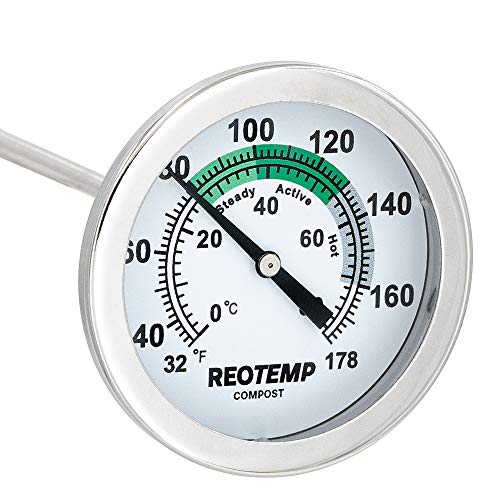
Perfect for the Beginner Composter - Free Digital Composting Guide Included - Expert instructions on how to get started composting and managing your compost pile for the most efficient compost production.

Trusted Since 2015: Become one of the many plant lovers who rely on the proven accuracy of XLUX. Established in 2015, our soil moisture meter has earned over 60,000+ verified ratings for its consistent performance. While many many newer brands come and go, we provide the long-term reliability and quality that American households have trusted for over a decade.
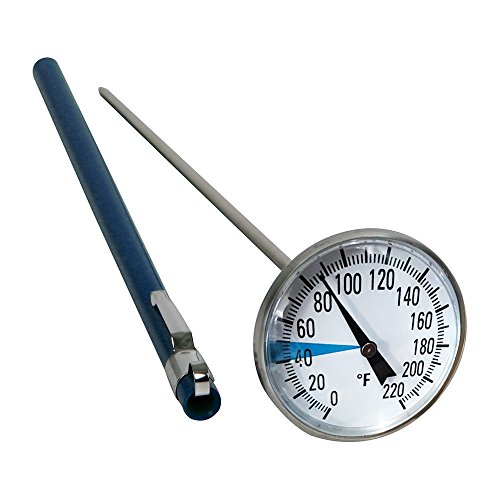
PRACTICAL SOLUTION - While other Soil Thermometers can’t tell the correct temperature, fogs up, and get broken easily, our soil thermometer has high precision performance, high-visibility, and is designed to last
Which Soil Temperatures Kick‑Start Grass Seed Germination?
Most lawns won’t start germinating until the soil consistently hits at least 50 °F (10 °C) at a depth of two inches. Below that, dormancy mechanisms keep the seed inert, regardless of optimum moisture levels. For cool‑season grasses, the sweet spot lies between 50 °F and 65 °F (10 °C–18 °C); Kentucky bluegrass, fine fescue, and perennial ryegrass germinate fastest here, shaving days off the typical 14‑21‑day timeline. Tall fescue prefers 60 °F–70 °F, while warm‑season varieties like Bermuda or zoysia demand 65 °F–70 °F, delaying planting until late spring. Monitor air temperature—steady 60 °F–75 °F usually yields the needed soil heat. Keep soil moist but not soggy to maintain optimum moisture levels without triggering rot. Coastal soils heat up more slowly due to the cold Atlantic Ocean. Adding a thin layer of straw mulch can moderate soil temperature and protect the seed from erosion. Ensuring a consistent moisture level throughout the germination period further accelerates seedling development. Selecting a seed blend that includes a dormancy‑break treatment can improve germination rates in marginally cool soils.
How to Prepare Soil (pH, Aeration, Moisture) for Frost‑Resilient Grass Seed
Optimizing soil pH, aeration, and moisture before frost seeding sets the foundation for resilient grass growth. First, run soil testing methods—pH probes, kit extracts, or laboratory analysis—to confirm a range of 6.2‑7.0, adjusting with lime or sulfur as needed. Target loamy or clay textures; they retain water and allow frost heaving. Loosen the top 4‑6 inches using a rotary tiller or core aerator, creating channels for air, water, and seed drop. After aeration, rake away debris, then water lightly to achieve consistent moisture without saturation. Maintain dampness for 10‑14 days, relying on freeze‑thaw cycles and occasional irrigation. Finally, broadcast grass seed distribution evenly, pressing the seed into the loosened soil for ideal contact. Proper aeration also reduces soil compaction which enhances root development and improves water infiltration. Regularly checking soil oxygen levels helps ensure the aeration process remains effective throughout the season. Aeration improves soil aeration by increasing oxygen availability for root systems.

Quick, at home results for Soil pH, Nitrogen, Phosphorous and Potash Innovative and inexpensive soil test kit features an easy-to-use capsule system and patented color comparators

Kindly NOTE: This soil tester can not be applied to test pH value of any other liquid. If the soil is too dry the indicator will not move, and water it before testing.

KNOW BEFORE YOU GROW | Grow the healthiest, sustainable lawn and garden with the most accurate and easy to use professional soil test kit on the market
Choosing Frost‑Tolerant Grass Seed Varieties
Choosing the right frost‑tolerant grass seed hinges on matching variety traits to your climate and lawn use. You’ll want tall fescue for its dense, self‑repairing growth and broad heat‑to‑drought tolerance; it thrives in conversion zones and tolerates extreme cold. Kentucky bluegrass offers the highest cold hardiness and a rhizome network that fills gaps, but expect slower establishment. Perennial ryegrass delivers rapid germination—ideal for quick cover—while still handling northern freezes. Fine fescue excels in shaded, cool‑season mixes and survives harsh winters. Orchardgrass and smooth bromegrass are proven for frost seeding, providing quick, durable stands in freeze‑thaw cycles. Integrate these selections with precise grass seeding techniques and thorough seed bed preparation to maximize germination success. Winter‑ready varieties also demonstrate superior disease resistance, reducing the need for chemical interventions. Selecting a seed with deep root development further enhances resilience to late‑season frost. Understanding soil pH is essential for optimal nutrient uptake and seedling vigor.

HEAT TOLERANT GRASS SEED - Our cool-season grass seed mix contains tall fescue and Texas bluegrass. This turfgrass mix performs best in full sun to lightly shaded growing conditions and has the ability to tolerate heat up to 100°F.
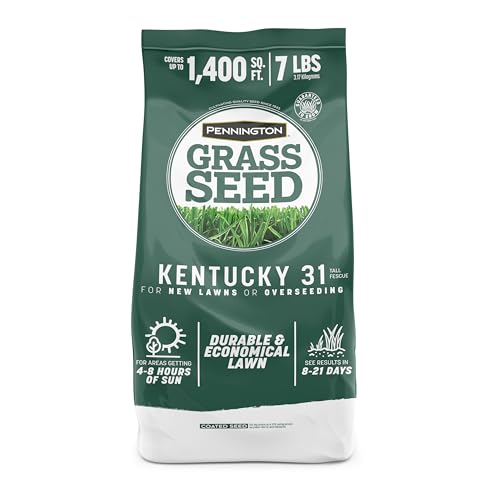
A grass seed for lawns that grows thick blades of grass that stand up to hot summers and heavy rains

DROUGHT TOLERANT LAWN: Scotts Grass Seed Drought Tolerant Mix self-repairs to fill in bare spots; this drought-tolerant grass seed mix also grows deep roots to help conserve water
Best Low‑Cost Frost Covers for Young Grass Seedlings
A handful of inexpensive materials can shield newly‑sown grass from frost while keeping costs low. You can repurpose old bedsheets, blankets, or cardboard as DIY low cost barriers, draping them over seedlings to block radiative heat loss and snow accumulation. Secure edges with bricks or twine to prevent wind‑driven gaps, and lift the cover during sunny periods for ventilation. Straw bales or loose mulch mounds add windbreaks and insulation; tie them down with twine and remove in spring for uniform growth. When you need a more engineered solution, store bought protective blankets such as Pennington straw mats or EVERGREEN™ turf blankets provide consistent thermal retention and moisture control. Clear plastic row covers topped with a frost blanket extend protection to sub‑zero temperatures while allowing light penetration. Consider using bird‑deterrent netting to keep birds away from the tender seedlings while the frost cover is in place. Mulch can also act as a natural temperature regulator, helping to maintain soil warmth during cold snaps.

【10X50FT Plant Covers Freeze Protection】: Large size allows you to cut it into different sizes for different purposes. You can use whole pieces garden fabric plant blankets to cover and protect whole garden plots, or you can cut them into small pieces for wrapping fruit trees, potted plants, ornamental crops.

Premium Durability and Stability: Unlike other covers that may quickly tear apart, our frost blankets for plants boast superior durability thanks to upgraded materials and thicker 1.2oz/yd² fabric. We've also integrated anti-UV technology for enhanced stability, ensuring effective shielding for your garden.

Heavy-weight for Winter -- 1.2 oz./sq. yard plant cover are usually used to extend the growing season in spring and fall, allow 30%-50% light transmission, and recommend of freeze protection and season extension
Watering Tips to Buffer Grass Seed From Frost Damage
After securing a low‑cost frost cover, the next step is to water the seedbed properly before temperatures dip. Deeply soak the soil in the evening before a predicted frost; this maximizes moisture retention and triggers the exothermic evaporation that warms blades. Schedule lawn irrigation to deliver 1–1.5 inches of water 6–8 hours before nightfall, then pause until sunrise. Avoid watering during an active frost, as added moisture freezes on contact and damages cells. Consistent pre‑frost hydration strengthens root development, supporting disease prevention techniques by reducing stress‑induced susceptibility. Pair this routine with fall fertilization and aeration to improve water penetration, ensuring the young seedlings retain enough heat to survive sub‑zero air temperatures. Light frequent watering helps keep the soil consistently moist during the critical germination phase. Adjust watering frequency according to soil type to avoid over‑saturation and promote deep root growth. Consider the soil’s water‑holding capacity when planning irrigation to prevent runoff and maximize efficiency.

【Keep Landscape Fabric Firmly in Place】The 6-inch length provides improved holding power compared to shorter staples, helping secure weed barriers, landscape fabric, and ground covers against wind, rain, and shifting soil.
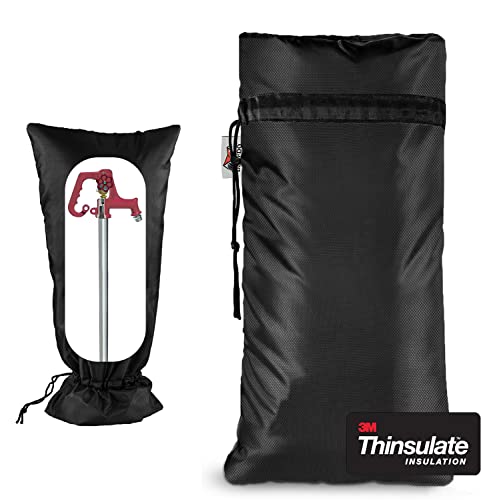
XXL Enlarge Size – 25 x 13 inch (64cm x 33cm), fits for all standard garden lawn faucets and yard hydrant. It is about three inch or four larger than most of other faucet covers, so that it can reach the ground, cover every inch of your yard spigot.

11-GAUGE HOT-DIP GALVANIZED STEEL – Made of thick 11-gauge hot-dip galvanized steel with a durable zinc coating for rust resistance and reliable strength. Each staple is 6 in long, 1.2 in wide at the top, and about 1.5 in wide at the bottom. The legs can be adjusted by hand to fit different applications. Press into normal garden soil by hand or boot; for hard or dry ground, use a rubber mallet with gentle taps to help keep the staples straight.
Post‑Frost Care: Reviving Stressed Grass Seedlings
If you notice brown tips or limp shoots after a frost, don’t assume the seedlings are dead; those signs often indicate temporary stress that can be reversed with targeted post‑frost care. First, assess soil compaction; aerate the lawn to restore water, oxygen, and nutrient pathways, which supports root recovery and minimizes frost impact. Apply a balanced, slow‑release fertilizer in early spring once growth resumes, keeping pH between 6.2 and 7.0 for ideal nutrient uptake. Avoid cutting until blades reach at least 2 inches, then trim no more than one‑third of the height to preserve photosynthetic capacity. Align these actions with your seasonal mowing schedules, gradually increasing cut height as the turf strengthens. This systematic approach restores vigor and prepares the lawn for future temperature fluctuations. Proper aeration also helps improve water infiltration and reduces the risk of disease by allowing better airflow through the soil.
Common Mistakes That Reduce Grass Seed Frost Survival
Three common mistakes—mistimed seeding, poor soil preparation, and improper watering—cut your grass seed’s chance of surviving frost. When you sow too early, seedlings emerge before the first freeze, leaving fragile shoots vulnerable to seasonal temperature effects. Planting less than 45 days before the expected frost prevents root development, reducing sown seed quality. Compact soil or heavy clay traps water that freezes, while sand drains too quickly, both impairing root insulation. Incorrect watering compounds the problem: irrigating during sub‑35 °F nights creates ice around roots, and skipping a light pre‑freeze soak forfeits the heat‑retention benefit of evaporation. Overwatering before a hard frost weakens seedlings, and walking on frozen ground crushes emerging blades, further compromising survival.