
Aerate your lawn by first mowing to 1.5‑2 inches, then use a core aerator to pull 2‑3 inch plugs in overlapping, crossed‑direction passes, leaving the plugs on the surface to decompose and feed microbes. Choose core aeration for heavy clay or high traffic, spike or liquid methods for milder soils, and time it for early spring/late fall on cool‑season grasses or late spring on warm‑season varieties when the ground’s damp but not soggy. Proper timing, method, and plug management will boost water absorption, nitrogen uptake, and root health, setting the stage for a lusher, more resilient yard.
What Is Lawn Aeration and Why It Matters
When you aerate your lawn, you’re strategically punching tiny holes that let air, water, and nutrients flow into the root zone, breaking up the compaction that builds up from foot traffic, mowing, and everyday use. Core aeration extracts finger‑sized plugs a few inches deep, creating channels that dissolve compaction and invite microbial activity. Those plugs crumble on the surface, feeding soil microbes that decompose thatch and release nutrients. As oxygen and water penetrate deeper, roots spread, forming a dense network that captures fertilizer more efficiently. The result is measurable soil health benefits: improved water absorption, higher nitrogen uptake, and a resilient root system that drives enhanced grass growth, even under heat or drought stress. This process transforms a compacted lawn into a vibrant, sustainable ecosystem. Core aeration also helps reduce the prevalence of plantain weeds by alleviating the soil compaction they thrive in. Regular aeration can also boost soil porosity and promote healthier microbial communities. Consistent aeration supports long‑term root development by continually relieving soil pressure.
Choosing the Right Aeration Method for Your Lawn Type
Choosing the right aeration method hinges on your lawn’s soil type, traffic level, and size. For heavy clay or compacted soils with high foot traffic, core aeration—especially powered machines that pull 2‑3‑inch plugs—offers deep relief and improves drainage. If your lawn is small to medium, has mild compaction, and contains little rock, spike aeration via a rolling push or handheld tool works, but avoid it on high‑clay soils. Liquid aeration with sprayable solutions penetrates up to 12 inches, supports microbes, and fits any lawn size and traffic pattern without disrupting existing grass. Manual options like a pitchfork or aerating shoes suit spot treatment on under‑1,000‑sq‑ft areas. Match each technique to soil composition considerations, lawn size, and traffic for sustainable, aesthetic results. Core aeration also reduces the need for dethatching over time. Proper timing of aeration can enhance seed‑to‑soil contact and lead to a thicker, healthier lawn. The soil compaction level determines how many passes are needed for optimal results. Aerating during the optimal seasonal window maximizes root recovery and overall lawn vigor.
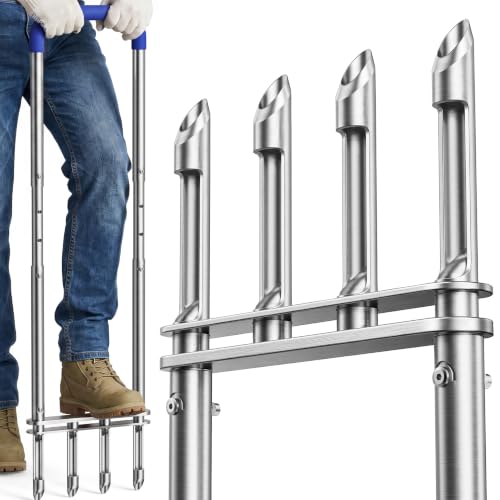
1.Adjustable Height for a More Comfortable Working Position: Extend the lawn aerator from 43.3 to 48.5 inches to match your height and preferred stance. The upright handle, open knee area and cushioned non-slip grip help make repeated lawn aeration more controlled and less demanding on your back.

Deeper Aeration: The lawn aerator features angled coring tines that cut through hardened soil, pulling out 3-in deep soil plugs. Wide side slots help prevent clogging. Deeper aeration delivers oxygen, water, and nutrients to the roots
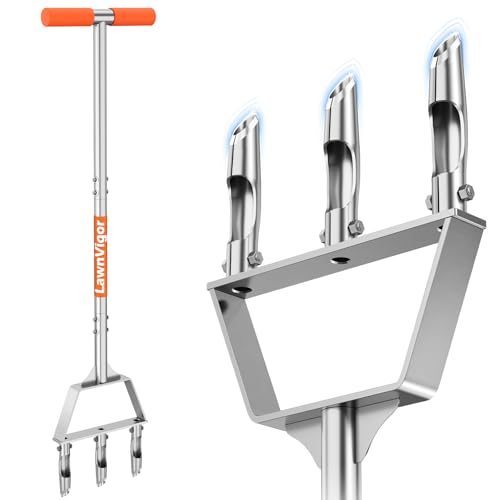
LAWN AERATOR FOR HEALTHIER LAWN GROWTH: Our manual lawn aerators promotes lush, green lawns by delivering essential air, water and nutrients deep into the soils. The lawn air aerator tool ensures healthier grass growth. (Note: Please water dry soil before use and do not rock, twist, or pry the tool side-to-side when it's in the ground.)
Timing and Frequency of Lawn Aeration
A well‑timed aeration schedule hinges on grass type, climate, and soil moisture, ensuring each plug removal maximizes root expansion while minimizing stress. For cool‑season grasses, aim for early spring or the window from late August through early November, respecting seasonal timing restrictions that end by late October. Warm‑season lawns thrive when aerated in late spring to early summer, when growth peaks. Prior to aeration, check soil moisture considerations: the ground should be damp but not soggy—watering the day before or after a light rain works best. Generally, one aeration per year suffices; high‑traffic zones or heavy thatch may need a second pass every 1‑2 years. Adjust frequency based on soil compaction and turf health, not a rigid calendar. Proper aeration removes plugs from the lawn, reducing soil compaction and improving root health. This practice also enhances water absorption, helping the lawn stay resilient during dry periods. In Ohio, the most effective aeration window is mid‑April to early May when soil moisture is optimal for root penetration. For Colorado lawns, the ideal soil temperature range is 50–65 °F to ensure optimal root growth.
Aeration Process: Mowing, Plug Management, and More
If you lower the mower to about 1.5–2 inches before aerating, you’ll expose the soil enough for the core tines to penetrate cleanly without scalping the crowns. Set the mower blade low, mow in even rows, and then sharpen the blade after you break up the plugs—this is essential mower blade maintenance and keeps cutting efficiency high. Follow equipment recommendations: rent a core aerator with hollow tines, attach tow‑behind models securely to a lawn tractor, and make multiple overlapping passes at varying angles to reach compacted zones. The extracted plugs, 0.5–0.75 inches in diameter and 2–3 inches long, should stay on the surface to decompose, enriching the soil. Water regularly, and after 2–4 weeks, break up any remaining plugs with the mower for a uniform, lush appearance. Fall aeration also helps reduce weed germination, giving your lawn a cleaner start to the growing season. Proper seed soil seed selection ] ensures that the new grass fills the aerated holes quickly and densely.

1.Pulls 4 Soil Cores for More Effective Lawn Aeration: Four reinforced hollow tines remove plugs from compacted ground instead of merely creating surface holes. The open channels help air, water and nutrients travel deeper into the root zone, supporting stronger roots, improved drainage and healthier grass growth.

1.Reinforced Square-Tube Step Creates a Stable Power Point: The thickened square-tube foot bar offers a firm contact surface for applying concentrated downward force. Its rigid profile helps keep the aerator steady underfoot, giving you controlled leverage when penetrating compacted soil and dense lawn areas.
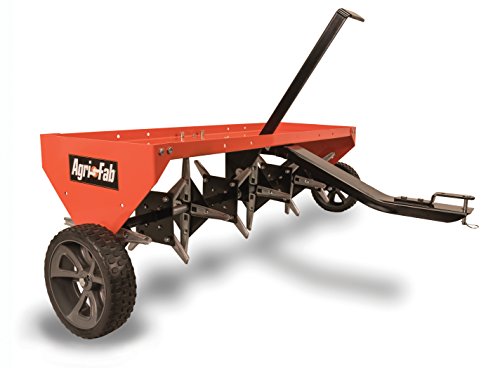
DEEP SOIL AERATION PERFORMANCE: Pulls plugs up to 3 in deep to improve airflow, water absorption, and nutrient penetration for stronger healthier lawn growth
Common Aeration Mistakes and How to Fix Them
When you overlook proper aeration timing, method, or equipment, the lawn quickly shows signs of stress—uneven surfaces, yellowing grass, and compacted soil. Overcompaction issues arise if you spike‑aerate, because the holes stay filled and the soil tightens further, while ineffective practices like liquid aeration or dry‑soil plugging leave plugs shallow and wasteful. Guarantee this by watering 1–2 days beforehand until the ground feels damp, then use a core aerator that removes 2‑3 inch plugs spaced 2‑3 inches apart. Schedule for early fall on cool‑season grasses or late spring for warm‑season varieties, and allow a recovery period before the next pass. Double‑pass, crossed‑direction patterns verify uniform coverage without damaging sprinklers or wiring. Proper soil moisture is critical for effective aeration, and watering the lawn to a moderately moist condition before starting helps the plugs to be removed cleanly and reduces the risk of soil compaction. For optimal results, consider aerating during the early spring window when root growth is most vigorous. Mid‑September is often the ideal time because soil temperatures are warm enough to promote rapid root expansion.

Maintaining Lawn Health: This rolling aerator lawn tool effectively addresses soil compaction and promotes lawn root growth. This manual lawn aerator penetrates and loosens the soil. This will help break down thatch and improve the flow of air, water and nutrients to your lawn's roots. The end result is a fertile, beautiful and healthy lawn. The core aerator is also ideal for a variety of soils

【TRUE CORE AERATION FOR HEALTHIER LAWNS】This manual lawn aerator removes soil plugs to relieve compaction at the root level. By creating open channels beneath the surface, it improves airflow, water penetration, and nutrient absorption—supporting thicker and stronger grass growth over time

Soil Core Collection Tray: The upgraded lawn aerator tool features an automatic soil core collection tray. No extra cleanup is required—this significantly reduces post-aeration cleanup time, aerator lawn tool making garden maintenance easier and more convenient than ever.