
A lawn sweeper is a mechanically driven tool that uses rotating soft‑bristle brushes to lift leaves, pine needles, twigs and grass clippings, then channels the debris into a rear hopper or bag. The wheels turn an axle, which spins the high‑velocity brushes; their downward combing motion dislodges material while upward airflow directs it into the sealed container. You can choose push, tow‑behind or powered models based on yard size, terrain and debris load, and adjust brush height for ideal cleaning. Continue for details on brush types, hopper capacities and safety tips.
Lawn Sweeper Definition & Core Benefits
A lawn sweeper is a simple, mechanically‑driven tool that uses rotating soft‑bristle brushes to lift leaves, pine needles, twigs, grass clippings and other yard debris and deposit it into a rear hopper or bag. You’ll notice it adapts to varied lawn composition types—whether a fine‑bladed turf, a mixed‑grass patch, or a shaded area with pine needles—by adjusting brush speed and bristle flexibility. The design emphasizes debris minimization techniques: the brushes comb through grass, dislodge particles, and funnel them directly into the hopper, preventing thatch buildup and reducing repeat passes. Because the machine relies on manual or low‑power propulsion, it delivers efficient, low‑effort cleaning while preserving blade integrity and maintaining a pristine aesthetic across the entire yard. Selecting the right mower speed can also complement sweeping by reducing the amount of clippings left behind, which is especially beneficial in high‑frequency mowing schedules. Proper timing of lawn care tasks, such as seasonal mowing adjustments, maximizes grass health and resilience throughout the year.
How It Works: Wheels to Hopper
When you push the sweeper, the wheels turn the axle, which in turn spins the high‑velocity brushes; this direct mechanical link guarantees that every forward foot of motion instantly translates into a sweeping action that lifts debris. The axle design balances load distribution between wheel torque and brush momentum, ensuring smooth, consistent rotation. As the wheels roll, the brushes comb downward, dislodging leaves, twigs, pine needles, and grass clippings. The upward‑directed brush flow channels material into the rear hopper, where a sealed container captures the debris. The hopper’s shape and venting prevent back‑flow, while its capacity—up to 20 cu ft—minimizes frequent emptying. This seamless energy transfer from wheels to hopper creates a clean, efficient sweep without extra effort. The brush height can be adjusted by pushing down on the height adjustment lever, allowing the brushes to sit 1/2 inch into the grass for optimal performance. Regularly cleaning the deck with a grass‑preventing solution helps keep the brushes and hopper free from buildup, ensuring consistent operation. Mulching the grass clippings as you sweep can enhance soil health by returning natural nutrients to the lawn. Proper mulch depth can also suppress weed germination by limiting light exposure to weed seeds.
When to Sweep: Seasonal & Post‑Mowing Tips
The wheels‑to‑brush mechanism you just explored now guides you to the timing of each sweep, because the effectiveness of debris removal hinges on seasonal growth patterns and post‑mowing residue. In early spring, wait until temperatures stay above 50 °F for several days, then lightly rake dead leaves and sticks without pulling grass. Check for bare spot treatment needs and address snow mold before your first sweep. During summer, sweep after each mowing session—typically every five days—to prevent clippings from matting and to support thatch management. Early fall calls for a thorough leaf cleanup before matting, followed by a short mow and a final sweep in late fall to keep the lawn breathable. Adjust frequency based on rainfall and growth rate. Understanding grass growth cycles helps you align mowing height and sweep timing with optimal lawn health. Consider soil temperature trends when planning your sweep schedule to ensure the lawn remains healthy through seasonal transitions. Incorporating selective herbicide timing can further reduce thistle competition and promote a denser, more resilient turf.

Keep Your Lawn Spotless: Unlike most lawn sweepers, our lawn sweeper has thickened and densified brushes to increase the overall sweeping force and prevent deformation. With a sweeping width of 21"/53.5 cm, it can pick up 80% of the debris in one pass.
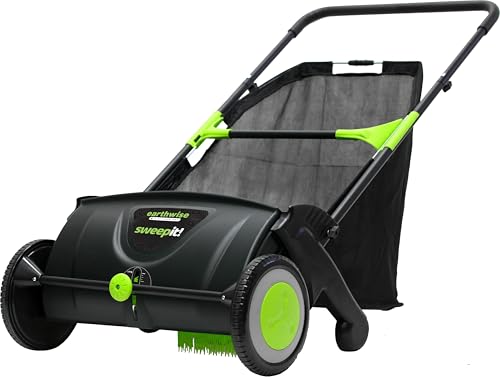
Designed for dry lawn debris: Intended for collecting dry leaves and light yard debris from flat, regularly maintained lawns; performance may vary depending on lawn conditions, grass height, weather, and debris type

Proven Reliability for Your Lawn Sweeper: Built on years of real-world feedback, this 26-inch push lawn sweeper features a market-tested, heavy-duty steel frame. Unlike unproven models, our classic design ensures superior structural integrity and dependable performance for your yard cleanup needs season after season.
Push vs. Tow‑Behind vs. Powered Lawn Sweepers: Which Is Best?
If you’re weighing push, tow‑behind, and powered sweepers, start by matching the tool to your yard’s size, terrain, and the effort you’re willing to invest. Push sweepers excel on small‑to‑medium lawns, offering tight maneuverability, zero‑emission operation, and a modest $150‑$339 price tag; they require no power source options and fit neatly in tight spaces. Tow‑behind models attach to a riding mower or tractor, delivering 30‑60‑inch sweep paths and 25‑26 cu ft hoppers for medium‑to‑large areas, while minimizing physical strain; their attachment compatibility hinges on hitch dimensions. Powered sweepers, typically tow‑behind with gasoline or electric motors, handle heavier debris and larger parcels, but demand reliable power source options and a higher upfront cost. Choose based on yard scale, equipment you already own, and how much effort you want to invest. Consider the cutting width to ensure efficient coverage for your lawn’s specific dimensions. Zero‑turn mowers provide fast, precise turns that can complement a powered sweeper on larger lawns. Selecting the right mower type also hinges on engine power to match the terrain’s demands.

Sweeping Faster and Smarter: VEVOR walk-behind hand push floor sweeper adopts human-powered sweeping mechanism, breaking free from the electricity and fuel constraints. No need for repetitive back-and-forth movements like laborious brooms, our large side brushes cover 25.6-inch large sweeping paths in one go, ensuring thorough and rapid cleaning, 5 times faster than traditional brooms.

CLEAN IN 2-3 SWEEPS This electric power broom sweeper quickly removes leaves, dirt, and pet hair from artificial lawns. Designed for small gardens and compact turf areas, the rotating brush efficiently sweeps debris while grooming the grass fibers for a cleaner lawn. Always use both hands to prevent wobbling of the sweeper while operating.

QUICK, MANUAL LAWN CLEANUP – The 26-inch sweeping width and spinning brushes collect dry leaves, grass clippings and other light lawn debris without gas, batteries, cords or engine noise.
Lawn Sweeper Brush Types & Height Settings for Debris
Because lawn sweepers rely on brush design to balance thorough debris removal with turf protection, understanding brush material, aggressiveness, and height settings is crucial. You’ll choose between polypropylene for gentle, general cleaning, nylon for bend recovery, steel wire for heavy‑duty scraping, or combination brushes that blend these qualities. Bristle type selection drives cleaning power optimization: light‑grit polypropylene works on delicate grass, while thicker, grit‑filled steel bristles tackle stubborn leaves and pet hair. Adjustable height settings—five positions ranging from low for short turf to high for thick debris—let you match brush proximity to grass length, preventing damage while maximizing collection. Counter‑rotating, cylindrical designs guarantee consistent ground contact, and quick‑adjust mechanisms let you shift heights on the fly, preserving aesthetics and efficiency. If the starter cord is stuck, first disconnect the spark plug and then gently pull the cord while applying lubricant to free the jam. Always work in a well‑ventilated area when handling fuel to reduce fire risk. Regular maintenance, such as checking blade sharpness, can prevent uneven cuts and improve overall mower performance, especially when the grass is tall and thick.

SUPERIOR SWEEPING POWER WITH 85% ONE-PASS PICKUP: Our upgraded push lawn sweeper features thickened, wear-resistant brushes with optimized density for stronger sweeping force and zero bristle deformation. The 26" (66.4 cm) working width grabs up to 85% of leaves, grass clippings, and yard debris in a single pass—so you finish faster with less effort.

【Powerful Cleaning System】This 26-inch lawn sweeper is a high-performance push lawn sweeper and leaf collector with a 5:1 brush-to-wheel ratio. It can effectively collect up to 85% of dry leaves, grass clippings, and pine needles in one sweep - serving as both a leaf sweeper and a grass clipping collector, greatly reducing your yard cleaning time

Wide 21.2-Inch Coverage for Efficient Yard Work: The 21.2-inch sweeping path helps gather leaves, grass clippings, pine needles, and other lightweight debris across a broad area. Rotating brushes collect yard waste as you push, making routine lawn cleanup more convenient.
Hopper Size Guide for Different Lawns
Choosing the right hopper size hinges on your lawn’s acreage and terrain, so you can guarantee debris collection efficiency without constant emptying. For a sub‑0.5‑acre yard, a hand‑push sweeper with a 10–20 cu ft. hopper—often a 3.5 cu ft. unit with a 21‑in. sweep width—offers lightweight maneuverability and compact storage. Medium lawns (0.5–1 acre) benefit from walk‑behind models with 20–25 cu ft. hoppers; a 22 cu ft. hopper paired with a 42‑in. width balances coverage, while a 44‑in. width clears debris 24 % faster. Large properties over 1 acre call for high‑capacity hoppers exceeding 30 cu ft., or sturdy 25 cu ft. units with 42‑in. sweepers for minimal stops. Terrain based hopper considerations matter: flat ground works with 10–25 cu ft., hilly terrain needs treaded wheels and 20+ cu ft., and uneven ground prefers adjustable 22–25 cu ft. hoppers. Hopper capacity optimization guarantees you collect more per pass while maintaining stability and aesthetic uniformity across the yard. Mowing duration can also be influenced by the mower’s speed and the grass height. Proper water pressure assessment helps ensure the sweeper operates efficiently on varying slopes.

Durable Frame & Convenient Storage: The powder-coated steel construction offers stable support for regular use, while the included tool bag keeps scissors and small garden tools organized

1️⃣ 4-Brush Sweeping System: This push lawn sweeper is equipped with four high-density brushes, designed to improve debris pickup compared to standard 2-brush models. The reinforced bristle structure helps collect leaves, grass clippings, and light yard debris efficiently across lawns, yards, and gardens.

KEEP YOUR LAWN SPOTLESS: Unlike typical lawn sweepers, our model features thickened and reinforced brushes that enhance sweeping power and resist deformation. With a sweeping width of 26 inches, it effectively picks up up to 95% of debris in a single pass
Safety Tips & Common Mistakes
Optimizing hopper size guarantees efficient debris collection, but safety determines whether that efficiency translates into a smooth, injury‑free operation. You should wear proper personal protective equipment—safety glasses, sturdy shoes, and gloves—before you start. Inspect the sweeper for loose fasteners, worn brushes, or stray objects; a missed rock can cause a sudden jam. Common operational mistakes include pushing with your arms only, which strains the back, and holding the rope near your wrists, which risks entanglement. Keep your back straight, use your legs to propel, and never place hands near rotating wheels or brushes. Limit speed to six miles per hour, especially on hills or rough terrain, and avoid sudden turns. Finally, keep children and pets at a safe distance and never operate in wet or fire‑hazardous conditions. Always read the owner’s manual for safe operating procedures before each use. When lifting a lawn mower, engage your core muscles and lift with your legs to avoid back strain. Proper lifting technique is essential for preventing injury. Follow a five‑step blade removal process to ensure the mower is completely powered down and the blade is secured before any maintenance.
Maintenance Checklist: Brushes, Gears & Storage
When you finish a mowing session, a systematic maintenance routine for brushes, gears, and storage keeps your lawn sweeper performing at peak efficiency. First, inspect brushes before each use—check bristle wear, alignment, and debris buildup; replace any that are frayed or bent. Set the brushes ½ in. into the grass after adjusting the height tube, then oil the shaft bearings twice yearly. Follow gear lubrication intervals: clean internal gears every two years, then apply a thin layer of light grease. Verify component inspection frequency for bolts, nuts, and cotters, tightening any loose fasteners. Empty the hopper bag before it’s heavy, clean the housing, and cover the unit with a tarp. Hang or fold the sweeper to protect it during off‑season storage. Also, inspect the hub cap before each use to ensure it is securely attached. Remember to use proper jack stands when lifting any heavy equipment to maintain stability and safety.
Lawn Sweeper Buying Guide: Features, Prices & Top Models
A well‑equipped lawn sweeper blends functional engineering with visual simplicity, letting you match brush rotation, hopper volume, and wheel size to your terrain and budget. When comparing models, weigh pros and cons of push versus tow‑behind designs: push units (e.g., Earthwise LSW70021) cost $150‑$200, offer smaller wheels for maneuverability, but limit width. Tow‑behind options start at $278 and expand to $600, providing 11‑12‑inch wheels for stability, larger hoppers (20‑26 cu ft), and universal hitches. Power source options include manual, electric, or gasoline, each affecting maintenance and noise. Top picks—Agri‑Fab 44‑inch (best overall), Yard Commander 42‑inch (best value), Ohio Steel 50‑inch (heavy‑duty), Agri‑Fab 52‑inch (large yards)—balance capacity, wheel size, and price to suit your lawn’s aesthetic and functional needs. The Ohio Steel model features a massive 50‑inch sweeping width and a 26‑cubic‑foot hopper, making it ideal for large, flat lawns.

HIGH-CAPACITY DEBRIS COLLECTION: Large 28 cu ft flow-through hopper bag fills from back to front for improved debris collection and fewer unloading interruptions
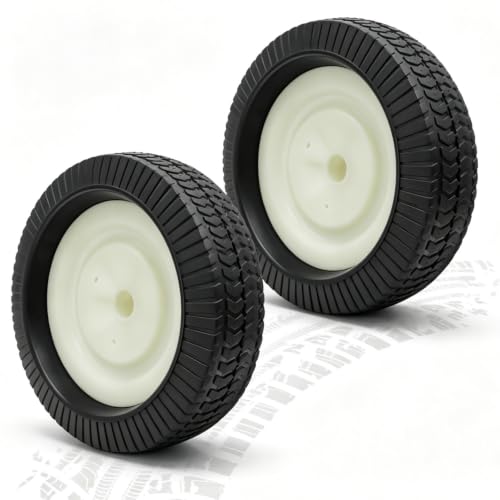
Wide Compatibility:44985 lawn sweeper wheel compatible with Agri-Fab 42” lawn sweepers (45-05214-669, 45-05215),Also compatible with Cub Cadet 163 222 483 459 459 A and MTD series19468S (1985) tow-behind sweepers;Replace part numbers: AF-44985, 4636-018, 4638-018, 3108-148,The axle hole, gear, and hub dimensions of the tire are consistent with those of the original factory and do not require modification

48" WORKING WIDTH - YINTATECH leaf collector tow behind features a 48-inch sweeping width with easily adjustable height to adapt to different terrains, enabling efficient cleaning and rapid leaf collection, substantially reducing your working time