
You should sharpen your mower blades every 20‑25 hours of cutting, which usually translates to two sharpenings per season—once in early spring to remove winter dullness and again in mid‑summer after the cumulative mowing time hits the threshold. Track each mow’s duration, convert minutes to hours, and add them up; when you’re near the 20‑hour mark, schedule a sharpening. Watch for shredded clippings, uneven cuts, or increased vibration as early warnings. If you keep a log and follow the seasonal timeline, you’ll uncover more detailed scheduling tips.
How Often Should You Sharpen Your Mower Blades?
A typical lawn‑mower blade stays sharp for about 20–25 hours of cutting, so you’ll need to sharpen it roughly twice each season—once in early spring and again by mid‑summer. To guarantee sharpen frequency optimization, track weekly mowing hours and note any dents, nicks, or uneven grass height. When cumulative cutting time approaches the 20‑hour threshold, schedule a sharpening session before the next mowing cycle. Ignoring blade sharpness consequences—such as torn grass, brown frayed tips, and increased disease susceptibility—reduces lawn uniformity and forces extra fuel consumption. If you encounter rock‑impact dents, sharpen immediately to prevent edge deformation. Balance checks after each sharpening secure the blade remains true, extending its service life and maintaining cutting efficiency. Sharpening should be done more often if you notice thick or lush grass. A sharp blade also promotes healthier root growth by cleanly cutting the grass stems. Maintaining sharp blades also helps to reduce weed seed spread and keep the lawn looking more attractive. Properly securing the blade in a bench vise ensures a stable angle while filing.
How to Calculate Mower Blade Sharpening Hours From Your Schedule
Start by timing a single mow with your phone, then use that measurement to compute how many cuts you can make before the blade reaches the 20‑25‑hour sharpening threshold. Record the duration in minutes, convert to hours, and note any obstacles that slowed you. Divide the 25‑hour maximum by that hour value to get the number of cuts you can safely execute; use 20 hours if you work in dusty conditions. Keep a running log of each session, adding the hours after every pass. Adjust the count for yard size, debris, and sticks, which demand earlier checks. For a 30‑minute mow, schedule sharpening every 50 cuts, ensuring you maintain ideal mowing speed and proper mowing technique throughout the season. Sharpen blades 2‑3 times per season for a typical residential lawn. You can also consult a hardware store for professional blade sharpening services if you prefer not to DIY. Bench grinder safety is essential to prevent injury while sharpening. Maintaining a clean cut improves lawn health and reduces stress on the mower.
When to Schedule Mower Blade Sharpening: Spring, Summer, or Fall?
After logging your mowing hours and identifying the cut‑off point for blade wear, you can now decide which season is best for sharpening. For proper mower maintenance, schedule the first sharpening in early spring, before the season mowing. This removes winter‑induced dullness and rust, ensuring a clean initial cut. Mid‑summer, after roughly 20‑25 mowing hours, perform a second sharpening to counteract peak‑season wear, especially if grass is thick or you encounter debris. Finally, execute a fall sharpening before storage; this prevents disease‑prone stress and lets you inspect the deck for replacement. Follow this seasonal sharpening timeline, adjusting for heavy use or tough grass, to keep blades consistently sharp throughout the year. Sharp blades reduce lawn stress and promote healthier growth.

Brushless Motor for Powerful Performance: SporGain mower blade sharpener tool is equipped with a high-performance brushless motor, this lawn mower blade sharpener provides stronger power, lower noise, and longer lifespan than traditional motors, delivering smooth and efficient sharpening for lawn mower blades

Pro-Grade Corundum Sharpening Stones: Crafted with industrial-grade corundum, these 4 sharpeners resist wear and tear even under heavy use. The dual-layer design (coarse + fine grit) tackles rust, nicks, and dull edges in seconds, restoring blades to razor-sharp precision—extend mower lifespan and reduce engine strain!
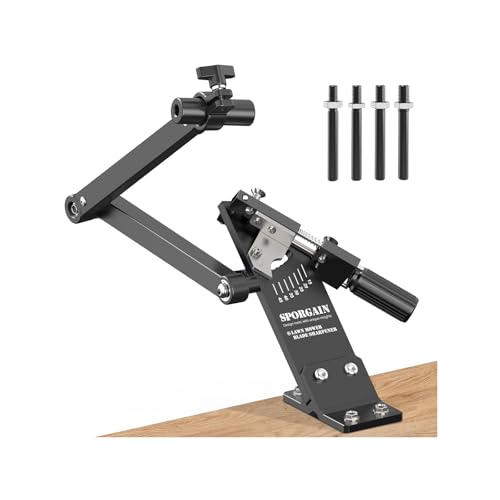
[ Updated ] Lawn Mower Blade Sharpener: SporGain mower blades sharpener suitable for Blades standard straight, mulching and high-lift mower.
Warning Signs That Your Mower Blade Needs Sharpening
If you notice torn, shredded clippings or ragged grass edges after mowing, those are clear signs the blade is dull. You’ll also see uneven cuts, jagged turf strips, and brown tip patches that replace a clean green carpet. These visual cues link directly to the blade rotation pattern; a dull edge disrupts the sinusoidal motion, producing irregular contact and uneven tear. Pay attention to vibration increase: a louder, shaking mower under normal load signals loss of balance in the rotation pattern. Finally, examine the blade for physical damage—bends, dents, or chips—because they alter the mowing frequency correlation, causing inconsistent cuts and accelerated wear. Addressing these warnings promptly restores cut quality and lawn health. Regular sharpening helps prevent these issues. Using a bench grinder at the correct angle ensures a consistent edge and prolongs blade life. Properly balancing mower blades reduces vibration and extends blade lifespan. Choosing the right blade type for your grass, such as a mulching blade for fine turf, can also minimize the frequency of needed sharpening.
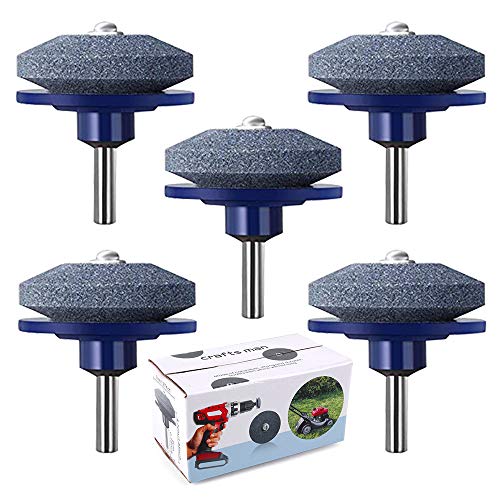
Lawn Mower Blade Sharpener : The new version of the Lawn Mower Blade Sharpener is Made of corundum, it solves the base wear caused by the excessive speed of grindstone, and effectively prolongs the service life and improves the use effect of the product. Our lawn mower blade sharpener is provided by the original factory, and it is guaranteed.

VERSATILE – The most versatile sharpener in the market to sharpen and hone both single and double beveled blades including knife, mower blade, pruner, loppers, hedge shears, axe, machete, hatchet, scissors, edged tool, etc.

The lawn mower blade sharpener is made of brown corundum, which has high durability and is not easily melted at high temperatures, making it suitable for long-term use.
When to Sharpen vs. Replace a Blade
When should you sharpen a mower blade, and when is replacement the wiser choice? You sharpen when dents, nicks, or frayed grass tips appear, or when vibration signals imbalance. Track mowing hours; after every 20‑25 hours of use, assess blade condition. If minor dullness or superficial nicks exist, sharpen and rebalance. Apply impact damage considerations: a single rock strike may be fixable, but repeated heavy impacts create excessive dents, thinning material, or cracks. Those signs trigger blade replacement criteria. Persistent wobble after sharpening, structural cracks, or material loss beyond a few millimeters demand a new blade. Balance the blade after each service, clean the deck, and log hours to stay ahead of the replacement threshold. This disciplined approach maximizes cut quality and mower longevity. Thin sail indicates the blade should be replaced. Regularly checking for uneven cuts helps catch wear before it worsens. Using a blade‑balancing jig ensures proper alignment after sharpening. Follow the manufacturer’s torque specifications to achieve optimal blade security.
DIY Mower Blade Sharpening: Steps & Tools for Homeowners
Blade‑sharpening kits, a compact grinder, a sturdy vise, and safety gear, let you restore cutting performance without a professional. First, disconnect the spark plug and lift the mower. Remove the blade with a wrench, then clamp it in the vise so the cutting edge faces upward. Inspect for dents, nicks, or warps; if any are severe, replace the blade. Choose the ideal blade sharpening technique: a 30‑degree angle on a grinding wheel or a coarse file, applying light pressure for four to five strokes per side. Use affordable blade sharpening tools—an angle grinder with a 2‑inch wheel or a hand file—while wearing gloves and eye protection. After grinding, check for butter‑knife sharpness, verify balance by rotating the blade, then reinstall and re‑connect the spark plug. Follow the five‑step method to safely remove the blade before sharpening. Additionally, always inspect the recoil spring before re‑installing the cord to prevent future pull‑cord failures.

Compatible with Most Angle Grinders: The mower blade sharpener equipped with 4 different guide pins, this lawn mower blade sharpener is compatible with most angle grinders. The precise fit between bushings and guide pins reduces wobble and ensures more stable and accurate sharpening.

Durable monocrystalline diamonds coated full tang stainless steel. The diamond coating of this product has a very high hardness. It can sharpen all your tools like new ones.

New Materials: The lawn mower blade sharpener tool is made of all-metal accessories and diamond grinding wheels, which has a longer service life and higher grinding efficiency
Professional Mower Blade Sharpening Services: What to Expect and Cost
You’ll find that professional mower‑blade sharpening services typically charge a base fee that varies by blade type and whether the work is done on or off the mower. A standard off‑unit blade costs $10, while a wave or ninja blade is $15; on‑unit single blades start at $25 and double‑blade sets at $35. Expect a mower sharpening turnaround of one business day if you use drop‑off sharpening options—drop off Monday before noon for Tuesday 3 p.m., or Thursday before noon for Friday 3 p.m. Additional services include $11 regular blade inspection, $25 installation of new blades, and $70 for blade‑and‑choke cable servicing. Pickup/delivery within 15 miles adds $85, and labor is billed at $110 per hour. Balance and a 30‑degree angle are standard. Regularly cleaning the mower deck helps prevent grass buildup that can dull the blade faster. Proper deck cleaning after each use reduces residue buildup and extends blade life. Checking the fuel line for cracks can also stop leaks before they damage the blade.
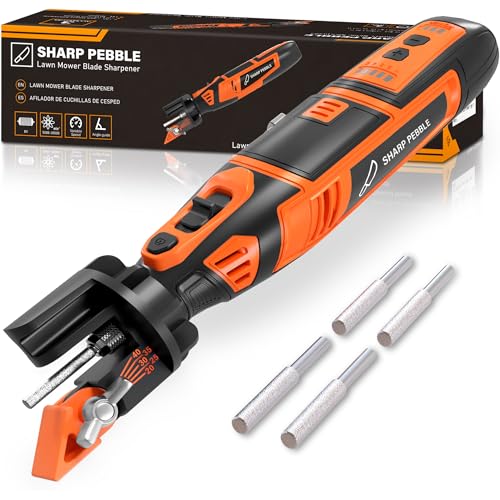
SHARPEN YOUR MOWER BLADE IN MINUTES: Blade removal is optional with this cordless lawnmower sharpener — many standard residential blades can be sharpened right on the mower, saving you the hassle of disassembly. Routine touch-ups take about 2–3 minutes per blade; badly worn edges take longer and are best done with the blade removed.
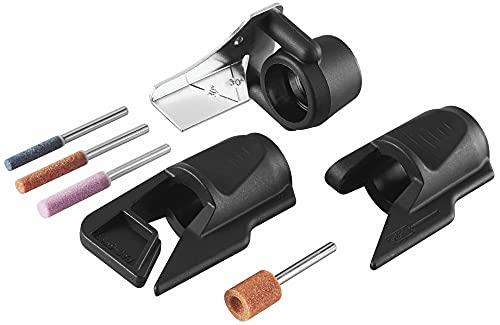
Simplified to support your backyard and garden projects and giving your go-to tools a new lease on life. The A679 Sharpening Kit includes everything you need to keep your favorite gardening tools looking sharp.
Key Benefits of Keeping Your Blades Sharp
After weighing the cost and turnaround time of professional sharpening, the real advantage lies in keeping the blades sharp yourself. Sharp blades act like scissors, delivering clean, uniform cuts that prevent brown tips and ragged edges. By preserving intact leaf tissue, you protect turf health preservation, reducing fungal entry and pest intrusion. Consistent lawn appearance emerges as each pass leaves a smooth, carpet‑like surface, eliminating uneven heights caused by dull reels. Engine drag drops, so you consume less fuel or battery power and finish mowing faster, which lessens equipment strain and extends mower life. Cleaner cuts also keep grass greener, boost CO₂ uptake, and lower emissions, delivering both aesthetic and environmental gains. Using a proper mowing pattern can further enhance efficiency and reduce fuel consumption. Proper blade angle alignment ensures optimal cutting performance and prolongs blade life.