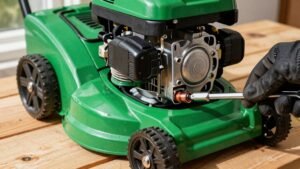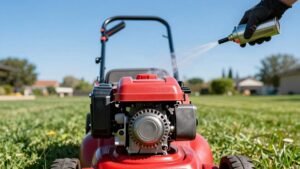

Wear nitrile gloves, safety goggles, a respirator mask, and long‑sleeve clothing, then disconnect the spark‑plug wire. Move the mower onto a level surface with a tarp, place an approved gasoline can lower than the tank, and use a hand‑operated siphon pump with clear tubing to draw the fuel out, priming the pump and tilting the mower gently for any residue. After the tank empties, clamp the fuel line, check for leaks, and reconnect everything before refilling with fresh, ethanol‑free gasoline; the next steps will show you how to finish the job safely.
Gather Safety Gear & Tools for Draining
One of the first steps is to gear up with the proper protective equipment and tools before you even touch the mower. Put on nitrile gloves, safety goggles, long‑sleeve clothing, and a respirator mask; closed‑toe shoes complete the kit. Disconnect the spark‑plug wire, then move the mower onto a level surface with a tarp underneath to catch any spills. Use a hand‑operated siphon pump and clear plastic tubing—ensure the intake hose reaches the tank bottom and the output hose points into an approved gasoline can with a screw‑on lid. Position the container lower than the tank so gravity aids flow, and label it clearly. As you work, keep a flat tray, clean rags, and absorbent pads handy to wipe drips, and plan to store drained fuel safely and dispose of drained fuel properly. Stale fuel can cause the mower not to start well, so draining it is essential. Always check the oil pan for residual oil and clean it to prevent leakage before refilling with fresh oil. Remember to follow local regulations on hazardous waste disposal and environmental safety when handling fuel and oil. Properly sealing the container helps prevent accidental spills and aligns with hazardous waste guidelines.

Premium Durable Construction: This transmission fluid transfer pump made of sturdy PP pump cylinder and wear-resistant PVC hoses for anti-aging performance, supporting long-term service life with simple regular maintenance

Transfer Liquids - Useful Emergency Fuel Pump, Ideal for fueling any small tanks of Boats, Jet Skis, Generators, Edger's, Trimmers, Lawn Tractors, Snowmobiles, Leaf Blowers, Farm Equipment etc.
Pick the Best Method to Drain Lawn‑Mower Fuel
When you decide which draining technique to use, compare each method’s safety, speed, and equipment requirements. Disconnecting the fuel line is safe and quick if you have pliers and a sturdy gas can; it lets fuel flow directly into the container, letting you avoid spills and store drained fuel easily. Draining from the carburetor bowl offers precise control but needs a 10 mm wrench and a clamp to prevent drips. The carburetor is mounted near the engine’s side and can be accessed by removing the cover. Tilting the mower is handy when space is limited, yet you must secure the container and use a funnel to avoid splatter. Removing the fuel tank provides the most thorough emptying but demands more tools and careful handling of the tank. Gravity drain via hose is simple, but you must pinch the collar correctly to keep the flow steady and prevent leaks. Choose the method that matches your tools, workspace, and urgency while always prioritizing spill prevention and proper storage of the drained fuel. Check the owner’s manual to verify the exact location of the drain nut before starting. Always wear protective gloves when handling gasoline to reduce skin contact risk.
Use a Siphon Pump to Drain the Tank
If you’ve already weighed the pros and cons of each draining method, the siphon pump offers a controlled, low‑risk way to empty the tank without lifting the mower. First, move the mower to a flat, well‑ventilated spot away from sparks. Disconnect the spark‑plug wire and wear fuel‑resistant gloves and safety glasses. Position an approved gas can lower than the tank so gravity assists flow. Insert one hose into the tank, the other into the can, then prime the siphon by pumping until fuel appears. Keep the pump and hoses dry to avoid static electricity, which could ignite vapors. Pump steadily until the tank empties, gently tilting the mower for residual fuel. Seal the can, clean spills, and store the siphon for future use. Regularly removing old gas prevents it from going stale and protects the mower’s engine. A stuck starter cord can often be freed by gently pulling the cord while the mower is in neutral. Check the crankcase for overfilled oil to ensure it isn’t contributing to fuel contamination. Proper torque ensures the new head is securely attached without damaging the riser.

Faster and Efficient Pumping: Unlike most gas pumps in the market, the hoses have been upgraded to Dia 15mm, large for faster and easier pumping. The black siphon buld with Build-in one way stop Valve, prevents the backflow of the fluid.

SAFE AND RELIABLE - The shark bite button system provides a stronger grip than traditional hose connectors, preventing messy leaks and spills

FASTER AND EFFICIENT PUMPING - Unlike most liquid transfer pump in the market, the hoses have been upgraded to Dia 15mm, large for faster and easier pumping. The black siphon buld with Build-in one way stop Valve, prevents the backflow of the fluid.
Disconnect Fuel Line & Drain the Carburetor
Before you start disconnecting the fuel line, make sure the engine is completely cool and the tank is empty, then gather the pliers, clamps, utility knife, and a clean receptacle for spills. First, locate the fuel line between the tank and carburetor, then Identify potential fuel leaks by visually scanning for cracks, wear, or corrosion. Inspect fuel line condition before you apply pressure; any damage warrants replacement rather than disconnection. Squeeze the hose‑clamp tabs with pliers, slide the clamps off, and gently pull the hose from the tank fitting, avoiding snaps. Clamp the free ends to stop further drainage, then detach the hose from the carburetor nipple. Tilt the mower or use gravity to empty the carburetor bowl, catching residual fuel in the receptacle. Wipe spills immediately, work in a ventilated area, and keep sparks away until vapors fully evaporate. Make sure to drain the fuel tank completely before beginning the disconnection process. Check the air filter for clogs before you start, as a dirty filter can cause fuel delivery issues. Adding a reflective tape barrier around the mower can deter birds that might be attracted to the fuel scent. Properly level the mower deck ensures even cutting and optimal performance.

【Material】:The fuel pipe clamp is made of high-quality carbon steel, which is resistant to oxidation, high-temperature resistance, sturdy structure, not easily damaged, and has a longer service life.

COMPLETE 8-PIECE SET: Includes hose clamp pliers, fuel line disconnect tools, relay puller, panel clip remover, trim clip remover, push pin removal tools, and a fuel filter caliper for comprehensive automotive repair.
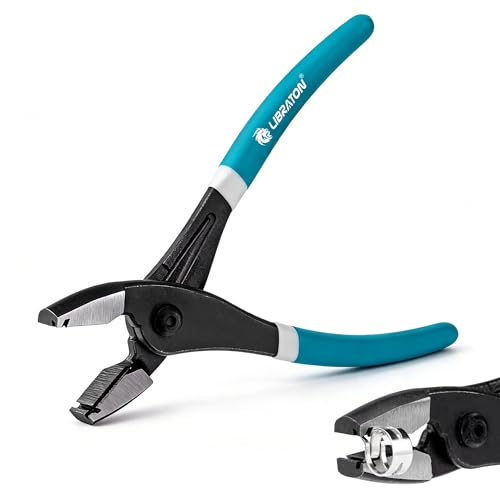
2-Direction Cross-Groove Jaws: This hose clamp tool features a unique jaw design with a textured surface and cross grooves, providing a stronger grip, firmly clamping the hose clamp lugs from multiple angles, and preventing slippage during clamping.
Complete the Post‑Drain Checklist for Fuel
A thorough post‑drain checklist guarantees your mower stays safe and runs reliably after fuel removal. First, reconnect fuel line securely and turn the fuel tap or shut‑off valve to the on position. Then, verify no fuel leaks around the connection and clamp the pipe if a tap isn’t present. Fill the tank with fresh, ethanol‑free gasoline or a proper 4‑stroke mix, then add a stabilizer like STA‑BIL and run the engine a few minutes to circulate it. Inspect the spark plug wire, ensuring it stays disconnected until you’re ready to start. Check the air filter, clean or replace it, and confirm the tank cap seals tightly. Finally, consult the owner’s manual for any model‑specific steps before starting the mower. Regular oil changes help maintain engine health and should be performed according to the mower’s usage and oil condition. Remember to check oil level after the engine has warmed up to ensure proper lubrication. Properly drain oil before refilling prevents mixing old and new oil, which can damage the engine.