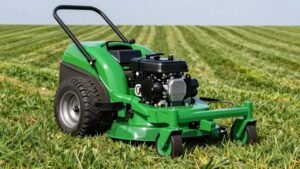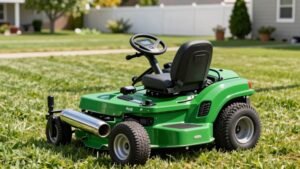

First, remove the mower’s plastic blade cover and unscrew the recoil starter. Untangle the cord, then realign it onto the spool, making sure it feeds tightly. Spray a thin, heat‑stable oil onto the cord and the recoil components, and lubricate the central post, pawls, and ball bearings with light machine oil. Inspect the spring for rust or damage; if it’s corroded, soak the parts in a rust‑removing solution, rinse, dry, and apply a rust‑blocking spray before reassembly. Finally, verify the spring tension and that the cord retracts briskly—continue and you’ll uncover deeper diagnostics and preventive maintenance.
Why Is My Pull Cord Stuck?
Sometimes the pull cord gets stuck because the recoil spring system has jammed, and the cord is tangled inside the starter. You’ll first remove the mower’s plastic cover, then unscrew the recoil starter to expose the spring, cord, and pulley. Carefully untangle the cord and realign it onto the spool, making sure it feeds tightly. Lubricate recoil components with a thin, heat‑stable oil to reduce friction, then inspect pulley condition for wear, cracks, or misalignment. Replace any damaged parts before reassembly. After re‑installing the cover and tightening the screws, test the pull. If the cord still resists, repeat the inspection, focusing on spring tension and pulley rotation. This methodical approach isolates the jam without involving blade obstructions. The mower’s debris shield can also block the blade and prevent the cord from being pulled. For a reliable repair, consult the manufacturer’s service manual to verify torque specifications. Also, verify that the recoil spring is correctly seated to ensure proper cord retraction.
Remove Blade Obstructions in Two Minutes
After clearing the tangled cord, you’ll need to address any blade obstructions before the mower can start reliably. First, disconnect the spark plug and empty the fuel tank. Tilt the mower on its side with the air filter up, then stabilize it on a flat surface. Insert a block of wood between the blade and deck, wedge it firmly, and clamp if needed. Using a 5/8” socket wrench and a breaker bar, apply a pipe extension for torque. Turn the reverse‑thread bolt clockwise to loosen, adding penetrating oil if it resists. While the blade is secured, diagnose binding pulleys and investigate linkage problems by rotating the blade manually; any hesitation indicates an obstruction. Remove debris, re‑tighten the bolt, and verify smooth rotation before re‑assembly. An 18‑inch Cobalt breaker bar increases torque significantly, making stubborn blades easier to loosen. Proper blade alignment is essential for balanced cutting and safe mower operation. Always wear protective eye gear when working near the blade to prevent injury. Remember to inspect the blade for cracks before re‑installing it.

Univeral Blade Removal Tool

The lawn mower blade removal tool for all walk-behind and riding lawn mowers up to 42 inches is easy to use and allows for easy and safe removal of the mower blade

Replace Part Number: 490-850-0005, 4908500005, 490 850 0005, 339079
Lubricate the Cord and Starter Mechanism Properly
When you’ve cleared the cord and removed the blade obstructions, the next step is to lubricate the pull‑cord rope and recoil assembly so the starter operates smoothly. First, disconnect the spark plug, then remove the housing to expose the rope. Apply a spray lubricant directly onto the cord until it’s fully saturated; this prevents fraying and guarantees effortless extension and retraction. Next, address the starter mechanism. Use a few drops of light machine oil on the central post, pawls, and ball bearings; this reduces friction in the clutch and improves spool rotation. Follow a proper lubrication technique by coating each moving surface evenly, avoiding excess. Finally, consult the owner’s manual for lubrication frequency considerations—typically seasonal or after heavy use—to maintain ideal performance. Lubricate the front wheel adjusters regularly to ensure smooth operation. Maintaining a proper charge level in a lead‑acid battery can also prevent premature wear of the starter system. Regularly inspect the crankcase for excess oil to avoid leaks. Changing the oil after the first 5–10 hours of operation helps protect the engine during its break‑in period.
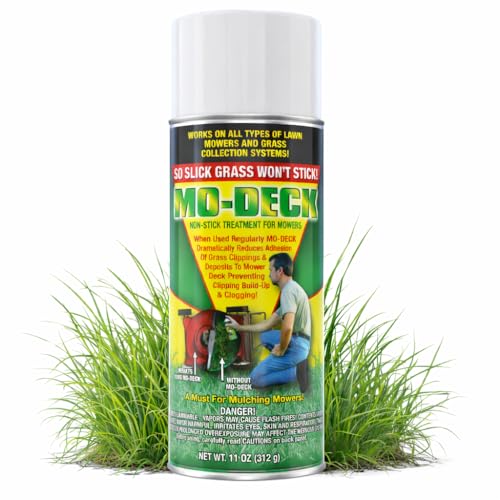
Swift and Easy Application: Shake and spray Mo Deck nonstick lawn mower deck spray for quick, even coverage. The pressurized formula helps grass clippings and debris slide off effortlessly, making cleaning your mower faster and convenient than ever.

Keeps dirt and grass from sticking to mower decks and snow from sticking to snowblowers, shovels, plows and other snow equipment

Extends belt life by penetrating the cord fibers of V belts to restore pliability and flexibility
Eliminate Rust and Corrosion From the Recoil System
If rust has built up in the recoil system, begin by disassembling it: remove the two or three securing screws, hold the pulley steady with a screwdriver, cut off the knotted rope end, and extract the remaining rope so you can separate the housing components for inspection. Wipe away all dirt and oil with a degreaser, ensuring every metal surface is clean before treatment. Immerse the disassembled parts in EVAPO‑RUST® solution; soak 30 minutes for light rust or overnight for heavy corrosion, re‑immersing any pits until the metal is clear. Rinse thoroughly, then air‑dry to prevent new rust. Spray RUST‑BLOCK™ for a one‑year rust prevention layer, and finish with a light coat of WD‑40 to displace moisture. Finally, apply a thin film of gear lubrication to moving teeth, reducing friction and protecting against future corrosion. Use a wire brush to remove stubborn rust spots before soaking. For optimal results, maintain a consistent filing angle while sharpening the blade to ensure even cuts.

EVAPO-RUST RUST REMOVER: Evapo-Rust effortlessly removes rust from automotive parts, hardware, tools, cookware, and antiques without any scrubbing or sanding.

Multi Surface Rust Remover: Formulated to remove well water rust, calcium and lime stains deposited by irrigation systems on most exterior surfaces; Rid O' Rust stain remover is easy to use and works quickly to restore your home's curb appeal

EVAPO-RUST RUST REMOVER:: Evapo-Rust is a non-corrosive rust remover dip for restoring rusty treasures. With Evapo-Rust you can remove rust to bare metal without sanding or scrubbing. Just soak, rinse, and reuse.
Check and Replace a Faulty Recoil Spring
Having cleared rust from the recoil housing, the next step is to verify that the spring itself isn’t the source of the jam. First, disconnect the spark‑plug wire, then remove the three Phillips screws securing the housing. Use needle‑nose pliers to extract the spring, watching for tangled, broken, or slipped coils—these are the familiar spring characteristics of failure. Listen for grinding or snapping noises while pulling the cord partially; unusual sounds indicate damage. Measure tension by pulling the cord a few inches; a weak spring won’t fully retract. Compare coil count and diameter against the manufacturer’s specs. Conduct a periodic spring inspection to catch wear early, then replace the spring with an OEM‑matched part, winding it clockwise and securing the hook before reassembly. Locate the carburetor near the engine side to ensure the fuel line is clear before re‑installing the spring. Check the spark plug before testing the mower to confirm proper ignition.

For Honda GX 120 GX 140 GX 160 GX 200 and Chinese 168FA 168FB 170F 5.5 HP 6.5 HP 7 HP gasoline engine, for John Deere 180A, 180B, 180C, 220A, 220B, 220C, 260B and 260C Lawn mowers.

Replacing OEM numbers : 262594,491889, which is a direct replacement for the old or broken one.

Genuine OEM Quality: This is a 695131 replacement recoil starter spring, designed specifically for Briggs & Stratton lawn mowers, including the 21000 series. As an OEM mower replacement spring it ensures smooth, reliable engagement of the recoil spring mechanism and helps maintain optimal engine performance
Resolve Hydro‑Locking Issues That Stop the Pull Cord
Hydro‑locking can seize the pull cord in seconds, so you’ll need to guarantee the engine’s cylinder is filled with liquid before you can free the cord. First, remove the spark plug and pull the cord repeatedly; resistance indicates fluid trapped in the combustion chamber. Inspect the spark plug for wetness and check the air filter for saturation—both confirm hydrolock. Next, troubleshoot fuel system: clean a carburetor, verify the float valve closes properly, and confirm no leaks from seals or gaskets. Position the mower so the spark‑plug hole faces down, then tip it away from the carburetor to drain excess fluid. Use compressed air through the plug opening if needed. Finally, reinstall a dry spark plug, then inspect valvetrain components for bent rods or damaged bearings before attempting a restart. Improper tipping of a four‑stroke engine can introduce oil into the cylinder, causing hydrolock. Also, a dead battery can prevent the ignition coil from generating the spark needed to start the engine. A weak battery may also produce insufficient cranking speed, leading to starting failure. Regularly cleaning the air filter can prevent fuel starvation which is a common cause of mower stall.
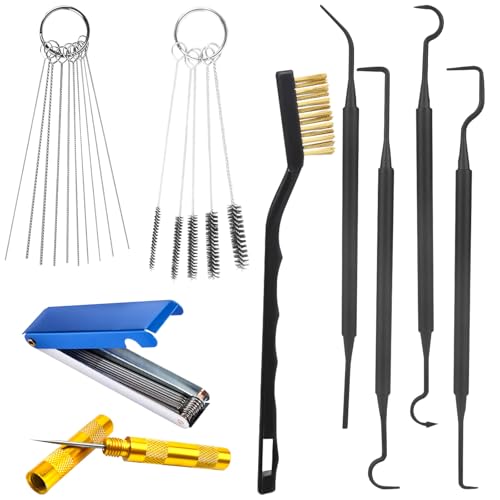
【Material】Engineered for performance and longevity, our carburetor cleaning kit utilizes high-grade stainless steel and tough nylon. The stainless steel components offer reliable strength and are designed to maintain their integrity, while the nylon brushes effectively scrub sensitive parts without causing damage. This thoughtful material selection provides a consistent and dependable cleaning experience through repeated use on various projects.

Fixes rough running and hard-to-start engines: Breaks down gum and varnish that cause rough running, hard starts, sputtering, and no-start issues in small engines, helping restore performance quickly

SAVE YOUR TIME: Are you annoyed that you don't have the right tools to clean a small space? Our carb cleaner can just solve your troubles. 13 cleaning lines with different diameters, 10 cleaning needles with different diameters, 5 nylon brushes with different widths, and 1 pointed pick. Different diameter cleaning needles, easy to solve your troubles
Quick Pull‑Cord Maintenance Tips to Prevent Future Problems
After clearing the hydro‑lock, shift focus to routine pull‑cord care so the starter stays reliable. First, inspect the cord for fraying or kinks; replace any segment that shows wear. Second, apply a thin film of silicone‑based lubricant to the cord surface to reduce friction without attracting dust. Third, verify spring tension by pulling the cord fully; it should retract briskly and stop short of the housing. Fourth, adopt proper cord storage practices: coil the cord loosely, keep it in a dry container, and avoid exposure to UV or extreme temperature swings. Finally, conduct seasonal pull‑cord preparation before each mowing cycle—clean the reel, re‑lubricate, and test retraction—to guarantee consistent performance year‑round. Ensure the spring clip is oriented correctly to allow the starter pull to engage properly. A functional ignition coil is essential for reliable engine start‑up. Regularly check the air filter for debris to maintain optimal engine performance. Keeping the fuel line clean helps prevent engine stalls.