

Identify the thistle species by checking leaf margins, stem texture, and bract shape—native types have modest stems and triangular bracts, while invasives show winged, ribbed shafts and sharp bracts. Mow at 2‑3 inches every 2‑3 weeks to stress rosettes, then dig out young plants before they bolt, keeping the fork angled to pull the whole root. Spot‑spray glyphosate at bud stage or use systemic milestone/aminopyralid after first buds appear; for dense patches, broadcast granular cimarron plus. Non‑chemical options include undiluted vinegar or solarization with clear plastic. Follow with proper lawn care—balanced nitrogen, correct pH, and overseeding—to outcompete any survivors, and you’ll uncover more detailed steps ahead.
Identify Thistle Species & Why It Spreads
A handful of key traits let you pinpoint thistle species and understand why they proliferate. When you’re classifying native versus invasive species, focus on leaf margins, stem texture, and bract shape. Native thistles such as Cirsium brevistylum and C. discolor show spiny leaf edges but often have white or green undersides and modest stems; their bracts are triangular yet less rigid. Invasive types—bull, Italian, and creeping thistles—exhibit pronounced spiny stems along the entire length, winged or ribbed shafts, and sharply tipped bracts. Distinguishing leaf and stem characteristics reveals growth habits: perennial rhizomes in creeping thistle, biennial vigor in bull thistle, and aggressive seed heads in Italian thistle. These morphological cues explain why invasives dominate disturbed soils and outcompete natives. Proper mowing height can also suppress thistle spread by limiting light exposure to seed heads. Understanding the pollination process of grass seeds highlights how seed production is tied to mature plant health. Applying a targeted selective herbicide can effectively control invasive thistles while preserving surrounding vegetation.
Spot Early Thistle Signs Before Seed Set
When you scout your lawn in early spring, look for low‑lying rosettes that form a tight ring of dark‑green leaves with prickly upper surfaces and a cottony undersides; these rosettes can reach up to two feet across and signal the first growth phase of many thistles. Conduct systematic rosette monitoring along borders, pathways, and sunny patches, noting the dark‑green blades and light‑green midribs that differentiate thistles from other weeds. For pre flowering identification, examine leaf texture: upper surfaces bear spiny hairs while undersides remain woolly. Record rosette diameter and density, because a flush of root‑derived rosettes in spring precedes bolting. Early detection lets you intervene before the plant bolts, reducing the chance of seed production later in the season. Proper mowing height can suppress seed set and limit thistle proliferation. Maintaining a healthy, dense turf through appropriate fertilization and watering practices creates competition that further discourages thistle establishment. Applying a pre‑emergent herbicide at soil temperature around 55 °F maximizes uptake before thistle seedlings emerge.
Remove Young Thistle Now: Timing Mowing, Digging, Cutting
Most effective removal of young thistle hinges on acting during the rosette stage—mid‑April to May in USDA Zone 6b—when plants are still spaced, root reserves are low, and bolting hasn’t begun. In early spring timing, mow the lawn at a low height (2‑3 in) every two to three weeks, using sharp shears or a string trimmer to cut just above the ground. This stresses the root system by forcing the plant to expend carbohydrates on regrowth. When you spot isolated rosettes, dig them out with a hand fork, keeping the blade angled to extract the entire creeping root. Avoid tilling; fragmenting rhizomes creates new shoots. After each cut, monitor for regrowth and repeat the process until the root system is exhausted. Mowing is ineffective for removing thistles in the rosette stage. Selective herbicide applications can target thistle without harming surrounding grass when used according to label directions. Applying a pre‑emergent barrier before seed germination helps prevent thistle establishment. Proper timing of dethatching in spring enhances soil aeration, allowing healthier grass competition against weeds.
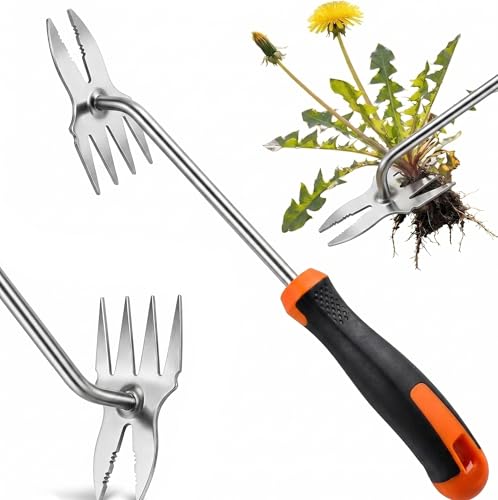
Dual-Purpose Design for Efficiency: Featuring a unique 4-tine claw and a sharp V-shaped root fork, this versatile gardening tool allows you to loosen soil and pull deep-seated weeds simultaneously. Perfect for tackling dandelions, thistles, and stubborn grass with minimal effort.

1️⃣【 Effortless Weed Removal】 This upgraded weed tool makes pulling out weeds fast and easy. Simply rest the curved metal base on the ground and use the V-shaped fork to dig around roots and lift them out completely — saving your back and hands from strain. Perfect for removing dandelions, crabgrass, and thistles.

Easy to Use: weed remover tool easy to removes weeds, dandelions, and thistles from your lawn, farmland, yard and garden. The stainless steel tow-pronged fork cuts through weeding roots with ease, allows you to dig and pry the roots, stem, and leaves with less effort
Apply Targeted Herbicides (Spot‑Spray, Systemic, Granular)
After you’ve reduced the rosette population by mowing and hand‑digging, the next step is to apply targeted herbicides that will finish the job and prevent regrowth. Choose herbicide delivery methods that match growth stage: spot‑spray a 1 % glyphosate solution for Canada thistle at bud stage, or a ¼ fl oz per 1,000 sq ft mix of Star Thistle Killer in two gallons water for young plants. Systemic products such as Milestone (0.1 % solution) or aminopyralid (3 oz/acre) work best when applied early June, after first buds appear. Granular options—Cimarron Plus at 0.25 oz/acre or Duracor at 12–16 fl oz/acre—can be broadcast in dense infestations, safe for most grasses. Formulation considerations include using 40 %+ concentrations, avoiding wind or rain, and waiting two weeks before mowing to prevent drift and volatilization. Proper storage can extend product life, but shelf life should be checked before use. Always follow local hazardous‑waste guidelines and wear protective gear when handling and disposing of any remaining herbicide. Understanding soil microbial activity helps predict how quickly these chemicals will break down.

Protect plants from insect damage with Systemic Granules for Insect Control from Bonide; this product is a low odor ready-to-use solution for outdoor plants

Protect plants from insect damage with Systemic Granules for Insect Control from Bonide; this product is a low odor ready-to-use solution for outdoor plants

Controls aphids, whiteflies, leafminers, lace bugs and more. See label for full list of insects.
Use Non‑Chemical Tactics: Vinegar, Mulch, Solarization
Three non‑chemical tactics—vinegar spray, thick mulch, and soil solarization—offer practical, low‑impact ways to suppress thistle without resorting to synthetic herbicides. You’ll apply undiluted distilled white vinegar directly to thistle foliage, repeating the spray over several days to catch regrowth; because it’s non‑selective, you must target only the weeds. Thoughtful timing matters: spray when leaves are dry and sun is low to reduce drift. For mulch, lay a 5‑6‑inch layer of wood chips or cardboard topped with straw; this blocks light, starving rhizomes, and compost mixed in boosts soil health. Solarization requires covering the infested patch with clear plastic during the hottest weeks, raising soil temperature to 120‑140 °F to kill roots. Strategic monitoring of regrowth informs when to repeat each tactic. Thistles should be removed and recycled back into the garden to close the nutrient loop. The effectiveness of vinegar depends on its acidity level, with higher concentrations typically causing faster wilting. Using a vinegar concentration of at least 5 % acetic acid ensures sufficient potency for weed control. Acetic acid works by disrupting cell membranes, leading to rapid desiccation of plant tissues.

Eco-Friendly Alternative – Biodegradable, non-toxic, and free from harsh chemicals for a safer clean.

Acid-resistant: equipped with acid-resistant EPDM seals and a plastic spray wand and nozzle, the sprayer is suitable for applying acidic crop protection products

UNMATCHED PURITY AND CONSISTENCY: Experience Calyptus 50% vinegar concentrate solution, crafted with Pure Technical Grade Vinegar and DI Type II H20. Our concentrated solution consistently delivers the same smell, color, and results.
Lawn Cultural Practices Specifically for Thistle Prevention
While vinegar, mulch, and solarization can knock back existing thistle, keeping the lawn itself robust is the most reliable way to prevent new infestations. You should maintain a dense, vigorous turf by applying a balanced nitrogen fertility program and watering just enough to keep roots active without over‑saturating the soil. Mow at 3‑4 inches, cutting every 21 days during the growing season to deplete thistle carbohydrate reserves before flowering. Implement proper soil pH adjustments, keeping the pH between 6.0 and 6.5 to favor cool‑season grasses and suppress thistle seed germination. Follow a routine overseeding schedule each fall and spring, using starter fertilizer to fill thin spots quickly. This cultural regimen creates a competitive canopy that shades weed seedlings, strengthens root systems, and ultimately blocks thistle establishment. Late‑season dethatching can still be beneficial if the grass is actively growing and moisture levels are adequate. Adding a thin layer of compost can improve soil structure and further deter thistle growth. Regular aeration promotes root oxygenation and helps the that absorb nutrients more efficiently.
Combine Mechanical & Chemical Methods for Integrated Control
When you pair targeted mowing with systemic herbicides, the mechanical disturbance opens the thistle’s meristems and the chemical follows the new growth into the root system, delivering a lethal dose that would be far less effective on an untouched plant. You should mow at 12‑15 inches, repeat every month for three cycles, then apply clopyralid‑2,4‑D (Curtail) within a week of the third cut. This timing maximizes translocation into the rhizome and exploits the shoot surge from rhizome disturbance. Integrate crop rotation—plant Sudan grass or forage sorghum between thistle‑infested years—to suppress seedbank vigor and reduce regrowth pressure. Follow each herbicide application with a low‑speed tillage pass to fragment remaining roots, then monitor for resurgence and retreat as needed. Understanding herbicide modes helps select the most effective product for thistle control. Always read the label for selectivity guidelines to avoid damaging neighboring desirable plants.
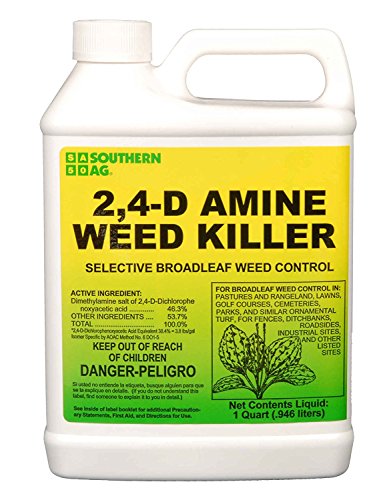
Low, economical use rate of 1 to 4 pints per acre

Control hard-to-kill insects in your lawn and garden with Bonide Systemic Insect Control Concentrate

BROADLEAF WEED ELIMINATOR: Our 2,4-D Amine herbicide effectively tackles a wide range of tough broadleaf weeds, including Pigweed, Thistle, Ragweed, and more. Keep your pastures, lawns, landscape, and aquatic sites clean and thriving with just one solution
Don’t Let Thistle Return – Fix These 5 Mistakes
If you let common gardening habits slip, thistle will rebound faster than you expect. To avoid common mistakes, focus on key aspects of maintenance: pull thistles only when soil is moist, extracting the entire taproot; never till heavily, because disturbed soil fragments rhizomes and spreads dormant seeds. Keep plants from flowering—mow before bolting and remove seed heads promptly—to stop biennial reseeding. Apply herbicide in a timed regime: two to three sprays at early June and again in fall, avoiding wind or rain, and wait two weeks before cutting. Finally, dispose of pulled material in trash, sanitize tools each winter, and keep mulch seed‑free. These precise actions break the life cycle and keep thistle from returning. Spraying smaller plants under 6 inches is recommended to prevent new growth.
Monitor & Maintain Lawn After Treatment
A wilted thistle leaf turning brown within 48‑72 hours signals that the herbicide has taken effect, and you should let the treated zone sit untouched for the next two to three weeks to let the product soak into the roots. After that period, walk the lawn and monitor flower/seed production; any budding inflorescence means the plant is still viable and needs spot‑treatment. Check for root regrowth by gently probing the soil around former crowns; new shoots emerging from fragments indicate incomplete depletion. Schedule a second application 2‑3 weeks later, then repeat mechanical pulling every 2‑3 weeks if resprouts appear. Keep the turf dense with proper fertilization, watering, and regular mowing to outcompete thistles and suppress seed set, ensuring long‑term control.
Know When to Call a Professional for Stubborn Thistle?
Because thistle’s rhizome network can regenerate from a single fragment, you’ll know it’s time to call a professional the moment repeated home treatments fail to curb regrowth, the infestation spreads beyond a few plants, or the weeds rebound after a post‑fall brown‑out. At that point, you should evaluate the infestation size: patches that exceed a handful of plants or persist after two to three homeowner sprays demand professional monitoring programs. These programs track seasonal rhizome activity and schedule timed herbicide applications. An intensive control plan typically involves six visits, combining selective and,‑selective formulations to target deep roots while preserving turf. Delaying this intervention risks seed set, fall energy storage, and broader soil distribution, turning a manageable patch into a lawn‑wide problem.
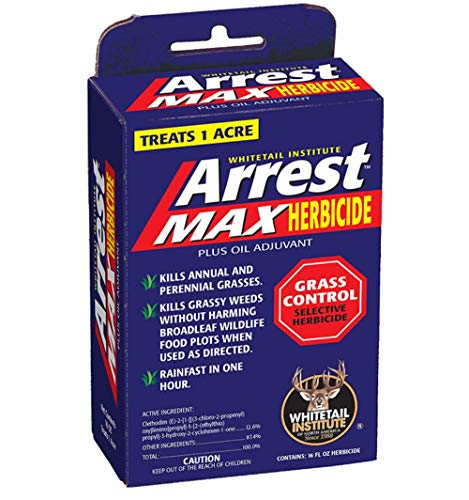
SPECIFICALLY developed for food plots

BROADLEAF WEED CONTROL - Weed Whacker controls over 140 types of weed including dandelions, oxalis, poison oak, spurge, rush, clover, aster and thistle. Consider these hard-to-control weeds as good as gone.

KILLS WEEDS AND GRASSES: Use on driveways and walkways, and around fences, trees, flower beds, shrubs and other listed areas