

Check the forecast and wait for three to four consecutive days of daytime highs below your grass’s threshold—under 40 °F for cool‑season varieties in the North and Midwest, and under 50 °F for warm‑season types in the South. Verify soil temps are approaching 45 °F and watch the lawn turn light tan while crowns stay green. Then lower the mower to 2.5–3 inches, mulch or rake debris, and make the final cut about a week before the first frost. This approach protects crowns and reduces winter stress, and the next section shows how regional frost dates fine‑tune the timing.
How to Use Daytime Temperature to Pick Your Last Mow Date
When daytime highs consistently dip below the 50‑55 °F range, you can treat that cue as the signal to schedule your final mow for warm‑season grasses; the same principle applies to cool‑season lawns, where temperatures under 40 °F indicate it’s time to stop. To evaluate grass growth dormancy signals, track daily high temperatures and note when they stay under the threshold for three to four consecutive days. Simultaneously, monitor soil temperature trends with a probe or online service; a soil reading of 45 °F confirms cool‑season dormancy. Correlate air‑temperature drops with soil cooling, and once both metrics align, cease mowing. This dual‑metric approach prevents unnecessary cuts, preserves root health, and aligns lawn care with physiological growth limits. Soil temperature is a reliable indicator of when the lawn is entering dormancy. Adjust watering frequency based on soil moisture to support the lawn through its dormant period. Proper irrigation scheduling during dormancy helps maintain deep root systems and reduces water waste. Zone mapping simplifies the process of assigning specific irrigation schedules to distinct lawn areas.

Scientific maintenance: The 7 in one soil testing kit is more suitable for beginners, and can help you comprehensively understand the soil conditions of gardens and lawns, solving your confusion. You can adjust soil moisture and pH according to the values, and you can also clearly see the air temperature and humidity as well as soil temperature through the LCD display to improve plant growing conditions in time and scientifically nurture seedlings to help you make your plants flourish

【4 in 1 function】This is a 4-in-1 multifunctional soil tester.Our soil tester fastly to measure soil moisture, pH, temperature and sunlight to help you take better care of flowers and plants.You can know when you need to water your soil by measuring moisture and pH & Temperature value of the soil and sunlight level of plants with it.

Plant soil humidity meter--made of premium plastic materials, lightweight, durable for use,lawn soil
When Cool‑Season Lawns in the North & Midwest Need Their Last Mow
Daytime highs falling below 40 °F for three to four straight days signal that cool‑season grasses in the North and Midwest have entered dormancy, so you should schedule the final mow now. At that point, you shift from regular mowing frequency adjustments to a single cut, aiming for 2.5‑3 inches depending on species. Kentucky bluegrass and ryegrass should be trimmed to about 1.5 inches, tall fescue to 2 inches, and broader‑leaf varieties to 2.75‑3.25 inches to balance snow‑mold risk. Perform the cut one week before the first frost, then mulch or rake debris to keep crowns aerated. This timing aligns with northern lawn maintenance guidelines for USDA zones 3‑6 and prevents matting, disease, and vole habitat as winter settles. Longer leaf tissue helps protect the roots from extreme cold. Monitoring soil moisture levels during the transition can further ensure the lawn remains healthy through winter. Proper mowing height adjustment reduces stress and promotes denser turf.
When Warm‑Season Lawns in the South Need Their Last Mow
If daytime highs dip below 50 °F for several consecutive days, you’ll know it’s time to give your warm‑season lawn its final cut. Monitor daytime temperatures rather than frost dates, because grass still shows slow growth trends until the threshold is sustained. Set the mower to roughly two inches, staying within each species’ recommended range—Zoysia and St. Augustine can tolerate a taller cut, while Bermudagrass benefits from a shorter height. Guarantee the lawn is dry, clear leaves, and avoid clumping that could invite mold. This final mow initiates an extended dormancy period, allowing roots to fortify and rhizomes to store reserves. Proper height and leaf removal protect the turf from stress, setting the stage for vigorous spring recovery. Maintaining the correct height promotes deep root development and improves drought resilience. Regularly inspect mower blades for uneven wear to ensure a clean cut and prevent turf damage. Accurate height adjustment ensures the mower cuts at the desired level without damaging the grass.
Spot Visual Cues That Signal Dormancy and the Last Mow
Ever wondered which visual cues tell you your lawn has entered dormancy and it time for the final mow? You can spot dormant grass identification by noting a uniform shift from green to light tan or yellow‑brown across the entire surface. The crowns stay green and flexible while blades turn brown, and the lawn bends rather than snaps under pressure. A tug test reveals firm root attachment, indicating the root system is intact. Cool‑season grasses turn uniformly brown when temperatures dip below 45 °F; warm‑season types do so after the first frost. Small green sprouts at the crown signal dormant grass recovery potential, while grayish, brittle texture suggests permanent damage. Monitor these patterns to confirm the last mow. Avoid mowing when temperatures consistently exceed 90 °F to prevent stress and disease. During periods of prolonged drought, it is best to skip mowing to allow the grass to conserve moisture. Understanding the growth cycle of your grass helps you time the final mow for optimal health.
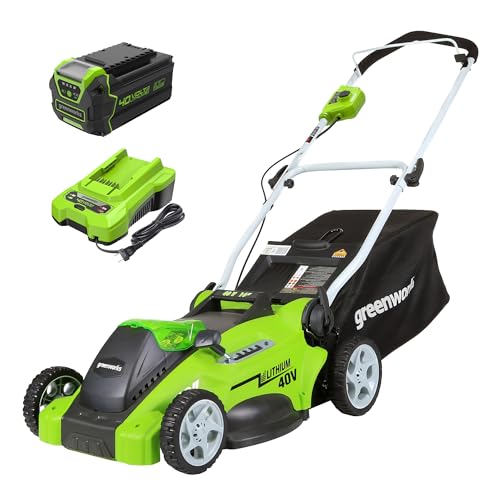
[16" LAWN MOWER] - This 40V lawn mower cuts up to 1/3 acre with fully charged 4.0Ah battery (varies based on grass condition and operator technique)

Multi-Function Convenience: Easily switch between mowing, trimming, and edging for three-in-one versatility with your string trimmer

SCISSOR-LIKE CUT: No ripping or tearing of grass blades for a better and healthier lawn
Lower Mower Height for the Final Fall Passes and Last Mow
You should lower your mower to about 2.5–3 inches for the final fall passes, because this height protects the crown while preventing snow‑mold‑prone matting. Proper lawn mowing height at this stage balances root storage and disease resistance. Begin adjusting mower height in early October, dropping from your regular setting in 0.5‑inch increments over several cuts. This gradual reduction avoids shock and keeps the crown insulated. Sharpen blades to achieve clean cuts; dull edges shred tissue and invite pathogens. Use a mulching or closed‑discharge deck to incorporate leaves, reducing thatch buildup. In the Midwest, aim for 2.75–3.25 inches to accommodate heavy snow loads, while southern switchover zones can stay at 2.5 inches. Avoid cutting below 2 inches, which risks scalping, root exposure, and poor spring recovery. Proper timing of the final mow also helps prevent soil compaction before winter. A sharp blade creates a clean cut that reduces stress on the grass and promotes healthier regrowth. Maintaining sharp blades also reduces fuel consumption by allowing the mower to cut more efficiently.

Oregon Replacement Deck Leveling Gauge

Convertible Design: The removable wheeled deck allows quick transformation into a small lawn mower for versatile yard care

LIGHTWEIGHT CORDED ELECTRIC MOWER Gasless 10 Amp 15 inch electric mower for powering through rough grass.Ideal for 1/8 acre.Voltage : 120 V. Product Application : Cleaning.
Mow at Least a Week Before the First Frost
Because the first frost typically signals the end of active growth, you should schedule your final mow at least a week before the predicted frost date. Monitoring local forecasts lets you pinpoint when daytime highs will dip below 50 °F for cool‑season grasses or 60 °F for warm‑season varieties, the thresholds where growth stalls. At that point, cut the lawn to the recommended height—usually the 1/3 rule—to achieve ideal mowing height while preserving lawn health. A pre‑frost trim reduces leaf matting, limits snow mold, and strengthens blades for freezing temperatures. Watch visual cues such as bare trees and fallen leaves, and confirm the frost timeline with regional freeze maps. This timing guarantees the turf enters dormancy in optimal condition. Avoid scalping the lawn during this period to prevent stress on the grass. Soil temperature is a key indicator of when grass resumes active growth in spring. Herbicide waiting periods are essential to prevent chemical damage after treatment. After applying a systemic herbicide, allow a minimum 48‑hour waiting period before re‑entering the area to ensure the chemical has been absorbed.
Sharpen and Store Blades for the Last Mow and Winter
After you’ve given your lawn a pre‑frost trim, the next step is to sharpen and store the mower blades so they’ll cut cleanly when the first green shoots appear in spring. Begin with blade inspection: wear eye gear, gloves, and a mask, then disconnect the spark plug. Tilt the mower carburetor‑side up, secure the blade in a vise, and remove it with a socket wrench, noting orientation. Use a 10‑inch file or grindstone at a 45‑degree angle, maintaining the original 30‑degree bevel, and push the file in one direction. After both edges are butter‑knife sharp, balance the blade on a screwdriver shaft, removing metal from the heavy side until it hangs evenly. Clean, dry, and torque bolts to spec before storing the blade in a dry area. This blade maintenance protects your grass roots and guarantees a flawless first mow. Sharpen blades every 20‑25 hours of mowing to prevent dullness. For optimal results, follow the bench vise method to keep the blade steady while filing.
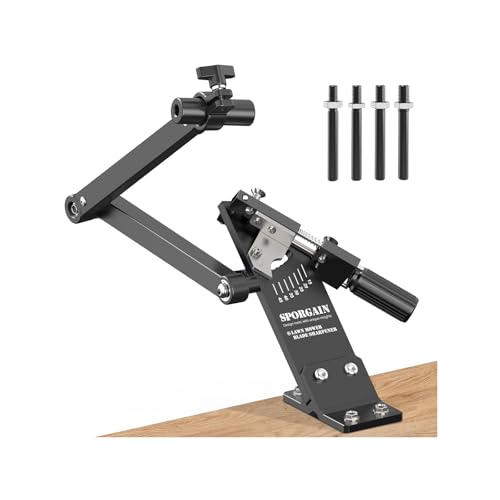
[ Updated ] Lawn Mower Blade Sharpener: SporGain mower blades sharpener suitable for Blades standard straight, mulching and high-lift mower.

Accurate Lawn Mower Blade Balancer: Ensure your mower blades are perfectly balanced after sharpening with the SporGain Lawn Mower Blade Balancer. Reduces blade wobble, vibration, and engine wear, giving your lawn a smoother, cleaner cut every time.

The lawn mower blade sharpener is made of brown corundum, which has high durability and is not easily melted at high temperatures, making it suitable for long-term use.
Avoid Common Mistakes That Ruin Your Last Mow
One of the biggest pitfalls when tackling the final seasonal cut is ignoring the one‑third rule and mowing the grass too short, which instantly stresses the turf, reduces its water‑holding capacity, and opens the door to weeds, insects, and disease. You should also avoid mowing wet grass; let dew and rain dry completely, then check weather radar to prevent clumping and tire marks on driveways. Conduct mower maintenance checks before each session—inspect blade sharpness, tighten bolts, and verify speed settings—because dull blades tear foliage, inviting pathogens. When you mulch leaves effectively, distribute the material evenly to protect soil moisture without smothering seedlings. Vary your mowing pattern and keep speed low to guarantee clean, uniform cuts, preserving turf vigor through the winter period. Avoid turning on driveways to prevent unsightly tire marks. Always wear protective eyewear to shield your eyes from debris.

3-In-1 mower blade for mulching, bagging and side discharging

【Compatible Models】 This mower blade is compatible with 14-inch lawn mowers C3208090-00 MO40B410 MO09B01 and MO14B00.

Adaption Model: Wusuker replacement blade is specially designed for Manscaped The Lawn Mower 4.0 3.0 2.0 models for your convenience.
How Regional Frost Dates Set Your Last‑Mow Timing
Regional frost dates dictate the exact moment you should schedule your final lawn cut, because the temperature thresholds that trigger dormancy vary sharply across the country. You’ll first consult the National Centers for Environmental Information to locate median first‑freeze dates for your state, then watch regional frost fluctuations in the week leading up. that date. For cool‑season grasses, plan the last mow when daytime highs consistently dip below 50‑55 °F; for warm‑season varieties, aim for the 60 °F mark in early‑mid‑October. In the Berkshires, a hard frost near 40 °F forces dormancy by late October, so you finish at least a week before the predicted freeze. Use local forecasts to time the cut precisely, avoiding mowing at or below 50 °F to prevent blade tearing.
Final Checklist for a Flawless Last Mow
When you’re ready for the final cut, follow a precise checklist that covers lawn health, equipment prep, cutting height, post‑mow cleanup, and winter protection. First, assess grass color and root activity; dull green blades and halted root expansion signal dormancy. Sharpen mower blades, clean the undercarriage, drain fuel, change oil, replace filters, and lubricate moving parts to avoid rust. Raise the blade to 2.5‑3.5 inches, leave clippings for mulching, and never remove more than one‑third of blade length, especially on slopes. Apply cleanup crew tips: rake excess clippings, edge borders, and remove leaves to deter pests and mold. Finally, apply disease prevention strategies—light watering, slow‑release fertilizer, and mulch—then aerate, overseed thin spots, and install barriers for winter protection.