

Turn off the water, locate the shut‑off valve, and turn the handle 90° to the perpendicular position. Gather a flat‑head screwdriver, wrench or pliers, a bucket, and a flashlight. Clear a narrow radius of grass around the head, then use a sprinkler‑adjustment tool or pliers to turn the head counter‑clockwise, pulling it straight up while catching debris with a rag. Inspect the riser threads, clean them, and apply plumber’s tape before installing the new head. Continue for detailed leak‑testing and final adjustments.
Shut Off The Water And Gather Tools For Sprinkler‑Head Replacement
When you’re ready to replace a sprinkler head, turn off the water supply first and gather the necessary tools. Locate the shut‑off valve in the basement, utility room, or closet; identify the ball valve whose handle runs parallel to the pipe, indicating flow. Rotate the handle 90° until it’s perpendicular, using the quarter‑turn method until the stopper resists further movement. This isolates the power supply to the irrigation circuit and confirms water pressure is eliminated. Next, find the backflow preventer—usually a small metal unit outside or in the basement—and verify its two control valves. Turn each valve to the perpendicular position if the main shut‑off is inaccessible. Prepare a flat‑head screwdriver, wrench or pliers, a bucket, and a flashlight for the subsequent steps. Backflow valves are typically located outside and may be hidden among vegetation. Remember to also check the system for any leaky joints before proceeding. Inspect the sprinkler head for debris buildup that can cause rotation problems and clean it if necessary. Properly spacing the heads prevents uneven water distribution across the lawn.

3 Pack of Rain Bird Rotor Tool (Rotor Screwdriver / Pull-up Tool)

STRENGTH AND DURABILITY: Made of heat-treated alloy steel
Expose The Sprinkler Head Without Damaging The Lawn
If you need to see the sprinkler head without harming the lawn, start by clearing a narrow radius of grass and debris around it using a long‑handled trimmer or a hand‑held weed whacker. Trim the immediate perimeter to a height of about two inches, removing any overgrowth that could obscure the head. Next, perform a raised mound installation by adding a thin layer of sand or fine soil around the base; this elevates the head just enough to improve visibility while preserving root integrity. Follow with grass cushion placement: press a low‑profile, UV‑protected plastic donut or Sprinkler Buddy snugly into the soil to create a protective barrier that deflects mower blades. Verify that the head is fully exposed and the cushion sits flush, ensuring unobstructed access for subsequent work. Adjusting the sprinkler head height can also improve water distribution and reduce runoff, especially on sloped areas where even coverage is critical. Grass growth around irrigation heads can be prevented by using a Sprinkler Buddy. Turn off the main water supply before beginning any exposure work. Properly torqued sprinkler heads prevent leaks and maintain consistent pressure.
Unscrew And Remove The Old Sprinkler Head Safely
Turn off the irrigation system before you touch the head, then gather a sprinkler‑adjustment tool, a pair of pliers, and a clean rag. Begin by positioning the tool on the head’s crown and turn counterclockwise, using steady pressure. If the head resists, grip the top with pliers, ensuring a firm hold without crushing the housing. As you rotate, watch the riser threads for any cross‑threading; stop immediately if you feel resistance. Once the head loosens, pull it straight up, keeping the rag handy to catch any debris that may fall into the riser. Inspect the extracted head for damage, then set it aside for proper disposal. This method aligns with seasonal maintenance protocols and minimizes the risk of pipe or thread injury. Ensure the area is clear of dirt before starting the removal. Proper soil testing helps determine nutrient needs before any lawn work. Adjust the spray arc to match the lawn’s layout for uniform coverage and avoid over‑watering. Verify the sprinkler arc to ensure the head is set to the optimal distance for even irrigation.

---US Patent Pending---

High-Strength Metal Construction: Unlike common plastic tools, this tool is made of durable metal material, ensuring its durability far exceeds that of plastic tools and can withstand repeated use without damage.
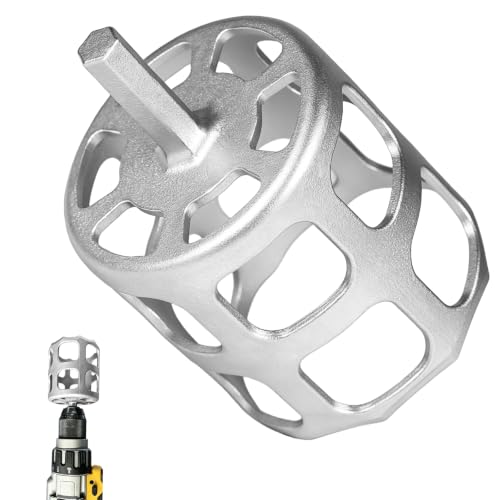
【Universal Fit for Standard 2.75 Inch Sprinkler Heads】: Specifically Engineered with a 2.75-inch cutting diameter to perfectly fit most common pop-up sprinklers, mini rotors, and small spray heads. This stainless grass sprinkler headtrimmer tool ensures a precise trim without damaging the sprinkler.2.75" sprinkler head grass trimmer works with major brands including with Rain Bird / Hunter etc. TIP: NOT FIT for common size 3.5".
Clean And Inspect Riser Threads Before Installing New Head
After you’ve safely removed the old head, inspect the riser threads for cracks, corrosion, or stripping before proceeding. Begin by shining a bright lamp on the threads and assess thread wear patterns; look for flattened crests or irregular spacing that indicate stripping. Use a soft brush or cloth to remove loose soil, then run a brief stream of water through the riser to flush debris. Dry the threads with a lint‑free cloth and, if mineral deposits remain, soak briefly in a vinegar solution, then rinse and dry again. While the threads are still visible, inspect for corrosion buildup, noting any rust or pitting that could compromise sealing. If any damage or corrosion is evident, replace the riser before attaching the new head. Regular maintenance helps prevent clogged sprinkler heads and extends system lifespan.

For installation and maintenance of spray head sprinklers, nozzles, and risers

【PACKAGE INCLUDES】Includes 12 pieces in 3 common sizes: 7x 2" double male, 2x 6" double male, and 3x 2" double female fittings. The perfect versatile set for any sprinkler head height adjustment or irrigation repair.

Replacement diaphragm for Orbit 100-series automatic 3/4-inch. (57100) and 1-inch. (57101) internal bleed valves, except Anti-Siphon.
Install The New Sprinkler Head And Seal Properly
Choose a compatible sprinkler head that matches the original size, material, and pressure rating, then clean the pipe threads thoroughly before applying a suitable sealant. After cleaning, lubricate sprinkler threads with a light‑oil spray to reduce friction and prevent galling. Wrap the threads with plumber’s tape, ensuring an even layer without overlapping tape and sealant. Screw the new head onto the pipe by hand until snug, then use a wrench for one to two additional turns—no more. This prevents over‑tightening sprinkler head while achieving a secure, watertight joint. Verify that the gasket sits flat and that the head’s orientation aligns with the intended coverage area. Finally, pack soil around the base to stabilize the head without disturbing the seal. Ensure proper pressure before testing the system to confirm consistent water flow. Adjust the spray pattern to avoid overlapping zones and water waste while maintaining even irrigation. Check for leaks after installation to guarantee a tight seal.
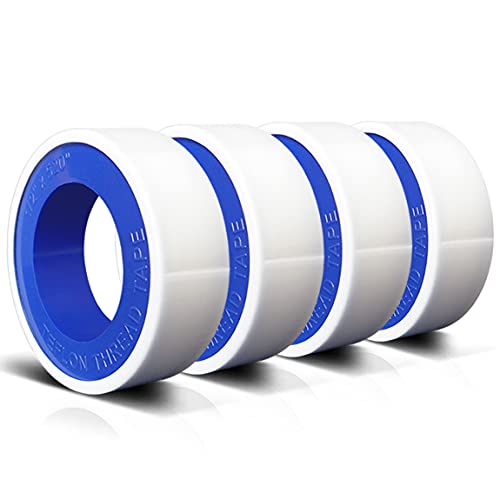
Teflon tape has a sealing function to prevent the leakage of water or gas.

SIZE: Teflon tape roll has a width of 1/2 inch and a length of 520 inches, which can be used multiple times.

SIZE: Teflon tape is 1/2 inch wide and 520 inches long,greater thickness and density.
Test For Leaks After Sprinkler‑Head Replacement And Adjust Spray Direction
Before you assess the new head’s performance, turn the water on slowly and watch the joint for any leaks while the pipe refills for at least two minutes. Observe the area for bubbling, pooling, or unexpected runoff, and listen for continuous flow after shutdown. Flush the line to confirm free movement, then monitor water pressure to verify it matches normal operating levels. Examine sprinkler valves for moisture, loose connections, or worn parts that could indicate hidden leaks. Adjust the head’s orientation so the spray pattern covers the intended zone without overspray or blockage. Verify that the pattern aligns with coverage requirements, and repeat the test zone‑by‑zone to isolate any residual issues before finalizing the installation. If the low flow indicator continues moving after shutting off the main sprinkler valve, the leak is likely inside the home low‑flow indicator. Properly setting the arc angle ensures the spray reaches the edge of the zone without missing spots. Proper head placement helps achieve even lawn coverage and reduces the need for frequent adjustments.

PRECISION ARC CONTROL FROM 0° TO 360°: Get pinpoint accuracy for any zone shape or edge. Whether you're watering a narrow walkway or full lawn circle, fine-tuned arc settings ensure no water is wasted.
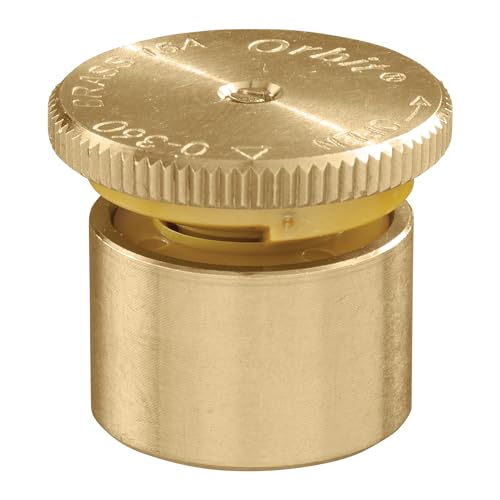
UNIVERSAL COMPATIBILITY: Designed to fit all major brands of pop-up spray heads, making it easy to replace existing nozzles and maintain your irrigation system. Delivers up to a 15-foot spray distance for efficient landscape watering (distance may vary based on PSI and other factors).

What You’ll Receive: You will get 10 high-quality 12-van adjustable arc nozzles. This generous pack provides plenty of replacements for your lawn or garden needs
Backfill The Trench, Replace Sod And Water For Fast Recovery
If you keep the trench dry and separate the original soil from the sod during excavation, you’ll streamline the backfill and lawn‑recovery steps. First, remove standing water, then backfill with the chosen material in 4‑6 inch increments, using compact backfill layers for stability. Compact each layer with a plate compactor or wheel loader, avoiding impact on the pipe. For granular sand, apply water jetting before compaction. Continue until you reach the original grade, then fold the sod back into place, tamping gently with a hand tamper to avoid over‑tamping PVC. Water the sod thoroughly after each compacted layer and again after final placement to promote grass establishment and rapid recovery. Proper capping helps prevent over‑watering and conserves water. Adjusting the spray pattern can optimize water distribution and reduce runoff. Accurately measuring sprinkler radius ensures the backfilled area matches the intended irrigation coverage.