
If soil stays above 50 °F and you keep it consistently moist, you can still seed this fall, but act fast before winter freezes. Aim for daytime air of 60‑75 °F and soil temps of 50‑65 °F to maximize germination and seedling establishment. Prepare the soil with a test, amend pH, aerate, and guarantee good seed‑to‑soil contact. Use a cool‑season blend suited to your USDA zone and water lightly but frequently. Follow these steps and you’ll avoid common pitfalls, leading to a lush lawn later on.
Why Timing Is Critical for Grass Seed Success
Because temperature drives every stage of seed development, you must align planting with the climate window that maximizes germination speed while minimizing stress. Cooler daytime air (50‑65 °F) keeps seedling establishment rates high, while soil temperatures above 50 °F accelerate germination. Aim for a period when fall dew and steady rainfall provide a reliable soil moisture balance, because adequate moisture sustains the 4‑6‑week establishment phase. Avoid the spring window; early warmth triggers rapid growth that later succumbs to summer heat, and inconsistent precipitation dries the root zone. By seeding late summer, you exploit low weed pressure and a soft, aerated soil profile that encourages deep root penetration before winter dormancy, ensuring a resilient lawn. Perennial ryegrass germinates in 5‑7 days, so timing seeding to achieve a 45‑day window before the first frost maximizes establishment. The optimal temperature range for grass seed germination is typically between 55 °F and 70 °F, which aligns with the ideal germination window for most cool‑season grasses. Planting in the fall also takes advantage of higher soil moisture that naturally occurs during this season. Proper soil aeration further improves root development and nutrient uptake.

This lawn seed is great for areas getting 4 to 6 hours of sun
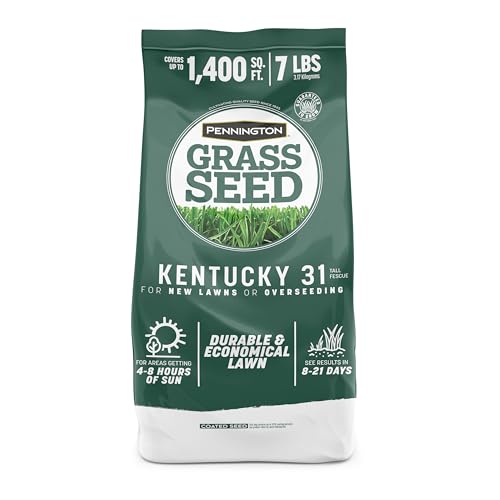
A grass seed for lawns that grows thick blades of grass that stand up to hot summers and heavy rains

Sun and shade grass seed for use in full sun to medium-shaded areas
Find Your Perfect Fall‑Seeding Window for Your Area
You’ll need to match your local climate’s temperature and frost schedule to pinpoint the ideal fall‑seeding window. In northernmost regions, aim for mid‑August to early September when soil sits at 55‑75 °F, giving cool‑season grasses like fescue, ryegrass, and bluegrass the six‑to‑eight‑week head start before the first hard frost. Shifting northern zones move to late August through mid‑September; soil temperatures of 55‑70 °F and a 7‑14‑day germination window support rapid root development. Use the USDA Plant Hardiness Zone Map to confirm your zone and select preferred grass varieties—tall fescue for zones 4‑7, perennial ryegrass for 3‑6, or annual ryegrass across all zones. Guarantee ideal seed to soil contact by loosening the top 2‑3 inches, removing debris, and lightly rolling after seeding. This timing maximizes establishment, reduces weed competition, and prepares the lawn for winter survival. Optimal soil temperature is crucial for successful germination. Proper seed to‑soil depth also influences moisture retention and root penetration. Understanding seed spacing guidelines helps ensure even distribution and prevent overcrowding.
Fall Seeding: Cool‑Season vs. Warm‑Season Grass Timing
Having identified the ideal fall‑seeding window for your climate, you now need to decide which grass type to plant. Cool season grass varieties thrive when you sow between late August and early November, aiming for at least 45 days before the first frost. Target soil temperatures of 50‑65 °F and daytime air of 60‑75 °F; these conditions accelerate germination and root development, while natural weed decline reduces competition. In northern zones, seed mid‑August to mid‑September; shift zones move to September‑October. Warm season grass limitations are stark: they require soil above 70 °F, and fall temperatures fall below this threshold, inhibiting germination and exposing seedlings to frost. Consequently, warm‑season species are best installed in mid‑April to mid‑May, or via sod if fall planting is attempted. Proper soil moisture is essential for seed germination, and adequate watering during the first two weeks helps ensure successful establishment. Maintaining light, frequent watering during early germination prevents the soil from drying out while avoiding saturation. Understanding soil temperature thresholds helps you schedule planting for optimal germination rates.
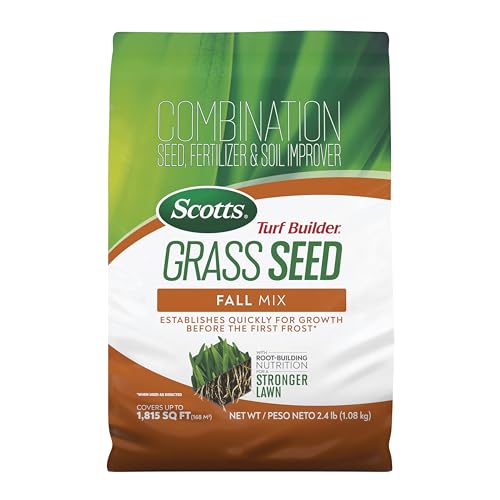
WHERE TO USE: This grass seed mix contains Kentucky bluegrass seed, perennial ryegrass seed, and creeping red fescue; it is designed for full sun and light shade, and has low drought resistance with medium durability

PERFECT FOR FALL SEEDING - Our cool-season grass seed mix is formulated for successful fall seeding projects. The grass seed varieties are bred to perform especially well when seeded during the fall planting season of mid-August through mid-October.

APPLICATION: Apply this sun and shade grass seed in the spring or fall to grow a new lawn or overseed an existing lawn to thicken grass and help crowd out weeds
Fall Seeding Soil Prep & Aeration Checklist
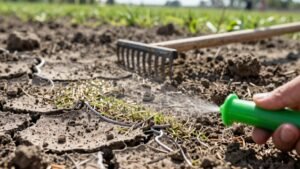
If you want a thriving fall‑seeded lawn, start with a thorough soil‑prep and aeration routine that eliminates compaction, balances pH, and supplies organic nutrients. First, conduct a soil test; the recommendations will tell you whether lime, sulfur, or specific organic amendments are needed to correct Mid‑Atlantic acidity and improve water retention. Apply the amendments, allowing them to bind particles and liberate nutrients. Water the area deeply 1–2 days before aerating so the soil is moist but not soggy. Mark utilities, then run a core aerator in a cross‑hatch pattern, adding weight if possible to reach deeper layers. The aeration benefits include reduced compaction, enhanced root penetration, and better nutrient flow. Finally, rake away plugs and thatch, then top‑dress with compost to fill holes and enrich the seedbed. Proper grass seed selection ensures the new lawn matches climate and sunlight conditions. Using a seed‑to‑soil contact technique, such as lightly raking or rolling after seeding, promotes uniform germination. For most cool‑season grasses, planting at a depth of ¼‑½ inch maximizes germination success. Selecting the right soil type for your region can dramatically improve seed establishment.
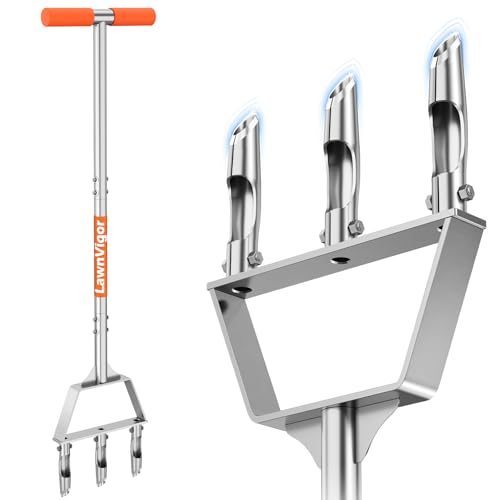
LAWN AERATOR FOR HEALTHIER LAWN GROWTH: Our manual lawn aerators promotes lush, green lawns by delivering essential air, water and nutrients deep into the soils. The lawn air aerator tool ensures healthier grass growth. (Note: Please water dry soil before use and do not rock, twist, or pry the tool side-to-side when it's in the ground.)

Liquid Soil Loosener: Can be used Alone or with Mechanical or Core Aeration, Aerating and Aerate Tools. Liquid Soil Loosener Conditions Compact Soil. Helps the Downward Movement of Water Allowing Vertical Drainage and Increased Water Infiltration.

【HELPS REDUCE SOIL COMPACTION】This manual lawn core aerator removes soil plugs to create openings in compacted ground. These channels allow air, water, and nutrients to move more easily into the root zone. Regular aeration supports improved soil structure and prepares lawns for overseeding, fertilizing, and seasonal maintenance.
Step‑by‑Step Fall Lawn Preparation
When the first cool breezes arrive, begin the fall lawn prep by clearing debris, adjusting mowing height, and treating weeds before the ground freezes. First, implement leaf removal strategies: rake or mulch leaves promptly, then use a mulching mower to shred remaining foliage for natural fertilizer, preventing thatch buildup and mold. Next, lower mowing height gradually to a final 2‑3 inches, stopping when growth ceases to reduce snow‑mold risk. Apply targeted overseeding techniques after aeration, spreading seed uniformly over dethatched soil to fill bare spots and suppress weeds. Treat perennial weeds now, when they’re weakest, and pull any new sprouts by hand. Finally, fertilize with iron‑ and nitrogen‑rich fall formula, ensuring nutrients reach deep roots before winter dormancy. Include a brief inspection of soil compaction, as soil health can affect seed germination. Using a core aerator creates 2‑3 inch deep holes spaced 4‑6 inches apart, which improves seed‑soil contact and promotes rapid germination. Good seed‑soil contact is essential for uniform germination and a dense, resilient lawn. Aeration also helps alleviate soil compaction by creating channels that allow air and water to penetrate deeper layers.

【NO MORE MESSY PLUGS】 Tired of scattered soil plugs on your lawn? Jardineer updated core aerator lawn tool is designed with a built-in collection tray that automatically catches soil plugs as they are ejected. This keeps your yard tidy and saves you the back-breaking work of secondary cleanup, allowing you to focus on enjoying your beautiful, pristine garden

Deeper Aeration: The lawn aerator features angled coring tines that cut through hardened soil, pulling out 3-in deep soil plugs. Wide side slots help prevent clogging. Deeper aeration delivers oxygen, water, and nutrients to the roots
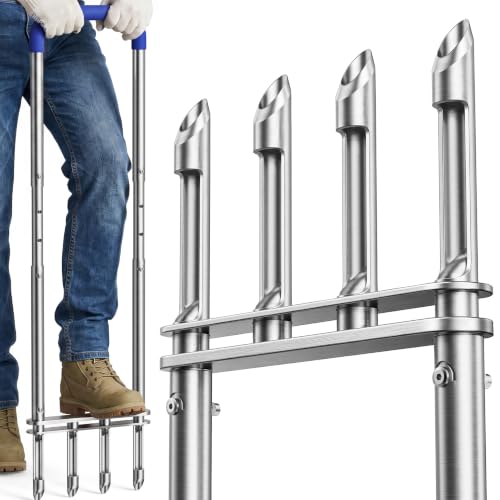
1.Adjustable Height for a More Comfortable Working Position: Extend the lawn aerator from 43.3 to 48.5 inches to match your height and preferred stance. The upright handle, open knee area and cushioned non-slip grip help make repeated lawn aeration more controlled and less demanding on your back.
How Much and How Often to Water Fall‑Seeded Grass?
After clearing debris and setting the mower height, the next priority is watering the newly sown seeds. During the initial germination phase (days 1‑7) you’ll water 2‑3 times daily, 5‑10 minutes each, keeping the top 1‑2 inches of soil consistently damp without oversaturation; aim for ⅛‑¼ inches per day, totaling 3‑4 inches weekly. Reduce to once daily in weeks 2‑3, extending each session to 10‑15 minutes and penetrating 1.5 inches. Adjust frequency for sandy versus clay soils, and add a hot‑day extra if needed. By weeks 3‑4 switch to every 2‑3 days, 15‑20 minutes, delivering 1‑1.5 inches weekly to encourage deep root growth. Continue to monitor soil moisture and employ manual aeration techniques to prevent compaction and guarantee even water distribution. Avoid peak sunlight hours between 10:00 a.m. and 4:00 p.m. to reduce evaporation. Using a frost blanket can protect the seed bed from unexpected cold snaps and improve germination success. Properly covering the seed with a thin layer of straw helps retain moisture and protect against wind seed mulch is an effective, low‑cost option.
Top 7 Fall‑Seeding Mistakes to Avoid
Even seasoned gardeners can sabotage a fall‑seeded lawn by overlooking critical timing, soil preparation, seed selection, spacing, and fertilization—each error compounds the next, leading to weak, patchy growth. First, plant seeds too early or too late; early sowing exposes seedlings to temperature swings, while late planting rushes development before frost. Second, skip soil testing and amendment—dense, un‑aerated ground blocks air and water, so Tackle soil compaction and incorporate organic matter. Third, choose a variety mismatched to climate or existing turf; consult local recommendations. Fourth, sow at the density indicated on the packet—overcrowding reduces airflow, invites fungal disease, and creates leggy growth. Fifth, ignore proper lighting—Avoid sun exposure on newly seeded areas to prevent desiccation. Sixth, neglect starter fertilizer; a balanced N‑P‑K mix fuels root establishment. Seventh, forget mulching or protective covers, which leaves roots vulnerable to winter stress. Using a seed starting mix can improve germination success. Properly seed distribution ensures uniform coverage and maximizes germination rates. Managing soil moisture during the germination phase helps prevent seed desiccation and promotes healthy root development.
When Spring Seeding Works: Special Cases & Precautions?
Fall‑seeded lawns often stumble on timing, so you’ll find spring seeding only succeeds under specific circumstances and with strict precautions. You should seed only when soil consistently reaches 50‑55 °F for cool‑season grasses (Northeast, Midwest) or 65‑75 °F for warm‑season varieties (Southeast, Southwest, West Coast). Special cases include thin turf damaged by winter, low density after grub or drought, and new properties needing rapid cover; in these instances, use bare dirt coverage with annual ryegrass early to protect against summer die‑off. Dormant seeding from Thanksgiving through March creates winter crevices for seeds, improving germination depth. Prior to sowing, verticut to expose seed‑soil contact, then water lightly and frequently for two to three weeks. Avoid late‑spring planting to prevent heat stress and weed competition. Cool‑season grasses go dormant in winter and tiller out in spring. Kentucky bluegrass offers excellent cold tolerance and rapid recovery after winter damage. Properly soil test before planting ensures nutrient balance and pH levels optimal for seed germination.
Fall‑Seeding After‑Care: Fertilizer, Weed Management, and Growth Checks
A well‑planned after‑care routine determines whether your fall‑seeded lawn thrives or falters. First, test soil quality to confirm pH and nutrient levels; adjust with a starter fertilizer high in phosphorus and a late‑season blend rich in potassium. Mix Milorganite with seed at a 4:1 ratio by weight, applying before or after aeration to improve seed‑to‑soil contact. Water consistently—daily or every two days—until seedlings establish, then let rain and dew integrate the late fall application. For weed control, avoid n‑feed blends and use a pre‑emergent like Mesotrione, checking label wait times. Monitor root development and mowing height, and schedule a second fertilization 4‑6 weeks later. Incorporate thin compost layers to retain moisture and support wildlife habitat enhancement.

Starter fertilizer formulated to use when establishing new turf

Premium Starter Fertilizer for New Lawns (15-20-10): High-phosphorus formula designed for fast root development, stronger germination, and quick establishment of new grass seed or sod. Perfect for seeding, overseeding, or repairing stressed lawns.

Speeds Root Growth - This grass fertilizer for lawn is a phosphorus fertilizer that helps roots establish quickly and grow deep and strong
How Long to See Results & When to Re‑seed for a Lush Lawn?
Patience pays off once your seed sprouts, because you’ll start seeing true lawn progress only after the germination window closes and the young shoots have built enough leaf mass. Expect visible greening 7‑14 days for cool‑season mixes, ryegrass in 5‑10 days, and Kentucky bluegrass up to 30 days. After emergence, allow an additional 3‑4 weeks before the first mow, when shoots reach 2‑3 inches. Monitor soil temperature (50‑60 °F) and maintain consistent moisture; a rapid 8‑day response signals ideal conditions. Re‑seed when weeds or thin spots appear, timing planting 45 days before the first fall frost for cool‑season species. Use perfect seed selection matched to climate and employ precise seed application methods—broadcast or hydroseeding at 1‑2 lb per 1,000 sq ft—to achieve uniform coverage and rapid establishment. Patchy areas may appear due to soil temperature and moisture variations.