
Standard weed killers won’t eliminate moss because they rely on vascular transport that moss lacks, so the chemicals never reach the living cells. Glyphosate and similar systemic herbicides fail to influence the gametophyte, and contact sprays only damage surface tissue without killing the plant. Moss‑specific formulas use oxidizing metals like ferrous or copper sulfate, or acidic solutions that dissolve cell membranes, providing rapid, reliable control. If you keep going, you’ll uncover the exact ingredients, timing, and conditions that make moss‑killing work.
Do Standard Weed Killers Kill Moss?
Standard herbicides don’t take out moss because they’re designed to infiltrate a plant’s vascular system—something moss simply doesn’t have. When you apply glyphosate or similar systemic products, they travel through xylem to reach roots, but moss lacks those vessels, so the chemical never reaches the gametophyte cells that sustain it. Consequently, your turf maintenance strategies must treat moss separately; relying on standard weed killers leaves the bryophyte untouched while eliminating surrounding grasses and broadleaf weeds. Evidence shows that contact herbicides like QuickSilver act only on exposed foliage, providing no residual effect, and still spare moss because its biological characteristics prevent absorption. To protect turf integrity, you’ll need moss‑specific formulations or mechanical removal in addition to conventional weed control. QuickSilver quickly eradicates many broadleaf weeds within 14 days, but it does not affect moss. Vinegar’s acidic nature can damage moss tissue, but it lacks the systemic action needed to eradicate it completely. Preen herbicide targets existing weeds effectively when applied correctly. Chlorine’s limited herbicidal potency makes it unsuitable for moss control.
Why Moss Biology Makes It Resistant to Most Herbicides (And Moss Killers)
Because mosses lack a vascular system, systemic herbicides can’t reach the cells that keep them alive, so you’ll find that most conventional products barely affect them. Their non‑vascular structure means nutrients and water enter directly through rhizoids, and the same pathway governs any herbicide uptake. Without xylem or phloem, the chemical cannot be translocated, so contact sprays only affect the surface cells they touch, leaving internal tissues untouched. This absorption mechanism, combined with the mosses’ inherent adaptability to low‑nitrogen, shaded, and compacted soils, lets them survive where turf weakens. In addition, many species have evolved metabolic resistance that neutralizes the few compounds that do penetrate, making cultural fixes—adequate fertility, aeration, and shade management—essential for lasting control. Silvery‑thread moss is the most common species in highly maintained turfgrasses.
Which Ingredients in Specialized Moss Killers Target Moss Effectively?
Three key ingredients dominate effective moss‑kill formulas: ferrous sulfate, copper sulfate, and zinc sulfate. You’ll apply ferrous sulfate at 4–7 oz per 1,000 sq ft in 3–5 gal water; it oxidizes chlorophyll, turns moss black, and kills it within hours, while also enhancing lawn greenness. Copper sulfate, sprayed at 3–5 oz per 1,000 sq ft in 4 gal water, disrupts photosynthetic enzymes and provides a corrosive barrier that resists moss resistance mechanisms on roofs and turf. Zinc sulfate, used at 99 % monohydrate rates, interferes with metal‑dependent enzymes, offering up to two years of control. Chemical adjuvants such as potassium salts of fatty acids improve spray coverage and penetration, but you must follow label rates to avoid phytotoxicity and aquatic runoff. Store the product in a secure area to prevent accidental exposure. Always wear protective gear when handling these chemicals to minimize health risks. Acetic acid can also be used as a supplemental treatment to weaken moss tissue before applying the primary chemicals. Proper soil pH adjustment can further enhance the efficacy of these herbicides.

Exclusive micro-granule formula


How Do Glyphosate‑Based Weed Killers Compare With Moss‑Specific Formulas?
While glyphosate excels at broad‑spectrum weed control, it falls short on moss because the herbicide relies on vascular tissue transport that non‑vascular moss simply lacks. You’ll find glyphosate’s weak‑acid mechanism ineffective; moss absorbs water through leaf‑like structures, bypassing the enzyme‑inhibiting pathway. In contrast, moss‑specific formulas—often acetic‑acid based—act on contact, dissolving cell membranes directly. These products can be combined with topical fungal treatments to address secondary infections, enhancing seasonal moss deterrence. Glyphosate may indirectly suppress moss by eliminating competing weeds, improving grass vigor, but it still requires supplemental lawn practices. Moss‑targeted herbicides provide a more reliable, single‑application solution, delivering observable results without relying on indirect competition dynamics. Moss thrives in acidic damp, and shaded areas, making it resilient to herbicides like glyphosate. Spruce Weed Killer also contains a surfactant that improves leaf coverage on mossy surfaces. Boiling water can be used as a non‑chemical, rapid‑acting method to kill moss patches without harming surrounding plants. Parallel token output allows faster treatment of large areas.
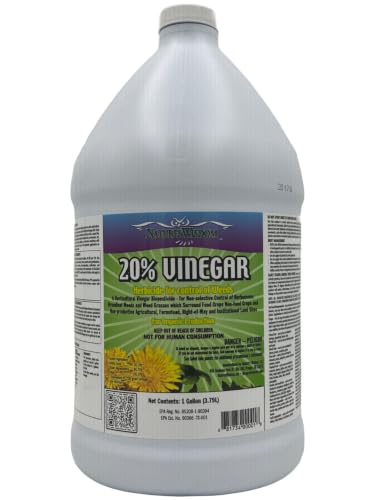
Effective on Most Broadleaf Weeds and Grasses. Eliminates weeds like crabgrass, dandelions, clover, and moss with full desiccation achieved in less than 24 hours.

CONCENTRATE: A vinegar-based concentrate that effectively kills unwanted weeds and grass. Use on crabgrass, clover, dandelions, and ground ivy.

UNMATCHED PURITY AND CONSISTENCY: Experience Calyptus 50% vinegar concentrate solution, crafted with Pure Technical Grade Vinegar and DI Type II H20. Our concentrated solution consistently delivers the same smell, color, and results.
Application Conditions That Determine Moss‑Killing Success
Typically, moss‑killing success hinges on timing, temperature, moisture, and light conditions that align with the herbicide’s mode of action. You must apply Feed, Weed and Moss Killer between March and May or September and October when the ground is frost‑free and soil moisture requirements are met. Environmental conditions such as temperatures above 80 °F boost chlorothalonil efficacy, while lower temps render it ineffective. Guarantee the soil is moist but not waterlogged; rain or irrigation within 48 hours after application helps product uptake. Avoid heavy rain forecasts that could wash away the spray. Light exposure matters—trim limbs to provide 3–4 hours of daily sun, and aerate compacted soils to improve drainage. Follow mowing restrictions (no mowing 3 days before and 4 days after) to maximize absorption. Apply when grass is actively growing to kill winter moss and support healthy turf. Always observe the recommended waiting period before re‑entering the treated area to ensure safety.
How to Spot‑Treat Moss on Patios, Walkways, and Flower Beds?
When you spot moss on a patio, walkway, or flower bed, apply a targeted spray—such as Scotts MossEx 3‑in‑1 or an organic vinegar solution—directly to the affected area, following the product’s label for coverage rate and timing; use a precise nozzle to limit overspray. For patios and walkways, the 32 fl oz. ready‑spray covers multiple spots, while a vinegar‑based spray works well in flower beds without harming nearby plants. Spot treatment recommendations prioritize ferrous sulfate monohydrate (Scotts Turf Builder) for mixed grass‑moss zones and vinegar for chemical‑free areas. Cost effective options include the multi‑use 3‑in‑1 spray, which also suppresses algae and lichens, reducing the need for separate products. After application, sweep dead moss away and avoid treating flowers, shrubs, or vegetable beds adjacent to the target zone. Effective 2‑in‑1 formula provides both moss killing and lawn feeding in a single application. Using a solution with at least 5 % acetic acid ensures the vinegar is strong enough to damage moss cells. Visible wilting typically occurs within 30 minutes to several hours after application.

Kills moss quickly - see results in hours

KILLS MOSS, ALGAE & MORE: 2-in-1 Moss & Algae Killer and Cleaner kills moss, algae, lichen, mold*, and mildew; No-odor formula won't stain surfaces or harm lawns when used as directed (*Not including species considered public health pests)
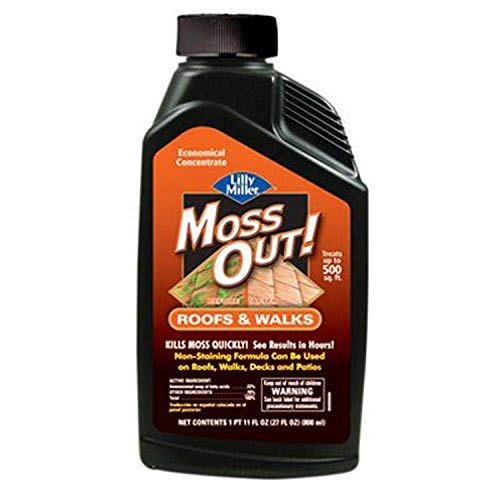
Kills moss quickly - see results in hours
Preventing Moss Regrowth With Lawn‑Care and Pre‑Emergenceence Products
If you keep the soil’s pH in the 6.0‑6.5 range, improve drainage, and maintain strong grass growth, you’ll prevent moss from returning without relying on repeated herbicide applications. Test the soil, apply lime to raise pH, and fertilize according to extension recommendations. In shaded lawn areas, thin trees or shrubs to boost sunlight and air flow, then aerate and dethatch to enhance infiltration. Deep, infrequent irrigation—about one inch per week to a six‑inch depth—reduces cool moist conditions that favor moss. Overseed thin patches with shade‑tolerant varieties such as tall fescue or zoysiagrass, and apply pre‑emergence granules in early spring to suppress moss spore germination. Maintain mowing heights and balanced nutrition to keep grass vigorous, creating a competitive canopy that outcompetes moss. Moss thrives in conditions where grass struggles to grow, so addressing excess moisture is essential. Proper aeration also promotes soil oxygenation, which further discourages moss establishment. Regularly inspecting for compaction can guide you on when to schedule aeration for optimal soil health. Aeration improves soil structure by relieving compaction and allowing roots to expand more freely.
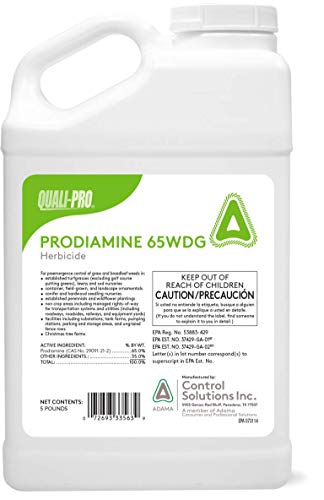
PRE-EMERGENT HERBICIDE: Quali-Pro's Prodiamine 65 WDG provides pre-emergent grass and broadleaf weed control. Flexible application allows for both spring and fall use providing season long crabgrass control. Available in a 5 pound bottle.

WEED PREVENTION: Scotts Halts Crabgrass & Grassy Weed Preventer prevents the germination of listed lawn weeds so you can enjoy your lawn

KILLS LISTED BROADLEAF WEEDS: Season Long Lawn Weed Killer + Preventer for Southern Lawns kills listed broadleaf weeds, including Dandelion, Clover, Chickweed, Dollarweed, and Henbit for up to 6 months
When to Pick a Moss Killer Over a Weed Killer
Because moss is a non‑vascular bryophyte, a standard weed killer—designed for broadleaf plants—won’t affect it, so you should reach for a moss‑specific product whenever the site’s conditions (cool, moist, shaded) favor moss growth and you need rapid control. Choose a moss killer when the ideal soil conditions—high moisture, low light, and cool temperatures—coincide with the active phase of the moss lifecycle, typically fall, warm winter rains, or early spring. Iron‑based formulations such as ferrous sulfate act within hours, drying and blackening moss without harming surrounding grass. Weed killers lack the physiological target, so they’re ineffective under these conditions. Apply the moss product at the recommended rate (3–5 oz per 1,000 ft² in 4 gal water) during the moss’s growth window for prime results. Proper timing is essential, as applying during the active growth phase maximizes efficacy. The speed of systemic absorption of many herbicides can influence how quickly they affect target plants. Using a protective buffer zone helps prevent drift onto nearby desirable vegetation.


20% Soluble Iron Plus 12% Sulfur: Single-ingredient ferrous sulfate heptahydrate (FeSO4-7H2O) delivers iron in the Fe2+ form plants take up directly, supporting chlorophyll production and green, vigorous foliage
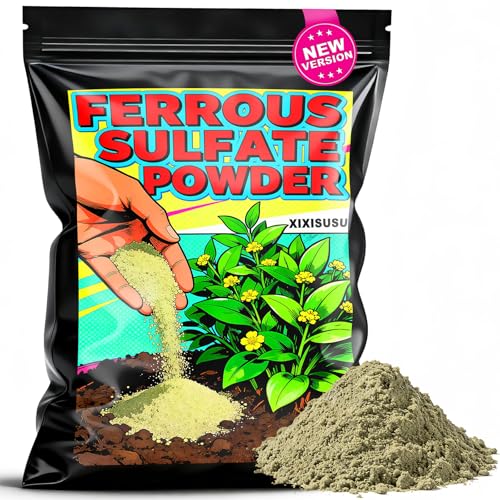
This high-purity iron sulfate provides essential iron for plants to effectively combat yellowing leaves. Use our ferrous sulfate for plants to restore vibrant green color and support vigorous growth in your garden and houseplants.
Common Mistakes That Reduce Moss‑Killing Performance
Choosing the right moss‑killing strategy is only half the battle; the way you apply and follow up on the treatment determines whether the effort yields lasting control. Misapplying treatments—such as spraying before rain, ignoring the three‑hour rainfast window, or using a weed killer that doesn’t target moss—lets the product wash off or act only temporarily. Prioritizing prevention means fixing shade, moisture, and drainage issues before you spray; otherwise moss will rebound regardless of chemistry. After a synthetic kill, you must scarify, rake away dead material, and overseed bare spots to let grass compete. Aerate and fertilize to boost lawn vigor, and avoid products that harm cool‑season grasses or aquatic life. These steps close the performance gap. Moss acts as an indicator of air quality, thriving only in clean‑air environments. Using bleach as an herbicide can damage soil microbes and should be avoided for long‑term lawn health. For a natural alternative, consider using salt as a weed killer to target stubborn moss without harming surrounding grass.
Quick Checklist: Is Your Product Right for Moss Elimination?
A quick checklist helps you verify whether a product will actually kill moss before you spend time and money. First, confirm the formulation targets moss directly; avoid glyphosate and other vascular‑plant herbicides that lack efficacy because moss has no xylem or phloem. Look for carfentrazone, ferrous sulfate, or ammonium sulfate with iron, which have documented kill rates when applied to damp moss at the recommended rates (e.g., 6.7 oz/acre for carfentrazone, 3–5 oz/1,000 ft² for ferrous sulfate). Check temperature constraints—chlorothalonil needs >80 °F, and repeat interval guidelines (10–14 days for carfentrazone). Verify that the label permits residential use. Finally, pair chemical treatment with preventative cultural practices such as regular mowing, core aerification, and nitrogen fertilization, and plan manual removal methods for residual patches. Road salt can also be used as an additional moss‑killing option.