
You can kill most weeds with boiling water if you keep the temperature above 80 °C for at least five seconds. The heat denatures cellular proteins, causing foliage to wilt instantly and killing 95 % of young annuals and surface‑level weeds. Deeper‑rooted perennials need several repeat applications every 7‑10 days. Use a sturdy kettle, wear gloves, and pour a steady stream directly onto the crown on a calm, sunny day. Follow‑up steps will show you how to optimize timing, safety, and long‑term control.
Does Boiling Water Really Kill Weeds?
When you pour boiling water onto a weed, the scalding liquid acts as a contact herbicide, destroying only the tissue it actually touches. The heat must exceed 57 °C to denature cellular proteins, and maintaining ~80 °C for five seconds maximizes thermal transfer to shallow roots before rapid cooling to 64 °C limits deeper penetration. You’ll see foliage wilt instantly and brown within one to two days, achieving over 95 % kill on young annuals in a single pass. This method respects soil pH requirements because it introduces no chemicals that could alter acidity, and it offers water conservation benefits by using only the volume needed for precise application, eliminating runoff and reducing overall irrigation demand. The effectiveness can vary with weed type and environmental conditions, so applying the water on a sunny, dry day ensures faster desiccation and better results. Systemic herbicides typically require several days to fully translocate within the plant, whereas contact treatments act within hours. For a broader perspective on non‑chemical weed control, consider the role of acetic acid in horticultural applications.
Which Weed Types Respond Best to Boiling Water?
The thermal herbicide effect of boiling water works best on weeds that lack deep, insulated root systems—young annuals, surface‑level species, and those confined to cracks or paving. You’ll see immediate wilting on newly emerged annuals, with browning within one to two days and a high kill rate after a single Application method. Surface‑level weeds in patio cracks, paver gaps, or gravel driveways respond similarly because their roots are exposed and lack soil insulation. Non‑deep‑rooted species also succumb after one or two treatments, delivering over 95 % mortality. Effectiveness on perennials is limited; established dandelions and tap‑rooted weeds require 5‑6 repeat applications every 7‑10 days, and the heat loss reduces penetration to deeper root structures. Boiling water is less effective on mature, deep‑rooted weeds, often requiring multiple treatments to achieve noticeable control. Proper timing of the application is crucial for maximizing thermal herbicide effectiveness. Using a vinegar concentration of at least 20 % acetic acid can enhance weed control when combined with boiling water. Adding a small amount of acetic acid can increase the overall potency of the treatment.
How to Apply Boiling Water Safely – Step‑by‑Step Guide
If you follow the safety checklist before you start, applying boiling water becomes a controlled, effective herbicide. Begin by filling a kettle, heating water to a rolling boil (100 °C), and transferring it into a heat‑resistant container. Don a thick gloves and an apron, then clear children, pets, and desirable plants; use cardboard or plastic barriers to shield them. Choose a calm day; wind can carry splashes. Position yourself a short distance from the weed, aim the spout directly at foliage and crown, and pour a steady stream from a low height. Maintain water above 80 °C for the first five seconds, saturating the target area. This effective application technique, performed at the ideal application timing—early morning or late afternoon—maximizes kill while minimizing collateral damage. Boiling water can also be used on cracks where vegetation grows through sidewalks. Salt can be applied as a targeted herbicide to eliminate stubborn weeds without harming surrounding grass. For larger infestations, consider using rock salt to enhance herbicidal effectiveness. The high concentration of acetic acid in vinegar disrupts plant cell membranes, accelerating the kill.

【Food-grade Kettle】This camping kettle is made of hard anodized aluminum,safe for all people to use.Hard-anodized aluminum conducts heat quickly,stand high temperature, corrosion-resistant, rust-free,built to last.

Proper Size for Everyday Dining: This placemat set includes 2 pieces, with each placemat measuring 13 x 19 inches. The practical size provides enough space for plates, cups, and utensils, making it suitable for everyday meals, family gatherings, and home decoration.

BRAIDED WITH POLYESTER CLEAR THIN THREADS AND COTTON BLEND THREADS-Wrinkle resistance. Under light the clear wiring is a little shiny or glittery. 13 inch across, large enough for any plate or bowl
Common Mistakes That Reduce Success (and How to Fix Them)
You’ll quickly notice that a few common missteps—like using too little water, skipping repeat treatments, targeting mature perennials, letting the temperature drop, or adding harmful additives—drastically cut the effectiveness of boiling‑water weed control. Insufficient volume prevents proper timing and thorough saturation, leaving deep roots untouched and allowing regrowth. Skipping retreatments ignores the low kill rate of established roots; schedule 5‑6 applications at 7‑10‑day intervals to deplete energy reserves. Targeting mature perennials fails because heat reaches only foliage; focus on young, shallow‑rooted weeds or repeat until crowns are destroyed. Rapid temperature loss reduces thermal transfer; pour directly from a rolling boil and work quickly. Avoid soil‑damaging agents—pure water preserves microbial health and prevents long‑term degradation. The experiment showed that shaded weeds were more resistant to boiling water than those in sunny spots. Properly preparing the rocky area by removing existing weeds before treatment enhances herbicide efficacy and reduces future regrowth. Incorporating tilling before boiling water can disrupt weed roots and improve overall control.
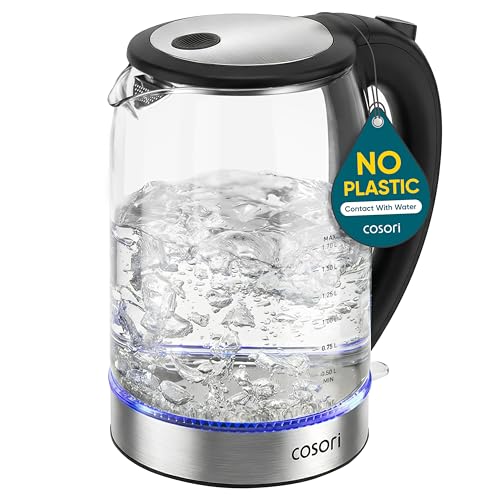
No Plastic Contact with Your Water——With no plastic inside, water never touches plastic, ensuring a pure taste and safer drinking experience

1500W Rapid Boil & 1.8L Capacity: Powered by a 1500W heating element, this kettle boils water quickly for coffee, tea, and instant meals. The family-sized 1.8-liter capacity includes an extra-large water window, allowing you to boil only what you need and save energy

No Plastic Contact with Your Water——With no plastic inside, water never touches plastic, ensuring a pure taste and safer drinking experience
When to Use Boiling Water: Weather & Timing Tips
Skipping repeat treatments or using too little water leaves roots intact, so timing becomes the next critical factor. Apply boiling water on sunny, warm mornings or late afternoons when foliage retains heat; this maximizes root heating effects and limits rapid atmospheric loss. Avoid wet or windy days, as moisture reduces thermal transfer and wind drops temperature below the 57 °C kill zone. Target newly emerged annuals and surface‑level weeds before roots extend six inches; they require fewer repeats and lower energy consumption impacts. Use a generous volume to sustain 80 °C contact for at least five seconds, especially on dry, compacted soils or hard‑surface cracks where insulation is minimal. Retreat within 7‑10 days if regrowth appears, preventing energy buildup in deeper roots. Wear heavy shoes to protect feet while handling the hot water. Follow proper body mechanics to avoid strain when lifting the kettle. Keep the mower dry after use to prevent rust and electrical hazards. Mowing a wet lawn can cause soil compaction that reduces the effectiveness of subsequent boiling‑water treatments.

Fast Boiling: Experience rapid boiling with this 1500W electric kettle. Get hot water in just 3 minutes, perfect for making tea, coffee, and other hot beverages efficiently.

Rapid Boiling & Large Capacity – Boils 1.8L (7.5 cups) of water in just 6-7 minutes, perfect for tea, coffee, and soups.

Large 2.5L Capacity for Families & Gatherings: This electric kettle delivers enough hot water for multiple cups of coffee, tea, or instant meals in one boil. With its generous 2.5L volume, you can serve 4-6 people during morning routines or afternoon tea sessions without refilling. Perfect for busy households, dorm parties, or office breaks—ensuring everyone gets their hot drinks simultaneously.
Boiling Water vs. Other Organic Weed‑Control Methods
Two organic approaches dominate DIY weed control: boiling water and vinegar‑based sprays, each with distinct mechanisms and trade‑offs. Boiling water transfers heat efficiently, destroying roots without salts or residues, and fits neatly into integrated pest management because it leaves no chemical trace. However, rapid heat loss to about 64 °C limits deep root kill, so you’ll need multiple applications spaced 7‑10 days apart, and it falters in wet or windy conditions. Vinegar‑based sprays burn foliage quickly, especially when mixed with salt and soap, but they risk grass damage and require careful timing. Compared with other organic mulching approaches, both methods are low‑impact, yet hot foam offers superior devitalisation and fewer cycles, making it a more efficient thermal alternative within an integrated pest management framework. Hydrogen peroxide can also be used as an organic weed killer that oxidizes plant tissue, providing another chemical‑free option. For those seeking a natural soil‑health boost, incorporating compost tea can improve microbial activity while suppressing weed germination.

STAINLESS STEEL PICNIC WATER BOTTLE: Camping Pots are Forged from Stainless Steel, Stainless Steel Camping Kettle is Thicker Than Other Kettles, Which Can Stand High Temperature and Have a Great Corrosion Protection for Camping Trips and Other Outdoor Activities
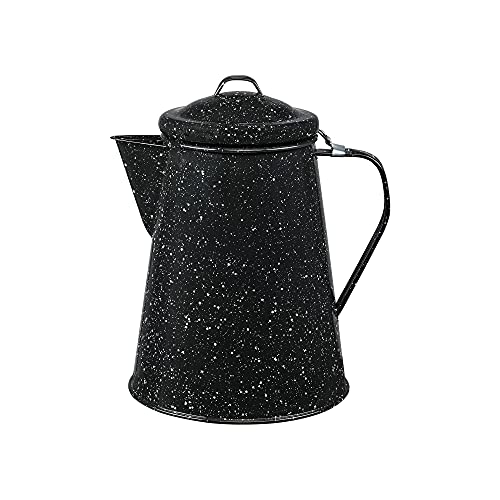
Capacity: Accommodates up to 12 cups, making it ideal for brewing coffee in large quantities to serve a group.

The Perfect Camping Tea Kettle Set for You - The set come with 1 large kettle(3.8 Quart) and 4 stainless steel mugs (400ml). It's the perfect choice for a couple quick cups of coffee or tea. And it's so compact that there's no burden at all
Follow‑Up Plan: Maintenance & Long‑Term Prevention
Boiling water and vinegar sprays can knock down existing weeds, but lasting control hinges on a systematic follow‑up plan that integrates mowing, soil health, pre‑emergent treatments, seed‑prevention tactics, and mulch or cover‑crop strategies. You should raise mower blades for a mowing height adjustment that shades soil, mowing weekly and more often during peak growth to prevent crabgrass and other annuals from setting seed. Conduct a soil test frequency each spring and fall; amend with compost or organic fertilizer to boost organic matter, encouraging dense turf that outcompetes weeds. Apply corn gluten meal as a pre‑emergent in spring and fall, and dig any emerging weeds before seed production. Finish by installing heavy bark mulch or landscape fabric and rotating cover crops every 4‑6 weeks to deplete the seedbank. Incorporate soil testing regularly to tailor nutrient management and further suppress weed emergence. Also, monitor for yellowing grass as an early visual cue that may indicate nutrient deficiencies and the need for fertilizer. Properly balanced nutrients can also reduce weed growth by favoring the desired plants over opportunistic weeds.