

White vinegar (4‑6 % acetic acid) will scorch young, shallow‑rooted weeds by denaturing cell membranes, but it only works on tender foliage and offers non‑systemic control. Seedlings like crabgrass, chickweed, and pigweed wilt within days, while mature or deep‑rooted species survive and may need repeat sprays. Adding a surfactant and a little salt improves adhesion and drying, yet soil pH drops and beneficial microbes can be harmed. For tougher weeds or longer‑term results, stronger formulations and mitigation strategies await.
Why White Vinegar Burns Weeds
Because acetic acid is highly acidic, it denatures plant cell membranes and proteins on contact, causing rapid tissue necrosis. At 5% vinegar strength, the low pH lowers foliar pH, disrupting membrane integrity and denaturing proteins, which leads to immediate yellowing, browning, or bleaching within hours. When you add a surfactant, surface tension drops, allowing the solution to penetrate waxy cuticles and coat every leaf surface. Uniform spray maximizes foliage coverage, ensuring each leaf receives a lethal dose. The acid burns exposed tissue like a chemical skin burn, collapsing cells and causing desiccation. Roots remain largely untouched because the herbicide is non‑systemic, so the treatment is effective only on above‑ground parts. Genetically modified corn is the primary crop used to make vinegar in the United States. The effectiveness of vinegar varies with weed species and growth stage, with young, broadleaf weeds being most susceptible. The temperature and humidity during application can significantly accelerate the herbicidal action. Acidic pH is the key factor that drives cellular disruption in weed foliage.
Which Young Weeds Respond Best to 4‑6% Vinegar
The acidity that burns plant cells also determines which seedlings you can target effectively with a 4‑6 % vinegar solution. You’ll see the strongest response from newly emerged annuals such as crabgrass, chickweed, and pigweed, whose root penetration characteristics are shallow and whose tender foliage absorbs acetic acid rapidly. Apply on a dry, sunny day within the ideal temperature range of 20‑30 °C; the warm conditions speed desiccation and leaf browning within hours. Seedlings that have not yet developed a robust taproot—like lamb’s quarters and field bindweed—wilting quickly and are suppressed within a few days. Avoid perennials or weeds with deep, carrot‑like roots, as the solution only burns tops, allowing regrowth. Vinegar is most effective on young, annual weeds. young annuals respond best to this concentration. Adding a small amount of salt can enhance the drying effect, as salt dehydrates plant tissue and disrupts root function. Incorporating a solarization step before applying vinegar can further weaken weed seedlings by heating the soil. Using a soil moisture meter helps confirm the ground is sufficiently dry for optimal absorption.

MAXIMUM STRENGTH CLEANING POWER: Unleash the power of Simply Vinegar 49%—an industrial-grade vinegar concentrate engineered for demanding cleaning jobs. Ideal for home, garden, and outdoor use, it cuts through grime, grease, and buildup with professional-grade results.

ACCUSHOT REFILL: For use with the AccuShot Continuous Power Sprayer (sold separately with Spectracide Weed & Grass Killer)
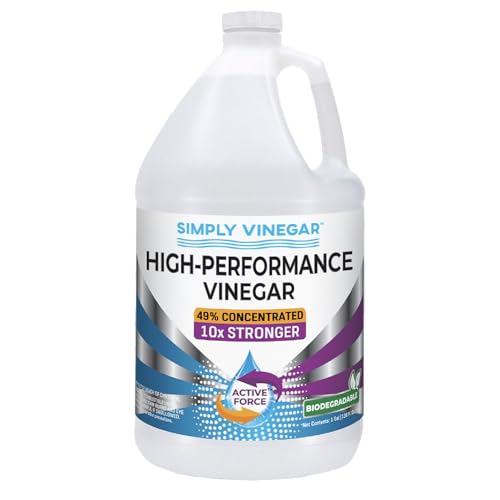
MAXIMUM STRENGTH CLEANING POWER: Unleash the power of Simply Vinegar 49%—an industrial-grade vinegar concentrate engineered for demanding cleaning jobs. Ideal for home, garden, and outdoor use, it cuts through grime, grease, and buildup with professional-grade results.
How Vinegar Concentration Affects Weed‑Kill Speed and Completeness
Higher vinegar concentrations speed up both the onset and thoroughness of weed control, with 20 % acetic acid delivering visible wilting within hours and up to 100 % top‑growth kill across all growth stages, while 5 % and 10 % solutions require longer exposure and achieve lower kill rates, especially on more mature foliage.
At 5 % you’ll see 85‑100 % mortality on seedlings within two weeks, but older foliage often survives.
Ten percent improves kill on 1‑2 leaf stage weeds and broadleaf species, yet it still fails beyond three leaves.
Twenty percent delivers 85‑100 % kill at any stage, with thistle top‑growth dead in two hours and 90 %+ mortality within a day.
Contact action limits roots, so perennials like thistle may regrow; annuals usually die outright.
Repeated sprays raise residual soil acidity, which can affect seed germination and microbial balance.
Baking soda can be used as an alternative low‑cost weed control method, soil pH regulation] and providing a non‑chemical option for managing weeds.

INDUSTRIAL STRENGTH 30% HORTICULTURAL VINEGAR – Formulated with 30% acidity, our highly concentrated horticultural vinegar is 6X stronger than standard household vinegar, making it an excellent choice for demanding home, garden and outdoor applications.


NON-SELECTIVE CONTACT HERBICIDE - Contains 20% acetic acid, equivalent to 200 grain horticultural vinegar. Quick-acting foliar contact results in rapid desiccation and control of annual weeds and grasses, and top growth reduction of herbaceous perennial weeds and grasses. EPA Reg. No. 85208-1-90366.
DIY Mixes: Add Epsom Salt and Dish Soap for Better Adhesion
You’ve seen how 20 % acetic acid kills weeds quickly; now boost that power by adding Epsom salt and dish soap. Mix 1 gallon white vinegar with 2 cups garden‑grade Epsom salt and ¼ cup Dawn; pour vinegar first, add salt, then soap, and swirl gently to limit foam. Shake vigorously for 90 seconds, let settle two minutes, then spray. The surfactant cuts leaf wax, improving adhesion and ensuring the acidic‑salt solution stays on foliage. Expect the persistence of spray mix to last through a dry afternoon; however, observe precautions when mixing—avoid excessive shaking that creates foam, and never use iodized salt to prevent long‑term soil impact. Apply on a sunny, wind‑free day for ideal uptake. Use only pantry‑available ingredients for a safe, natural solution. The acetic acid concentration determines how quickly the weeds are desiccated. Magnesium sulfate can disrupt plant nutrient balance, reducing its effectiveness as a herbicide. Adding a small amount of organic mulch after treatment can help protect the grass while suppressing future weed growth.

🫧【Cute & Functional】Are you searching for a soap bar holder that balances style and practicality? The Aenfaiy ceramic soap dish is a perfect addition to your shower! With its sleek elegance, unique textures, excellent craftsmanship, and refined glazed finish, seamlessly complements any decor. The smooth oval shape decorative soap dish tray with clean finish will matches the aesthetic of your space.

Designed in Vancouver - We take pride in designing the perfect home decor pieces which are seen and used everyday.

Clean & Elegant Design: This white soap dish boasts a sleek, minimalist aesthetic with a ridged draining surface, making it a stylish and functional addition to your bathroom or kitchen. Its timeless elegance perfectly complements any decor, elevating your daily routine
Step‑by‑Step Application: Timing, Weather, and Safety Tips
When the sun is high and the air is still, apply the vinegar‑Epsom‑soap mix directly to weed foliage, using a spray bottle or pump sprayer for precise coverage while wearing gloves, eye protection, and a mask to guard against the caustic fumes. Choose the warmest part of a sunny, wind‑free day; heat accelerates acetic‑acid penetration and dry conditions enhance desiccation. Target only leaves and stems, avoiding overspray that could trigger spray drift concerns onto nearby crops. For perennial weed treatment, repeat applications every 24–48 hours until the plant is fully desiccated, reapplying if rain occurs. Use a brush for isolated spots, a pump sprayer for large patches, and keep soil contact minimal. Observe safety protocols at all times. The quick action of vinegar causes weeds to wilt and die often within a single day. Additionally, hydrogen peroxide can be mixed with the vinegar solution to increase oxidative stress on the weeds, enhancing the overall kill rate. For best results, apply the solution when the temperature is above 15 °C to ensure optimal acidity activity. Incorporating a small amount of corn gluten meal can help suppress future weed germination while enriching soil health.
Visible Drying, Timeline, and Regrowth After Spraying
After you spray the vinegar‑Epsom‑soap blend, the foliage dries out quickly, turning brown within 24 hours for most weeds, while stems and crowns often stay green beneath the surface. The visual effects you see—brown, wilted leaves—reflect cell‑wall breakdown; crowns and stems may retain chlorophyll, so the weed death rate depends on concentration and growth stage. Young seedlings show full death within two weeks, with browning evident by day 1. Mature plants dry slower; a 20 % solution yields 85‑100 % kill but leaves green stems for several days, requiring repeat applications. Small weeds rarely regrow after eight weeks, but large perennials can regenerate from untouched roots, so manual removal of dead tops may be necessary to prevent resurgence. Boiling water can also be used as a chemical‑free weed control method, offering a rapid, non‑toxic alternative for targeting stubborn growth. Moss‑specific herbicides are often more effective for dense moss colonies, as they penetrate the plant’s rhizomes and prevent regrowth. The high temperature of a controlled burn can damage plant tissues by denaturing proteins and disrupting cellular membranes.
Switching to Stronger Vinegar Formulas for Tough Weeds
A 20‑30 % acetic‑acid solution is the sweet spot for tackling tough weeds that have outgrown the 5 % household vinegar. When you switch to 30 % or 45 % industrial vinegar, you increase contact desiccation, browning leaf tips within hours and desiccating young tissue. Mix one gallon of 30‑45 % vinegar with a cup of salt and two tablespoons of dish soap to improve adhesion on waxy leaves. Apply on sunny, wind‑still days using a sprayer; reapply after rain for sustained control. This regimen boosts long term effectiveness against broadleaf invasives such as stinknet and ground ivy, while serving as preventative maintenance for newly emerged seedlings. Use proper PPE; higher concentrations demand careful handling but remain less hazardous than synthetic herbicides. Industrial vinegar is highly toxic and can cause chemical burns to eyes and skin. Low‑toxicity options are preferred for residential lawns to minimize environmental impact.

Concentrated industrial strength

Concentrated vinegar used in place of environmentally harmful chemicals.

✅ 6x stronger than store bought vinegar, industrial-strength solution for indoor or outdoor usage. Use to replace many harmful & toxic chemicals.
Vinegar‑Based Soil Impact: Salt, Soap, and Non‑Target Damage
The higher‑strength vinegar mix you just applied not only desiccates weeds but also sees soil pH, leaching microbes and disrupting nutrient cycles. Its acetic acid drops pH, killing earthworms, fungi and beneficial bacteria, which initiates soil microbiome disruption. When you add salt or soap, the salts dissolve and migrate, forming saline aggregates that impede water flow and toxic microbial communities. Those salts spread beyond the target zone, damaging ornamental and vegetable roots, while soap surfactants increase acetic acid penetration, amplifying non‑target injury. Although individual impacts may be brief, repeated applications accelerate long term soil degradation by eroding organic matter, flattening structure and reducing biodiversity. Monitor pH, limit salt concentration, and avoid runoff to protect surrounding flora. Adding a salt‑induced osmotic stress further dehydrates plant cells, compounding the herbicidal effect. Proper timing of application can reduce damage to beneficial insects. Follow local hazardous‑waste guidelines when disposing of any leftover vinegar solution. Effective lawn care can be achieved by alternating treatments to protect soil health.
How to Mitigate Soil Damage and Fix Missed Spots?
If you notice soil pH spikes, microbial loss, or uneven weed control after a vinegar spray, act quickly: neutralize acidity, replenish beneficial microbes, and target missed weeds before they recover. First, apply a lime solution (1 tsp per gallon) to buffer pH, then spread a compost tea or bio‑char mix to restore microbial activity. Follow soil recovery strategies by watering lightly, encouraging aerobic breakdown of residual acetic acid. For ecosystem rebalancing, monitor earthworm counts and introduce mycorrhizal inoculant if needed. To fix missed spots, spot‑spray surviving weeds within 7–14 days using a 20 % acetic acid blend with a surfactant; hand-apply the solution to guarantee uniform leaf coverage. Repeat the cycle on sunny, wind‑calm days, and re‑evaluate soil health after each application. Regular distilled vinegar is the primary active ingredient that dehydrates weeds.