
Mix 1 gal of 30‑45% horticultural vinegar with 1 cup table salt and 1 Tbsp Dawn dish soap, shake 20 min, then spray on sunny, wind‑free days. Use a fine‑mist sprayer, aim for foliage, and avoid desirable plants. For tougher weeds, replace a cup of vinegar with horticultural orange‑oil concentrate and keep the solution in an opaque, sealed container. Apply when temperatures hit 90°F for rapid burn, and repeat if regrowth appears. The next sections show bulk preparation, safety tips, and cost comparisons.
Here’s the 5‑Minute Vinegar Weed Killer Recipe
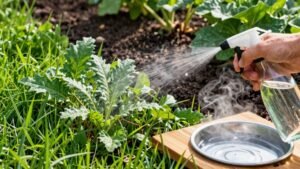
If you need a fast, low‑cost weed solution, mix 1 gallon of 30‑45 % vinegar with 1 cup of table salt, let the salt dissolve fully, then add a tablespoon of Dawn dish soap as a surfactant. This yields a vinegar spray concentration that penetrates leaf cuticles quickly. After shaking for 20 minutes, load the mixture into a sprayer, aiming directly at foliage while avoiding soil. Apply around 11 am on sunny days; the heat accelerates desiccation, causing weeds to brown within 1–2 hours. For an alternative, dissolve 2 cups Epsom salt in hot water, add to the vinegar base, and follow the same surfactant step—Epsom salt effectiveness enhances ion imbalance in plant cells. Wear eye protection and repeat as needed. Young, annual weeds respond most quickly to the treatment. The typical time frame for visible wilting is 30 minutes to several hours after application. The high acetic acid concentration in white vinegar disrupts cell membrane integrity in plant tissues, leading to rapid dehydration. This method leverages the acidic pH of vinegar to break down plant tissue structures.
Which Vinegar Works Best for Killing Weeds?
When choosing a vinegar for weed control, prioritize acetic‑acid concentration: 4‑6 % household vinegar only nips tender seedlings, 20 % horticultural vinegar handles most broadleaf weeds, while 30‑45 % herbicidal vinegar delivers the fastest, most complete kill on both annuals and perennials. You’ll notice that acetic acid concentration directly shapes weed type response—broadleaf species die quickly at 20 % because their flat leaves retain spray, while grasses often survive until you reach 30 % or higher. Perennial weeds with deep roots may need several 30‑45 % applications to prevent regrowth. For young annuals, 5‑20 % works, but mature or tenacious weeds demand the stronger formulations. Always apply on a hot, sunny day, wearing protection when using 30 % + concentrations. Highly toxic vinegar can cause chemical burns, so use eye protection and gloves. The herbicidal ac concentration works by desiccating plant tissue, leading to rapid cell collapse. Proper application timing enhances effectiveness and reduces impact on nearby plants. Using a soil‑wetting technique can improve uptake and increase kill speed.
Boost Power With Strong Vinegar & Orange Oil
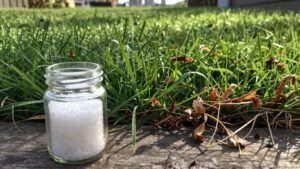
Choosing a 20 % or higher vinegar and adding citrus oil dramatically raises herbicidal power. You’ll start with a 20 % acetic acid solution, then replace one cup of it with one cup of horticultural orange oil concentrate; mix thoroughly in a glass or corrosion‑resistant sprayer. Orange oil dissolves the waxy leaf coating, letting the acid penetrate and dehydrate cells. Apply on a hot, calm day using fine‑mist nozzles to cover all foliage; wear goggles, gloves, long sleeves, and shoes because concentrations above 10 % burn skin. Store the blend in a sealed, opaque container away from heat—adhere to strict storage requirements to prevent degradation. Expect kill within 2–3 days; schedule a reapplication for perennials or missed spots, following a regular reapplication schedule for ideal control. Always check local hazardous‑waste rules before discarding any leftover mixture. Rock salt can be used as a non‑selective herbicide for spot‑treating weeds, but it may also damage surrounding grass and soil structure. Salt works by osmotic dehydration of plant cells, which is why it must be applied carefully to avoid collateral damage.
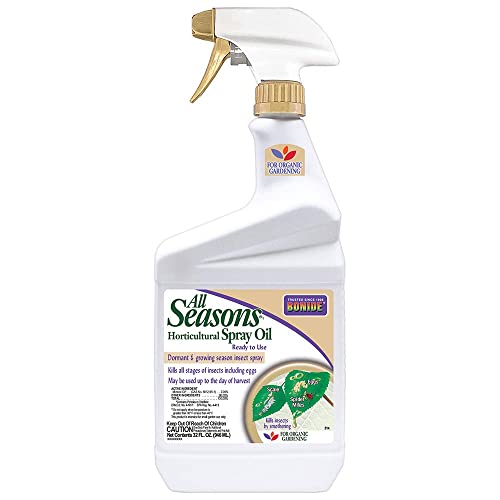
Control insects and diseases in your home garden with All Seasons Horticultural and Dormant Spray Oil Concentrate; use year-round to control listed insects and diseases

USE YEAR ROUND - Our 3-in-1 product provides year-round protection against insects, mites, and diseases. Can be used at the dormant stage, green tip stage, delayed dormant stage, and during the growing season to prevent pest infestations and disease.

Kills insects, diseases and mites year round
Pick the Best Soap to Make the Spray Stick to Leaves
One tablespoon of original Dawn dish soap per gallon of vinegar‑salt mixture gives the spray the adhesion needed to cling to waxy weed leaves. Dawn’s surfactant lowers leaf surface tension, breaks down waxy cuticles, and lets the acid penetrate. This dish soap adhesion properties are unmatched; knock‑off brands often require 2‑4 tablespoons per gallon and still lag in performance. If Dawn isn’t available, you can use any liquid detergent, but increase the dose to 5 tablespoons in 4 cups water or 2 drops in vodka‑water blends. Dissolve soap with salt in a small vinegar portion before scaling up, then shake the final mix periodically while spraying. Stick to these ratios for consistent coverage and maximal weed stress. The solution works best when applied on a sunny day. For optimal safety, always wear protective gloves and eye gear when handling concentrated vinegar mixtures. Soap‑based herbicides are most effective when the target weeds are actively growing. Proper timing reduces the risk of non‑target damage to nearby desirable plants.
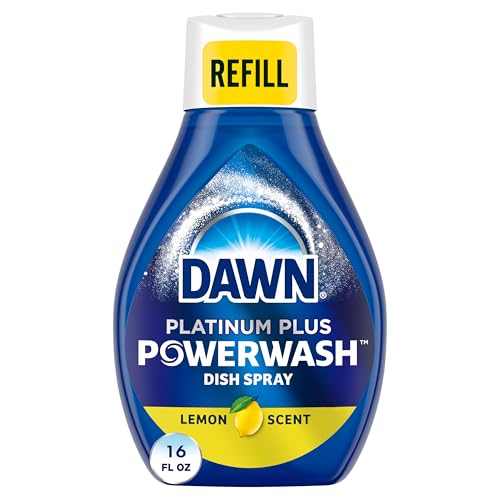
Removes up to 99% of grease and grime in half the time* (*vs. leading competitive brand’s ultra-strength formula on a representative meal for two)

Removes 99% of grease and grime in half the time (vs. Dawn Non-Concentrated; based on a P&G study, March 2024)

Removes up to 99% of grease and grime in half the time* (*vs. leading competitive brand’s ultra-strength formula on a representative meal for two)
How to Apply on Sunny, Dry Days for Fast Results
The Dawn‑based soap you just mixed gives the spray a strong grip, so now focus on timing: apply it on a clear, hot day with no wind and no rain forecast for the next 24 hours. First, check lawn temperature management; aim for ambient temperatures in the 90 °F range, which accelerates acid‑induced leaf burn. Verify conducive weather conditions: zero wind, zero precipitation, and dry foliage. Load a pump sprayer, set the nozzle for a heavy, even coat, and target each weed leaf directly, saturating the surface without misting. Avoid overspray onto desirable plants by walking the perimeter slowly. After application, keep the area dry for at least 24 hours; the combination of heat, sun, and dry air guarantees rapid browning, curling, and full kill within a day. Adding a light dusting of baking soda after spraying can further enhance leaf desiccation. Epsom salt can be added at the end of mixing without affecting efficacy. Applying herbicide to damp foliage can dilute effectiveness and increase runoff risk. For optimal safety, observe a minimum re‑entry interval before walking on the treated lawn.

Chapin Garden Sprayer: Complete lawn care and basic cleaning tasks faster with the 1‑gallon translucent funnel‑top tank that allows quick, easy, spill‑free refills and fluid checks

PetraTools Garden Sprayer - Perfect for DIYers Seeking Professional Results: Our durable yet lightweight water sprayer, with a 52” hose and 16” wand, ensures comfortable extended use and excellent coverage, making it ideal for versatile liquids such as fertilizers, mulch glue, and pesticides.

Versatile Sprayer for Every Need - This simple and easy to use pump sprayer is perfect for DIYers and Homeowners looking for professional results. Great for lawn and garden solutions, weed killer sprayer, mulch dye, fertilizers, grass paint, water sprayer and more!
Target Tough Weeds With Your Vinegar Weed Killer
If you need to eradicate stubborn dandelions, crabgrass, or other tenacious weeds, blend a high‑strength vinegar (30‑45 % acetic acid) with salt and a surfactant, then apply it promptly under hot, dry conditions. Choose vinegar concentration factors that meet the 30 % minimum; 45 % horticultural vinegar maximizes potency while keeping cost low. Dissolve one cup of table salt per gallon of vinegar, or substitute Epsom salt for a milder osmotic effect. Add 1–2 tablespoons of dish soap per gallon to break leaf wax and guarantee adhesion. Mix thoroughly, wear goggles and rubber gloves, and spray on windless afternoons. For tougher species, repeat after 48 hours. Adjust homemade formula variations by swapping salt types or tweaking acid percentages to match weed resilience. Use a pump sprayer for even coverage. Low‑toxicity alternatives can further reduce environmental impact while maintaining effectiveness. Table salt works by osmotic dehydration of plant cells, effectively desiccating weeds. Acetic acid damages plant tissue by disrupting cellular membranes and causing rapid desiccation.
How to Mix in Bulk for Big Law
Stubborn dandelions and crabgrass demand more than a single‑gallon batch, so you’ll need to scale the vinegar‑salt‑soap mix to a commercial‑size volume. Begin by filling a 10‑gallon bucket with water, add 2 gallons white vinegar, then dissolve 10 lb water‑softener salt; shake or let sit 20 minutes to prevent sprayer clogs. Use a drill‑mounted mixing paddle to agitate, then stir in 20 oz dish soap last for uniform surfactant distribution. Transfer the brine to a 20‑gallon backpack or tow‑behind sprayer, agitating every few minutes. Apply using low‑pressure, overlapping strokes, keeping runoff off desirable plants. Observe environmental considerations: avoid excess drift, limit soil saturation, and spray on sunny days to maximize dehydration while protecting nearby flora. The mixture was allowed to sit for 2‑3 hours before adding the remaining ingredients. Adding a small amount of citric acid can help lower the pH, enhancing weed control efficacy. Using boiling water as a supplemental treatment can quickly scorch stubborn seedlings without chemicals.
Protect Your Desired Plants: Spot‑Treat and Buffer Zones
When you need to protect ornamental beds while eliminating invasive weeds, combine precise spot‑treatment with well‑defined buffer zones; start with buffer zone creation by clearing 2‑5 ft strips around beds, using herbicide‑treated mulch or contractor‑grade plastic barriers to keep cover crops at bay. Apply spot treatment techniques only to identified young annuals: spray acetic acid, clove oil, or pelargonic acid on calm days, directing spray away from desired plants. Hand‑weed or lightly scrape within the buffer to remove seedlings without root disturbance. Maintain thick planting and 3‑4 in mulch to suppress light‑germination. Regularly inspect edges for gaps, replenish mulch, and keep barriers intact to preserve the protective zone while targeting weeds directly.
Troubleshoot Missed Spots, Rain, and Regrowth
After establishing buffer zones and spot‑treating weeds, you’ll inevitably encounter missed patches, rain‑induced dilution, and new shoots. For missed spots, spray directly onto the weed with a targeted nozzle, cut the foliage low first, and use landscaping cloth barriers to isolate the area. Apply the solution during the hottest part of the day to boost absorption, and limit volume to reduce leaching. When rain washes the mixture, wait for dry conditions, then perform an effective post rain reapplication—re‑spray the same concentration once the surface is dry. To curb regrowth, mow regularly, mulch heavily, and reapply the vinegar‑salt‑soap blend every few weeks. Incorporate sustainable regrowth prevention techniques such as corn gluten meal pre‑emergent and solarizing soil during hot periods. Dogs can safely roam the garden after the solution dries, preventing accidental ingestion.
DIY Vinegar Weed Killer vs. Commercial Herbicides: Cost & Safety
If you compare DIY vinegar weed killer to commercial herbicides, the cost and safety trade‑offs become clear. For a small lawn, a gallon‑plus concentrate of 20 % acetic acid plus castile soap costs about $13, yielding budget savings versus $10–$13 for a commercial spray bottle of similar volume. However, on a per‑square‑foot basis, vinegar can be three times more expensive than glyphosate, and roadside applications jump from $20 to $360–$2,400 per mile. Safety-wise, concentrated vinegar burns skin and eyes and is non‑selective, risking nearby plants. Yet it biodegrades, offering environmental benefits: no persistent residues, no glyphosate, and reduced pollinator harm when applied away from blooms. Use castile soap, not synthetic dish soap, to maintain eco‑friendliness. Green Gobbler Vinegar caused severe damage within two hours, making it the fastest‑acting option.

INDUSTRIAL STRENGTH 30% HORTICULTURAL VINEGAR – Formulated with 30% acidity, our highly concentrated horticultural vinegar is 6X stronger than standard household vinegar, making it an excellent choice for demanding home, garden and outdoor applications.


Concentrated vinegar used in place of environmentally harmful chemicals.