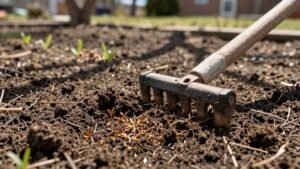

Plant cool‑season grass in Tennessee from late August through mid‑October when soil sits 50‑65 °F and air is 60‑75 °F; this gives seedlings two cool growth cycles before winter. For warm‑season varieties, aim for mid‑May to early June, with soil 60‑65 °F and daytime highs near 80 °F. Aerate, test pH (6.0‑6.5), apply starter fertilizer, and sow at 6‑8 lb per 1,000 sq ft for fescue or the label rate for ryegrass and bluegrass. Keep the top inch moist and avoid over‑watering, and you’ll see faster germination and stronger roots. The next sections explain how to fine‑tune fertilizer choices, watering schedules, and overseeding timing.
Cool‑Season Grass: Plant Late August – Mid‑October in Tennessee
The ideal window for planting cool‑season grass in Tennessee runs from late August through mid‑October, when soil temperatures sit between 50 °F and 65 °F and daytime air ranges from 60 °F to 75 °F. You should target Kentucky bluegrass, fine or tall fescue, and annual or perennial ryegrass, each thriving within this thermal band. Prepare the seedbed by aerating, raking, and testing for a proper soil pH range of 6.0–6.5; amend if necessary. Apply starter fertilizer, then sow at 6–8 lb per 1,000 sq ft for fescue or the label‑specific rate for ryegrass and bluegrass. Water intermittently to keep the top inch moist, and schedule ideal overseeding intervals every 3–4 weeks during the period to guarantee uniform coverage and minimal weed competition. This timing gives two cool growth cycles before summer heat, maximizing establishment and future vigor. Cool‑season grasses benefit from a soil temperature range of 50 °F–65 °F for optimal germination.
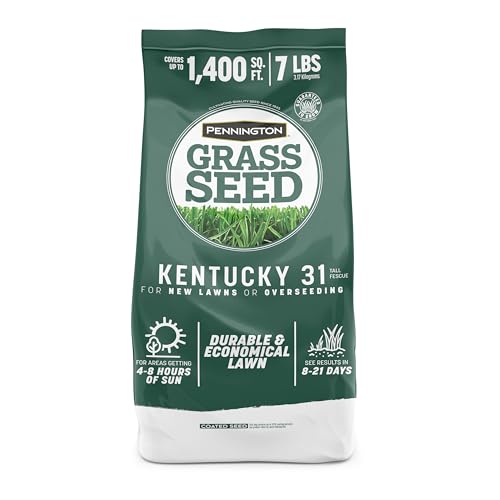
A grass seed for lawns that grows thick blades of grass that stand up to hot summers and heavy rains

ORIGIN - Made in United States for reliable quality and consistent results in your lawn or garden. Trusted by homeowners for fall grass seed planting and overseeding needs.

QUICKLY GROWS TURF - This rapidly establishing grass seed mixture grows quick-turf for problem areas. It's designed to fill in troubled areas in lawns or grow an entirely new lawn quickly. It germinates in 7 -10 days.
Warm‑Season Grass: Plant Mid‑May – Early June for Best Results
Kick off your warm‑season lawn in Tennessee by sowing between mid‑May and early June, when daytime highs hover around 80 °F and soil temperatures climb to 60‑65 °F—conditions that trigger rapid germination for Bermudagrass, Zoysiagrass, and centipedegrass. In this window, soil temperature fluctuations stabilize above 60 °F, allowing consistent germination and root development. Aim for a forecasted degree‑day accumulation exceeding 25 over five days to avoid early establishment challenges such as slow shoot emergence or frost damage. Prepare the seedbed with light aeration and a starter fertilizer, then seed at the recommended rates for each species. Keep the soil moist but not saturated, and monitor for weeds, which can outcompete seedlings before the canopy closes. This timing maximizes establishment speed and long‑term vigor. Consider performing a soil test to verify pH and nutrient levels before planting. Understanding the climate zone helps align planting dates with regional temperature patterns for optimal results. The early spring period in Massachusetts offers a comparable window for cool‑season grasses, emphasizing the importance of timing across regions.

LAWN BARE SPOT REPAIR: Scotts PatchMaster Lawn Repair Mix Sun + Shade Mix is a combination mulch, seed, and lawn fertilizer product specifically designed to provide all-in-one bare spot repair and grass patch repair for lawns
WHERE TO USE: This grass seed mix contains Kentucky bluegrass seed, perennial ryegrass seed, and creeping red fescue; it is designed for full sun and light shade, and has low drought resistance with medium durability

DROUGHT TOLERANT GRASS SEED - Black Beauty Original grass seed produces grass roots that can grow up to 4-feet deep for superior drought tolerance. The waxy coating on the leaves helps preserve moisture when hot.
Why Fall Planting Beats Spring for Kentucky Bluegrass & Fescues
Mid‑May to early June works for warm‑season grasses, but for cool‑season varieties like Kentucky bluegrass and fescues, the sweet spot shifts to late August through mid‑October. In Tennessee, soil stays 60‑75 °F during that window, matching the germination range for both species. Cooler nights curb heat stress, letting seedlings mature without the scorching summer that kills slow‑germinating bluegrass. Fall also drops weed pressure; crabgrass and other spring‑season weeds have already waned, so your seeds face less competition for water, light, and nutrients. Natural autumn rains keep soil moisture steady, reducing supplemental irrigation. With two cool growing cycles before winter, roots establish robustly, delivering mature seedlings and a healthy establishment that survives the next summer. Mowing 3 times per week promotes deeper root development, further preparing the lawn for summer conditions. The cooler temperatures also extend the window for seed germination, giving seedlings a head start before winter dormancy. Maintaining a soil pH near optimal range enhances nutrient uptake and promotes vigorous early growth. Proper timing aligns with the soil temperature threshold required for reliable germination.

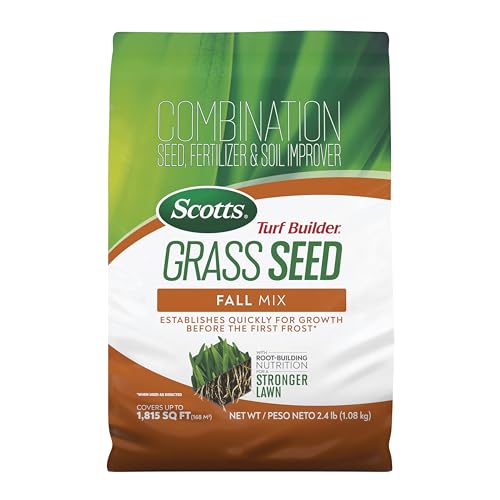
Pennington Smart Seed contains just the right amount of fertilizer to help your lawn succeed

Kentucky 31 Tall Fescue is the original turf for your home
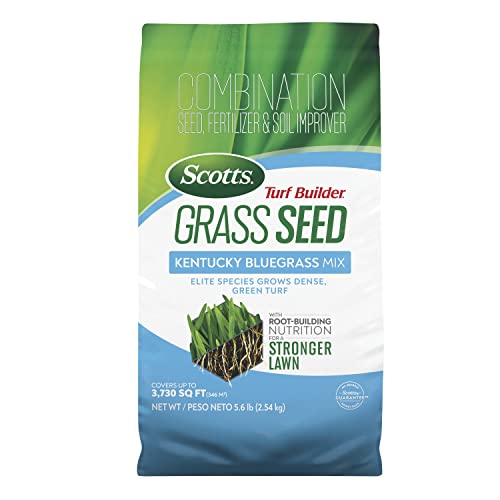
STRONGER LAWN FROM THE ROOTS UP: Kentucky Bluegrass seed with our Root-Building Nutrition, a combination of expertly crafted ingredients, helps establish deep roots to grow a thick, green lawn
Temperature Ranges That Trigger Fast Germination in Tennessee
Wondering which temperatures will make your Tennessee grass seed sprout fastest? If you aim for rapid germination, keep soil between 50°F‑65°F for cool‑season varieties—Kentucky bluegrass, perennial ryegrass, and fine fescue—and push it to 60°F‑70°F for tall fescue. Warm‑season grasses like Bermuda and Zoysia need 65°F‑70°F, with daytime air of 60°F‑75°F reliably warming the top 2‑4 inches to that range. Soil hitting 50°F triggers germination; below that, seeds stall or rot. Maintain ideal soil moisture levels—consistently damp but not soggy—to support enzyme activity. Remember that optimal shade tolerance varies: cool‑season grasses tolerate light shade, while warm‑season types prefer full sun. Monitoring morning soil temperature with a thermometer guarantees you stay within these precise windows for fastest emergence. Ideal temperature range is crucial for maximizing germination speed and uniform seedling development.
Soil Preparation & Aeration When You Plant Grass in Tennessee
When soil temperature hits the 50‑65°F window, you’ll get the quickest germination, but those ideal conditions won’t help if the ground is compacted. First, mow your lawn to 2.5‑3.5 inches to expose the soil surface. A professional core‑aerator then extracts 0.5‑inch plugs, creating thousands of holes that deliver soil porosity enhancement and compaction reduction. In Middle Tennessee and Kingsport, where heavy clay dominates, a single pass usually suffices, but severely compacted areas may need a second pass. After aeration, overseed immediately; the open plugs let seed contact soil directly, improving germination rates. This integrated approach boosts water infiltration, oxygen flow, and root development, setting the stage for a resilient, dense lawn. Aeration greatly enhances the soil’s ability to retain moisture and nutrients. Performing aeration in the late spring maximizes root expansion before summer heat.
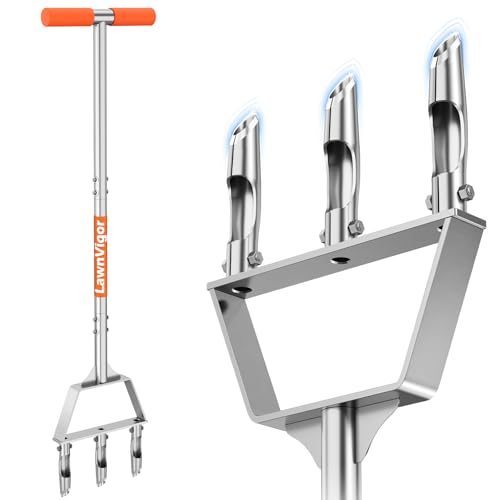
LAWN AERATOR FOR HEALTHIER LAWN GROWTH: Our manual lawn aerators promotes lush, green lawns by delivering essential air, water and nutrients deep into the soils. The lawn air aerator tool ensures healthier grass growth. (Note: Please water dry soil before use and do not rock, twist, or pry the tool side-to-side when it's in the ground.)

【Efficient & Labor-Saving】No more bulky spike shoes or expensive rolling aerators. This manual lawn aerators with 16 sharp spikes in a 4×4 layout saves time, loosens compacted soil easily, and makes the aerator lawn tool effortless to use even for the elderly.

2-IN-1 DESIGN - 13A 14-Inch Dethatcher / Scarifer provides the power and versatility to keep your lawn healthy.No load speed : 3200 RPM
How to Pick the Right Starter Fertilizer for Tennessee Grass Types
If you’re planting a Tennessee lawn, start by matching the starter fertilizer’s N‑P‑K ratio to your grass type’s nutrient needs and the local soil conditions. For Kentucky bluegrass, choose a 4‑1‑2 or 16‑4‑8 blend and apply 0.5–0.75 lb N per 1,000 sq ft; tall fescue works well with 5‑1‑1 or 10‑0‑2 at 0.5–1 lb N. Bermudagrass prefers 4‑1‑2 or 3‑1‑2, while centipedegrass needs a low‑N 15‑0‑15 at 0.25–0.5 lb N. Use starter fertilizer application rates of 0.5–1 lb N for most warm‑season grasses once soil reaches 65 °F, and 0.5 lb N for fine fescue at 50–55 °F. Opt for blends with higher P2O5 than N to boost root development, and consider slow‑release granular products like Tenn‑Lawn 21‑8‑12 for sustained feeding in hot Middle Tennessee summers. Proper soil testing ensures the pH is optimal for nutrient uptake soil pH.
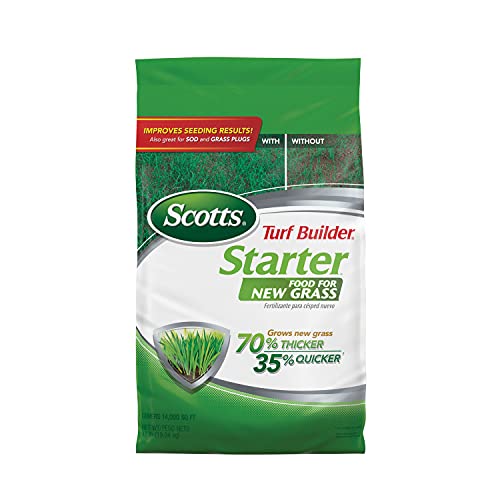
Grows new grass 70% thicker, 35% quicker versus unfed grass

Produces remarkable results

Speeds Root Growth - This grass fertilizer for lawn is a phosphorus fertilizer that helps roots establish quickly and grow deep and strong
Watering Schedule to Keep Seeds Moist Without Over‑Saturating
Kick off your Tennessee lawn by watering the newly sown seed 2‑4 times a day for 5‑10 minutes each, keeping the top 1.5 inches of soil consistently damp but not soggy. Aim for 3‑4 inches of water weekly, delivered as ⅛‑¼ inch daily short sessions, and adjust on hot, windy days to keep ideal soil moisture levels without causing runoff. After the first two weeks, cut back to a single morning watering, adding a second session only when temperatures soar, and extend each run to 30 minutes to encourage shallow root growth. By weeks 5‑6, shift to a deeper soak of 40 minutes every other day, then settle into 1‑1.5 inches weekly in 1‑2 sessions. Early‑morning or late‑afternoon watering minimizes evaporation, while avoiding nighttime irrigation prevents fungal issues, all essential for preventing overwatering in Tennessee’s climate. Avoid overwatering by monitoring for soggy soil and adjusting duration accordingly. Consistently moist soil promotes faster germination, especially when light frequent watering is maintained during the critical first two weeks. Proper soil pH ensures optimal nutrient uptake for the germinating seeds.
Overseeding Timing & the 45‑Day Frost‑Back‑Up Rule
Plan to seed at least 45 days before the first expected frost, and you’ll give tall fescue and other cool‑season grasses enough time to develop a robust root system before winter. In East Tennessee, aim for late August; Middle Tennessee targets September 15–October 31; West Tennessee can stretch to late October because of milder winters. Check the National Weather Service for your local frost date and count back 45 days. Choose a certified cool‑season blend—tall fescue, Kentucky bluegrass, or perennial ryegrass—and guarantee seed selection matches your soil pH and sunlight exposure. Maintain proper mowing height (2½–3 in.) after germination to reduce stress and encourage deep roots. By adhering to the 45‑Day Frost‑Back‑Up Rule, you’ll secure a healthy lawn that survives winter and thrives come spring. Light freeze is preferable to a hard freeze for establishing cool‑season grasses. Ensure the soil is loose and well‑drained to promote root penetration during the early growth stage. Proper timing also helps avoid drought stress that can occur if seeding is done too early in the season. Soil testing helps confirm nutrient levels and pH before sowing.
Common Mistakes to Avoid When Planting Grass Seed in Tennessee
A common mistake many Tennessee gardeners make is skipping proper soil preparation, which often leads to incorrect pH (outside the 5.5‑7 range), compaction, and lingering debris that prevent seed‑soil contact. Incomplete soil testing leaves you blind to nutrient gaps, while compacted earth blocks root penetration and encourages seed loss to wind or birds. Over‑tilling or burying seed deeper than a quarter‑inch causes rot and weak emergence; instead, lightly rake to a shallow cover. Choosing non‑regional blends ignores the state’s hot summers and occasional frost, reducing vigor. Improper lawn mowing—cutting too low or too early—stresses seedlings and promotes disease. Finally, inconsistent watering—either drying out or washing away seeds—prevents uniform germination, leaving thin, patchy lawns. Soil temperature above 10 °C is essential for optimal germination. Adding a thin layer of organic mulch can help retain moisture and protect seedlings from temperature fluctuations. Understanding the region’s rainfall patterns ensures you schedule irrigation to complement natural precipitation.