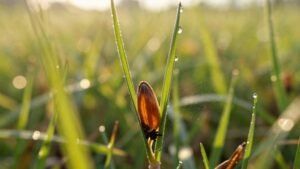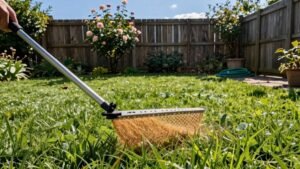

You should seed cool‑season grass in early spring when soil hits 55‑65 °F (mid‑April), or better yet in early fall (early October) when warm soil and cool air boost root growth and reduce weeds. For warm‑season lawns in the South, wait until soil consistently reaches 65‑70 °F (mid‑April to mid‑May). If you miss those windows, late‑summer overseeding after aeration or dormant seeding in late November can work, provided you guarantee good seed‑to‑soil contact and proper moisture. The next sections will guide you through soil prep, watering, and post‑germination care.
Best Time to Seed a Lawn: Quick Reference Guide
Usually, you’ll seed a lawn in early spring, late summer, mid‑autumn, or during a dormant period, each window aligning with specific temperature and moisture conditions that maximize germination and reduce competition. In early spring, target mid‑April when soil temperature reaches 55–65 °F and moisture is ample; use broadcast seeding methods for cool‑season grasses like perennial ryegrass, and apply pre‑emergent herbicides after winter weed pressure subsides. Late summer seeding exploits cooling nights and evening dew; aerate first, then overseed with drill or broadcast methods to place seed in plugged holes, taking advantage of declining crabgrass populations. Mid‑autumn offers a narrow window—seed by early October, focusing on rapid root development before frost. Dormant seeding in late November works when soils are unfrozen but air is cold, allowing seed to settle without germinating prematurely. Climate considerations dictate which window suits your region’s temperature and moisture patterns. Spring flush naturally thickens the lawn, reducing the need for seeding. Understanding soil temperature thresholds helps you time planting for optimal germination. Incorporating soil moisture monitoring can further ensure seed viability during critical growth periods. Proper seed‑to‑soil contact is essential for uniform emergence and strong root establishment.

SUN AND SHADE GRASS SEED: This combination lawn seed, grass fertilizer, and soil improver thrives in a variety of conditions

HEAT TOLERANT GRASS SEED - Our cool-season grass seed mix contains tall fescue and Texas bluegrass. This turfgrass mix performs best in full sun to lightly shaded growing conditions and has the ability to tolerate heat up to 100°F.

APPLICATION: Apply this sun and shade grass seed in the spring or fall to grow a new lawn or overseed an existing lawn to thicken grass and help crowd out weeds
Why Fall Is the Prime Season to Seed a Lawn
Fall is the ideal time to seed a lawn because the combination of warm soil and cool air creates the most favorable germination environment for cool‑season grasses. You’ll find that daytime temperatures of 60‑75 °F keep seeds from stress‑drying while the warm earth retained from summer accelerates root initiation. This seed establishment timing aligns with natural rainfall and morning dew, delivering consistent moisture that eliminates extra watering and supports soil fertility optimization. Weed pressure drops as many species die back, and pest activity wanes, so seedlings face minimal competition. Deep, early root development before winter builds cold hardiness, giving you a robust lawn that springs up faster, greener, and more resilient than spring‑seeded alternatives. Proper soil aeration before sowing improves seed‑to‑soil contact and drainage, which is crucial for germination in colder months. Adding a light mulch of straw can protect seedlings from frost and retain moisture, especially when temperatures dip below freezing. For best results, choose a grass seed blend that includes cold‑tolerant varieties to ensure vigorous growth despite winter chill. The cooler temperatures also enhance seed germination by extending the period of optimal soil warmth. Selecting a variety with strong disease resistance helps maintain lawn health throughout the winter season.
Choosing Early Fall, Late Fall, or Dormant Seeding
Because the soil’s warmth and the air’s coolness already favor germination, you now need to decide whether to seed in early fall, late fall, or opt for dormant seeding. Early fall offers the ideal planting environment for cool‑season grasses; soil temperatures of 55‑75 °F and a 6‑8‑week window before the first hard frost promote rapid root development and repair summer damage. If you miss that window, late fall seeding still works, but you must amend the soil, remove weeds, and accept a higher frost risk for seedlings emerging in November. Dormant seeding delays germination until spring, using the same preparation steps while avoiding winter exposure of weak seedlings. Choose the method that aligns with your lawn conversion timing and regional climate. Proper seed‑to‑soil contact is essential for germination, and seed depth should be no more than ¼ inch to ensure moisture retention. For optimal results, follow the recommended seed‑to‑soil depth guidelines for each grass type. A well‑balanced soil pH improves nutrient uptake and supports healthy root growth.

HIGH TRAFFIC GRASS SEED - It's great for backyards, sports fields, curb strips, or anywhere aggressive foot traffic from athletes, children, and pets occurs. Our cool-season grass seed mix contains tall fescues and perennial rye turfgrass varieties.

SHADE TOLERANT GRASS SEED - Our grass seed mix has shade-tolerant grass seeds designed for areas where the penetration of sunlight is limited. Perfect for lawns with big trees, large shrubs, or areas shaded by houses or other permanent structures.

This lawn seed is great for areas getting 4 to 6 hours of sun
Spring Seeding Tips for Warm‑Season Lawns (CA & South)
One of the most reliable ways to establish a warm‑season lawn in California and the southern states is to seed when the soil consistently reaches 65‑70 °F—typically from mid‑April to mid‑May in most of the state and late May through June in the hotter southern zones. Keep an eye on the ideal soil temperature range; a thermometer inserted 2‑3 inches deep will confirm when you’ve hit the threshold. At 65‑70 °F, germination advantages become evident: seed awakens quickly, roots develop uniformly, and seedlings outpace early‑season weeds. Avoid planting before this window, because cooler soil stalls enzymatic activity and reduces emergence. Monitor forecasts for prolonged warm days, and water lightly to maintain moisture without drowning the seed. This timing maximizes establishment before summer stress sets in. Proper soil moisture management during germination further enhances seedling vigor. Consistently moist soil is essential during the first 10‑14 days, as light frequent watering helps prevent the seed from drying out while avoiding saturation. Proper post‑mowing watering also reduces stress and promotes healthier root development. Adjusting run times based on soil type can further optimize water use and prevent runoff.

🐝 African Daisy Flake Flower Seeds grow into low-growing, spreading plants covered in bright, daisy-style blooms that open in sunshine and add strong visual impact to garden beds. Well suited for borders, open spaces, and mass plantings, this variety is valued for vivid color, uniform growth, and easy seasonal coverage.

FOR TALL FESCUE LAWNS: Scotts Turf Builder Grass Seed Heat-Tolerant Blue Mix is a mix of Kentucky bluegrass and Tall Fescue grass seed for lawns that resists extreme heat and features Root-Building Nutrition for a stronger lawn

MEADOWSCAPING ALTERNATIVE LAWN SEED: Organic alternative lawn seed designed with fine fescue and wildflowers for a natural meadow-style landscape. Creates dense ground cover with seasonal blooms and low mowing needs, reaching up to 20 inches for a relaxed meadowscaped look
Soil Preparation Checklist Before You Spread Seed
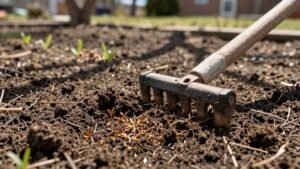
Wondering how to set the stage for a thriving lawn? First, test the soil. Aim for a balanced soil pH between 6.2 and 7.0; if the reading falls outside, apply lime to raise pH or elemental sulfur to lower it. Use the test results to guide nutrient deficiencies correction—add compost, rotted manure, or a starter fertilizer with phosphorus and potassium as indicated. Remove all dead grass, sticks, and debris, then till the area 3–6 inches deep to loosen compacted zones. Incorporate organic amendments to a 6–8‑inch depth, avoiding sand in clay soils. Rake to break clods, grade a 1–2 % slope away from structures, and firm the seedbed. This precise preparation guarantees optimal seed‑to‑soil contact and moisture retention. A properly weighted lawn roller improves seed contact and smooths the surface for uniform germination. Regularly aerating the lawn enhances soil health can further improve root development and water infiltration. Even cutting ensures the mower operates efficiently and extends blade life.
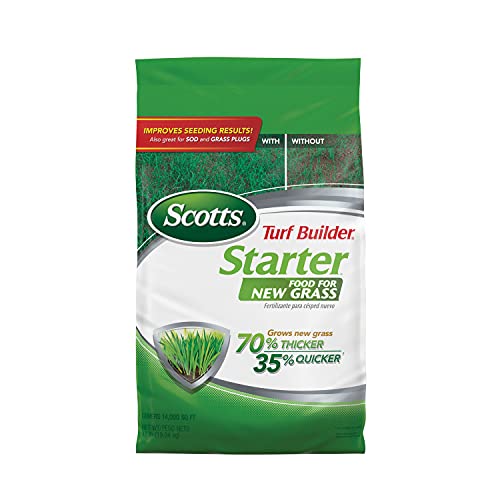
Grows new grass 70% thicker, 35% quicker versus unfed grass

FERTILIZER FOR NEW LAWNS: Scotts Turf Builder Starter Food for New Grass is a specially formulated starter fertilizer for grass seed that is designed to be used when planting new grass

10 MINUTE LAWN CARE: Get the job done fast, a 32 fl. oz. bottle of liquid grass fertilizer for lawns provides up to three separate 600 sq. ft. feedings in just 10 minutes
How to Aerate and Overseed the Right Way
When’s the best window to aerate and overseed your lawn? For cool‑season grasses, target early spring or fall; for warm‑season, aim late spring through early summer. First, water the lawn one to two days before aeration until the soil is damp but not soggy—about one inch of moisture. Mow low, dethatch, then run a plug aerator, removing 2‑3‑inch cores in a mowing‑like pattern with overlapping passes. Immediately after, apply seed using a spreader at the recommended seed application rates, typically 5 lb per 1,000 sq ft, ensuring uniform coverage and good seed‑to‑soil contact. Leave the cores to decompose, then fertilize lightly to sink nutrients into the holes. Avoid mowing or herbicide use until the new grass establishes. Multiple passes are recommended to ensure even coverage across the yard. Proper aeration also enhances soil oxygen levels, promoting healthier root development. Regular aeration reduces soil compaction and improves water infiltration throughout the lawn. Aerating before seeding also improves seed‑to‑soil contact for higher germination rates.

Bio-Powered Aeration Without Heavy Labor: Designed for homeowners with compacted or clay soil, our liquid aerator for lawns uses beneficial microbes to loosen soil and improve airflow; no core aerator, raking, or back-breaking work required

Adjustable Size: The 11.5* 5 inch Aerator Shoes fit for women's shoe size 6-10, men's shoe size 6-9, with 3 adjustable Velcro straps wrapped around your heel and attach with hook-and-loop fasteners, no slipping and loosing.

ADJUSTABLE WRENCHES AND SCREWDRIVERS REQUIRED FOR ASSEMBLY. Step ‘N Tilt makes core aeration easy - simply step and tilt. Its patented tilting motion is easier on shoulders and back with a larger stepping surface for comfort
Watering Schedule for Seeded Lawns (Germination to 2‑Inch Height)
A well‑timed watering schedule is essential from the moment you sow seed until the grass reaches a solid two‑inch height. During days 1‑10, water 2‑3 times daily for 5‑15 minutes, keeping the upper inch of soil moist but not soggy. Use fine spray or oscillating sprinklers, and conduct soil moisture monitoring each session to guarantee even distribution. Proper mulching helps retain moisture and protects seeds from erosion. After seedlings hit one inch (days 11‑21), cut back to once‑daily watering, extending each run to 20‑30 minutes so moisture penetrates the top 1‑2 inches. Begin weekly checks of irrigation system maintenance to ascertain even distribution. By weeks 3‑4, shift to every other day or twice weekly, delivering 30‑40 minutes per session and roughly 3‑4 inches of water weekly. Continue reducing frequency in weeks 5‑6, aiming for 40‑minute soakings every other day, then 2‑3 times weekly as roots deepen. Once the lawn reaches two inches, settle on twice‑weekly watering, providing 1‑1.5 inches per week, and skip watering after rain to prevent over‑saturation. Cool‑season grasses germinate faster, so early watering can be slightly reduced. Seed viability can be extended by maintaining soil moisture within a narrow range during the dormancy period.
Post‑Germination Fertilizing & Weed Control for New Lawns
After you’ve established a reliable watering rhythm, the next step is to feed your seedlings and keep weeds at bay. Apply the first starter fertilizer 4–6 weeks after germination, using a high‑phosphorus blend such as 15‑20‑10 plus iron. Aim for starter fertilizer ratios that favor root growth, and rake granules 4‑6 inches into soil before watering deeply to reach the roots. Limit each application to 4.3 lb per 1,000 sq ft and repeat no more than once a month. For transplanted seedling care, switch to a balanced 20‑0‑10 formula after the initial boost, then move to slow‑release nutrients as turf matures. Avoid weed‑and‑feed products; instead, use a starter with a mild pre‑emergent only if needed, and hold off on broad‑spectrum herbicides until the lawn has been mowed several times. This schedule sustains growth while minimizing weed intrusion. Nitrogen promotes healthy leaf growth.
Common Timing Mistakes and How to Recover a Struggling New Lawn
If you notice thin patches, uneven growth, or persistent weeds, you’re likely dealing with a timing error that’s hampered germination and root development. Early spring seeding before soil consistently exceeds 8‑10 °C leaves seedlings vulnerable to cold shock; late‑summer sowing invites crabgrass and prevents root establishment before winter. Both scenarios create suboptimal soil conditions that reduce seed‑to‑soil contact, especially on thatch‑laden lawns. To recover, first aerate or scarify the area to eliminate compaction and expose bare soil. Then, reseed damaged turf using a calibrated seed‑rate and a moisture‑retentive mulch. Water lightly but consistently for two weeks, then increase depth gradually. Finally, apply a balanced starter fertilizer to boost early root growth and outcompete weeds. Fall is the optimal time to plant grass seed.