

Start by soaking your grass seed in a clean, aerated water bath at about 70 °F (21 °C) for the species‑specific time—2‑3 days for perennial ryegrass, 5‑6 days for Kentucky bluegrass, and 3‑4 days for fescues—changing the water every 12 hours. Use a non‑porous container with a cheesecloth bag, keep the seeds fully immersed, and rinse with a dilute bleach solution before each change to prevent microbes. Plant the pre‑germinated seed ¼‑½ inch deep in a loose, moist seedbed, firm it lightly, then mist 2‑3 times daily until the soil stays consistently damp but not saturated; the next steps will show you how to fine‑tune watering and nutrients for rapid growth.
Why Pre‑Germination Makes Grass Grow Faster
When you pre‑germinate grass seed, you fundamentally jump‑start the metabolic processes that normally take days to begin in the soil. The treatment cuts germination time in half for Kentucky bluegrass, shrinking a 14‑day cycle to about seven days, and trims perennial ryegrass from seven to three days. This early activation gives each species specific advantages: fast‑growing ryegrass no longer overwhelms slower bluegrass, and both emerge more synchronously, fostering a uniform lawn appearance. The head start also boosts early survival by roughly 27 %, because seedlings are less vulnerable to birds, rain washout, and temperature swings. By trapping heat and moisture, pre‑germination creates an ideal micro‑environment, accelerating root development and ensuring even coverage across mixed seed blends. The pitch’s extensive ryegrass coverage benefits from targeted pre‑germination at the bowlers’ ends, ensuring rapid establishment in the most damaged zones. Proper moisture control during pre‑germination is critical, as consistent humidity prevents seed desiccation and promotes uniform sprouting. Optimal temperature further enhances germination speed, keeping seedlings within the 60‑75°F (15‑24°C) range. Using a soil moisture meter helps maintain the ideal water content throughout the process.
Pre‑Germinated Grass Seed Soaking Schedule for Each Species
A well‑timed soaking schedule tailors each grass species to its ideal priming window, guaranteeing you harvest the speed boost without over‑germinating. For perennial ryegrass, submerge seeds in a 2‑3‑day soak, changing water every 12 hours for the first 24 hours and keeping them weighted to prevent floatation; stop when the first roots appear to preserve seed viability and trigger dormancy release. Kentucky bluegrass needs a longer 5‑6‑day soak, aerated for the first 48 hours, and you may extend to 7 days for full priming; watch for white puffs as the dormancy release cue. Tall fescue and other fescues require 3‑4 days, with an initial 24‑hour soak followed by draining and stirring twice daily; maintain room‑temperature water and aeration to maximize viability and guarantee uniform dormancy release. Rye grass germinates in 4‑5 days, providing a rapid start when pre‑germinated. Grass seeds develop through pollination and fertilization in mature plants, ensuring genetic diversity and adaptation to varied habitats. The presence of essential minerals in seed coats supports early enzymatic activity during germination.

Establishes quickly

LAWN BARE SPOT REPAIR: Scotts PatchMaster Lawn Repair Mix Sun + Shade Mix is a combination mulch, seed, and lawn fertilizer product specifically designed to provide all-in-one bare spot repair and grass patch repair for lawns

Thicker Lawn: With Scotts Turf Builder Thick'R Lawn Sun & Shade, you can get up to a 50% thicker lawn, subject to proper care (results may vary based on the current condition of your lawn)
Containers for Pre‑Germinated Grass Seed and Clean Water
If you want the seeds to stay uniformly hydrated and free of contaminants, choose a clean, non‑porous container that can hold the seed bag completely submerged—an empty five‑gallon bucket works well for larger batches, while a sturdy pot without drainage holes or a tub serves as a smaller‑scale alternative. Use a cheesecloth or plastic‑woven bag to encase the seed, then submerge it in 2‑3 parts water to 1 part seed, adjusting volume to match container size. Rinse and disinfect the container with a dilute bleach solution before each water change; handle it easily for daily exchanges. Keep the bag fully immersed, adding a weight if it floats, and stir gently to guarantee even moisture. Replace water every 12 hours, rinsing thoroughly to maintain seed storage quality and prevent microbial growth. Monitor cracking for early germination signs. Storing seed in a cool, dry environment prolongs viability and reduces the risk of premature germination. Seed dormancy can last several weeks to months depending on temperature and humidity. Adding a soil test before seeding helps determine the exact nutrient adjustments needed for optimal seed growth.
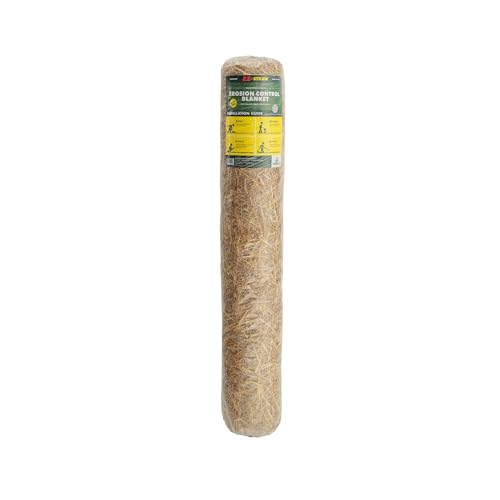
Simple and Safe: An innovative protective covering made from carefully selected natural straw fibers that have been processed and woven into a blanket-like material using specialized binding techniques.

GROW FRESH WHEATGRASS KIT: 10 days to harvest. Chickens and Ducks Love Wheatgrass. Microgreen Chicken Feed, All Natural and Full of Vitamins

👉 🌱 GROWS IN DAYS — NOT WEEKS Quick germinating grass seed blend designed to establish fast so you can start seeing new growth in as little as 5–10 days.
Warmth and Moisture for Pre‑Germinated Grass Seed Soak
Keeping the seed bag submerged in a clean, non‑porous container sets the stage for the next step: providing consistent warmth and moisture. After draining, place the container in a boiler cupboard, heated shed, or office where temperature stays near 70 °F (21 °C). This warmth accelerates enzymatic activity and drives the seed’s metabolism forward. Maintain the water level just above the seeds; a loose cover prevents evaporation while allowing gas exchange. Aim for the Ideal soaking duration of 12–24 hours; beyond this, the risk of microbial growth rises. By keeping the environment humid and warm, you achieve Preventing seed desiccation, ensuring every grain stays viable until it’s ready to sprout. Soil temperature is crucial for triggering the germination enzymes within the seed. The optimal temperature window for grass seed germination typically ranges from 60 °F to 75 °F (15 °C–24 °C) ideal germination range.
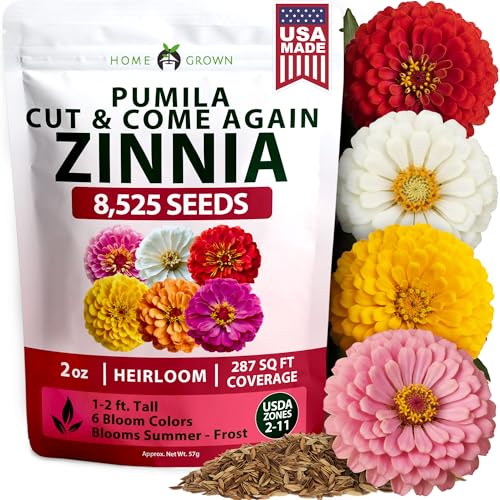
ZINNIA PUMILA CUT & COME AGAIN MIX: MULTI-SPECTRAL ARRAY - PERSONAL GALLERY HAUTE COUTURE. High-performance open-pollinated seeds of the Premium Heirloom category from an American brand: Non-GMO, Untreated seeds, High germination rate. Possess an excess energy reserve for a powerful vertical start in dense soil conditions. Exclusive aesthetic for high-end landscape projects.

High Quality and Durable - Our Gardzen Clear Seed Start Trays are made from premium plastic material, ensuring long-lasting use for all your seed starting needs. These trays are designed to withstand daily wear and tear, making them perfect for avid gardeners.

Unique Flowers: Hens and Chicks poppies have showy, ruffled flowers with a distinctive hen-and-chicks appearance, producing small, flavorful seeds.
Mix Milorganite or Humic Acid to Stop Clumps in Pre‑Germinated Seed
When you add Milorganite or granular humic acid to freshly drained, pre‑germinated grass seed, the carrier absorbs residual moisture, prevents clumping, and creates a free‑flowing blend that can be spread evenly with a drop or rotary spreader. Use a 1:4 weight ratio—one pound seed to four pounds Milorganite—or an equivalent amount of granular humic acid. Drain the seed bag for a few hours, then toss the seeds into a wheelbarrow and sprinkle the carrier while mixing by hand or with a trowel until the mixture flows freely through the spreader. This method yields even seed distribution, improves soil aeration benefits, and supplies slow‑release nitrogen and phosphorus without salt‑induced burn. Apply roughly 12.5 lb Milorganite per 1,000 sq ft, then lightly rake or water in. The excess Milorganite you used initially can be mixed in without harming the seed, as the carrier’s moisture‑absorbing properties keep the blend workable. A dense, healthy lawn can naturally outcompete many weeds, providing organic weed suppression as an added benefit. Proper timing of fertilization aligns with the lawn’s active growth phase, enhancing nutrient uptake and root development. Proper soil temperature before seeding ensures faster germination and stronger seedling establishment.

Down to Earth Granular Humic Acids is a five pound box of all natural fertilizer and is listed by the Organic Materials Review Institute (OMRI) for use in organic production

Improves soil health, lawn health, plant health, and reduce the use of fertilizers

Transform Your Garden: Our liquid lawn fertilizer concentrate regulates pH levels and eliminates nutrient lockout improving soil quality. Stimulating root development, it enhances nutrient absorption, producing thriving plants with bountiful yields!
Planting Depth for Pre‑Germinated Grass Seed and Soil Contact
Because pre‑germinated grass seed already contains a sprouting embryo, it must be placed just beneath the soil surface—typically ¼ to ½ inch for most species and no deeper than 0.6 inch for perennial ryegrass—to guarantee the seed can reach light and moisture without exhausting its nutrient reserves. You achieve ideal seed placement by loosening the top two to three inches of soil, removing debris, and leveling the surface. Firm seedbed preparation techniques, such as using a disc or dimple seeder, press the seed into the soil, creating close seed‑to‑soil contact. A light tamp with a roller or packer wheel prevents the seed from sinking too deep. After seeding, you should see a few seeds on the surface; any deeper burial indicates excessive depth. Pregermination significantly speeds up sprouting, often showing growth within 24 hours. Proper soil moisture levels are essential for consistent germination across different grass types.
Post‑Planting Watering Tips for Rapid Growth of Pre‑Germinated Grass Seed
Moisture is the lifeblood of pre‑germinated seed, so you should water lightly but frequently from day one. In early spring weather, apply a fine mist or light spray 2–3 times daily, keeping the top inch of soil consistently damp without runoff. Use a soil moisture monitor to verify that moisture stays above 50 % volumetric content but below saturation; adjust duration to 10 minutes per zone. Morning sessions prevent fungal growth, while a brief afternoon mist maintains humidity during warmer periods. After the first two weeks, taper to once‑daily misting, then shift to 15‑minute deep‑root watering twice weekly once the grass reaches 4 inches. Avoid puddles, as overwatering displaces seedlings and encourages disease. Consistent moisture is crucial in the first few weeks seed moisture. Light, frequent watering seeds helps maintain the optimal moisture balance for germination. Keep an eye on seed toxicity to protect pets that may chew on newly sprouted grass. Adjust watering based on soil type to prevent runoffwatering and soil.
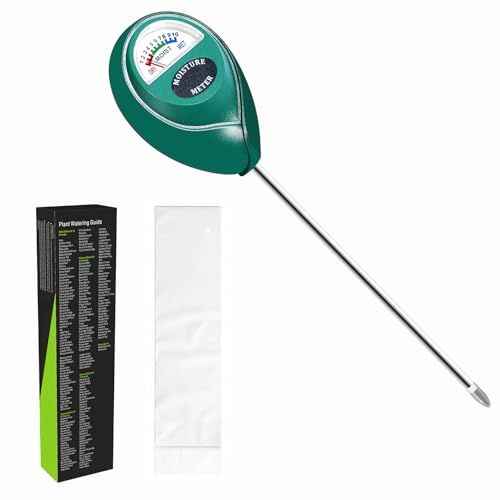
Trusted Since 2015: Become one of the many plant lovers who rely on the proven accuracy of XLUX. Established in 2015, our soil moisture meter has earned over 60,000+ verified ratings for its consistent performance. While many many newer brands come and go, we provide the long-term reliability and quality that American households have trusted for over a decade.

Accurate Soil Moisture Detection: The XLUX Soil Moisture Meter can tell you if the soil deep inside your pot or garden is dry, moist or wet; whereas your eyes and fingers can only determine the moisture level of the soil surface. The probe is 5.5 inches (14 cm) longer than regular styles, allowing it to measure the soil moisture at the bottom of larger and deeper flower pots.

Kindly NOTE: This soil tester can not be applied to test pH value of any other liquid. If the soil is too dry the indicator will not move, and water it before testing.