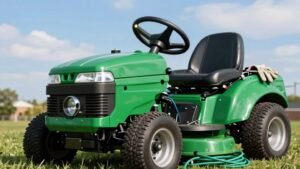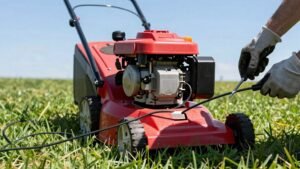

If your yard is flat, under two acres, and you need a lightweight, agile machine for routine mowing, a lawn tractor’s bolted frame, sealed transaxle, and narrow turf tires will give you quick turns and easy handling. For steep, uneven terrain, larger properties, or heavy‑duty tasks, a garden tractor’s welded steel frame, serviceable hydrostatic transmission, and wide‑tread tires provide the traction, stability, and power you need. The right cutting‑deck size and drivetrain will further match your specific landscape, and the guide ahead explains how to fine‑tune each choice.
Lawn Tractor vs Garden Tractor: Quick Decision Guide
What matters most when you choose between a lawn tractor and a garden tractor is the scope of work you’ll tackle. If your yard demands consistent mowing performance on medium‑sized lawns, a lawn tractor’s compact frame, lighter weight, and sealed transmission give you agile handling and lower maintenance. Its smaller deck and modest engine power suffice for regular cuts, and the tighter turning radius lets you navigate around trees and flower beds with ease. Conversely, a garden tractor’s larger dimensions, beefier front axle, and serviceable transmission support higher engine power and heavier implements. Its wider tires, bigger deck, and optional mulching or side‑ejection options boost productivity on expansive properties, while the robust transaxle handles the stress of plowing or snow removal. Choose based on the area size, terrain complexity, and the tasks you plan to perform. The rear wheel’s five‑bolt hub provides extra durability for high‑stress situations. For larger lawns, a zero‑turn capability can significantly reduce mowing time. Understanding cutting width helps match the mower to your lawn’s dimensions and terrain.
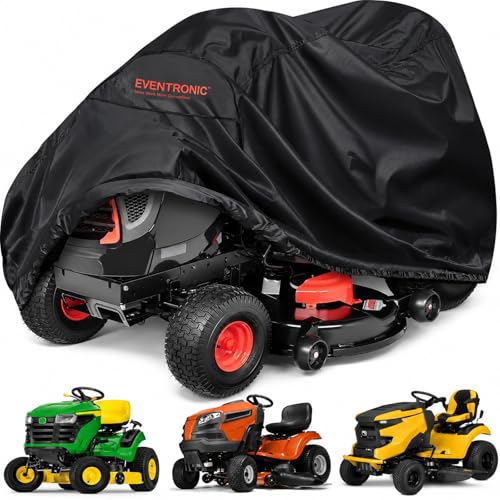
Perfect Universal Fit:Fits decks up to 54",pretty big size ( L72"xW54"xH46"), compatible with most riding lawn mower brands,including Toro, Craftsman, Honda, Husqvarna, John Deere, Law Boy, Greenworks,Troy Bilt,Cub Cadet,Exmark,Gravely,Ferris.
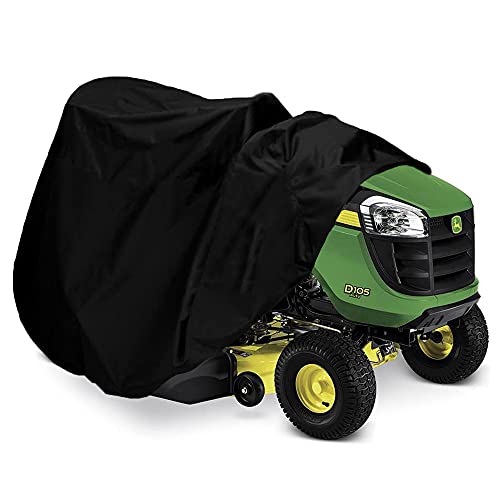
✔UNIVERSAL: Size 72"L x 54"W x 46"H,this riding mower cover is suitable for most riding lawn mowers and lawn tractors on the market.For optimal coverage,please confirm your mower’s dimensions before purchase.
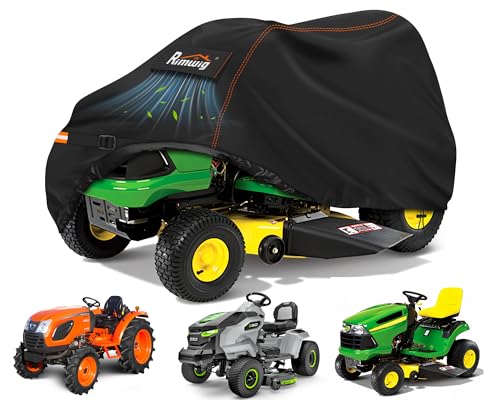
【Universal Compatibility】Measuring 185cm x 137cm x 117cm,this riding mower cover is suitable for most riding lawn mowers and lawn tractors on the market.For optimal coverage,please confirm your mower’s dimensions before purchase.
Garden vs. Lawn Tractor Frames: Strength vs. Agility
When you compare garden and lawn tractor frames, the garden models lean on thick, welded steel tubing that resists flex under heavy loads, while lawn tractors rely on thinner, curved steel pieces bolted together for a lighter, more agile chassis. Garden frames boast higher torque tolerance, up to 188 ft‑lbs, and superior load bearing capability, allowing you to attach plows, loaders, and heavy tillage tools without deformation. Their welded construction and cast‑iron axles raise towing capacity for substantial implements. In contrast, lawn tractor frames prioritize maneuverability; the bolted, curved steel reduces weight, tight turning circles, and simplifies storage. However, their lighter build limits load bearing capability and towing capacity to wheeled accessories, making them ideal for flat, small lawns rather than demanding, uneven terrain. Garden tractors feature a heavy‑duty rear‑end that provides additional structural support for demanding tasks. Front‑wheel‑drive mowers achieve tighter turning radii on uneven ground, offering enhanced traction for steep slopes. For larger properties, a zero‑turn mower can significantly reduce mowing time thanks to its ability to cut wide swaths in a single pass.
Garden vs. Lawn Tractor Transmissions: Serviceable vs. Sealed
Garden tractors typically employ serviceable hydrostatic transmissions that let you change fluid and replace filters without dismantling the whole unit, while most lawn tractors rely on sealed transaxles that require full removal for any fluid service. When you service a garden unit, you pull a few plugs or use an external reservoir, then replace the filter—often twice per decade—keeping hydraulic pressure stable and preventing leaks. These tasks demand a moderate user skill level but fit within standard maintenance intervals. In contrast, a sealed lawn‑tractor transmission offers “set‑and‑forget” reliability; you must extract the entire transaxle for oil changes, so routine service is rare and usually only after reaching high mileage. The trade‑off is simplicity versus proactive upkeep, influencing long‑term durability and cost. External reservoirs make servicing easier. Regularly inspecting the hose for small leaks can prevent water waste and pressure loss. Proper irrigation timing, such as watering during early morning hours, reduces evaporation and aligns with the optimal lawn watering guidelines.
Garden vs. Lawn Tractor Tires: Traction, Stability, and Yard Size
Since traction, stability, and yard size determine which tire setup works best, you need to match the tire type to your terrain and workload. Ag‑type tires on garden tractors give superior longitudinal grip and, with locking differentials, improve torque distribution on hills, but their aggressive tread can increase tire wear and tear sod. Turf tires on lawn tractors prioritize smooth rolling, lower tire wear, and protect manicured lawns, though they sacrifice hill traction. Larger, beefier garden tractor tires and wider wheelbases boost stability on uneven or sloping ground, while compact lawn tractor tires enhance agility in tight spaces. Choose garden‑tractor tires for expansive, hilly properties and lawn‑tractor tires for small, well‑kept yards. Garden tractors often feature hydraulic power steering for easier maneuvering on steep slopes. The hydraulic system also provides consistent cutting pressure for efficient grass removal.

BEFORE PURCHASING: Refer to the sizing chart and measure your tractor tires to determine the correct set of TerraGrips

Engineered for Wet and Dry Surfaces: Tread pattern delivers excellent traction and grip in a wide range of field conditions, from firm soil to slick, wet ground.

The original equipment (OE) Garden Master R4 tire
Garden vs. Lawn Tractor Cutting Decks: Placement and Size
Ever wondered how deck placement and size affect your mowing efficiency? Garden tractors typically mount a 48‑inch‑plus deck mid‑chassis, giving a central balance point but a larger turning circle. This placement meets ground clearance requirements for uneven terrain and lets you sweep expansive lawns with cutting width versatility, reducing passes dramatically. Lawn tractors, by contrast, carry a 30‑46‑inch deck, often mid‑mounted in a compact frame that tightens the turning radius and improves maneuverability around obstacles. Their smaller cutting width versatility favors precision in tight yards, while the lower deck height satisfies ground clearance needs on softer soils. Choose the garden deck for speed on open fields; pick the lawn deck for control in confined, obstacle‑rich spaces. Proper mowing timing, optimal mower selection can further enhance speed and fuel efficiency. Cutting no more than one‑third of the blade length helps maintain healthy turf.

Replaces OEM part numbers AM125172, AM124706, and 210-300; compatible with John Dee re 48", 54", 60", 62", and 72" deck mowers.

Product Name: Idler Pulley Kit With 48" Deck Belt

REPLACES: GY22172 Idler Pulley Replaces John Deere GY22172 GY20067
Garden vs. Lawn Tractor Attachments: What You Can Mount
You can equip both garden and lawn tractors with a wide range of attachments, turning a simple mower into a versatile workhorse. For soil preparation capabilities, Brinly’s 42‑inch hydraulic tiller breaks dense ground, while a 48‑inch box scraper levels and moves soil efficiently. Disc harrows—angle‑iron or square‑tube—smooth planting beds, and cultivators attach via sleeve hitch to loosen dirt and remove weeds. Plug aerators penetrate three inches for air and nutrient flow. Pull‑type spin spreaders seed, fertilize, or spread salt, and a 3‑point hitch plow handles light tilling. For winter snow removal, front blades (44‑ to 60‑inch) and rotary brooms (52‑ and 60‑inch) clear driveways, while snow blowers (44‑, 47‑, 54‑in.) attach to higher‑series tractors. Carts, trailers, and ROPS cabs expand hauling and protection. Using a hydraulic cutter can also help remove stubborn weeds without damaging surrounding grass. Diesel fuel can act as an effective herbicide when applied directly to unwanted plants, though it should be used with caution due to its environmental impact. Proper tilling timing can significantly reduce weed emergence by disrupting seed germination cycles.
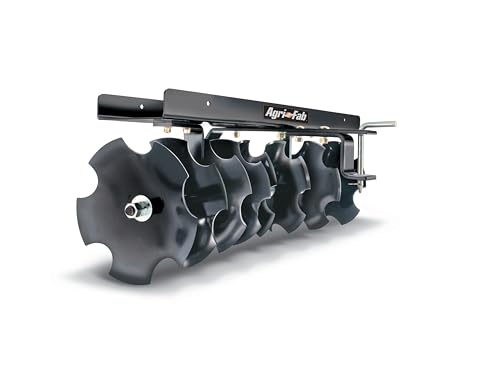
Requires sleeve hitch for operation; consult tractor manufacturer for sleeve hitch

GREAT AGRICULTURAL KIT: The Impact Implements 6-Piece Agricultural Kit System with hydraulics is a versatile solution that can be used with ATVs, UTVs, and tractors and provides everything you need to prepare your land for planting.
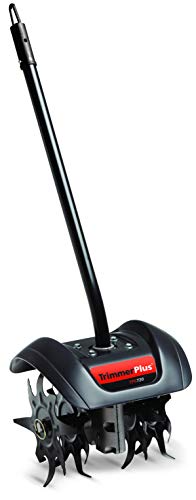
DURABLE TINES: Constructed with 4 heat-treated steel tines with 8 blades each to create the perfect garden bed. Take your gardening and landscaping game to the next level with this tiller.
Garden vs. Lawn Tractor Ideal Use Cases
A typical homeowner with a modest, flat yard will find a lawn tractor ideal for routine mowing, light hauling, and basic landscaping. When your desired mowing capabilities focus on quick, uniform cuts on grass up to six inches tall, a lawn tractor’s deck and 2‑acre limit meet most suburban needs. Its utility cart attachment handles lightweight loads, making it perfect for spreading seed, fertilizer, or moving firewood in level terrain.
Conversely, if property size considerations extend beyond two acres or involve uneven, rocky, or heavily overgrown sections, a garden tractor excels. Its heavier frame, higher ground clearance, and stronger hitch enable you to haul bulk mulch, dig tree holes, or aerate thick lawns without stressing the machine. Choose the model that matches the terrain’s complexity and the scale of your tasks. A self‑propelled mower can also reduce effort on steep slopes, offering enhanced maneuverability for challenging terrain. Zero‑turn mowers provide even tighter turning radii for intricate landscapes. Selecting the appropriate cutting width ensures efficient coverage and reduces mowing time.
Garden vs. Lawn Tractor All‑Wheel Drive: Benefits and When to Choose
When you need reliable traction on uneven, sloped, or wet terrain, choosing a garden tractor with all‑wheel drive (AWD) makes a practical difference. Garden tractors pair locking differentials, beefier transaxles, and higher‑horsepower engines to deliver AWD maneuverability and AWD stability on slopes. The traction lock on rear tires and hydraulic PTO let you attach tillers or snow plows while maintaining grip. In contrast, most lawn tractors use 2‑wheel steer, smaller drive tires, and lower horsepower, prioritizing compact maneuverability over full‑time traction. Opt for AWD garden models when your yard is large, hilly, or obstacle‑rich, and when you need to tow heavy loads or work in wet conditions. Choose AWD lawn tractors only for flat, tight lawns where tight turning radius and light‑duty work suffice. Four‑wheel steer models can cut up to 15‑30 minutes faster per session due to their tighter turning radius. Proper soil aeration also grass health by allowing better water infiltration. Rabbits may chew on grass seed, so using a protective barrier can help preserve new growth.
Garden vs. Lawn Tractor Cost vs. Value
What really matters is how the upfront price translates into long‑term ownership costs. Garden tractors start around $100–$1,000 but often require attachments that push the outlay well beyond the base price, while lawn tractors range $300–$4,000, with premium models costing double comparable discount units. Higher‑priced garden models boast beefier frames, forged axles, and robust engines, delivering superior longevity versus durability and reducing repair frequency. Budget lawn tractors may save cash initially, yet lower‑quality engines and welded steel axles raise cost versus lifetime value through frequent service. If you mow a small yard infrequently, a low‑cost lawn tractor suffices; for multi‑task, heavy‑use properties, the extra upfront expense of a garden tractor yields better long‑term value. Regular maintenance can significantly extend the service life of any mower, regardless of type. Proper deck cleaning prevents grass buildup that can impair engine performance.
How to Choose the Right Tractor for Your Specific Yard Needs?
The cost‑value trade‑off you just examined leads directly to the yard‑specific criteria that determine whether a lawn or garden tractor fits your property. First, measure your acreage. If you have under one acre with many obstacles, a compact lawn tractor gives better maneuverability and tighter turning circles, boosting mowing efficiency on irregular plots. For flat, open land exceeding one to two acres, prioritize a garden tractor’s larger cutting deck and higher horsepower; its beefier axles and serviceable transmission improve traction capability on sloped or uneven terrain. Next, list tasks: basic mowing and light attachments suit lawn tractors, while tilling, snow removal, or heavy towing demand garden garden’s high‑torque drivetrain. Finally, evaluate tire size and axle design; larger garden‑tractor tires increase traction but widen turns, whereas smaller wheels on lawn tractors excel around trees and posts. Choose the model that aligns with your yard’s size, terrain, and intended workload. self‑propelled mowers reduce user fatigue on larger or uneven lawns.

SCISSOR-LIKE CUT: No ripping or tearing of grass blades for a better and healthier lawn

POWERFUL PERFORMANCE: Tackle your yard with 3,300 RPM of power and a 14-inch cutting width
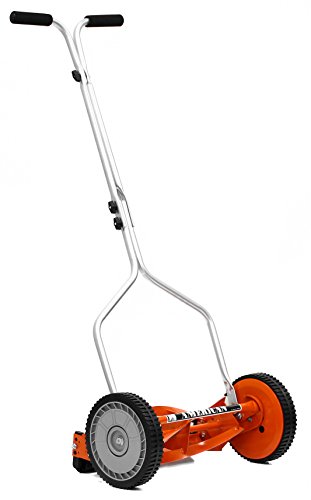
4-blade reel mower with a cutting width of 14” and durable 8.5” polymer wheels for maximum maneuverability. Lightweight at only 19 pounds. Reel Lawn Mowers are great for small lawns..Deluxe hand-reel mower ideal for most turf grasses.