
Turn off the engine, let it cool, and lower the deck to its minimum height. Disconnect the catcher, remove the wing nut and hairpin cotters, then swing the basket open and empty it. Scrape thick clumps with a metal putty knife, switch to a flexible scraper or pry bar for stubborn bits, and finish with a wire brush; blow loose particles away with an air‑hose nozzle, disposing of any oil safely. Wash the underside via the built‑in port,, it air‑dry, then wipe the exterior and clean the air filter using a damp cloth, a plastic bag cover, and compressed air. Finally, run the engine briefly to inspect the blade, and you’ll uncover more details ahead.
Turn Off the Engine and Prepare to Clean Your Lawn Mower
Turn the engine off and let it cool before you begin any cleaning. First, shut the mower down completely and wait until the engine temperature drops to a safe touch level; this prevents burns and makes debris removal easier. Move the mower onto a flat, paved surface, lower the cutting height to its minimum, and clear large clippings with a brush or leaf blower. Perform a blade adjustment check while the blades are stationary, confirming they’re snug and aligned. Next, conduct an electrical component inspection: verify that switches, vents, and the spark plug are dry, and avoid spraying water on any non‑watertight parts. Remove the spark plug for added safety, wear thick gloves when handling blades, and keep the engine exterior clean with a degreaser. Proper airflow under the deck is essential for optimal cutting performance. A sharp blade delivers a clean cut that promotes healthy grass growth. Use a bench vise to securely hold the blade while you inspect its edge for wear. When removing the blade, always disconnect the spark plug and use a wrench to loosen the bolt, ensuring the blade does not spin unexpectedly. This precaution follows the safe blade removal method described in the five‑step method.
Detach and Empty the Grass Catcher of Your Lawn Mower
After cooling the engine and clearing large clippings, you can now detach the grass catcher. Follow safety precautions: shut off the engine, disengage blade control, and shift the mower to neutral. Disconnect the retainer on the duct from the knob on the chute, then pull the duct free. Remove the wing nut securing the chute, pull the chute out, and extract the hairpin cotters that hold the basket to its mounting bracket. Rock the basket backward and pull it from the hitch, or open the rear discharge door and lift the bag by its handle. Pull up on the dump handle to swing the basket open, tilt the bag to dump clippings, and tip the catcher upright for a full opening. Guarantee the basket closes completely after emptying, then reinstall all components per the maintenance schedule. Regularly cleaning the bag prevents clumping and allergy symptoms. Mowing a wet lawn can increase the risk of slipping and damage to the mower’s deck, so it is advisable to wait for the grass to dry before mowing. Applying herbicide to damp foliage can reduce efficacy and increase runoff risk.
Scrape off Stuck‑On Debris From the Lawn Mower Deck
When you’ve emptied the gas tank, removed the spark plug, and tilted the mower securely, you can begin scraping the deck. First, put on gardening gloves and shine a light under the deck to inspect underside for buildup. Use a metal putty knife on thick clumps, holding the blade aside with a wood block. For stubborn, caked‑on dirt, apply a flexible adhesive scraper or a flat pry bar, working around bolts and edges until only a thin layer remains. Switch to a wire brush for finer remnants, then sweep debris into a trash bin. Finally, blow off loose particles with an air‑hose nozzle, ensuring the deck is clear before moving to the next cleaning step. Mold growth under the deck can cause rust and holes if not removed. Regularly checking the deck for grass buildup helps prevent clinging debris and extends mower life. Remember to properly dispose of any oil that may drip from the deck during cleaning.

New Products of 2018: This new lawn mower deck scraper brush includes a scraper head and a brush head. This can help you clean any mower easily. 2 function in 1 tools

ERGONOMIC LONG HANDLE: Designed with a comfortable long handle to reduce bending and strain, making deck cleaning easier on your back

Effective Maintenance: Ensure the best performance of your lawn mower with our deck scraper, which efficiently removes grass clippings, dirt, and grime from the cutter
Wash the Underside and Deck of Your Lawn Mower
Now that the debris is scraped away, you’re ready to wash the underside and deck. Position the mower on a clean, non‑grassy surface and lower the deck to its minimum height. For riding models, engage the parking brake, chock the rear wheels, and lift the front end with a jack. Guarantee the engine is off before attaching a garden hose to the built‑in washout port, or aim a hose at the underside for walk‑behind units. Turn water to moderate pressure, start the engine, engage the blades, and run 3‑5 minutes until the water runs clear. After shutting off water, run the mower briefly to air‑dry, then use compressed air to remove residual moisture. Finally, dry the deck completely and store mower properly to prevent rust. Use a shop vacuum to remove any loose debris remaining on top of the deck before washing. Understanding herbicide selectivity helps prevent accidental damage to your lawn when using chemical treatments. Consider metal recycling programs to responsibly dispose of any worn metal components. Keeping blades sharp and clean improves cutting efficiency and promotes a healthier lawn.
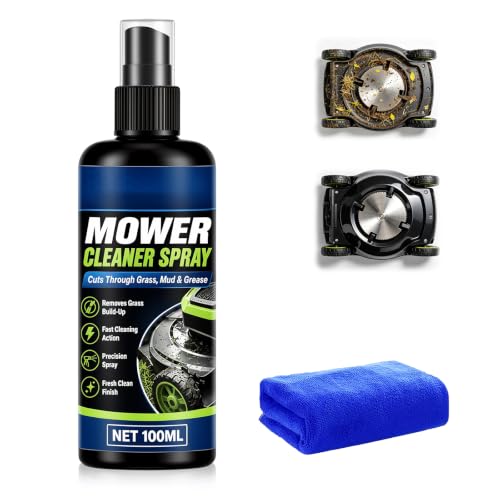
Fast Removal of Stubborn Dirt: Our heavy-duty formula rapidly dissolves caked grass residue, sap, mud and grease, outperforming plain water to keep your mower running efficiently all mowing season

Keeps dirt and grass from sticking to mower decks and snow from sticking to snowblowers, shovels, plows and other snow equipment
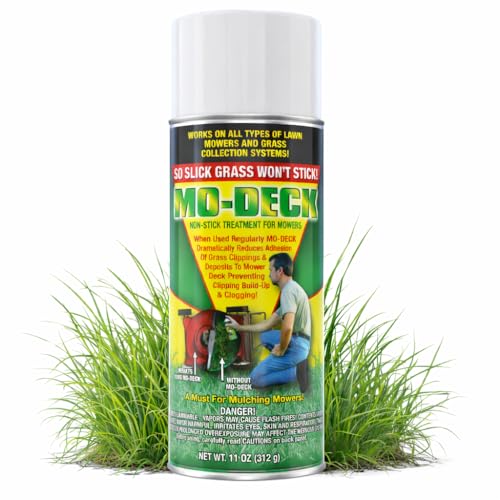
Swift and Easy Application: Shake and spray Mo Deck nonstick lawn mower deck spray for quick, even coverage. The pressurized formula helps grass clippings and debris slide off effortlessly, making cleaning your mower faster and convenient than ever.
Wipe the Exterior and Clean the Air Filter on Your Lawn Mower
The mower’s exterior should be wiped with a damp cloth or soft brush to lift caked‑on dirt, using low‑pressure hose water only if needed, while keeping high‑pressure streams away from non‑watertight components such as the air filter, oil filter, and spark‑plug housing. Begin by covering the air‑filter intake with a plastic bag, then brush loose debris from the housing. If stubborn grime persists, apply a mild cleaning agent, let it sit briefly, and wipe clean. Next, remove the air filter, tap it gently to dislodge loose particles, and brush remaining residue with a soft paintbrush. Use compressed air for a thorough purge, then inspect air filter condition; replace the filter if discoloration or damage remains. Finally, reassemble, ensuring all protected components stay dry. Remember to check spark plug before each season to maintain optimal mower performance. Before testing the spark plug, inspect for fouling with a visual check for carbon buildup or oil residue.

Premium Air Filter: Soft gasket, better seal. Larger filter area, higher air intake. Less rubber flash, breathe better and higher gas mileage.
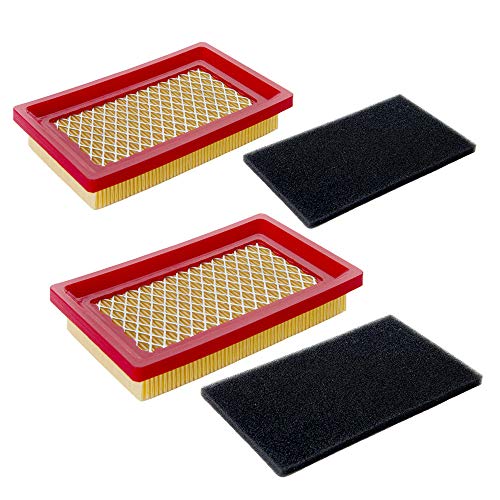
Pro Performance: Exactly replacement for Cub Cadet MTD SC100 951-10298 951-14632 751-10298 air filter, fit 159cc 173cc 4.5 - 6.5 HP OHV engine, 11A 12A series push / walk-behind lawn mower. [Note: this is not 951-15245 air filter which is shorter and wider than this item, please check the size]

Replace for B&S 5421, 5428, 992376, 590825, 591334, 594201, 796031 filter element.
Run the Engine and Inspect the Blade After Cleaning the Lawn Mower
After wiping the exterior and cleaning the air filter, you should reconnect the spark‑plug wire, add fresh fuel, and prime the engine three to five times before pulling the starter cord for a quick 10‑15‑second crank. Observe the engine’s prime engine condition as it idles; it should run smoothly without sputtering. Listen for abnormal noises and monitor exhaust smoke; excessive smoke indicates fuel or oil issues. Once the engine runs for five minutes, tip the mower safely, wear gloves, and inspect the blade. Remove any grass clippings, check for bends, cracks, or dull edges, and verify balance. If the blade passes, reinstall guards, tighten the bolt to torque specifications, and document any wear before returning the mower to service. Ensure the spark plug is correctly seated before final assembly. Proper torque helps prevent overtightening and damage. Follow the blade alignment guidelines to guarantee optimal cutting performance. Remember to check the recoil spring for proper tension before re‑assembly.