
Identify each weed’s life‑cycle (annual, biennial, or perennial) by scouting leaf arrangement, stem habit, and underground structures, then apply a pre‑emergent herbicide like pendimethalin when soil reaches 50‑55 °F to block seed germination. Follow with a selective post‑emergent spray (2,4‑D or fluazifop) in early fall or spring, spaced 10‑14 days apart, and use cultural tactics—tight row spacing, vigorous cultivars, proper pH, and targeted fertilization—to create dense turf that outcompetes survivors. Mechanical removal and spot‑treatments with high‑acidity vinegar finish any remnants, and the seasonal calendar will keep you on track for lasting weed‑free lawns.
Identify the Weed Type and Lifecycle
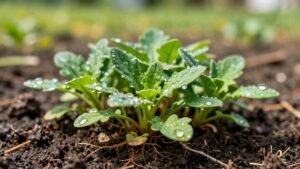
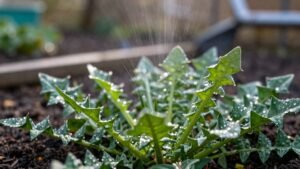
When you first encounter a weed, determine its life‑cycle class—annual, biennial, or perennial—by observing when it emerges, how it grows, and whether it survives beyond a single season. Assess the timing of weed lifecycle: note if the plant appears in late spring, summer, or fall, and whether it dies after seed set. Examine leaf arrangement, stem habit, and flower timing to separate summer annuals, winter annuals, and biennials. Then probe underground structures of weeds: dig gently to reveal rhizomes, taproots, or a rosette base. Perennials will show persistent roots or rhizomes storing nutrients, while annuals lack such reserves. Record these observations in a field notebook, then compare them to dichotomous keys for precise identification. Apply appropriate chemical treatments such as herbicidal moss control to target moss‑associated weeds while minimizing damage to desired turf. Understanding the herbicide action type helps predict how quickly a weed will die after application. Incorporating mulch barriers can suppress light and further limit weed germination.
Choose the Best Lawn Weed Control Method
Which method will give you the most reliable control? Start by matching the weed’s biology to the appropriate herbicide class: use a pre‑emergence product applied before soil temperatures consistently reach 50‑55 °F to prevent annual seed germination, and follow with a selective post‑emergence spray timed for early fall or spring to target existing broadleaf or grass weeds without harming the turf. First, select a pre‑emergence such as pendimethalin or prodiamine, mix it according to label directions, and apply uniformly with a pump sprayer when top‑inch soil reaches the temperature threshold. Record application date, wear protective gear, and observe herbicide safety precautions. Next, schedule a post‑emergence spray of 2,4‑D or fluazifop in early fall, spacing treatments 10‑14 days apart, while monitoring environmental impact considerations such as runoff potential and non‑target flora. This integrated approach maximizes control and minimizes ecological risk. Adding a pre‑emergent helps deplete the soil seed bank over several years. Proper line selection can also reduce the need for frequent re‑application. Effective pre‑emergent timing is crucial for preventing weed emergence before they become established. For best results, apply the pre‑emergent when soil temperature reaches 50‑55 °F and the grass is actively growing.


One application prevents crabgrass all season long
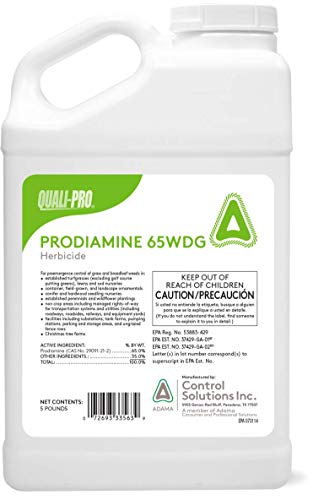
PRE-EMERGENT HERBICIDE: Quali-Pro's Prodiamine 65 WDG provides pre-emergent grass and broadleaf weed control. Flexible application allows for both spring and fall use providing season long crabgrass control. Available in a 5 pound bottle.
Apply Post‑Emergent Lawn Weed Control Safely
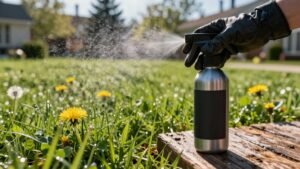
After selecting a pre‑emergence product and establishing a schedule, you now focus on post‑emergent application. First, mow the lawn, wait one to two days, then clear leaves, sticks, and debris. Guarantee the grass is damp and the soil temperature exceeds 55 °F; avoid windy days to prevent drift. Wear long pants, sleeves, and gloves, and keep children and pets away until the surface dries. Choose a selective herbicide compatible with your grass type—2,4‑D for broadleaf weeds—and apply with a calibrated sprayer or spreader. Adjust application timing to target young, small weeds, and follow label‑specific watering instructions, typically delaying irrigation for 48 hours. After treatment, monitor results diligently and re‑treat in two weeks if necessary. Understanding herbicide modes helps you select the most effective product for your lawn. 2‑4‑D works by disrupting the plant’s growth hormone balance, leading to rapid leaf yellowing and death. Proper application of herbicides can protect crops and garden flora when selective dosing is observed.
Use Pre‑Emergent Lawn Weed Control to Block Seeds
If you want to stop weed seeds from ever sprouting, apply a pre‑emergent herbicide before the soil warms enough for germination. Begin by evaluating your climate zone and soil temperature; most targets germinate when soil reaches 55‑60 °F. Choose a product whose active ingredient matches your weed spectrum and turf type—Scotts Halts for general lawns, Andersons Barricade for Bermudagrass, Prodiamine 65WDG for crabgrass, or BioAdvanced for southern lawns. Set the application timing to early spring (or fall for winter annuals) and calibrate a broadcast spreader for granular formulas or a calibrated sprayer for liquids. Apply uniformly at the labeled rate, then water lightly to activate the chemical barrier. The barrier will inhibit root and shoot development for up to six months, preventing annual grasses and broadleaf weeds from emerging. Scotts Weed & Feed uses dithiopyr as its active ingredient to target crabgrass. Pre‑emergent herbicides also kill existing weeds when applied correctly. Properly soil temperature monitoring ensures the herbicide is most most effective. when most soil soil.50‑60 and active.
Water, Fertilize, and Mow for Dense Turf
Applying a pre‑emergent herbicide creates a chemical barrier, then the next step is to maintain the surviving turf through precise watering, fertilizing, and mowing. First, water deeply to deliver one inch per week, timing irrigation a few days before fertilization so the soil is moist but not saturated. Split a water‑soluble fertilizer into two half‑rate applications ten days apart, emphasizing nitrogen for color and potash for strength. After each fertilization, apply a light post‑irrigation to move nutrients into the root zone and curb runoff. Mow at 3–3.5 inches, removing no more than one‑third of blade height and varying patterns to prevent wear. Leave clippings for nutrient recycling. Finally, dethatch soil and aerate lawn annually to improve aeration, water infiltration, and root development, fostering dense turf that suppresses weeds. Sharp blades ensure clean cuts and reduce stress on the grass. Using sharp mower blades also minimizes tearing, which can otherwise create entry points for disease. Properly sharpened blades extend blade life and maintain cutting efficiency.
Adopt Cultural Practices for Ongoing Weed Control
When you integrate cultural practices into your weed‑management program, you create a multilayered defense that continuously suppresses unwanted plants. Begin by establishing balanced crop rotations; alternate a short‑cycle cleaning crop with a long‑season main crop to disrupt weed life cycles and limit seed‑bank buildup. Choose competitive cultivars or hybrids with vigorous early growth, and plant them at narrow row spacing to maximize canopy cover and shade. Adjust soil pH, drainage, and fertility, then band fertilizer near the crop to deny nutrients to weeds. Implement timely scouting and plant into weed‑free seedbeds, using cover crops and harvest‑weed‑seed control as additional “little hammers.” These steps form an integrated weed management system that reduces herbicide reliance and sustains long‑term turf health. A simple homemade solution using vinegar and salt can also be applied as a supplemental spot treatment for persistent weeds. For quick control, a high‑acidity vinegar solution can cause visible wilting within 30 minutes to several hours. Using a concentration of at least 20 % acetic acid ensures effective weed kill without harming surrounding grass when applied carefully.
Deploy Mechanical Tactics for Immediate Removal
Often, you’ll start mechanical weed control by selecting the appropriate tool for the target species and growth stage; handheld pullers work best for isolated, shallow‑rooted annuals, while tractor‑dragged harrows or specialized tine weeders efficiently disrupt larger infestations. First, utilize timing by inspecting soil moisture; moist conditions loosen taproots, allowing you to hand‑pull weeds with a Weed Wrench or Root Talon and extract the entire root mass. Next, optimize tool selection for the infestation density: deploy a chain harrow on gravel to uproot seedlings, then follow with a spring‑tine weeder to sever deeper roots. For row crops, adjust torsion weeder speed and down‑pressure to match row spacing, minimizing crop damage while maximizing root disruption. Finally, record each pass to guarantee consistent coverage and evaluate removal efficiency. Tilling also promotes soil aeration which helps suppress weed germination by disrupting seed beds. Proper dethatching can further improve lawn health by removing excess thatch that blocks water and nutrient penetration.
Set Up a Simple Seasonal Weed‑Control Calendar
After you’ve selected the right mechanical tools and logged each pass, map those actions onto a calendar that aligns with temperature thresholds and growth stages. Begin in March: schedule a pre‑emergent application when soil hits 50‑55 °F, and add the first fertilizer in mid‑April. Record weekly lawn assessments for strategic weed monitoring, noting any emergent seedlings. In late spring, plan spot‑treat post‑emergent sprays before heat spikes, and hand‑pull isolated plants. Raise mowing height in June, set deep‑watering intervals, and log pest checks. Shift to fall by marking cooler periods for post‑emergent herbicide, overseeding, and perennial root extraction. Finally, schedule winter woody‑weed removal and early‑spring core aeration. Integrate these tasks into a lawn maintenance schedule to maintain continuous, data‑driven control. Proper soil temperature monitoring ensures timely herbicide activation.