
You shouldn’t mow in the rain because wet grass bends blades, clogs the deck, and spikes engine load, leading to dull blades, fuel waste, and overheating. Slip hazards rise as the turf turns slick and muddy, especially on slopes or soft soil, and heavy mowers can create ruts and erosion. Wait at least 24‑48 hours after light rain and up to three days after heavy storms, checking dryness with a foot‑press or bounce test. Follow safety policies and mower‑selection guidelines, and you’ll uncover detailed steps for safe wet‑grass mowing.
Can You Mow Wet Grass? Quick Verdict
Can you mow wet grass safely? You must assess moisture before you start. Perform a touch test; if the grass feels wet, postpone mowing. Visual inspection helps you gauge dew versus rain‑soaked turf—only dewy grass may be acceptable, but rain‑logged lawns pose high risks. Check blade alignment; bent blades under water weight indicate the mower missed patches, increasing the Risks of running mower blades. Slipping upright blades are essential for clean cuts and to avoid tearing weak turf. Test a short row; if the mower bogs, wait longer. Heavy equipment compacts soggy soil, creating ruts and hazards. Prioritize safety policies: limit operation to dry periods, use proper protective gear, and enforce slip‑prevention measures to mitigate the potential for slipping and falls. Proper drainage can reduce soil moisture and help prevent clumping. Even a brief exposure to moisture can cause engine corrosion if the mower is not dried promptly.
How Wet Grass Impacts Blade Performance and Engine Health When Mowing
When wet grass blankets the lawn, it forces the mower’s blades to bend and tear instead of slice, which rapidly dulls them and accelerates rust on metal components. The moisture causes clippings to cling to the deck, creating clogs that slow blade rotation and increase engine load. As the engine works harder, fuel consumption spikes and the risk of overheating rises, especially in electric models with limited torque. To mitigate damage, you must follow strict deck maintenance requirements: clean the underside after each wet session, remove clumps, and inspect for rust. Adjust your blade sharpening schedule to accommodate faster dulling—sharpen after every 2‑3 wet mowings to preserve cutting efficiency and protect engine health. Clumping can also smother the turf and encourage fungal growth if not promptly removed. A sharp blade reduces wear and promotes healthier grass by delivering clean cuts. Maintaining sharp blades also improves cutting efficiency and prevents uneven mowing that can stress the lawn.

Compatible with all American Lawn Mower, Great States, Earthwise, and Scotts reel mowers
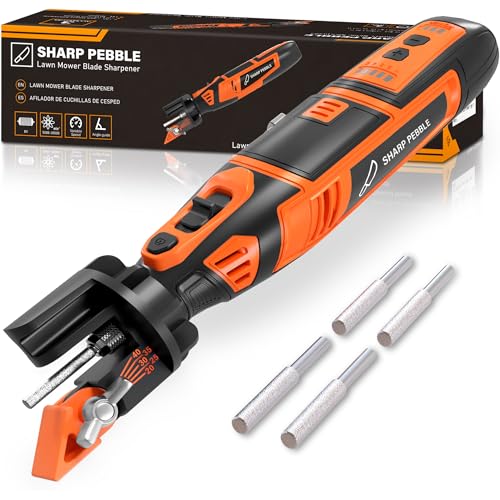
SHARPEN YOUR MOWER BLADE IN MINUTES: Blade removal is optional with this cordless lawnmower sharpener — many standard residential blades can be sharpened right on the mower, saving you the hassle of disassembly. Routine touch-ups take about 2–3 minutes per blade; badly worn edges take longer and are best done with the blade removed.
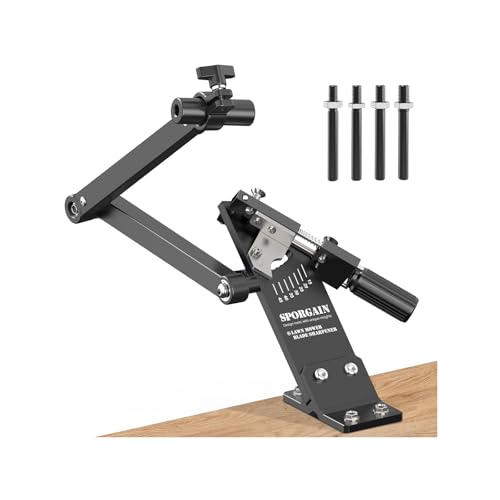
[ Updated ] Lawn Mower Blade Sharpener: SporGain mower blades sharpener suitable for Blades standard straight, mulching and high-lift mower.
Slip‑Hazard, Muddy Tracks, and Mower Stability Risks on Wet Grass
One of the biggest hazards on a rain‑soaked lawn is the slip risk created by slick grass and saturated soil, especially on slopes or uneven terrain. You should assess slope grade, grass height, and soil moisture before starting; a simple visual test can reveal traction loss. Muddy tracks form as mower weight compresses soft soil, leaving ruts that trap water and accelerate soil erosion risks. These ruts also cause lawn discoloration problems by exposing roots to excess moisture. To mitigate stability issues, choose a lighter mower with wide, low‑pressure tires, and limit operation to firm ground. Implement a policy that mandates a pre‑mow inspection, a maximum allowable moisture level, and post‑mow aeration to restore soil structure and prevent compaction‑related damage. Wet grass spreads disease across the lawn, increasing the need for careful timing of mowing. Always consult the mower’s user manual for specific guidance on operating in wet conditions. Wearing protective gear such as non‑slip shoes and eye protection further reduces the chance of injury on wet surfaces. Understanding soil compaction helps prevent long‑term damage to lawn health.
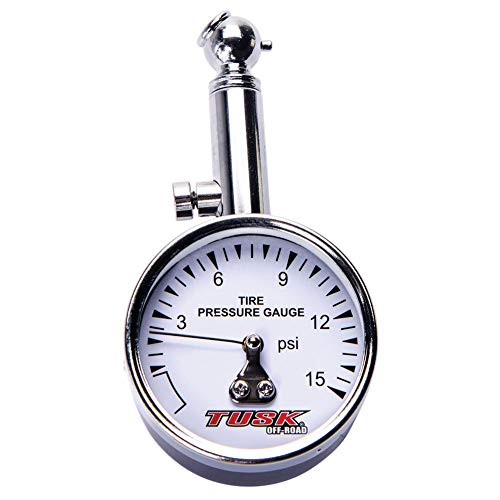
Durable Construction – High-quality materials ensure long-lasting reliability

[Built to Last–Cut with Confidence] The RONPOW 15x6.00-6nhs lawn mower tires are designed for exceptional durability. Constructed with solid, high-quality rubber, ensuring longer-lasting, reliable operation. Whether you're mowing a small yard or tackling a larger lawn, you can count on RONPOW lawn mower tires for consistent, dependable cutting

Tire only, Rim not included
Waiting‑Time Guidelines for Mowing Wet Grass
A practical waiting‑time policy for mowing wet grass starts with a minimum 24‑hour interval after any rainfall, extending to 48 hours when the ground feels dry underfoot and up to three–10 days for full dryness on heavier or multi‑day storms. You should reference lawn moisture saturation levels and align them with precipitation forecasting guidelines to decide when to mow. If the soil feels firm and footprints disappear within two to five hours after a light shower, a 24‑hour wait suffices. For heavy downpours, wait at least 48 hours, and for multi‑day storms, extend to three to ten days until the turf is no longer waterlogged. Adjust timing for sunlight, wind, and temperature, and always verify dryness with a foot‑print or bounce test before proceeding. Soil compaction can be avoided by following these waiting guidelines. Different herbicide formulations may require a longer drying period to prevent chemical runoff and ensure optimal absorption.
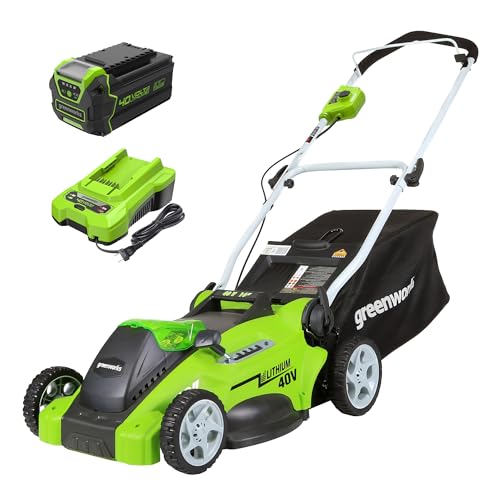
[16" LAWN MOWER] - This 40V lawn mower cuts up to 1/3 acre with fully charged 4.0Ah battery (varies based on grass condition and operator technique)

Multi-Function Convenience: Easily switch between mowing, trimming, and edging for three-in-one versatility with your string trimmer

【Smart lift-sensor for compact yards】: Perfectly designed as a small lawn mower for small spaces, it features an advanced ground-detecting safety lock. When maneuvering this mini lawn mower around tight corners, flower beds, or obstacles, the motor instantly shuts off if the unit is lifted or the rear wheels lose contact with the ground. This auto power-off mechanism prevents accidental starts, ensuring maximum operator safety in confined areas.
Quick Readiness Tests Before Mowing Wet Grass
How can you verify that the lawn is truly ready for a safe, efficient cut? First, run a soil firmness test: walk the area and confirm the ground stays firm, leaving no deep footprints. Use a simple soil moisture measurement device to guarantee moisture levels are low enough that grass feels only slightly damp, not saturated. Check weather reporting accuracy; recent forecasts should show only light dew and no rain within the past six hours. Conduct a debris inspection, removing sticks, rocks, and toys that could become projectiles. Adjust mower height higher to accommodate lingering dampness, and wear non‑slip shoes to assess personal traction on slopes. These checks satisfy practical safety policies before mowing wet grass. Uneven cuts can damage turf if the grass is still too wet. Properly securing the mower’s handle and using a stable stance while lifting reduces the risk of strain. Refer to the owner’s manual for the exact blade clearance specifications. Consider the cutting width to match your yard size for optimal efficiency.

Easy to operate and install
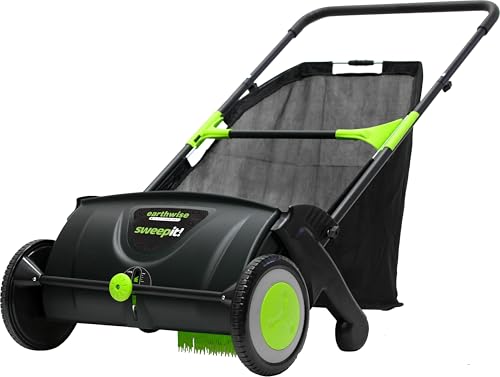
Designed for dry lawn debris: Intended for collecting dry leaves and light yard debris from flat, regularly maintained lawns; performance may vary depending on lawn conditions, grass height, weather, and debris type

[DESIGNED FOR MOWERS] These height adjustment knobs are compatible with popular mower models such as 20092, 20333, and more, tailored to meet your lawn care requirements.
Which Mower Works Best for Mowing Wet Grass?
After confirming the lawn’s firmness, moisture level, and debris‑free condition, you can choose the mower that will actually cut wet grass without damaging the turf or the equipment. The Mowrator’s high‑lift blade and IP54 rating make it a top choice for specialized mower models that face the impact of wet conditions; its bagging and mulching modes keep clippings from matting. Ventrac tractors excel on soft, low‑lying ground because all‑wheel drive and floatation tires prevent ruts and root tearing. For medium lawns, a self‑propelled mower offers steady cuts, but heavier units risk compaction. Riding and zero‑turn mowers handle thick, damp turf on flat surfaces, yet they can gouge if the soil is saturated. Battery‑powered options like the Ego Power+ 1000 LM2236SP combine lightweight design with sharp blades, reducing gouging while maintaining power. Wet grass can cause clumping of clippings that may smother the lawn if not managed properly. Regularly applying a deck cleaning solution helps prevent grass buildup and maintains blade efficiency. Properly cleaning the air filter before mowing wet grass can prevent engine strain and ensure consistent performance. Understanding how mulching improves soil health can guide you in selecting the right mower for wet conditions.

942-04308 High Lift Mower Blades OEM:742-04308 742-04308A 942-04308A 942-04308 742-04312 942-04312; compatible with troy bilt pony 42 inch mower cub cadet 42 inch deck mower mtd 42 inch mower

Compatible with OEM Parts John Deere M113878

Compatible with OEM Part Numbers Toro 62-7700, 62-7700-03
Step‑by‑Step Safe Mowing Tips for Wet Grass
If the grass is still damp, start by inspecting the lawn for debris, soggy spots, and hazardous projectiles; walk the area, remove sticks and toys, and step lightly to gauge soil firmness. Sharpen blades, raise the deck to 3‑4 inches, and select side‑discharge to avoid clumping. Mow slowly, overlapping passes and alternating direction to minimize blade drag and protect fragile blades. Pause frequently to clear clippings from the deck, shut off the engine before cleaning, and keep fuel stable with a stabilizer. After cutting, water sparingly, monitor for disease, and schedule the next mow during dry weather to reduce the environmental impact of wet grass mowing. Recognize that soil aeration benefits after wet mowing improve root health and drainage. Battery temperature can significantly affect performance, so store the mower in a cool, dry place when not in use. Always work in a well‑ventilated area and have a suitable container ready for any fuel you may need to drain gasoline from the mower. Remember to disengage the spark plug before any maintenance to prevent accidental startup.