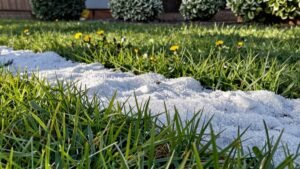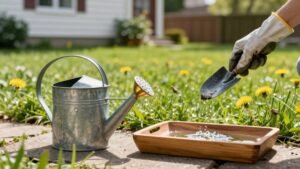

You can kill weeds with Epsom salt, but you need a very high concentration, which can harm soil and requires frequent re‑application. Mixing fine‑grained salt with 30 % vinegar and a surfactant improves adhesion and speeds up death, yet the magnesium load still risks long‑term salinity issues. Table salt works faster, is cheaper, and poses fewer soil‑health concerns. If you keep going, you’ll uncover how to balance efficacy with safety.
Epsom Salt Weed Killer Efficacy: Does It Really Work?
While the idea of a cheap, DIY herbicide is tempting, the chemistry behind Epsom salt (MgSO₄) tells a different story. You need high concentrations to reach toxic levels, which means applying large quantities that can damage soil. Studies show that fine‑grained Epsom salt mixed with vinegar and a surfactant improves adhesion, yet the evidence for rapid weed death is anecdotal at best. In a head‑to‑head comparison, horticultural vinegar delivers consistent acidity without the magnesium overload, making it a safer alternative. Ideal spray delivery techniques—full coverage after dew evaporates, using a surfactant—are essential for any mixture, but they do not overcome the fundamental limitation: the required salt load risks long‑term soil health. Frequent application may be necessary to maintain control. Using a 30 % vinegar solution can enhance efficacy while minimizing the amount of salt needed. Incorporating citrus oil can further improve weed suppression while keeping the garden ecosystem healthy. Proper soil salinity monitoring helps prevent unintended damage to surrounding grass.
Why Table Salt Beats Epsom Salt for Weed Killing (Cost & Effectiveness)
Table salt outperforms Epsom salt in weed control because its simple sodium‑chloride chemistry creates a rapid dehydration effect that kills foliage within 24‑48 hours and eliminates most weeds in one to two weeks, while costing far less per ounce. You’ll notice that the dehydration mechanism pulls water directly from leaf cells, causing wilting and discoloration in just a day. Because sodium‑chloride granules dissolve quickly, even coarser salt granule size delivers sufficient contact without needing the fine texture Epsom sometimes requires. Cost data show table salt is roughly half the price per ounce of Epsom, yet it achieves the same toxic soil impact. Consequently, replacing Epsom with ordinary salt reduces expense dramatically while delivering consistent, faster weed kill. Salt’s osmotic pressure also disrupts the soil’s water balance, further inhibiting weed growth. Proper timing of application, such as after rain, maximizes herbicide absorption and ensures the chemicals reach the root zone. Vinegar typically shows visible wilting within 30 minutes to several hours after application.

Quality Culinary Ingredient: At Morton Salt, we make sure only the best salt crystals and pure salt reach your plate, so every dish you create will be as flavorful as you intend

All-Purpose; Morton Table Salt is a fine salt with a consistent grain size, making it tailored for any use, from cooking and baking to refilling shakers

VERSATILE MATERIAL: Premium natural burlap roll ideal for gardening, landscaping, plant protection, home decor projects, and rustic event decorations
How an Epsom Salt Weed Killer Mix Works: Role of Vinegar, Soap & Salt
Even though table salt outperforms Epsom salt in cost and speed, the latter can still boost a vinegar‑based weed spray when paired with dish soap. You mix 1.5–2 cups of Epsom salt per gallon of white vinegar, add 0.5 tsp dish soap, and shake 90 seconds. The acetic acid desiccates foliage within hours, but the magnesium sulfate creates osmotic stress that breaks waxy leaf coatings, allowing the acid to reach internal tissues. The surfactant lowers surface tension, delivering surface coverage improvement and preventing runoff. Simultaneously, the salt’s water‑soluble nature accelerates root penetration enhancement, carrying the acid deeper into the root zone. Apply on a warm, dry day, avoid rain for 24 hours, and you’ll see wilting and death of the targeted weeds. Use only pantry ingredients for this effective, chemical‑free solution.

NON-SELECTIVE WEED CONTROL - For use on non-selective herbaceous broadleaf and grassy weeds. Read the label for specific annual broadleaf weeds, perennial broadleaf weeds, annual grasses, and perennial grasses to be treated.

CONTAINS NO GLYPHOSATE - Natural, Concentrated Formula For Making 250+ Types of Weeds and Grasses Stop Right in Their Tracks. Weeds and Grass Will Look Like You Took A Torch To Them.
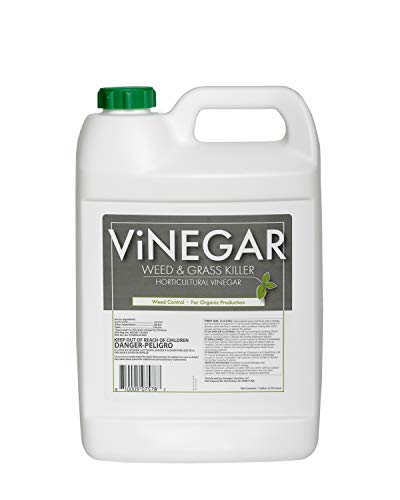
Vinegar Weed & Grass Killer is a quick-acting, non-selective contact herbicide. Use on crabgrass, clover, dandelions, and ground ivy.
Environmental Risks of Epsom Salt Weed Killer and Soil Health
Any amount of Epsom‑salt spray that raises soil salinity can disrupt the delicate balance of microorganisms essential for nutrient cycling. You’ll see reduced bacterial and fungal diversity, which hampers nutrient turnover and weakens plant health. Repeated applications cause magnesium sulfate buildup, impairing phosphorus uptake and killing earthworms and insects that sustain the soil ecosystem disruption. Salinity persists, turning once‑productive beds into near‑sterile zones and forcing you to apply more product to achieve any weed control. Leaching leads to toxic runoff impacts, contaminating nearby water sources and harming aquatic organisms. The combined effect is a cascade of biodiversity loss, diminished soil structure, and long‑term fertility decline. Acetic acid’s limited effectiveness as a herbicide further illustrates why alternative methods are preferable. Incorporating mulch barriers can suppress weeds while preserving soil moisture and microbial health.
Safer DIY Alternatives to Epsom Salt Weed Killer
Raising soil salinity with Epsom‑salt spray harms microbes, reduces fertility, and creates runoff risks, so many gardeners turn to safer, non‑saline options. You can replace Epsom salt with targeted application techniques that use natural drying agents such as vinegar and boiling water. Acetic acid in white vinegar destroys plant cells on contact; applying it on a sunny afternoon when weeds are dry maximizes absorption. Guarantee complete coverage—spray until the entire weed is soaked—and wait a full day for visible death. Boiling water provides an instant, heat‑based kill without residues; a simple kettle and a sturdy sprayer deliver consistent results. Both methods are inexpensive, require only household items, and avoid the long‑term soil damage associated with saline treatments. The vinegar solution also includes a small amount of Dawn detergent to improve leaf adhesion. For stronger weeds, a higher‑strength acetic acid concentration can be more effective.

✅ All Natural and Safe Product- Safe for your family, safe for your pets.
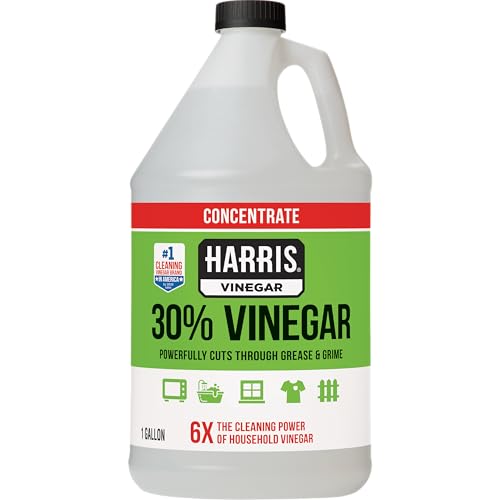
Powerfully cuts through grease & grime for an easily customizable, whole-home clean.

VERSATILE PANTRY STAPLE: Perfect for cooking, pickling, marinating, and enhancing your favorite recipes with a crisp, tangy flavor.