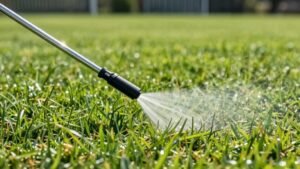

Yes, a weed killer can damage your roses, tomatoes, or lawn if you use a non‑selective herbicide like glyphosate or spray it without proper targeting. First, check the label for “target plants” and active ingredients—triclopyr, 2,4‑D, and dicamba indicate selectivity, while glyphosate is non‑selective. Apply pre‑emergents when soil temps hit 50‑55 °F in spring or 70 °F in fall, and use post‑emergents only on visible weeds. Spot‑treat with a cardboard shield, cut a small opening, and spray on calm days under 5 mph wind. Follow these steps, and you’ll avoid accidental injury while learning how to protect your garden even more.
Why You Should Never Let a Weed Killer Kill Your Good Plants?
Why risk losing a prized rose bush or a thriving vegetable patch? If you spray a non‑selective herbicide, any green tissue you touch suffers collateral plant damage. Even a few droplets on a flower or clover can cause necrosis because the chemicals act on all contacted cells, not just weeds. Seasonal weed patterns dictate when weeds emerge, but they also overlap with growth phases of your desirable plants, increasing the chance of accidental exposure. Windy days amplify spray drift, delivering herbicide to unintended targets. Use calm‑weather windows, shield the area with plastic containers, and apply only to the ground cover between rows. Precise targeting preserves turfgrass, crops, and ornamental beds while preventing resistance buildup and environmental runoff. Mulching can also suppress weed germination and reduce the need for chemical applications. Boiling water can be an effective, non‑chemical alternative for spot‑treating weeds, especially when combined with organic mulch to retain soil moisture. Vinegar can cause visible wilting within 30 minutes under optimal conditions.

BROAD-SPECTRUM WEED ACTION: Fusilade herbicide weed killer targets perennial and annual grass weeds in various settings. Safe for landscapes, nurseries, and sports fields, it controls weeds without harming ornamentals, ensuring a clean appearance
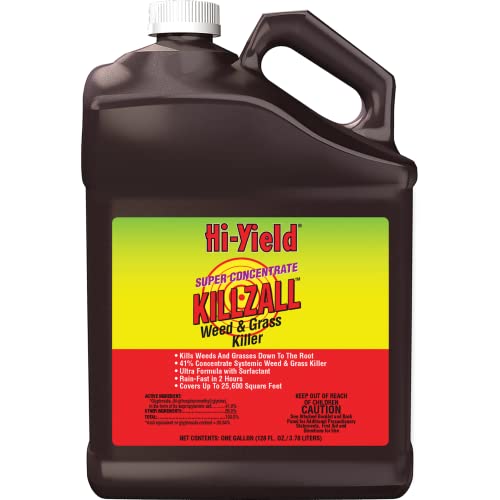
Weed killer controls grasses, broadleaf weeds and woody brush species. Do not use on lawns.

Ortho 0438580 Grass B Gon Garden Grass Killer Ready-to-Use, 24-Ounce
How to Identify Selective vs. Non‑Selective Weed Killers
Avoiding accidental damage to prized plants hinges on knowing whether a herbicide is selective or non‑selective. First, read the label; herbicide selectivity is listed under “target plants” and “crop use.” Selective products name specific weeds—broadleaf, grass, or dicot—while non‑selective ones state “all vegetation” or list glyphosate. Check active ingredients: Triclopyr, 2,4‑D, Dicamba, Sulfentrazone signal selectivity; glyphosate indicates non‑selectivity. Verify the mode of action (systemic vs. contact) and the recommended dosage, as overdosing can overwhelm selectivity. Conduct a pre‑application testing on a small, inconspicuous area of the desired plant to confirm no injury before full coverage. This systematic label review and spot test prevent unintended loss. Consider the environmental impact of the herbicide, choosing products with low toxicity to beneficial insects and soil microbes. Understanding the herbicide degradation rate helps you plan re‑entry intervals and protect nearby flora. The speed at which a systemic herbicide works is influenced by its absorption rate and the plant’s physiological stage.
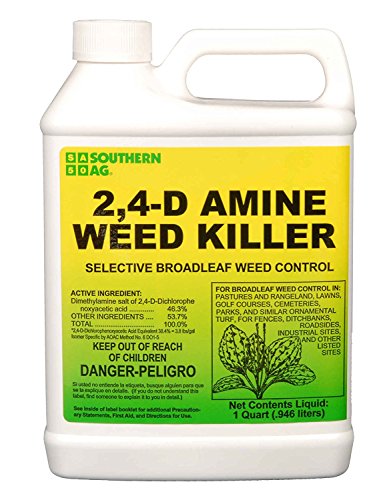
Low, economical use rate of 1 to 4 pints per acre
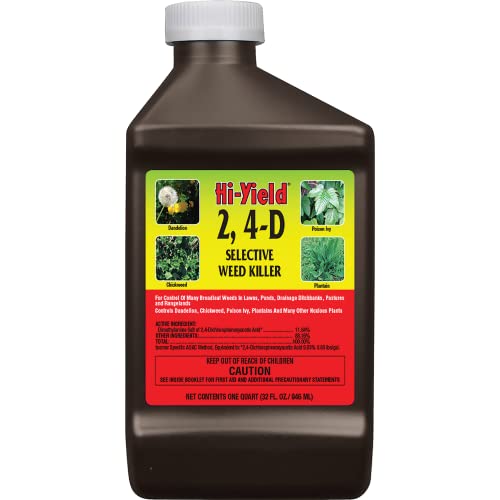
This selective weed killer kills or controls many Broadleaf Weeds and plants susceptible to 2, 4-D.
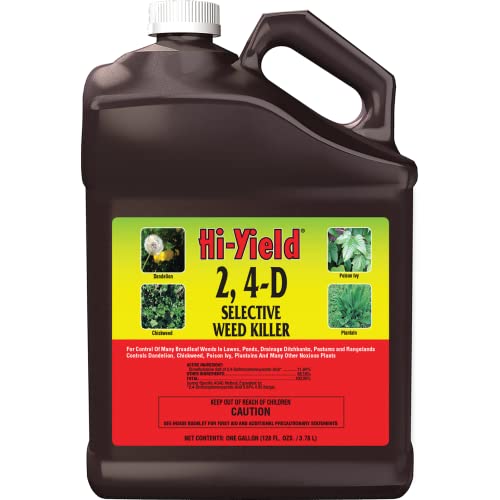
This selective weed killer kills or controls many Broadleaf Weeds and plants susceptible to 2, 4-D.
When to Apply Pre‑Emergent vs. Post‑Emergent Weed Killers
When should you use a pre‑emergent versus a post‑emergent herbicide? You apply a pre‑emergent when soil temperature reaches 50‑55 °F in spring or drops to 70 °F in fall, before target weeds germinate. This timing maximizes pre emergent effectiveness against summer annuals like crabgrass and winter annuals such as Poa annua. Use a post‑emergent only after weeds have emerged; it attacks visible foliage but suffers post emergent limitations—reduced control on deep‑rooted or early‑season seedlings and higher risk of damaging nearby crops. Monitor soil temperature with a thermometer, clear debris, and water lightly after application to activate the product. For summer weeds, treat late February‑March; for cool‑season weeds, treat early September‑November. Adjust dates regionally, using local climate data to fine‑tune each application. Pre‑emergent creates a barrier in the soil to block weed seeds from sprouting. Pre‑emergent herbicides work by inhibiting cell division in germinating seeds. Applying a pre‑emergent at the optimal soil temperature window ensures the most effective weed barrier.

Designed to prevent weeds; will not aid in eliminating existing weeds. Prevents grassy and broadleaf weeds, including crabgrass, poa annua, goosegrass, henbit, and more.

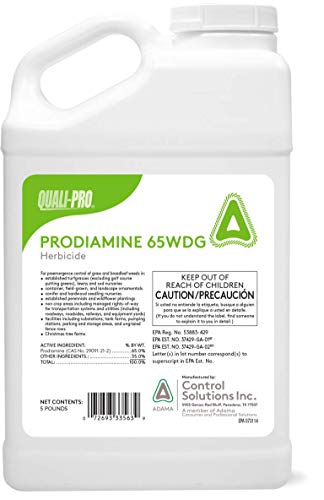
PRE-EMERGENT HERBICIDE: Quali-Pro's Prodiamine 65 WDG provides pre-emergent grass and broadleaf weed control. Flexible application allows for both spring and fall use providing season long crabgrass control. Available in a 5 pound bottle.
Spot‑Treat Weed Killers Safely: Shielding Desired Plants
When you need to eliminate a stray weed without harming nearby plants, a precise spot‑treatment combined with a physical barrier is the safest approach. First, shield the target area with a piece of cardboard or a cut‑out plastic sheet, anchoring it with a U‑shaped pin. Cut a small opening, pull the weed through, and spray the leaf surface directly using a brush‑tip sprayer or foam dispenser. Apply on a calm, sunny day above 60 °F; wind under 5 mph prevents drift. Immediately remove the barrier once the herbicide dries to avoid prolonged exposure. This method limits chemical contact, thereby preserving soil health and promoting biodiversity by protecting non‑target vegetation. Understanding herbicide selectivity helps ensure that only the unwanted plants are affected. The persistence of a herbicide in soil is influenced by chemical stability, which varies among active ingredients.

Includes elbow nozzle assembly and a variety of standard nozzles for versatile spraying options.

Multiple spray pattern nozzle

Poly adjustable nozzle (181822), poly cap nut (181804), Viton flat seal (181812), low volume foaming nozzle assembly (180266), high volume foaming nozzle (182187)
Pick the Right Herbicide for Lawns, Gardens, or Landscapes
Choosing the right herbicide starts with matching the product’s mode of action to the target weeds and the environment—whether it’s a lawn, garden, or landscape bed. For lawns, pre‑emergent options like pendimethalin, prodiamine, or dithiopyr work well when you apply them before germination, while post‑emergent glyphosate or halosulfuron target established broadleaf weeds after the turf has produced several tillers. In garden beds, granular blends such as Freehand (dimethenamid + pendimethalin) or Crew (isoxaben + dithiopyr) provide broad‑spectrum control, but you must confirm ornamental tolerance. Landscape beds benefit from granular pendimethalin or sprayable prodiamine, both safe on most flower beds. Choosing spray vs. granular herbicides hinges on coverage uniformity and equipment; spray offers quick, even distribution, whereas granular guarantees soil‑bound persistence. Properly timing herbicide applications—early spring for pre‑emergents, mid‑season for post‑emergents—maximizes efficacy and minimizes damage to desirable plants. Expired herbicides may lose potency and pose safety risks if used beyond their shelf life. Lawn tractors provide the speed and maneuverability needed for large open areas, making them ideal for applying pre‑emergent herbicides efficiently. The active ingredient in many pre‑emergent products, such as pendimethalin, works by inhibiting root growth in germinating seeds.

Designed to prevent weeds; will not aid in eliminating existing weeds. Prevents grassy and broadleaf weeds, including crabgrass, poa annua, goosegrass, henbit, and more.
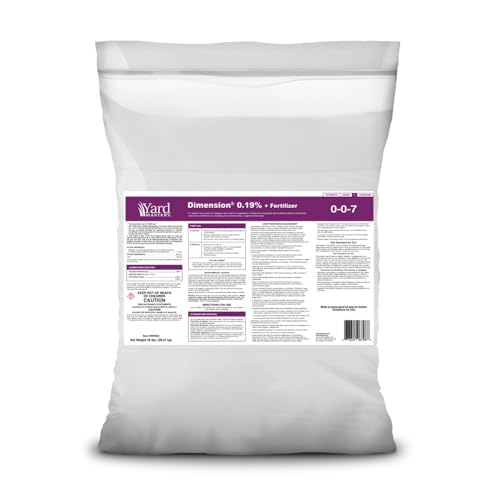
Prevents crabgrass and broadleaf weeds before they appear with Dithiopyr

One application prevents crabgrass all season long
Rescue a Plant After Accidental Weed Killer Spray
After selecting the appropriate herbicide, you may still face accidental spray drift that damages nearby plants. First, assess symptoms—yellowing, browning, or fern‑like curl—to confirm herbicide exposure. Prune all abnormal, dead, or brown growth to stop translocation; early removal of contact‑herbicide‑affected leaves boosts the chance of normal shoot development. Next, implement soil remediation measures: water the root zone thoroughly but avoid water‑logging, using hand‑watering to flush residues, especially in sandy soils. Apply a mild organic remedy (1–4 Tbsp per gallon) as a foliar spray or soil drench, repeating weekly for three weeks. Support recovery with mulch, balanced fertilization, and vigilant monitoring for disease. These plant recovery strategies maximize survival and encourage healthy regrowth within a month. The plants showed significant leaf improvement after using a humic‑acid‑based stimulant. Boiling water can serve as a chemical‑free weed control method for surrounding areas. Solarization can also be employed to reduce residual herbicide activity in the soil. Hydrogen peroxide works as an organic herbicide when applied at the proper dilution.
Best Practices to Reduce Environmental Impact of Weed Killers
One effective way to curb the environmental footprint of herbicides is to integrate multiple stewardship tactics—crop diversification, no‑till practices, precision application, and protective buffers—into a cohesive management plan. You’ll boost integrated pest management by rotating crops, intercropping, and planting allelopathic cover species such as rye or clover, which naturally suppress weeds and cut herbicide reliance. Adopt no‑till or reduced‑till to preserve soil structure, using organic mulches and stale‑seedbed techniques to deplete the seed bank. Deploy GPS‑guided sprayers or weed‑detecting drones for precision application, selecting spot treatments, larger droplets, and lower nozzle pressure to limit drift. Finally, install buffer strips, store chemicals off‑ground, and consider activated carbon for runoff treatment, ensuring sustainable weed prevention while protecting adjacent ecosystems. Compact mower models also reduce fuel consumption and emissions when maintaining small lawns. Proper disposal of old lawn mower batteries at a metal scrap facility prevents hazardous waste from entering landfills. Always keep the original container tightly sealed and store it in a cool, dry location to prevent accidental spills.