
You need soil at 55‑68 °F for cool‑season grasses and 65‑70 °F for warm‑season varieties to trigger germination, so check the temperature at a 2‑inch depth each morning with a calibrated probe and keep it steady using light mulches or straw covers. Maintain light, frequent watering—about a quarter to half an inch daily—to preserve moisture without cooling the soil. Guarantee good drainage and a thin layer of peat or compost for insulation. Follow these steps, and you’ll uncover deeper tactics for ideal seed growth.
Why Soil Temperature Is Critical for Grass Seed Germination
Because soil temperature directly controls the biochemical reactions that trigger germination, it’s the single most critical factor for successful grass seed establishment. You must keep the root zone above 55 °F to sustain steady enzymatic activity; any dip below 50 °F leaves seeds dormant or causes rot. Ideal soil composition—balanced sand, silt, and organic matter—provides the thermal mass and drainage needed for rapid warming. When you employ alternative insulation methods such as reflective mulches or straw covers, you reduce heat loss during night cycles and buffer against frost, allowing the soil to reach the 50‑65 °F optimal window more promptly. These practices also limit excess water in pores, which otherwise insulates and slows temperature rise, compromising germination speed and uniformity. Coastal soils often stay cooler longer because the nearby ocean acts as a massive heat sink. Consistent light watering helps maintain moisture without oversaturating the soil, supporting the temperature balance needed for germination.
How to Measure Soil Temperature at 2‑Inch Depth for Grass Seed
How do you confirm the soil at a 2‑inch depth is within the ideal germination range? First, perform thermometer calibration against a known reference to guarantee ±0.5 °C accuracy. Choose a probe—stainless‑steel 10K thermistor or thermocouple—then insert it vertically to the 2‑inch mark, holding it for 60 seconds to let the reading stabilize. Conduct measurements between 6 a.m. and 8 a.m. for the coolest daily average, and repeat at the same time for three consecutive days to achieve measurement consistency. Sample at least three locations across the lawn, recording each value. Average the three readings; if the result falls within the target germination window, you’re ready to sow. Proper seed depth is crucial for optimal germination and healthy lawn development. Checking seed viability before planting ensures that only vigorous seeds are used, maximizing successful establishment.
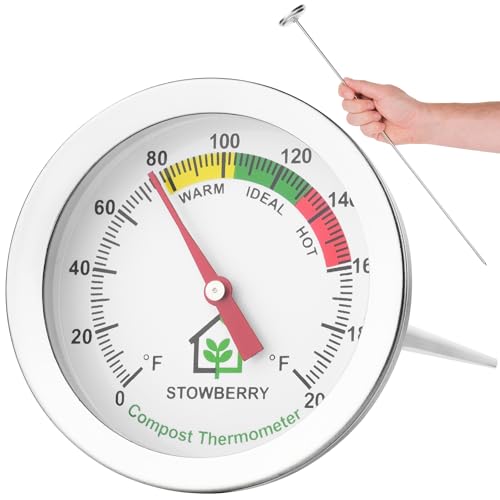
COMPOST THERMOMETER FOR ACCURATE TEMPERATURE MONITORING: Easily track compost temperature levels with this 20 Inch stainless steel probe that reaches deep into piles for precise core readings
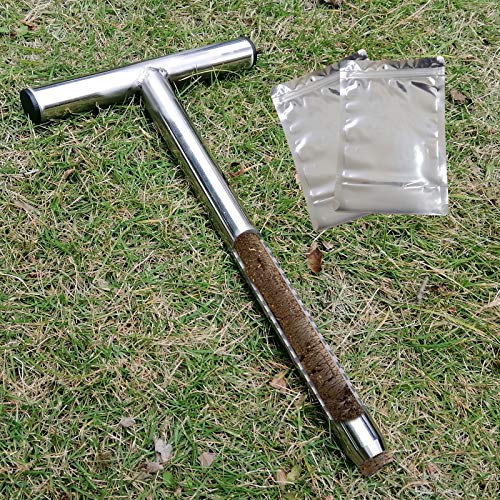
STAINLESS STEEL MATERIAL: Made with the exceptional workmanship and stainless steel materials, our soil probes are finely machined for smooth, easy sampling, and long-lasting durability

Reliable and Rugged - For a variety of uses: A/C testing, dark room, food inspection, science class, laboratory and thousands of other uses.
Cool‑Season Grass Temperature Ranges for Successful Germination
When you target cool‑season grasses, keep soil temperature between 50 °F and 68 °F (10 °C–20 °C) to achieve germination rates above 70 %. Daytime air of 60‑75 °F typically yields the required soil range; alternating 16‑hour low and 8‑hour high cycles further boost uptake. Apply seed coating strategies that retain moisture and moderate temperature fluctuations, especially when using cool season grass mixes containing Kentucky bluegrass, tall fescue, or red fescue. Monitor soil daily; guarantee it never drops below 50 °F, as dormancy follows. Aim for 59‑68 °F for perennial ryegrass and creeping bentgrass, and 60‑65 °F for tall fescue root development. Maintaining these precise thermal windows maximizes germination while supporting early leaf growth. The primary root system develops early during germination, drawing nutrients from the seed’s endosperm. Proper soil pH adjustment ensures nutrient availability during this critical phase. Seed viability can be preserved for several weeks without water if stored in a cool, dry environment. Selecting the appropriate seed depth based on soil type further enhances moisture contact and root penetration.

This pack of lawn seeds is ideal for new lawns, overseeding and lawn repair

HIGH TRAFFIC GRASS SEED - It's great for backyards, sports fields, curb strips, or anywhere aggressive foot traffic from athletes, children, and pets occurs. Our cool-season grass seed mix contains tall fescues and perennial rye turfgrass varieties.
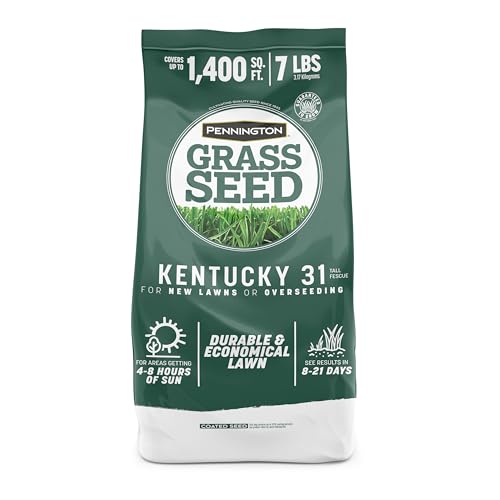
A grass seed for lawns that grows thick blades of grass that stand up to hot summers and heavy rains
Warm‑Season Grass Temperature Ranges for Successful Germination
Aim for soil temperatures of 65‑70 °F (18‑21 °C) to kick‑start germination of warm‑season grasses such as bermudagrass, zoysiagrass, centipedegrass, and bahiagrass. You should seed when the soil reaches this range, typically in late spring through mid‑summer, which aligns with proper planting times for each species. Maintain daytime air temperatures at 80 °F or higher to sustain metabolic activity; bermudagrass and bahiagrass tolerate up to 90 °F, while zoysiagrass prefers around 80 °F. Centipedegrass requires a minimum of 70 °F in the soil. Expect germination within 7‑30 days, depending on species and temperature stability. Monitor moisture closely and meet irrigation requirements by keeping the seed zone consistently moist but not saturated, avoiding drought stress while the roots establish. Choose a variety that matches your region’s climate compatibility for optimal growth. The seed typically begins to sprout within 7‑14 days under optimal warm temperatures and adequate moisture. Properly loosen the existing lawn’s that before seeding to improve seed‑to‑soil contact and water infiltration.

HEAT TOLERANT GRASS SEED - Our cool-season grass seed mix contains tall fescue and Texas bluegrass. This turfgrass mix performs best in full sun to lightly shaded growing conditions and has the ability to tolerate heat up to 100°F.

LAWN BARE SPOT REPAIR: Scotts PatchMaster Lawn Repair Mix Sun + Shade Mix is a combination mulch, seed, and lawn fertilizer product specifically designed to provide all-in-one bare spot repair and grass patch repair for lawns

PREMIUM GRASS SEED BLEND: Expertly formulated with perennial ryegrass, fine fescue, and Kentucky bluegrass for a fast-growing, dense, sun and shade lawn. Great for climates in central and northern regions. Lush Green Grass in Weeks!
Quick Tips to Keep Soil Moisture & Temperature Right During Grass Seed Germination
A few simple steps can keep soil moisture and temperature within the narrow bands that grass seed needs to germinate efficiently. First, prepare a firm, weed‑free seedbed and incorporate a 2‑inch layer of peat moss or compost to improve permeability. Then, apply soil moisture management by watering lightly—quarter to half‑inch per day—using overhead watering techniques that deliver fine droplets. Check the surface every morning; it should feel moist, not soggy. On hot or windy days, increase frequency to two or three light sprinklings. Avoid pooling by grading the area away from structures and aerating the soil before seeding. Monitor weather forecasts and adjust watering to maintain consistent dampness until sprouts emerge. Cover the seeded area with a thin layer of ¼‑½ inch peat moss to protect moisture and promote germination. Properly seed aeration before sowing helps improve root penetration and reduces compaction. Incorporating core aeration before seeding can further alleviate soil compaction and enhance root development.