
If you see white or bluish smoke, oil’s getting into the combustion chamber—check worn piston rings, seals, or a blocked crankcase vent, and drain excess oil to the proper 16‑20 oz level. Black smoke means the engine is running rich; clean or replace the air filter, inspect the carburetor jets and float, and make sure the choke isn’t stuck. Avoid tipping the mower, keep it level, and verify the breather tube isn’t clogged. Follow the checklist for quick diagnosis, and the next section shows deeper fixes.
What Causes White or Bluish Mower Smoke?
One common cause of white or bluish smoke is worn piston rings, which let oil seep into the combustion chamber and burn alongside fuel. You’ll also notice the problem when worn piston seals let oil bypass the rings, creating the same vapor. Crankcase ventilation issues amplify the effect: a blocked breather tube or faulty crankcase ventilation builds pressure, forcing oil into the intake and producing blue‑white exhaust. Inspect the rings and seals for scoring or gaps, and verify the vent tube is clear of debris. If you detect oil in the spark‑plug fouling or a milky residue on the cylinder walls, replace the rings and seals, then clean the ventilation pathway. This restores proper combustion and eliminates the smoke. Clogged air filter can also cause excessive fuel delivery, contributing to the blue‑white exhaust. Improper storage temperature can accelerate electrolyte loss, reducing the battery’s ability to start the mower and potentially leading to incomplete combustion that produces smoke. Regular oil changes according to maintenance schedule help prevent oil buildup that can cause smoking. Properly engaging the primer bulb before starting ensures fuel reaches the carburetor efficiently.
Fix Smoke From Overfilled or Leaking Oil
When you overfill or leak oil, the excess fluid makes its way into the combustion chamber and burns, producing thick white or blue smoke that lingers until the surplus is burned off. First, disconnect the spark‑plug wire and remove the plug. Tip the mower on its side, not the front, and drain oil into a pan until the dipstick shows the correct level; an improper dipstick reading often signals a faulty oil change. Pull the starter rope with the plug out to expel residual oil from the cylinder, then wipe and reinstall a clean plug. Inspect the air filter for oil saturation and replace if needed. Finally, check crankcase gaskets and seals for leaks, clean any residue, and verify the oil level before restarting. The mower’s recommended oil capacity is only 16‑20 ounces, so exceeding this can cause the smoke issue. Most residential mowers typically require between 0.5 and 1 quart of oil, so be mindful of the capacity to avoid over‑filling. Proper oil level should be confirmed after each use to prevent buildup.

[STAIN-FREE MAINTENANCE] Stop oil spills on your mower deck. The 14.98 inch total length** (with11.12 inch flexible hose) extends past the frame, allowing you to drain oil directly into a pan without the mess.
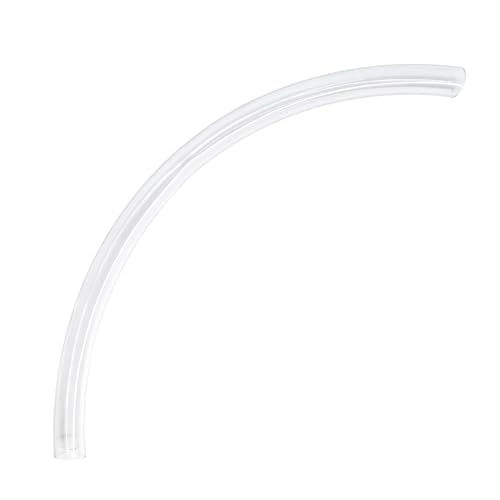
**Exact OEM Replacement, Secure Leak-Proof Fit** Direct replacement for OEM part # 532148456 and 148456, 1:1 precision manufacturing ensures a tight, secure connection without any modification. This oil drain tube eliminates oil leaks and messy spills during oil changes, protecting your mower engine and lawn from oil damage.

5401 Oil Drain Valve Contains Hose and Cap. 1/4 Turn Oil Drain and Hose, Thread Pitch - 3/8 x 18 NPTF
Fix Black Mower Smoke From Clogged Filter or Carburetor
A clogged air filter or carburetor starves the engine of air, forcing a rich fuel mixture that burns incompletely and produces thick black smoke. First, locate the filter housing, remove the cover, and inspect for grass, dirt, or oil. If it’s a foam filter, wash it with soap, dry it completely, lightly oil it, and reinstall with proper air filter installation. Replace paper filters outright; never clean them. Next, examine the carburetor jets and float. Spray carburetor cleaner into each jet, clear debris, and verify the needle valve moves freely. If the float sticks or the valve is worn, use a rebuild kit. These steps restore the correct air‑fuel ratio, eliminating black smoke and reducing excessive fuel consumption. Additionally, a stuck choke can also create a rich mixture that leads to continuous black smoke. Properly dry the filter before reassembly prevents moisture‑related clogs. Regularly inspect the deck for buildup to ensure optimal airflow and prevent future smoking. Maintaining proper oil level is also critical for engine health and can help prevent smoking issues.

Compatible with B-S: Model # 491588S 491588 4915885 399959 push lawn mower air filter, part # 4101 5043 5043A 5043D 5043H 5043K. Fit 3.5-6.5 hp quantum engines, 625e 675ex 725ex 625-675 series element

Toro Recycler 22 Air Filter 20332 20333 20334 20339 20340

Generic Model Air Filter: Compatible with bs 4915885 399959 lawn mower, bs-4101 5043 5043a 5043d 5043h 5043k. Fit 3.5-6.75 hp quantum small engine, 625 675 725 625-675e/ex series element
Prevent Mower Smoke by Avoiding Tipping or Improper Operation
After clearing a clogged filter or carburetor, the next common source of smoke is oil displacement caused by tipping the mower. When you tip the mower on its side, oil can leak past piston rings, coat pistons and valves, and enter the muffler, producing white or blue smoke that burns off after several minutes. To prevent this, follow proper storage procedures: keep the mower upright, with the piston at top dead center, and avoid side positioning. If you need under‑carriage access, push the mower backward instead of tipping, and limit any brief tilt toward the exhaust side. Regular maintenance—air‑filter cleaning, carburetor service, and correct oil levels—reduces oil displacement risks and eliminates smoke caused by improper operation. Professional diagnosis is recommended if smoke persists after these steps. Also, consider fuel draining before storage to avoid carburetor gumming. Always work in a well‑ventilated area and use a proper container when collecting gasoline to prevent spills and fire hazards.
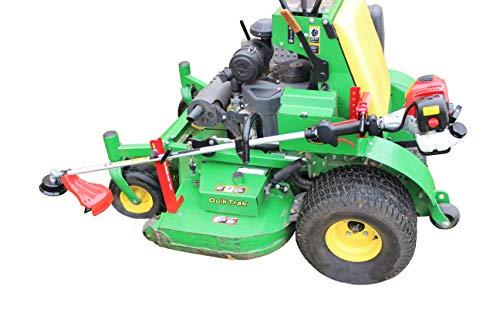
Heavy-Duty Steel Construction – Built from tough, high-quality steel, the Jungle Jim’s Mower Trimmer Rack is engineered to withstand daily use by professional landscapers and lawn care crews. Durable enough for rough conditions, heavy loads, and long days on the job.

STORAGE CAPACITY: Heavy-duty rack system can hold up to 3 lawn mowers simultaneously with a total weight capacity of 330 pounds

Custom-Engineered for Power Heads: Precisely tailored to fit the handle guard structure of power heads, providing a secure support point that firmly anchors the tool to the wall, preventing wobbling or slipping
Mower Smoke Checklist: Quick Diagnosis of the Source
Ever wonder why your mower suddenly belches smoke? Follow this checklist to pinpoint the source quickly. First, perform oil leaks detection: inspect the crankcase, breather gasket, and oil level. An overfilled crankcase or tipped mower will spill oil into the combustion chamber, producing white‑blue smoke and oil in the air filter. Next, conduct engine exhaust analysis: observe smoke color. White‑blue indicates oil burn; black points to a rich fuel‑air mixture from a dirty air filter or carburetor issue. Verify the dipstick reads the correct capacity and confirm the correct oil grade. Check the breather tube for obstructions and guarantee the mower is level, keeping the spark plug and muffler upward. These steps isolate the problem before deeper repairs. Gather tools and supplies before beginning the oil change. Remember to park on a level surface before you start any maintenance.
Mower Maintenance Tips to Keep Smoke Away
When you keep oil, air filter, spark plug, fuel, and storage in check, smoke rarely appears. Maintain proper oil viscosity by consulting the manual and checking level before each run; top up if needed and change oil every 25‑50 hours or annually. Perform regular filter changes—clean or replace the air filter each season, using the recommended foam or paper type, and wash with mild soap. Inspect spark plugs during routine tune‑ups; clean with a wire brush and baking soda or replace worn units, and set the gap to spec. Use fresh, correct‑grade fuel and zinc‑rich oil for flat‑tab cams, draining fuel after 30 days of storage. Store the mower dry and cool, and schedule annual inspections of belts, blades, exhaust ports, and fuel lines to catch wear before it causes smoke. Remember that small engine oil has a different additive package than automotive oil, which helps prevent sludge buildup in high‑rpm mower engines. For optimal performance, follow the blade height guidelines recommended in the beginner’s lawn care guide.

Durable Construction: Designed to withstand tough outdoor environments, ensuring reliable performance.
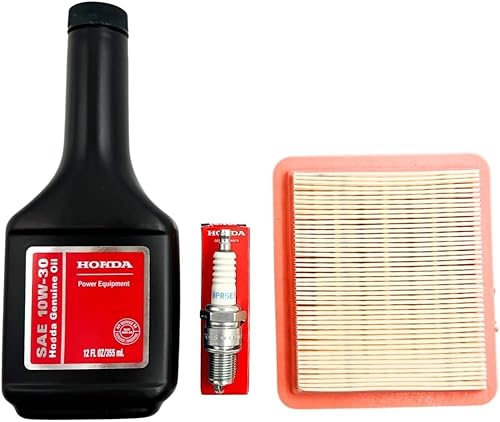
KIT INCLUDES: Genuine Honda 17211-Z8B-901 air filter, 98079-55846 Spark Plug, and 08213-10W30 12oz bottle of Honda 10W-30 Motor Oil