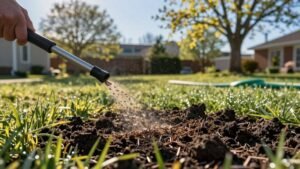

In early spring, when soil temps hit 55 °F, spread 0.75–1 lb N per 1,000 sq ft of a 32‑0‑6 slow‑release fertilizer in mid‑late April, then repeat a week later if growth shows. Late spring, apply a 25‑0‑5 blend with 50 % slow‑release nitrogen—0.75–1 lb N for cool‑season, 0.5–1 lb for warm‑season—keeping total N under 1.5 lb/1,000 sq ft. Summer, start early June with a calibrated spreader, using at least 40 % water‑insoluble N and a 7‑0‑20 or 5‑0‑15 mix for cool‑season, or a 24‑0‑6/20‑0‑2 for warm‑season, re‑applying every 30–45 days. Fall, give cool‑season grass 1 lb N/1,000 sq ft of a high‑nitrogen, slow‑release product in early September, repeat every four weeks until frost, and finish with a modest phosphorus blend. If you keep going, you’ll ascertain the exact timing and ratios for each grass type.
Early Spring Lawn Fertilization Schedule – When & How to Feed
When spring temperatures finally rise above 50 °F, you should start your lawn’s fertilization schedule in mid‑to‑late April, applying a 0.75–1 lb N per 1,000 sq ft dose of a 32‑0‑6 slow‑release, fast‑acting formula. Measure the area, set the bag to the half‑rate setting, and spread the granules in a strict grid pattern, ensuring each square foot receives the same amount. This timing triggers nutrient mobilization while the grass awakens, but avoid exceeding 1 lb N per 1,000 sq ft for fine fescues to protect carbohydrate reserves. Apply the second half of the dose a week later if growth is evident, using the same precise coverage. Record the date and rate; consistency prevents over‑fertilization and supports balanced root and shoot development. Proper fertilization also promotes deep roots that help the lawn withstand heat and drought. Conduct a soil test before the first application to verify pH and nutrient levels. Using the right nutrient balance ensures the turf receives essential nitrogen, phosphorus, and potassium for optimal health. Follow local fertilizer timing guidelines to align applications with Ohio’s climate patterns.

This spring lawn fertilizer is one application and done for a season

You don’t have to worry about streaks, stripes, or accidentally burning your lawn when you use Milorganite fertilizer!
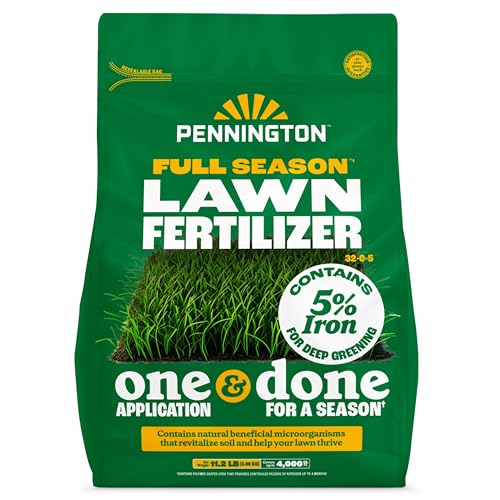
This spring lawn fertilizer is one application and done for a season
Soil Temperature & Moisture Checks – Science Behind Timing
How do you know the exact moment to feed your lawn? You check soil temperature and moisture with surgical precision. Insert a thermometer 1–3 inches deep each morning; the lowest reading tells you if the soil is above the 55 °F threshold needed for root nutrient uptake. For pre‑emergent herbicides, aim for 50–55 °F at the same depth. Use moisture sensors or conduct soil testing to confirm the medium is damp, not dry, because wet soil enhances nutrient absorption while dry soil risks burn. Record a sustained 55 °F for at least two days before applying fertilizer, and verify that moisture stays within the desirable range. This data‑driven routine prevents waste, avoids weed spikes, and aligns turf growth with environmental cues. Soil temperature is the true driver of success for core lawn care services. Adjusting sprinkler run times based on soil moisture can further optimize water use and promote deeper root development.
Late Spring Lawn Fertilization Schedule – Boost Growth Before Heat
If you want your lawn to hit its growth peak before the summer heat, schedule the late‑spring fertilization for late May to early June, targeting soil temperatures in the mid‑50 °F range and daytime highs in the 60s. Apply a 25‑0‑5 formula with 50 % slow‑release nitrogen, delivering 0.75–1 lb nitrogen per 1,000 sq ft for cool‑season grasses and 0.5–1 lb for warm‑season varieties. Keep total nitrogen from now through May under 1.5 lb/1,000 sq ft for Kentucky bluegrass and tall fescue. Use proper nutrient ratios to balance top growth and root development, and avoid delayed greening risks by waiting until 50‑75 % green‑up before spreading. Do not fertilize dormant or partially greened turf; verify soil temperature exceeds 65 °F for ideal uptake. Milorganite can be applied at the same time for an additional slow‑release nutrient boost. Applying soil testing before fertilization helps tailor nutrient applications to your lawn’s specific needs. Proper seedling establishment ensures a dense, resilient turf that maximizes fertilizer efficiency. Following the recommended timing helps prevent over‑fertilization and promotes a healthier lawn.
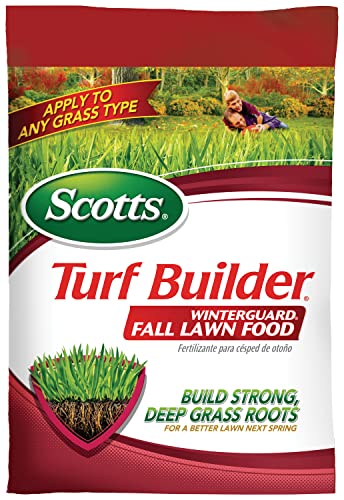
FALL LAWN FERTILIZER: Scotts Turf Builder WinterGuard Fall Lawn Food is a fertilizer that builds strong, deep grass roots for a better lawn next spring
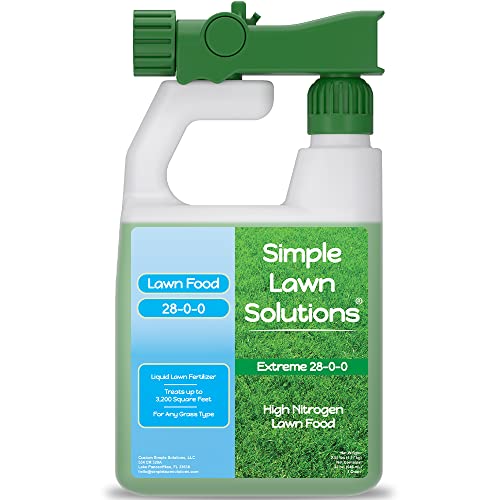
Easy to Use: Our 28-0-0 Lawn Fertilizer Food comes with an attached sprayer that applies the perfect ratio of product for lawn applications. Covers up to 3,200 square feet, when using the attached sprayer
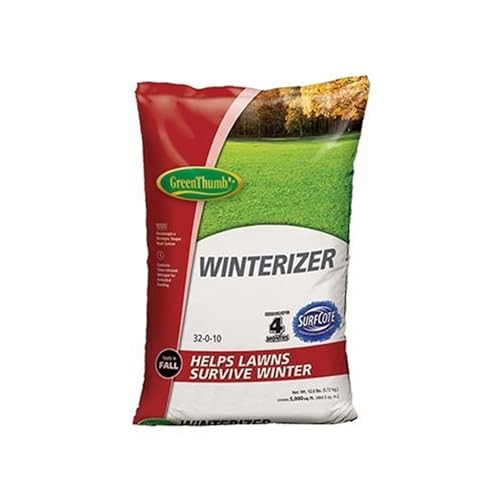
Helps your lawns to survive the winter stress
Summer Lawn Fertilization Schedule – Low‑Nitrogen Strategies to Avoid Burn
You’ll want to schedule summer fertilization with low‑nitrogen, slow‑release products to keep the lawn green without burning it. Start early June, using a calibrated spreader to apply granules evenly; aim for at least 40 % water‑insoluble nitrogen and a 7‑0‑20 or 5‑0‑15 blend for cool‑season grass. Prioritize potassium and magnesium to aid heat stress management, keeping nitrogen modest. For warm‑season turf, choose a 24‑0‑6 or 20‑0‑2 formula and repeat every 30–45 days, but never exceed a 6‑week interval without a soil test. Skip applications during extreme heat waves, and water thoroughly after each pass. Maintain mowing at 3–3.5 inches, sharp blades, and avoid fertilizing immediately after mowing to guarantee uniform distribution. Use a slow‑release fertilizer to minimize burn risk. Regular maintenance of your mower can also help ensure even fertilizer application. Proper storage in a cool, dry place can extend the product’s shelf life. Adjust watering frequency based on soil moisture levels to prevent over‑watering during hot periods.
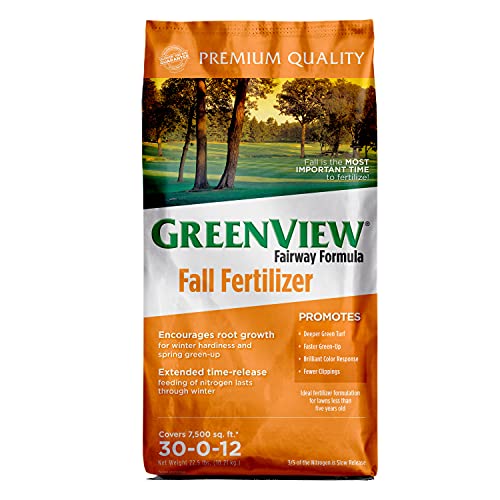
For Lawns: This grass fertilizer for lawns encourages deep root growth, brilliant lawn color, and thick lush growth

COVERAGE AREA: Treats up to 6,400 square feet of lawn with controlled-release nitrogen formula for consistent feeding and greening

🌿 Balanced 10-10-10 Granular Fertilizer for Outdoor & Indoor Plants: All-purpose plant food with 10% Nitrogen, 10% Phosphorus, and 10% Potassium. Perfect for outdoor vegetable gardens, fruit trees, evergreens, shrubs, lawns, and flowers. Also great for potted plants and indoor gardening. One solution for all your plant needs!
Fall Feed for Cool‑Season Grass – Build Strong Roots
When August fades into September, start your fall feeding schedule for cool‑season grass by applying a high‑nitrogen, slow‑release fertilizer at 1 lb N per 1,000 sq ft, then repeat every 4 weeks until the first frost. Apply the first dose in early September, a second in early October, and a final one in early November if the frost date is late. Use a product with 25‑50 % slow‑release nitrogen and a modest phosphorus level to promote root development. Mow just before each application, leave clippings, then water lightly to activate the granules. This regimen builds enhanced nutrient storage and increased drought tolerance, ensuring dense, resilient turf that springs up greener and requires less mowing. Improved root growth results from the phosphorus content in the fertilizer. Proper soil testing helps verify pH levels before application. Observing leaf color changes can also signal when additional nutrients are needed.

🌿 Balanced 10-10-10 Granular Fertilizer for Outdoor & Indoor Plants: All-purpose plant food with 10% Nitrogen, 10% Phosphorus, and 10% Potassium. Perfect for outdoor vegetable gardens, fruit trees, evergreens, shrubs, lawns, and flowers. Also great for potted plants and indoor gardening. One solution for all your plant needs!

Formulated to give you a green turf with minimum effort in southern and cool season grasses.

WHAT CONTAINS: Greenway Biotech Nitroform 39-0-0 Fertilizer for lawns contains 3% Urea Nitrogen, 7.5% Other/Water Soluble Nitrogen, and 28.5% Water Insoluble Nitrogen. It Reduced Thatch Development in Turf Applications and Less Risk of Leaching
One‑Time Fall Feed to Recover Warm‑Season Grass
After the cool‑season lawn’s nitrogen boost, turn attention to warm‑season grass, which needs a single, low‑nitrogen, high‑potassium feeding to survive the approaching cold. Check soil temperature; when it reads 65‑75 °F in September, apply the feed. Use a potassium‑only fertilizer at a rate that meets the Potassium requirement for winter hardiness, avoiding excess nitrogen. Limit nitrogen application timing to no more than 0.25‑0.50 lb per 1,000 sq ft, preferably a slow‑release source like 10 lb Milorganite per 1,000 sq ft. Schedule the application at least six weeks before the first frost, typically mid‑late September, and keep mowing every 7‑10 days. This one‑time feed builds root strength, stores nutrients, and prepares the lawn for a rapid spring green‑up. Warm‑season grasses should be fertilized early in the fall to avoid delaying winter dormancy. Proper soil preparation, including soil aeration, enhances nutrient absorption and promotes healthier root development. Aeration timing is crucial for maximizing the benefits of the fall feed.
Selecting the Best Lawn Fertilizer for Each Season
Because each season presents distinct growth cycles and nutrient demands, you must match the fertilizer’s N‑P‑K profile, release type, and application rate to the grass’s physiological stage. In spring, choose a high‑nitrogen formula such as 32‑0‑6 slow‑release, or a balanced 3‑0‑2 ratio, applying early when the lawn greens. Summer calls for 25‑0‑5 with 50 % slow‑release, limiting nitrogen to 0.5 lb per 1,000 sq ft to avoid leaching, especially on warm‑season turf. Fall benefits from early‑season 25‑0‑5 or 32‑0‑6 slow‑release, then a winter 32‑0‑6 in November for cool‑season grasses. When you prefer organic fertilizer options, select products that meet the season‑specific nutrient ratios and provide a mix of water‑soluble and slow‑release nitrogen for steady uptake. Warm‑season grasses are actively growing from early spring to early fall, so fertilizing during this period helps protect against winter damage. Understanding the soil nutrient balance is crucial for selecting the right product. Apply fertilizer when soil temperature reaches 55 °F to ensure optimal root activity.

You don’t have to worry about streaks, stripes, or accidentally burning your lawn when you use Milorganite fertilizer!

You don’t have to worry about streaks, stripes, or accidentally burning your lawn when you use Milorganite fertilizer!

Ideal for lawns with nitrogen deficiencies
Avoid Common Timing Mistakes and How to Fix Them
A few simple timing errors—fertilizing too early in spring, during drought or heat, right before heavy rain, or far too often—can waste nutrients, burn grass, and harm the environment. First, wait until grass shows active growth before applying spring fertilizer; this avoids weak roots and nutrient imbalances. During drought recovery, only fertilize after you’ve irrigated the lawn enough to moisten the soil, and keep temperatures below 85 °F to prevent burn. Check the forecast and postpone applications if heavy rain is imminent; instead, aim for a light watering window within 24–48 hours. Finally, limit applications to 2–4 times per year, using slow‑release formulas, and never exceed label rates, which prevents over‑fertilization and the resulting nutrient imbalances. Avoid applying fertilizer to wet grass can prevent runoff and burning. Proper soil testing guides fertilizer selection and timing. Applying fertilizer when soil temperatures exceed 85 °F can cause nutrient burn and stress the grass. A longer waiting period after herbicide use ensures safe re‑entry and planting.