
You’re too late to mow once the sun sets and the grass stays wet overnight; the lingering moisture fuels fungi like brown patch, dollar spot, and Pythium blight, and the cool, dark conditions prevent the dew from evaporating. Mowing after 6 PM also stresses the blades, reducing recovery and making them more vulnerable to frost damage. Stick to an 8‑10 AM window when temperatures stay under 85 °F and the dew has dried, or you’ll risk disease. Continue for more details on seasonal timing and preventive steps.
When Is the Optimal Mowing Time for Each Season?
When should you start mowing each season? Begin in spring once soil reaches 45‑55 °F for cool‑season grasses or 60‑65 °F for warm‑season varieties, typically late March‑mid‑April up north and early‑mid‑March down south. Mow when blades hit 4 in, removing no more than one‑third. Apply lawn health monitoring to track growth; adjust mowing frequency to every 10‑14 days early spring, then weekly through late spring. In summer, raise mower height to shade soil, keep cool‑season grass at 3‑3.5 in (tall fescue/ryegrass up to 4 in) and warm‑season at 2‑2.5 in, mowing every 10‑14 days or longer if drought‑stressed. Fall demands seasonal mowing adjustments: cut cool‑season grass to 2.5 in before frost, warm‑season to 1.5‑2 in, and increase frequency to every 5‑7 days during growth bursts. Winter mowing is unnecessary unless unseasonal warmth triggers growth. Proper soil moisture levels are essential for maintaining turf resilience throughout these cycles. Avoid mowing during extreme heat spikes, as high temperatures can cause stress‑induced blade scorch. Understanding growth cycles helps schedule mowing for optimal lawn health.

Oregon Replacement Deck Leveling Gauge

Convertible Design: The removable wheeled deck allows quick transformation into a small lawn mower for versatile yard care

Multi-Function Convenience: Easily switch between mowing, trimming, and edging for three-in-one versatility with your string trimmer
How Do Temperature and Dew Point Dictate Safe Mowing Hours?
If the temperature stays below 85 °F and the dew has evaporated, you can mow safely; otherwise, heat stress and wet grass will damage both turf and equipment. Aim for the 8‑10 AM window when dew dries and temperatures remain under the 85 °F threshold. This period maximizes moisture management, prevents blade tearing, and avoids mower clogging. Skip mowing before 8 AM on dewy lawns, as wet blades clump and increase disease risk. Refrain from mowing during peak heat—10 AM to 2 PM—because elevated temps accelerate moisture loss, cause browning, and impair operator safety. If afternoon temperatures dip below 85 °F, the 4‑6 PM slot offers a secondary safe window, allowing grass to recover before dusk. Always disconnect the spark plug and store the mower under a waterproof cover to prevent electrical hazards and rust. Mowing on a saturated lawn can also increase the risk of soil compaction, which reduces root aeration and promotes disease development.
Why Does Mowing After 6 PM Increase Fungal Disease Risk?
Mowing after 6 PM leaves cut grass wet throughout the night, creating a perfect environment for fungal spores to germinate and spread. The evening dew and clippings trap humidity, causing extended moisture retention on blades. This damp canopy enables spore proliferation mechanisms: spores of brown patch, dollar spot, and Pythium blight germinate when temperature‑humidity indices exceed 150, especially in hot, humid regions like Northern VA. Nighttime lows around 60 °F combined with daytime highs of 90 °F sustain the moisture needed for germination. Unbagged clippings mulch in the damp environment, multiplying spores and distributing them across the lawn. Late cuts also stress grass in low light, reducing recovery and increasing vulnerability to infection. Seasonal temperature shifts reduce grass growth, making late mowing less necessary. Proper irrigation timing, such as watering early in the morning, helps the lawn dry before evening, lowering disease risk. Maintaining a balanced soil pH further discourages fungal development.

CURES & PREVENTS LAWN DISEASES: Fungus Control for Lawns controls and prevents listed lawn diseases when used as directed; Can be used on all lawn types; Use only on lawns
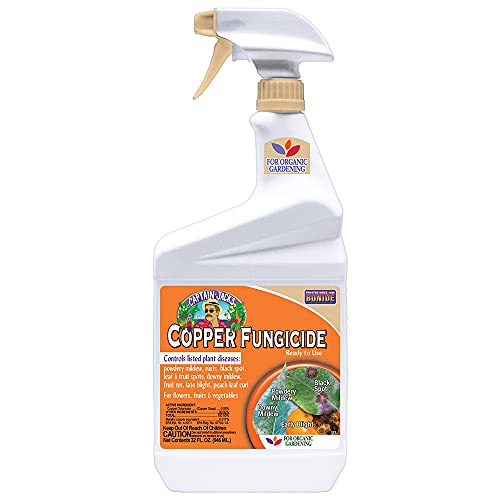
Control fungus and disease in your garden with Captain Jack’s ready-to-use Liquid Copper Fungicide!

DISEASE CONTROL & PREVENTION: Use Scotts DiseaseEx Lawn Fungicide, a fungus control for lawns, to prevent disease before it appears and control disease at the first sign of symptoms
How Can I Prevent Fungal Disease If I Must Mow in the Evening?
A few simple adjustments can keep fungal disease at bay even when you have to cut the grass after dark. First, water early in the morning and limit total irrigation to one inch per week; this lets the lawn dry before evening moisture accumulates. Set the mower to the highest setting and cut no more than one‑third blade height, preserving leaf energy for resistance. Use sharp blades—don’t avoid sharp blade cuts—so each pass makes a clean incision, reducing infection portals. After each session, clean the deck and apply disinfecting sprays on mower to kill lingering spores. Bag or compost clippings separately, and avoid mowing wet grass. Maintain regular aeration and organic amendments to keep the turf vigorous and less susceptible. Mowing frequently helps remove fungus growth before it spreads. Following the one‑third rule ensures the grass retains enough leaf area for photosynthesis and disease resistance. Consistent mowing also promotes even growth and reduces stress on the lawn.

VERSATILE – The most versatile sharpener in the market to sharpen and hone both single and double beveled blades including knife, mower blade, pruner, loppers, hedge shears, axe, machete, hatchet, scissors, edged tool, etc.

3-In-1 mower blade for mulching, bagging and side discharging
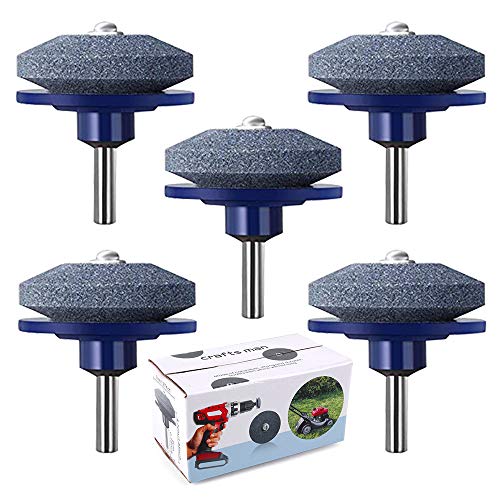
Lawn Mower Blade Sharpener : The new version of the Lawn Mower Blade Sharpener is Made of corundum, it solves the base wear caused by the excessive speed of grindstone, and effectively prolongs the service life and improves the use effect of the product. Our lawn mower blade sharpener is provided by the original factory, and it is guaranteed.
What Impact Does Frost Have on Grass Blade Health?
One frost event can instantly compromise grass blade integrity: water inside the cells freezes, expands, and creates ice crystals that rupture cell walls, making the blades stiff, brittle, and prone to snapping. You’ll notice ice crystal formation on and within each blade, which punctures cells and destroys the protective outer layer. This cellular damage reduces flexibility, so even light foot traffic crushes the hardened turf. Mowing pushes frozen blades into the ice crystals, amplifying fractures and producing brown patches or dead spots. Both cool‑season and warm‑season grasses suffer similarly; the injury creates entry points for pathogens, increasing snow‑mold risk. Damage typically remains above the root zone, allowing recovery once temperatures rise, especially if you limit traffic until the grass thaws. Sharp mower blades improve cut quality and reduce strain on the mower, helping the lawn recover more quickly. Maintaining sharp blades also reduces fuel consumption by allowing the engine to work more efficiently. Properly balancing the reel with a blade‑balancing jig ensures even wear and extends blade lifespan.
What Is the Optimal Pre‑Winter Mowing Height and Why?
How high should you cut your lawn before winter? Aim for 2–2.5 inches on cool‑season grasses and 2–2.5 inches on low‑mowed warm‑season varieties; tall‑mowed warm types stay 3–4 inches. Apply proper mowing technique by lowering the blade half an inch from your regular season height, never removing more than one‑third of the blade per pass. Determining suitable blade height involves a gradual reduction of 0.5 inches over two to three late‑fall mows, matching the grass’s growth habit. This height shades soil, curbs weed germination, reduces snow‑mold risk, and prevents matting while preserving photosynthetic tissue and encouraging deeper roots. Adjust for regional norms—New England cool‑season lawns stay 2.5–3 inches, Massachusetts 2–2.5 inches. Maintaining a slightly higher cut can also help protect the lawn from snow mold during harsh winters.

LIGHTWEIGHT CORDED ELECTRIC MOWER Gasless 10 Amp 15 inch electric mower for powering through rough grass.Ideal for 1/8 acre.Voltage : 120 V. Product Application : Cleaning.

Replaces Part Number / Alternative model: 589464807, 532195179, 581897001, 589464803, 532195174, 532195181, 532195171Compatible With Husqvarna, AYP, Craftsman and Other Brand Lawn Mower Models..

Compatibility: Compatible with Raptor SD, Raptor SDX 36-inch, 48-inch, 54-inch, and 60-inch zero-turn mowers.
When Should I Make the Final Pre‑Frost Cut and How to Transition to Dormancy?
Typically, you’ll make the final pre‑frost cut about a week before the first predicted frost, once daytime highs consistently sit below 50‑55 °F for cool‑season grasses or below 60 °F for warm‑season varieties. This dormancy shift timing aligns with the ideal final mow schedule: aim for late October in northern zones, early November elsewhere. Check the 50‑degree threshold for cool‑season growth slowdown and the 60‑degree limit for warm‑season cessation. Verify leaf drop from trees and stagnant grass blades as visual cues. Use state‑specific freeze‑date maps from the National Centers for Environmental Information to confirm the one‑week buffer. Mow to a height that leaves 2‑3 inches of leaf material, then clear clippings to prevent snow mold. Prompt, precise mowing safeguards winter health and spring recovery. Avoid mowing when the grass is wet to reduce disease risk. Understanding the soil temperature helps predict when growth will truly cease.
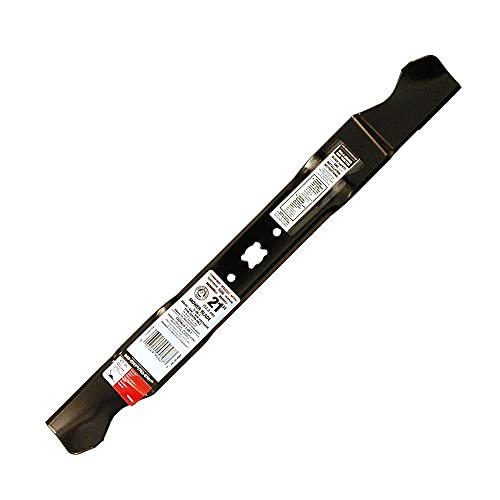
21 INCH MULCHING BLADES: Engineered to perfectly fit 21-inch lawn mowers manufactured from 1995 on, ensuring precise cutting performance by effectively mulching grass clippings into fine particles

Specs: Standard Blade, Center Hole: 1" X 3/4", Center To Center: 2 1/8", Length: 20", Thickness: 0.125", Width: 2 1/4"

【Replace OEM Numbers】2105200317, 2105200317A, also Fits for MNA152901,Fits MNA152903, Fits MNA152701, 84005221. (Please verify your part number before you order.Removing the old blade and finding the part number printed on it is the easiest way to check.)