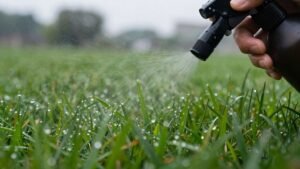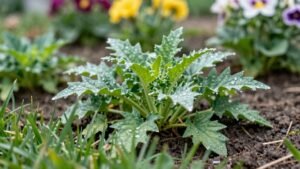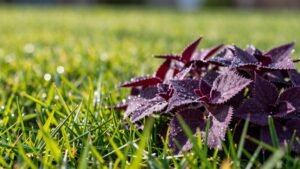

First, identify the weed by leaf shape, growth habit, and flower cues, then pick a selective herbicide that matches your grass—2,4‑D for dandelions, quinclorac for crabgrass, or a warm‑season product like Celsius WG for bermudagrass. Apply when soil temperature tops 55 °F, using a calibrated sprayer or spreader for even coverage, and wear the required protective gear. Water lightly before and after to aid uptake, and follow label timing for pre‑ or post‑emergent use; the next steps will show you how to fine‑tune each application.
Identify Weed Type & Choose the Right Herbicide
When you walk across a lawn, the first clue to a weed’s identity is its leaf shape; broadleaf weeds flaunt lobed or heart‑shaped foliage, while grassy weeds keep a coarse, flat blade texture. You’ll notice that broadleaf vs grassy weed recognition hinges on those outlines, and the sooner you make that call, the better your weed identification timing. Examine the growth pattern: clumps or low rosettes point to dandelions or wild violets, whereas a mat‑like spread suggests crabgrass. Look for flower cues—bright yellow dandelion heads or white daisy‑like chickweed blooms—because they confirm a broadleaf label. Grassy weeds reveal pincer‑like seed heads or rapid vertical shoots that pierce the mower line. By cataloguing leaf texture, arrangement, and reproductive signs, you lock in the correct herbicide category before the weed matures. Wild violet is a broadleaf weed with heart‑shaped leaves that can be difficult to control. Early detection allows for targeted treatment before the weed sets seed, reducing the need for repeated applications. Applying a systemic herbicide can penetrate moss rhizoids and prevent regrowth when used according to label directions. Proper soil aeration helps the lawn develop a dense root system that outcompetes spurge and other invasive weeds.
Pick a Weed Killer That Plays Nice With Your Grass
Having pinpointed the weed’s leaf shape and growth habit, you can now match it to a herbicide that spares your lawn. Treat the grass as a host and the herbicide as a guest: choose a selective product whose active ingredient—2,4‑D, dicamba, sulfentrazone, or quinclorac—targets broadleaf weeds while leaving cool‑season grasses like Kentucky bluegrass, perennial ryegrass, or tall fescue untouched. For warm‑season turf, opt for Celsius WG or Q4 Plus, which align with bermudagrass, zoysiagrass, and centipede grass. Read the label, verify compatibility, then carefully monitor the spray pattern and guarantee timely application when weeds display 2‑5 true leaves. This precision keeps the lawn healthy and the weeds eliminated. Four modes of action enhance its effectiveness against tough species like morning glory. Understanding optimal timing helps prevent crop damage while maximizing herbicide efficacy. Proper soil moisture before application improves herbicide uptake and reduces runoff. Higher voltage systems can deliver more power for faster, more uniform coverage.
Schedule Pre‑Emergent for Effective Lawn Weed Control
You’ll want to time your pre‑emergent applications around soil temperature, not calendar dates. Observe when the ground reaches 50‑55 °F in spring or drops to 70 °F in fall, then act before any green tip appears. Use a soil thermometer and pair it with soil moisture monitoring; a damp profile guarantees the granules activate and spread evenly. Apply in late winter to early spring, or late summer to early fall, aligning with forsythia bloom or the September 15 rule of thumb for fall. Remember that pre‑emergent longevity is about 8‑12 weeks, so schedule a second dose if the first wanes before the next germination window. Avoid overseeding within six weeks, and keep the barrier intact for ideal weed‑seed inhibition. Creating a barrier in the soil helps block weed seeds from sprouting. Understanding the soil temperature thresholds ensures the herbicide activates at the optimal moment. Post‑emergent safety is also crucial when planning to seed later in the season. Proper soil moisture levels are essential for the herbicide to move through the root zone effectively.
Post‑Emergent Lawn Weed Control When Weeds Are Active
Ever notice how a few stubborn dandelions can dominate a perfectly manicured lawn? You’ll see the problem the moment visible weeds break through the turf, and that’s your cue for post‑emergent action. Apply a selective, systemic herbicide when soil temperature tops 55 °F and the weeds are actively growing—this is the ideal timing. Use a pump sprayer for liquid formulations, aiming for even coverage on each leaf. Choose 2,4‑D for dandelions, dicamba for tougher broadleaf varieties, and avoid non‑selective products unless you intend to clear everything. Target young plants before they flower or seed; repeat if perennials rebound. Observe the lawn after each pass, noting any surviving foliage, and adjust your schedule accordingly. This precise, observational approach maximizes kill rates while protecting the surrounding grass. Check weed type before mixing any herbicides. The speed of herbicide action can vary widely, with systemic chemicals often showing visible effects within 24 hours. Active ingredient comparison reveals that ortho‑based formulas tend to have faster uptake in broadleaf weeds. Lawn size considerations help you determine the appropriate amount of product to apply.
Spot‑Treat Precisely With a Wand or Sprayer
A few well‑placed sprays can eliminate stubborn weeds while sparing the surrounding grass. You’ll treat a wand like a surgeon’s scalpel, extending reach up to two feet and delivering a minimal application rate directly onto the leaf. Choose the appropriate product selection—often a ready‑to‑use concentrate costing under $2 per acre—so the chemistry matches the weed species and grass tolerance. Calibrate by measuring a 500‑square‑foot patch, filling the sprayer to a fixed volume, then spraying until coverage looks even; adjust the volume if excess liquid pools. Wear gloves, test on an out‑of‑way spot, then squirt each weed with a trigger sprayer or backpack unit, shielding nearby grass with a protective shield. This precise spot‑treat conserves chemicals, reduces environmental impact, and cuts the need for frequent re‑applications. Use rubber gloves to protect your skin while handling the chemical. Many herbicides contain glyphosate which can be absorbed through the skin and may cause irritation or more serious health effects with prolonged exposure. Applying a systemic herbicide can target root growth to prevent regrowth of poison ivy. Vinegar’s rapid action can cause visible wilting within 30 minutes to several hours, depending on concentration and weather conditions.
Apply Pre‑Emergent Uniformly With a Spreader for Lawn Weed Control
When you calibrate the spreader to the label’s rate and walk the lawn at a steady pace, the granular pre‑emergent is deposited evenly, creating a uniform barrier that blocks weed seeds before they germinate. Think of the spreader as a metronome; each crank turn sets a precise granule throw distance, and your walking speed sets the timing of each beat. Overlap each pass by 30‑35 % and make two perpendicular sweeps at half the recommended rate to fill every gap. Use a broadcast spreader for large areas, then switch to a hand‑held unit for edges and corners. Proper equipment maintenance—cleaning the hopper, checking the crank, and storing the spreader dry—ensures accurate calibration each season and prevents drift or uneven coverage. The hand‑held spreader is especially precise for lawns under 5,000‑6,000 sq ft. Applying the product on a dry, calm day reduces the risk of wind drift and improves uptake. Choosing the appropriate cutting width helps minimize the number of passes needed, saving time and fuel. Aeration timing is crucial for maximizing soil aeration before seeding.
Wear Protective Gear & Follow Label Directions for Safe Lawn Weed Control
If you treat the pesticide label like a contract, you’ll see that every detail—especially the required protective gear—must be obeyed to safeguard yourself. You read label instructions before you step outside, then suit up: a long‑sleeved shirt and long pants keep fabric over gloves, while chemical‑resistant boots cover your feet. A wide‑brimmed, chemical‑proof hat shields your scalp, and sturdy rubber gloves guard your hands. Goggles or a face shield seal your eyes, especially when the label flashes “danger.” If the product warns of fumes, fit a NIOSH‑approved respirator or at least a tight‑fitting mask. After spraying, wash gloves, hands, and boots promptly, then store contaminated shoes away. This disciplined routine secures you avoid skin exposure and follow the label’s legal safety mandate. No pesticide applicator license is required for general‑use products on your own property. Understanding herbicide selectivity helps you choose products that target weeds while sparing desirable plants. Proper timing of application can reduce the risk of grass damage and improve overall lawn health.
Fertilize, Overseed & Water to Prevent Weeds
Because a dense, thriving lawn naturally chokes out weeds, you’ll want to synchronize fertilizing, overseeding, and watering right from the start. First, overseed to establish dense lawn, then apply starter fertilizer at the package‑recommended rate. Use a slow‑release blend so nutrients seep steadily, minimizing burn while feeding germinating seed and existing grass. Water immediately after seeding, then keep the soil moist with two to three light dailyings for the first two weeks—light, frequent sprinklings are better than heavy soaking. As seedlings mature, reduce watering frequency and deepen each soak, encouraging root growth. About four to six weeks later, give a second fertilizer application with a regular or grass‑specific formula to sustain new growth and keep the turf thick enough to outcompete weeds.
Lawn Weed Control Troubleshooting Guide
Even a perfectly healthy lawn can become a battlefield if weeds slip through the cracks of your routine care. You’ll notice that misidentifying a dandelion as a crabgrass leads to a wasted spray, because broadleaf herbicides won’t touch grassy weeds. Check your lawn maintenance schedules and match each weed type to its specific product; broadleaf weeds need selective formulas, grassy weeds demand a different class, and sedges require a specialty treatment. Apply at the correct application timing—pre‑emergence before seeds germinate, ideally when the top‑inch soil temperature sits at 50‑55 °F. Young weeds need a light dose; mature plants demand more, yet still may resist. Calibrate your sprayer, follow label rates, and water pre‑emergent applications with a quarter‑to‑half‑inch of moisture to lock the herbicide into the soil. Regular inspections and prompt hand‑pulling keep infestations from spreading. Crabgrass thrives in [ conditions, so ensure proper mowing height.