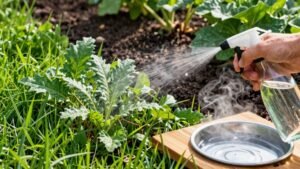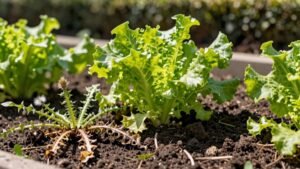

Baking soda can scorch weed leaves, but it only desiccates the foliage and never reaches the roots, so control is usually temporary. Its high pH can stress nearby lawn grass, and it lacks the rapid, membrane‑disrupting action of acetic acid. Mixing it with vinegar, salt, and soap boosts leaf burn, especially on hot, dry days, yet the soil pH shift remains a drawback. If you follow a step‑by‑step protocol and watch weather conditions, you’ll ascertain how to maximize effectiveness and avoid unwanted damage.
Does Baking Soda Really Kill Weeds? – Quick Verdict
So, does baking soda really kill weeds? You’ll find that minimal baking soda effects dominate when you apply a 50 % soda‑water spray; weeds stay green after two days, and dry powder shows no drying or lethal impact. Tests compare favorably to vinegar, which desiccates foliage quickly, while baking soda alone exhibits slow baking soda action that never reaches a killing threshold. The data suggest that, without additives, the compound fails to disrupt cellular water balance or cause leaf necrosis. Consequently, you shouldn’t rely on plain baking soda for weed control, especially when you need rapid results. For practical use, consider more potent formulations that incorporate salt, vinegar, or surfactants to achieve measurable herbicidal activity. Vinegar solution is effective in killing weeds. Acetic acid’s cell membrane disruption underlies its rapid desiccation effect. Temperature can significantly accelerate the herbicidal action of vinegar. Adding acetic acid at higher concentrations can improve efficacy against tougher weeds.
Why Baking Soda Often Falls Short as a Weed Killer
Why does baking soda often fall short as a weed killer? You’ll find that its action is limited to leaf desiccation; the alkali doesn’t penetrate the soil enough to disrupt root establishment. Consequently, most weeds regrow, often healthier, because their taproots remain intact. The chemical persistence of sodium bicarbonate on the surface raises pH, creating a mildly alkaline layer that lingers and can stress desirable plants. This non‑selective effect means overspray harms garden flora, and repeated applications are required to achieve any noticeable control. Compared with acetic acid, baking soda offers only temporary foliage damage and fails to deliver permanent eradication. For established weeds, the lack of deep root impact makes it an unreliable sole solution. Baking soda is phytotoxic to many plants, which can cause unintended damage to nearby garden flora. Natural alternatives such as vinegarbased solutions can provide more effective control without the same soil‑pH disruption. Vinegar’s acetic acid at higher concentrations can leaf desiccation more rapidly, offering a stronger herbicidal effect. Incorporating corn gluten meal as a pre‑emergent barrier can further reduce weed germination while enriching soil health.
Step‑by‑Step Guide to Safe Baking‑Soda Weed Control
Baking soda’s limited leaf‑only action means you need a more thorough application to achieve reliable control, and the step‑by‑step guide below shows how to prepare, target, and apply a safe, non‑selective solution while minimizing collateral damage. First, mix 1 Tbsp baking soda with 3 qt warm water, add 1 cup salt, 3 cups white vinegar, and 1 Tbsp dish soap; stir until the salt dissolves, then wait three minutes. Add a few drops of pure organic oil soap for adhesion. Fill a spray bottle, test on a small patch, then lightly water the lawn area and spray the solution directly onto weeds, avoiding desired plants. For larger weeds, pour the strong solution onto roots. This homemade protocol rivals commercial synthetic herbicides, but remember the non‑selective nature and repeat if regrowth appears. The addition of vinegar helps lower the pH, enhancing the solution’s effectiveness against tough weeds. Using bleach as an alternative herbicide carries significant environmental risks and is not recommended for residential lawns. Understanding the nutrient balance between nitrogen, phosphorus, and potassium can help prevent weeds from thriving after fertilization.

Remote trigger sprayer 36" hose with adjustable nozzle from wide mist to stream

DILUTION BOTTLE 3-PACK (ACC138): Three 16 oz chemical-resistant detailing spray bottles with heavy-duty sprayer heads and printed labels for home detailers and pros running a dilution station for auto detailing tools and chemicals
Ideal Weather Conditions (Sun, Heat, Low Humidity) for Treatment
When you schedule a bake‑soda treatment, aim for a bright, hot day with low humidity; the combination of strong sunlight, elevated temperatures, and dry air accelerates moisture loss from weed foliage and roots, maximizing the herbicidal effect. Target the ideal temperature range of 75‑90 °F (24‑32 °C); within this band, the chemical reaction that draws water from plant cells proceeds fastest. Low humidity (under 40 %) prevents dilution and guarantees the powder adheres without forming a slurry. Schedule timed seasonal applications in early summer or late spring when days are longest and heat peaks, because these periods align with active weed growth and provide the most efficient dehydration cycle. Apply early in the morning to let the sun and heat work uninterrupted before evening moisture rises. Applying herbicide to damp foliage can reduce efficacy and increase runoff risk. Understanding herbicide absorption helps you choose the optimal timing for maximum impact. Optimal germination occurs when soil temperature stays within the grass seed temperature window, ensuring rapid seed sprouting.
Proven Baking‑Soda + Vinegar + Salt + Soap Mix
If you combine white vinegar, table salt, Dawn dish soap, and a touch of baking soda, the mixture creates a fast‑acting, non‑selective herbicide that dehydrates and burns weeds within hours. For a one‑time application, dissolve one cup of table salt and one tablespoon of Dawn in a small amount of vinegar, add ½ tsp baking soda, then top up with the remaining gallon of vinegar. Shake gently, then spray directly onto foliage during sunny midday conditions, trimming tall weeds first to expose stems. The acetic acid burns leaf tissue, salt extracts cellular moisture, soap lowers surface tension, and baking soda raises pH, accelerating tissue breakdown. This protocol scales well for large‑scale treatments, delivering rapid wilting and death of annuals like purslane without expensive chemicals. Mixing the ingredients should be done in a well‑ventilated area to avoid inhaling fumes. The high concentration of acetic acid in the vinegar can also damage plant cells by disrupting cell membranes. Using a high‑salt concentration can further enhance the desiccation effect on stubborn weed roots. Rock salt can be used as a supplemental desiccant for particularly tough perennial weeds.

KILLS TO THE ROOT: Our formula is guaranteed to kill more than 250 weeds and grass including broadleaf, crabgrass, dandelion, clover, ivy, and chickweed. SAFE FOR PEOPLE &...
How Baking Soda Performs Compared to Vinegar‑Based Herbicides
You’ll find that vinegar outpaces baking soda in almost every measurable metric when it comes to killing weeds. Vinegar’s acetic acid dehydrates foliage within 24 hours, even reaching roots on sunny days, whereas a 1:1 baking‑soda spray shows no visible damage after two days. High‑concentration distilled vinegar mixed with soap adheres and dries leaves quickly, delivering effective application times that are minutes versus hours for baking soda. Baking soda creates an alkaline surface that mildly stresses young weeds but fails to eradicate roots, so regrowth is inevitable—hardly a permanent weed solution. In side‑by‑side tests, vinegar eliminates established weeds outright; baking soda only weakens small seedlings. Target precise application and full sunlight for best results, and avoid salt to protect surrounding soil.

MAXIMUM STRENGTH CLEANING POWER: Unleash the power of Simply Vinegar 49%—an industrial-grade vinegar concentrate engineered for demanding cleaning jobs. Ideal for home, garden, and outdoor use, it cuts through grime, grease, and buildup with professional-grade results.

Multi-Purpose Use: Versatile enough for both lawn treatment and heavy-duty cleaning, making it a valuable addition to any outdoor maintenance routine.
MAXIMUM STRENGTH CLEANING POWER: Unleash the power of Simply Vinegar 49%—an industrial-grade vinegar concentrate engineered for demanding cleaning jobs. Ideal for home, garden, and outdoor use, it cuts through grime, grease, and buildup with professional-grade results.
Impact on Soil pH – What to Watch For
Vinegar’s rapid foliage dehydration highlights why its pH‑altering effects matter, and the same principle applies to baking soda: its alkaline nature can shift soil pH within hours. When you add 1 tbsp per gallon of water, the bicarbonate neutralizes acidity, raising pH quickly—often within 24 hours. This can improve nutrient availability in low‑pH soils, but over‑application creates an alkaline imbalance that disrupts soil nutrient balance and suppresses biological soil activity. Sodium buildup alters osmotic pressure, harming root membranes and beneficial microbes. Test before you act: mix a heaping spoon of baking soda with wet soil; vigorous bubbling signals acidity. After treatment, re‑test pH, monitor plant response, and adjust dosage to keep pH within the target neutral‑to‑slightly‑acidic range. Conducting a soil test is essential to determine the current pH before applying any amendment. Chlorine’s limited herbicidal effect makes it a poor substitute for targeted weed control. Properly timed herbicide rotation can reduce moss resilience and improve long‑term lawn health. Using high‑concentration salt can effectively desiccate weeds, but must be applied carefully to avoid damaging surrounding grass.
Spot‑Treating vs. Whole‑Lawn Applications: When to Use Each
When deciding between spot‑treating and a whole‑lawn approach, the key is matching the method to the weed’s distribution and the lawn’s tolerance for sodium. Spot‑treating lets you target individual dandelions, crabgrass, or chickweed without affecting surrounding grass, and the dry baking‑soda on dampened leaves maximizes moisture absorption for rapid dehydration. This method reduces sodium buildup, preserving soil health and minimizing long‑term impacts. Whole‑lawn applications, by contrast, spread sodium across the entire root zone, risking yellowing, thinning, and fertility decline; they’re only justified for mild fungal or moss issues where a slight pH shift is needed. Effectiveness considerations hinge on weed isolation, lawn shade, and soil moisture—use spot‑treating for isolated weeds, reserve whole‑lawn use for limited, low‑risk scenarios. Proper watering is essential to avoid excess moisture that promotes fungal growth. Maintaining a proper mowing height also helps shade the soil and suppress weed seed germination.

Fix Common Issues: No Kill, Regrowth, or Plant Damage
Spot‑treating lets you avoid the sodium buildup that can cause whole‑lawn issues, but it also reveals three recurring problems: the solution may not kill the weed, the plant can regrow from surviving roots, and nearby desirable vegetation can suffer damage. First, verify that the baking‑soda mixture actually contains a salt component; pure 1:1 soda‑water solution shows no kill even after two days, so you’ll waste effort and risk regrowth. Second, schedule repeat applications after the foliage dries, especially for deep‑rooted species like burdock; light pre‑watering can reduce but not eliminate root survival. Third, protect desired plants by shielding them, spraying only the target weed, and using dish‑soap sparingly to avoid breaking leaf waxes. Identifying ideal application timing and Mitigating impact on surrounding plants are essential for reliable results. Proper lawn dethatching can also improve overall turf health and reduce future weed invasions.
Control fungus and disease in your garden with Captain Jack’s ready-to-use Liquid Copper Fungicide!

Visible Results in One Hour - Spruce is designed to break down plant cells so weeds die from dehydration. The hardworking weed spray can kill all types of broadleaf and grassy weeds including dandelions, large crabgrass, white clover, dollarweed and morning glory vines.

NON-SELECTIVE WEED CONTROL - For use on non-selective herbaceous broadleaf and grassy weeds. Read the label for specific annual broadleaf weeds, perennial broadleaf weeds, annual grasses, and perennial grasses to be treated.
Integrating Baking‑Soda Into a Long‑Term Weed Management Plan
How can you embed baking‑soda treatments into a sustained weed‑control program without compromising soil health? Begin by timing applications in early spring or fall when weeds are actively growing, and choose bright days for rapid drying. Use a 1 cup soda‑to‑1 gallon vinegar mix for root zones, and a 1 tablespoon soda‑plus‑½ teaspoon soap solution diluted 1:1 with water for foliar sprays. Re‑treat stubborn weeds after one week, then monitor weekly to catch new seedlings. Pair soda with organic alternatives such as boiling water, soap spray, or mulching to reduce reliance on any single agent. Rotate treatments with manual pulling and other natural controls to mitigate long term effects on soil pH while maintaining effective, low‑impact weed management.