
You’ll get razor‑sharp borders with an edger’s vertical blade, but a string trimmer’s lightweight, rotating line lets you glide over uneven terrain and tight corners faster. If you need surgical precision for decorative edges or water‑control borders, the edger wins; for versatile, quick touch‑ups around trees, fences, and slopes, the trimmer shines. Choose based on whether precision or maneuverability matters most, and the next sections will show how each tool fits different lawn layouts.
Trimmer vs Edger: Quick Comparison of Cutting Mechanisms
A string trimmer cuts with a horizontally rotating nylon line that slices grass at high speed, while a lawn edger uses a metal blade or disc that drops straight down into the soil line. You’ll notice the trimmer’s fast‑spinning string offers moderate edge tracing precision, suitable for quick touch‑ups and hard‑to‑reach spots. In contrast, an edger’s vertical blade—whether a drum or disc edger—delivers high‑precision, clean borders by driving straight into the soil, minimizing lawn damage. Drum edgers provide a wider cutting arc, ideal for longer straight lines, while disc edgers excel on tighter corners and tighter curves. Choose the trimmer for versatile, broad trimming and the edger for crisp, consistent edges where precision matters. The blade edger can create a deeper, more pronounced groove, resulting in a clean, defined edge. Proper line trimmer maintenance ensures optimal performance and longevity. Understanding the motor’s role helps you troubleshoot performance issues quickly.
When Edge Precision Matters More Than Versatility
When you need flawless, clean lines along sidewalks, driveways, or flower beds, edge precision outweighs the flexibility of a trimmer. An edger’s vertical blade slices grass with surgical accuracy, producing crisp, defined borders that string‑based trimmers can’t match. Use it for decorative lawn borders and minimalist landscape design where every line matters. Position the edger at a 90‑degree angle to the hardscape, engage the blade, and guide it slowly to avoid tearing. The blade’s sharp edge prevents grass from encroaching on paths, keeping your yard looking professionally manicured. Focus on straight, tight cuts for a segmented look, and skip the trimmer’s multi‑tasking when precision is the priority. For optimal results, follow the pre‑trimming preparation steps to ensure an even surface before edging. Proper blade angle ensures clean cuts and reduces wear.
Trimmer vs Edger: Which Handles Yard Obstacles Better?
Two main factors decide which tool wins around obstacles: maneuverability and blade safety. A trimmer’s lightweight design gives you superior tree base maneuverability; the flexible string head slides past trunks without scratching bark, and it steadies on uneven roots or slopes. In fence proximity challenges, the trimmer reaches narrow gaps and corners, cutting weeds precisely along vertical and horizontal edges. An edger, however, is bulkier and less agile; its straight‑line blade struggles with curved tree perimeters and can damage bark. Its frame limits access beside fences, and the rigid blade doesn’t adapt to angled corners. For yards packed with trees, fences, or irregular terrain, the trimmer consistently handles obstacles more efficiently and safely. Properly adjusting the line length can also improve edge precision, especially when using a tight‑tension line for finer control. Remember to wear protective gloves to prevent hand injuries while handling the trimmer. Using a guarding line helps protect surrounding plants from accidental cuts.

Replacement Trimmer Line: 8 inch standard pre-cut trimmer line with 0.095 inch diameter, direct replacement for ECHO 102222130, no extra cutting required

Replacement Strimmer Wire - Diameter : 2.4mm, Length: Approx 15 meters, Round shaped, Gray, Compatibility: Perfectly suits all standard 2.4mm line trimmer heads, be it fixed-line, semi-automatic, or automatic bump-feed. Compatible with cordless, petrol, and electric grass cutters.

280-Foot Length in optic yellow color
Edger Benefits for Sidewalks & Driveways
Because sidewalks and driveways collect runoff quickly, a well‑placed edger directs water away from your foundation and prevents pooling after Midwest storms. To achieve ideal driveway edges, set the edger at a 45‑degree angle and trim the grass so the cut line meets the pavement cleanly. This creates a subtle ramp that channels water toward drainage, reducing foundation moisture. For maximizing sidewalk border visibility, cut a crisp, uniform line that contrasts with the pavement, then apply a thin herbicide strip to deter weeds. The sharp edge also acts as a pest barrier, keeping insects from crossing into garden beds. Regularly check the line after rain, and touch up any gaps to maintain both water control and visual definition. Edgeless provides 6‑8 weeks of suppression for centipede grass when applied in a 6‑inch band. Proper timing of fertilization, such as applying nitrogen during the late spring growth surge, enhances turf density and drought resistance. Accurate zone design ensures each sprinkler head delivers its rated flow rate without pressure loss.
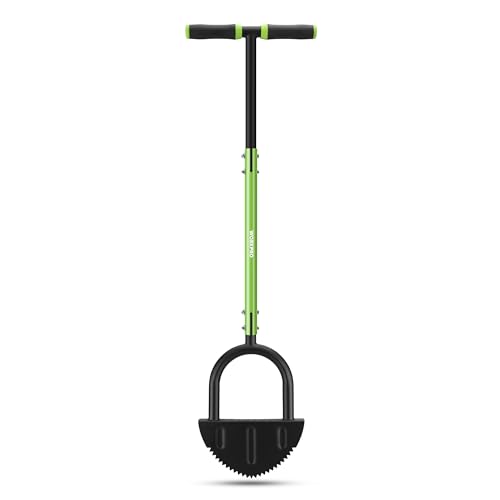
VERSATILE MULTI-PURPOSE TOOL: This lawn edger is perfect for a wide range of landscaping tasks, including edging sidewalks, cutting grass, trimming flower beds, trenching, and transplanting plants. Whether you're a home gardener or a professional landscaper, this tool is designed to create clean, deep, and even borders around your outdoor spaces, ensuring a polished, professional look

Ideal Garden Edger: BlumeTrec lawn edger tool is designed to create crisp, clean edges along sidewalks, driveways, patios, walkways, and garden borders. Garden edger trims grass around flower beds, lawns, and landscaping areas with precision. The reinforced half-moon blade easily penetrates soil for smooth, controlled edging, allowing homeowners to maintain neat yard lines, define garden borders, and install plastic edging with ease, making everyday yard care simpler and more effective.
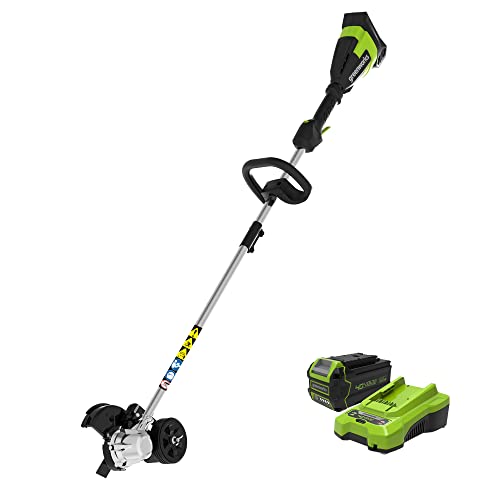
CLEAN, PROFESSIONAL LAWN EDGING – Designed to create sharp, defined edges along driveways, sidewalks, patios, and landscaping for a polished lawn appearance.
Maintenance Differences Between Trimmer Line and Edger Blade
Sidewalks and driveways benefit from a clean, angled edge, but keeping that edge sharp requires different upkeep for trimmers and edgers. With a trimmer, you mainly monitor line wear frequency; the nylon filament erodes as it cuts, so you’ll reload or replace the spool whenever the tip shortens noticeably. Battery models need a charged pack, while gas units demand basic engine care, but the line‑replacement task stays quick and tool‑light. An edger blade, by contrast, needs periodic inspection for chips or dullness. Follow a blade sharpening interval of every 20‑30 hours of use, or replace the blade if it’s bent. Gas edgers also require fuel and oil checks, making their maintenance more involved than a trimmer’s simple line swap. The string trimmer can dig into turf if not carefully controlled. Selecting the proper trimmer line thickness helps prevent uneven cutting and reduces wear on both the line and the mower head. Sharp blades also promote a cleaner cut, which reduces stress on the grass and helps prevent weed seed spread.
What You Can Expect at $30, $150, and $300
When you compare the $30, $150, and $300 tiers, you’ll see a clear jump in power, convenience, and durability. At $30 you get a manual edger like the AMES Saw‑Tooth with a footplate, serrated steel blade, and basic trimmer cords. Sizing details are modest—lightweight, hand‑held, and no battery. Operating costs are near zero aside from occasional blade sharpening. The $150 level introduces battery‑powered models; a 5‑10 lb Greenworks edger or a BLACK+DECKER 20V trimmer with guide wheel. Expect longer runtimes, cordless freedom, and more ergonomic sizing. Operating costs rise modestly due to battery replacement. At $300 you step into professional‑grade gas or premium battery units, offering high RPM, durable construction, and multi‑task capability. Sizing details include heavier frames but better balance; operating costs increase with fuel or high‑capacity battery maintenance. brush cutters excel at tackling dense, woody vegetation and overgrown areas, offering powerful rotary blades that can cut through thick brush. Curved‑shaft designs provide extra torque for demanding vegetation, making them especially effective for dense brush removal. Choosing the right power source can also affect noise level and overall user comfort.

Dual 2.0Ah 20V Batteries & Fast Charger: Avoid frequent charging pauses interrupting outdoor yard work. This practical battery powered lawn edger comes with two 2000mAh lithium batteries and a fast charger supporting 40 min total runtime and 50-min quick charge for large yards, curved sidewalks and long driveways. A built-in cooling system prevents overheating during long trimming sessions and maintains stable continuous power for lawn edgers battery powered and portable lawn edger cordless

2 IN 1 TRIMMER & EDGER : Easily converts from a string trimmer to an edger lawn tool in just seconds.
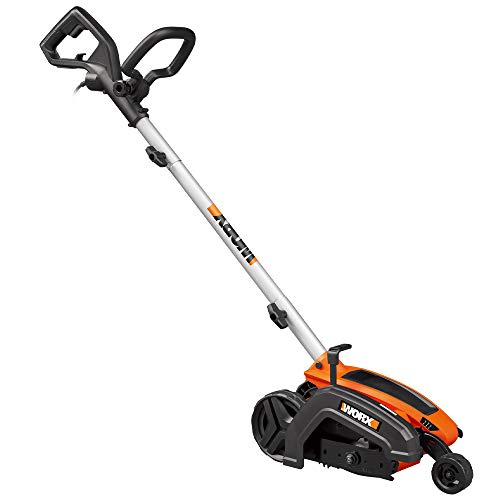
POWER LIKE THE PROS: The 12 Amp motor spins the 7.5” blade fast and deep at 4700 revolutions per minute, giving you professional-looking lines and edges.
Do 2‑in‑1 Hybrids Truly Deliver Both Functions?
The $150 and $300 tiers already show how power and ergonomics improve, but the real question now is whether a 2‑in‑1 hybrid can truly match the performance of dedicated trimmers and edgers. You’ll notice the hybrid’s 6500 RPM motor and 30 cm swath trim thick grass quickly, yet its power still trails the peak output of a single‑purpose trimmer. When you pull the bar and engage the wheeled head, the adjustable pivot and flower guard give clean edges, but the edging precision won’t equal a standalone edger’s specialized performance. Battery life supports around 30 minutes of mixed use, which is adequate for modest lawns but may require a recharge on larger jobs. In short, the tool offers versatility vs specialized performance, and battery life vs power, making it a solid compromise rather than a replacement for dedicated equipment. The 8‑inch edger attachment slides into the power head with a thumb latch, providing a dedicated, high‑performance edge‑cutting option when needed. Moreover, the hybrid’s electric motor efficiency helps reduce overall energy consumption compared to gasoline‑powered alternatives. The brushless design also delivers higher torque with less heat buildup, extending runtime under load.
Which Power Source Is Best for Your Trimmer or Edger?
Choosing the right power source hinges on your lawn’s size, terrain, and how often you’ll use the tool. For small yards with easy outlet access, a corded electric trimmer or edger gives unlimited runtime, low maintenance, and a modest budget impact on power. If you need freedom of movement and quiet operation, a cordless electric model offers instant start, eco‑friendly use, and battery life considerations that match medium‑size lawns; interchangeable batteries can lower long‑term costs. For large properties, thick weeds, or frequent heavy use, a gas‑powered unit delivers superior raw power, endless runtime via refueling, and higher performance scores, though it raises fuel and maintenance expenses. Weigh each option’s runtime, terrain‑type suitability, and overall cost before deciding. The Works trimmer is the lightest at 9.31 lb, making it easier to maneuver on uneven terrain.

[Compact Storage and Easy Maneuvering] Designed for modern living, the innovative shaft folds 180° in three ways for vertical storage in tight corners, apartments, or crowded garages and it’s highly space saving. Featuring a 90° adjustable head and 180° rotatable handle, you can effortlessly tackle slopes, under-bench areas, and hard-to-reach corners, making a uniformly tidy garden

【Long-Lasting Power & Quick Setup】For homeowners and garden enthusiasts who need to maintain their yard lawns or garden greenery, SEESE cordless weed eater delivers exceptional performance with two 21V high-capacity batteries, providing powerful runtime and long-lasting usage. The tool features quick and easy assembly, eliminating the frustration of complicated setup, so you can start your yard maintenance tasks immediately without delay.

Safety: This item is up to nationally recognized standards for high-level electronic safety.
How to Combine a Trimmer and Edger for Faster Yard Work
After weighing power sources, you can boost efficiency by using the same trimmer as both cutter and edger. First, mow the lawn to expose edges, then clear debris and gather safety gear. Flip the trimmer head to vertical, set the deflector toward you, and hold the side of the handle for steadier control. Start the line at full speed, then guide it in fluid motion patterns along the planned edge, moving against the line’s rotation. Use the clockwise‑spin rule (left‑to‑right) or counterclockwise rule (right‑to‑left) to push clippings outward and keep sidewalks clean. This strategy for quick edging eliminates a separate edger, cuts time, and yields crisp borders without scalping. Consistent edging creates a professional, manicured look. Proper mowing height helps maintain turf health and reduces the need for frequent edging. Wear protective gear to prevent injuries while operating the trimmer. Maintaining the optimal cutting frequency based on grass type and season supports dense, resilient turf.

Includes the Power Head (PH1420), 16” Carbon Fiber String Trimmer Attachment (STA1600) with POWERLOAD, Carbon Fiber Edger Attachment (EA0820), 56V 4.0Ah battery, 320W charger, and shoulder strap
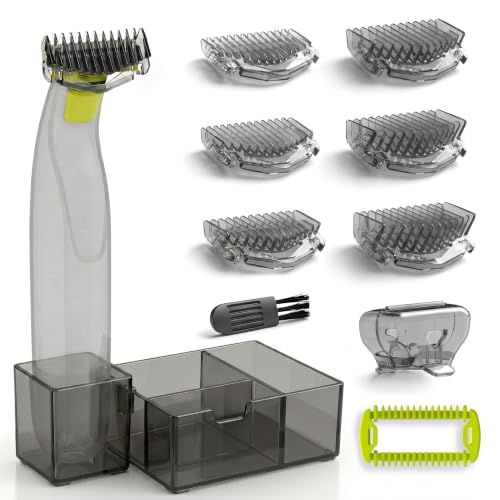
IN THE BOX PLUS – Includes six replacement guide combs (1/2/3/4/5/6 mm), one body comb, one protective cap, and a clear acrylic organizer stand.
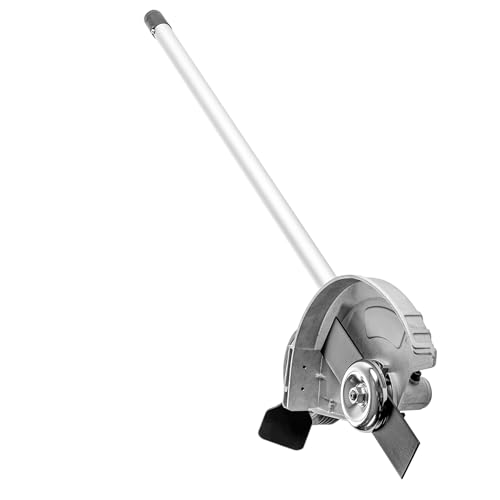
Quality Compatibility: Genuine edger attachment fits Greenworks string trimmers that accept universal attachments, including models ST80L252, GST80321, ST80L02, STB460, STB456, ST60L413, ST60L03, ST40L412, STF457, ST-140-AT,ST48L4411,ST80L02
Match Lawn Size & Layout to the Ideal Tool
One‑to‑three hours of yard work can be cut in half when you match your lawn’s size and shape to the right tool. For a small garden, grab a manual edger or a $95‑$350 string trimmer; they tackle tight spots around trees and fences while giving you a solid workout. Use the edger sparingly for crisp borders and the trimmer for overall yard perimeter maintenance. On a medium lawn, a battery‑powered trimmer speeds up touch‑ups, while a motorized edger creates a uniform edging appearance along sidewalks. For large expanses, a gas edger with a 25‑40 cc engine handles extensive borders, and a high‑torque trimmer manages slopes and uneven ground without fatigue. Choose the tool that fits your layout—straight‑line or curved—to keep edges sharp and consistent. The edge’s condition often dictates whether a rotary scissor or a simple trimmer will give the best result. Husqvarna’s longer battery life can be a decisive factor for larger properties.