

You can kill most common lawn weeds with household ammonia by mixing two‑thirds ammonia with one‑third water, spraying directly onto foliage, and re‑applying every few days until the weeds wilt. Wear gloves and eye protection, work in a ventilated area, and avoid runoff to protect aquatic life. Test a small patch first and keep a 30 cm buffer from desired plants to prevent soil‑pH damage. Follow the step‑by‑step technique for best results, and you’ll uncover more details on safety, ratios, and alternatives.
What Is the Quick Answer for Using Ammonia as a Weed Killer?
How can you quickly use ammonia to kill weeds? Mix two‑thirds household ammonia with one‑third water in a spray bottle, then target the foliage directly. Spray only the weeds, avoid surrounding plants, and watch discoloration appear within hours. Reapply every few days until the weeds die completely. Using ammonia responsibly means testing a small patch first, limiting runoff, and not mixing with other chemicals. Acting on possible environmental impacts requires you to apply only the needed amount, keep the solution away from rain‑prone areas, and avoid over‑application that could leach nitrogen into soil. This method delivers fast, evidence‑based control while minimizing ecological risk. Wear gloves when handling the ammonia solution. Vinegar’s rapid wilting can be achieved in 30 minutes to several hours depending on concentration and weather. Acidic pH of white vinegar helps break down plant cells quickly. Acetic acid can also act as a natural herbicide, though it is less potent than specialized formulations.
Safety First: Inhalation, Skin, and Aquatic Risks of Ammonia Sprays
When you spray ammonia on weeds, you’re exposing yourself, the surrounding plants, and nearby water to serious hazards. Inhalation can cause acute exposure symptoms such as eye, nose, and throat irritation, coughing, bronchial narrowing, and at higher concentrations, stridor, wheezing, or pulmonary edema. OSHA’s permissible exposure limit is 50 ppm, but even that can trigger respiratory distress; chronic exposure leads to long term respiratory effects like asthma‑like symptoms, reduced lung function, and restrictive lung disease. Skin contact burns and frostbite, so wear gloves and long sleeves. Eye protection is mandatory because ammonia is corrosive and can cause permanent damage. Prevent runoff into ponds or lawns; ammonia is toxic to aquatic life and can trigger fire or explosion hazards in confined, wet environments. Some herbicides contain glyphosate which is also known for its toxicity to humans.
Mix the Proper Ammonia‑to‑Water Ratio for a Safe Weed‑Killer Spray
If you want a weed‑killer that’s both effective and safe, start by mixing two‑thirds household ammonia with one‑third water. This 2/3‑to‑1/3 ratio yields an ammonia concentration ratio that desiccates broadleaf and grassy weeds without harming surrounding grass. Pour the ammonia into a clean spray bottle, add water, and shake gently to guarantee uniform mixing. Before treating the whole lawn, perform a dilution verification test on a small, inconspicuous patch; observe leaf damage after 24 hours. Wear gloves, avoid mixing with other chemicals, and work in a well‑ventilated area. If the test shows selective weed kill, expand application, reapplying the same ratio as needed on sunny, dry days. Natural weed control can be achieved using common household items, reducing reliance on synthetic herbicides. Using high‑salt concentrations can also enhance the desiccating effect on stubborn weeds. Baking soda works by raising soil pH and dehydrating weeds, making it a complementary option to ammonia treatments.

What You'll Get: One 23 oz spray bottles of Windex Original Blue Glass and Window Cleaner
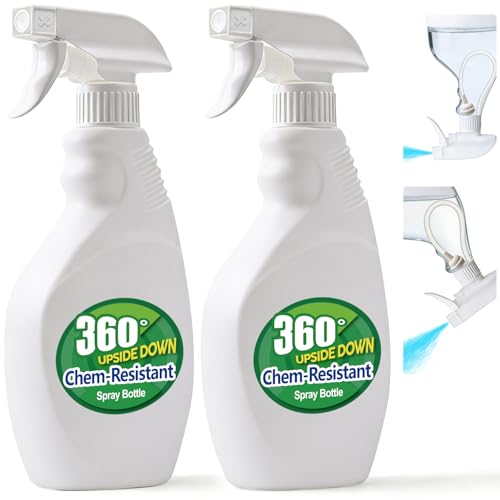
【T4U HDPE spray bottles】 – safe for everyday cleaners: vinegar (any), diluted bleach (≤5%), alcohol (≤70%), dish soap (a few drops), dissolved baking soda, detergent. Not for undiluted bleach, drain cleaners, strong acids, acetone, or paint thinner

INVISIBLE GLASS CLEANER: Invisible Glass Cleaner is the #1 top seller in automotive for window and glass cleaning at home and in the car. Get a brilliant, streak-free shine that's instantly noticeable.
Step‑by‑Step Spray Technique to Target Stubborn Weeds
Ever wondered how to hit stubborn weeds dead‑on without damaging surrounding grass? Grab a spray bottle, wear gloves, and dilute ammonia with water as instructed earlier. Add a drop of surfactant and, if you like, a pinch of ammonium sulfate to lower pH and improve uptake. Test the mix on a tiny patch, then choose a dry day when weeds are actively growing. Aim the nozzle directly at each weed, spraying until the leaf surface is wet but not dripping. This non‑selective application targets only the weed foliage, minimizing residual lawn effects on nearby grass. Re‑spray after 48 hours if any green tissue remains, and repeat until the weed wilts and turns brown. Using ammonium sulfate makes the solution more acidic, which enhances the effectiveness of weak acid herbicides. For optimal results, follow the recommended water ratio guidelines from the RM43 mixing instructions. Pre‑emergent herbicides work by preventing seed germination and early growth, offering a complementary strategy for weed control.
Will Ammonia Harm My Desired Garden Plants or Soil?
Your spray mix works on weeds, but the same ammonia can damage garden plants and alter soil chemistry. Ammonia raises soil pH, creating nutrient imbalances that stress crops preferring acidic conditions. Sensitive species—strawberries, lettuce, brassicas, tomatoes, potatoes—show chlorosis, curled edges, and stunted growth within days. Vapor exposure burns foliage, while excess nitrogen invites pests and weakens root development. Apply only where weeds dominate; keep a buffer zone of at least 30 cm from desired plants. Test soil pH before and after use, and amend with sulfur or organic matter to restore balance if needed. Monitor for leaf yellowing and adjust future applications to protect plant species sensitivity and maintain healthy soil nutrients. Ammonia is a weak base that can lower the pH of the surrounding solution, affecting nutrient availability. Chlorine’s limited herbicidal action makes it a less effective option compared to targeted herbicides. Using high‑acidity vinegar can provide a natural, non‑toxic alternative for weed control. Incorporating organic mulch can further suppress weeds while enriching soil health.
Safer Ammonia‑Based Alternatives and When to Switch to Commercial Herbicides
When you need a safer, ammonia‑based weed solution, turn to products like Finalsan‑Ammoniated‑Soap, which delivers fast, non‑selective control without the soil‑pH spikes of plain ammonia. Its fatty‑acid soap breaks down leaf cuticles, shows visible results in hours, and biodegrades quickly, limiting organic weed resistance. Pair it with vinegar‑based options such as EcoGarden Pro or Green Gobbler for young seedlings, and herbicidal soaps with citrus oil or pelargonic acid for broader coverage. If weeds persist beyond a few applications, evaluate proper herbicide selection: switch to iron‑based selective products for broadleaf targets, or resort to commercial formulas when organic methods fail or are prohibited. This tiered approach maximizes efficacy while protecting soil health and non‑target plants. Adding a small amount of acetic acid can enhance the herbicidal effect of ammonia solutions. Using dish soap can also improve spray adhesion and increase leaf penetration. Consider non‑selective bleaching as a rapid alternative for isolated weeds, but be aware of its potential soil and environmental impacts.